This was my first time traveling to Asia and somehow, it exceeded all of my expectations.
For years now, I have been saving every reel and picture of travel destinations that have crossed my Instagram feed in the hopes that I will one day be able to see all of it for myself.
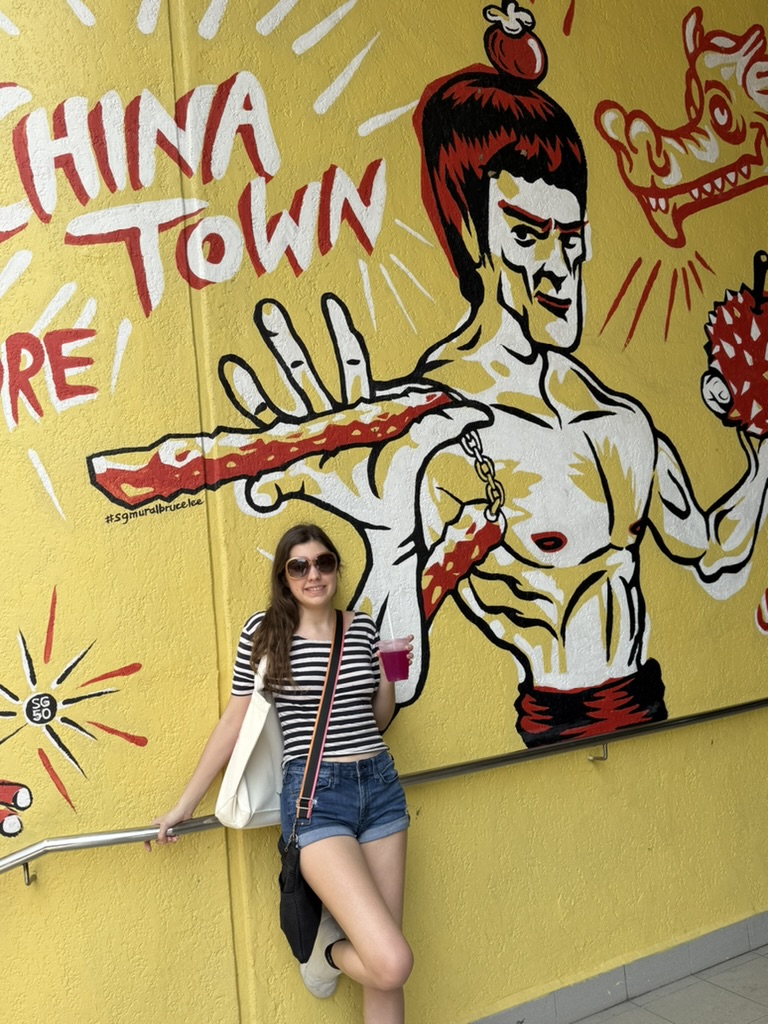
In Singapore, I drank dragon fruit tea in Chinatown, licked chrysanthemum-flavored ice cream, sipped out of a coconut, and ate Michelin-star chicken and rice and prata at hawker centers. In Bali, I drank mojitos of every flavor in an infinity pool, had wagyu steak for the first time, and tried deluxe tea at a tea garden.
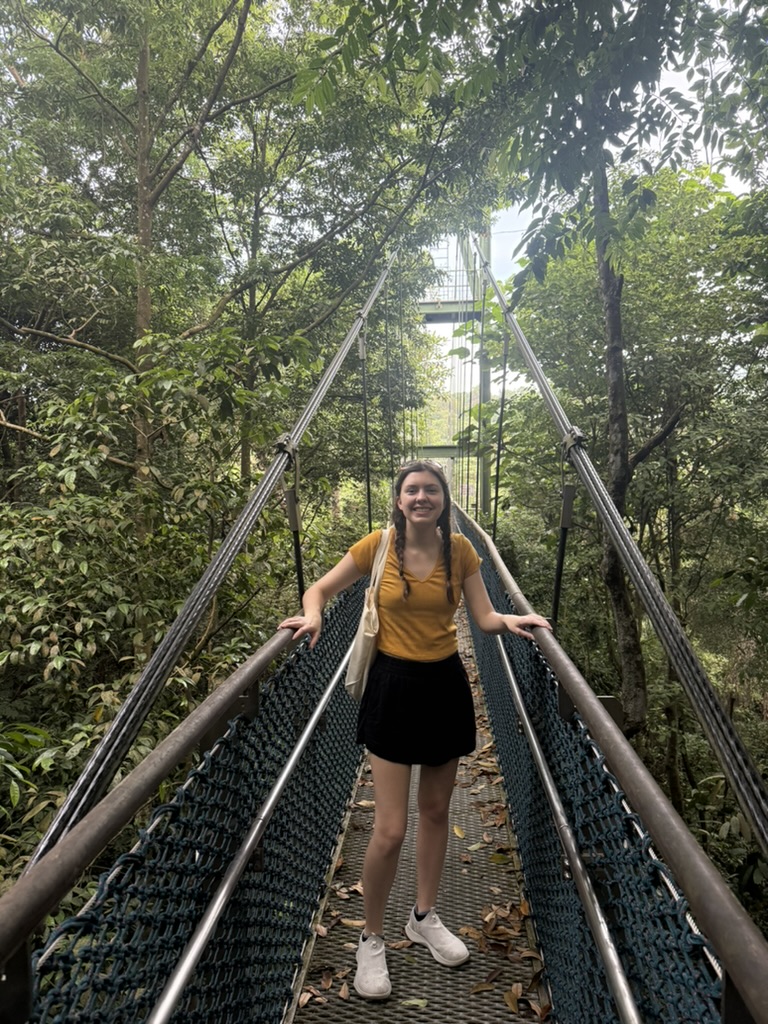
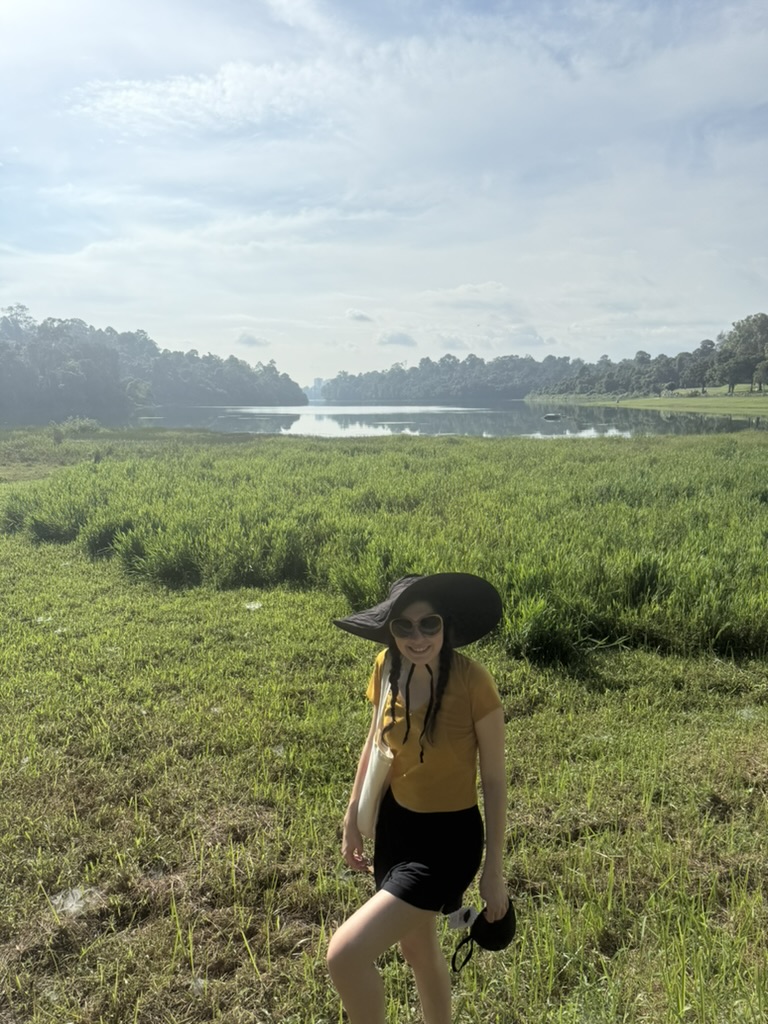
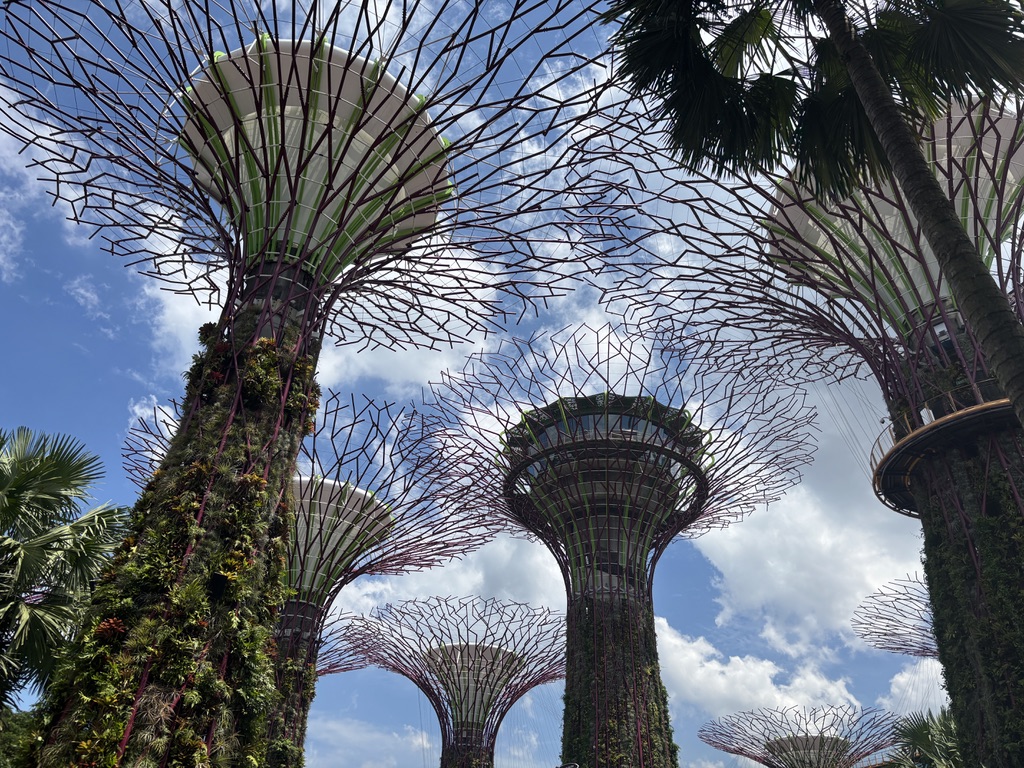
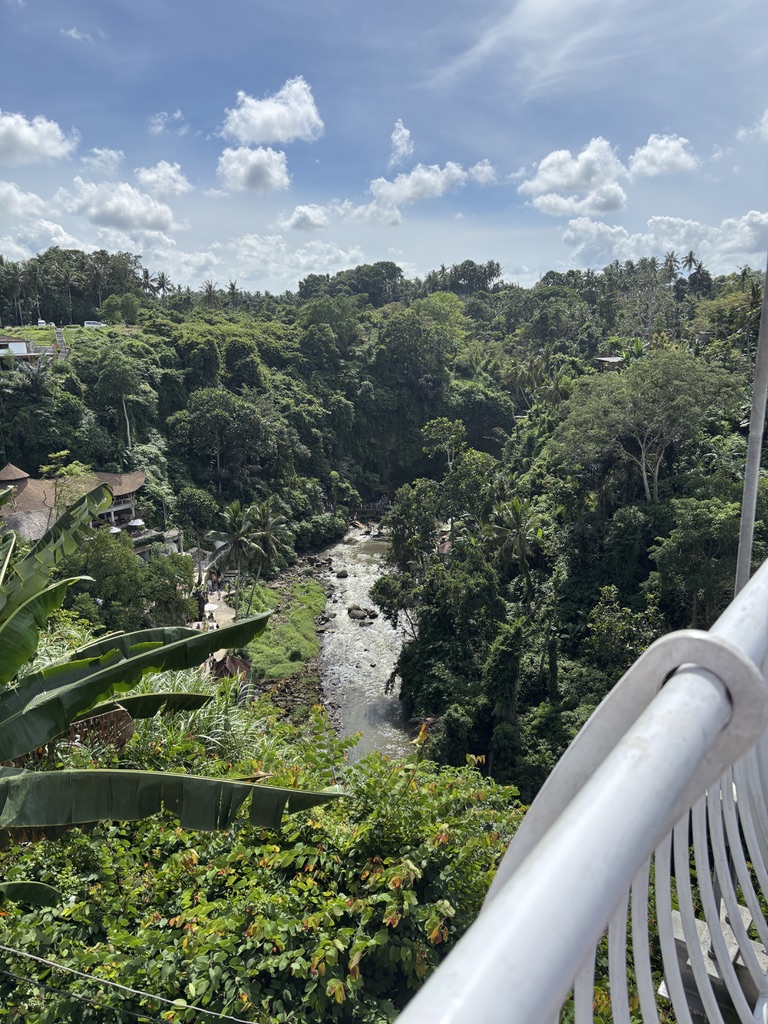
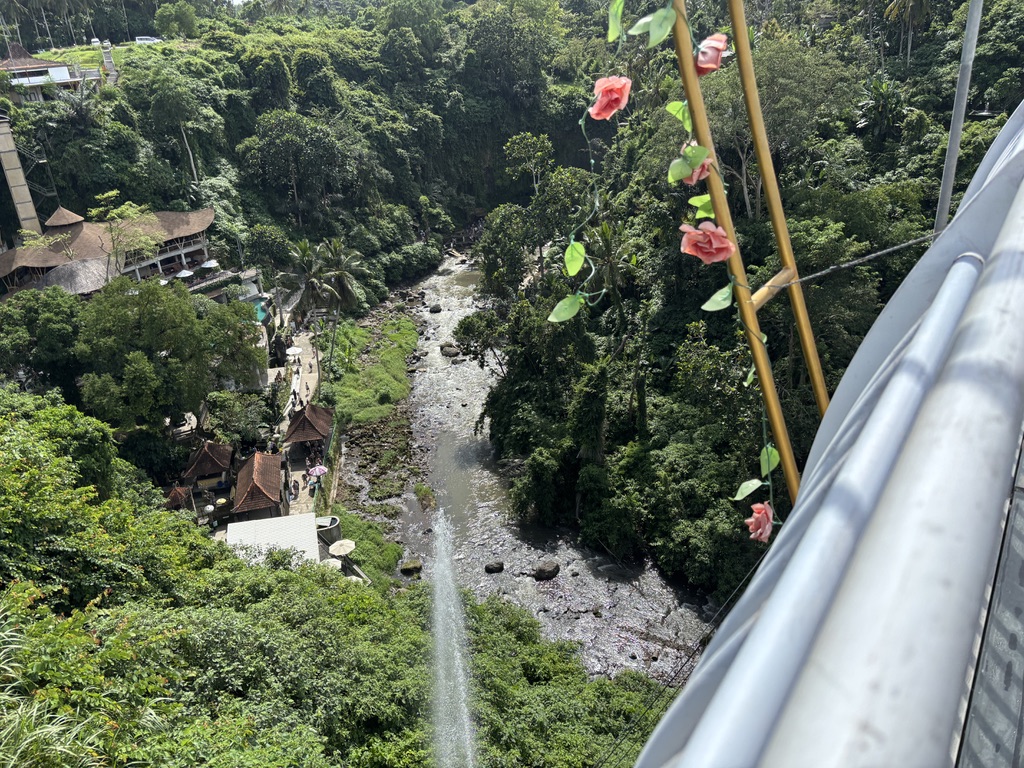
I saw some spectacular views from rice terraces, to sunsets over the ocean, beautiful waterfalls, and temple walls crawling with monkeys. I got a glimpse of the Singaporean jungle, as seen from the treetops, and the forests of Bali from a glass bridge.
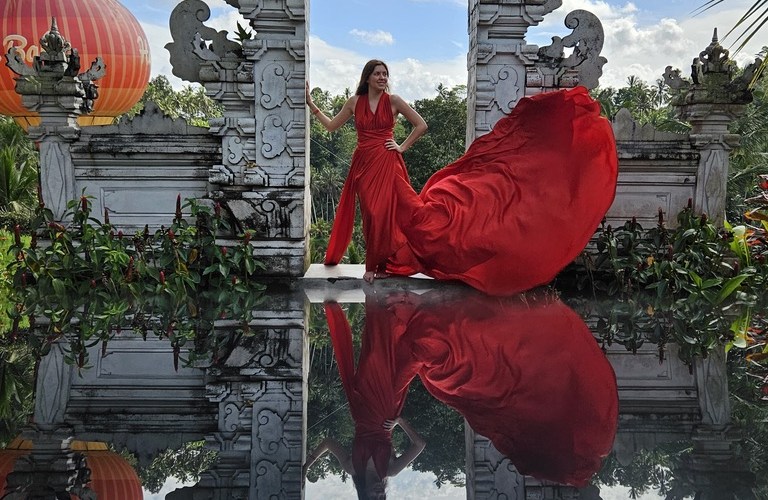
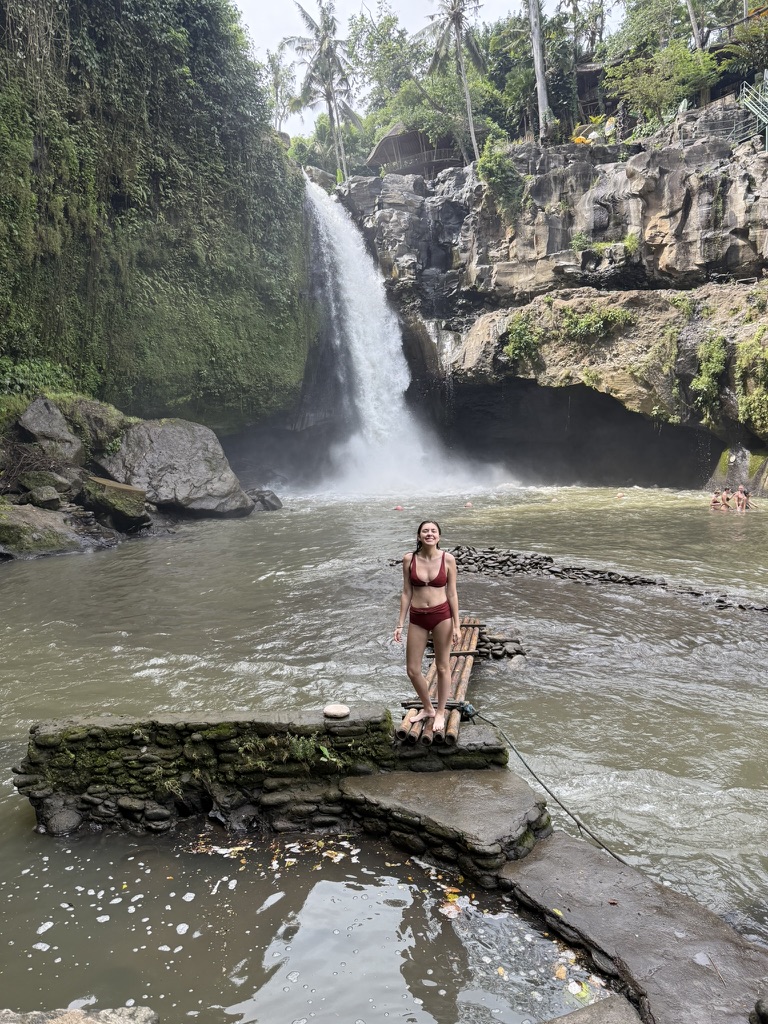
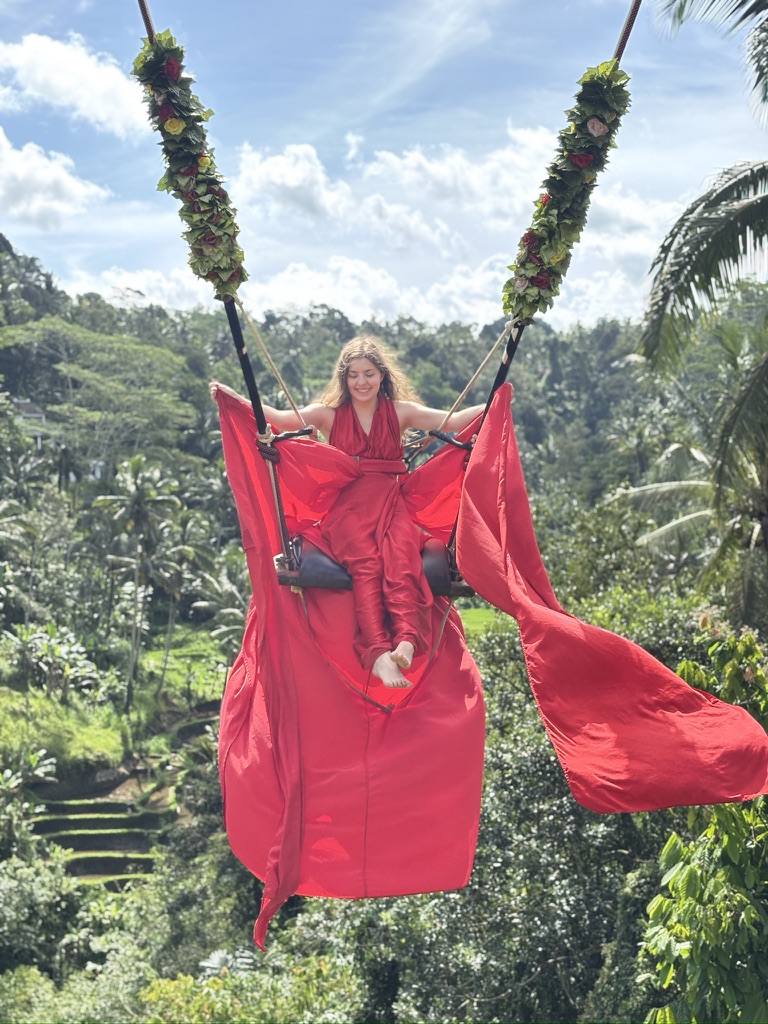
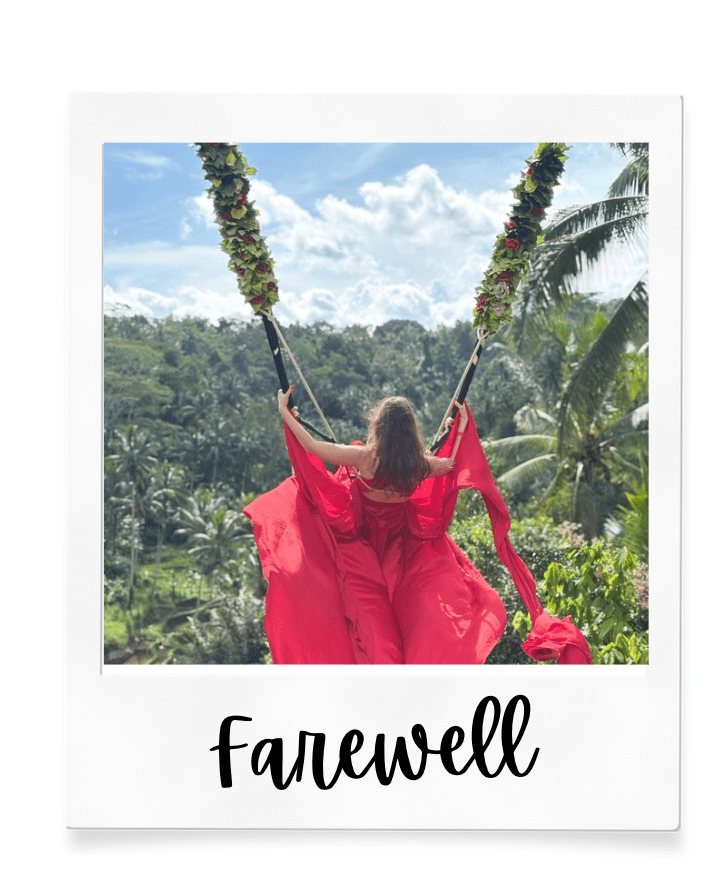
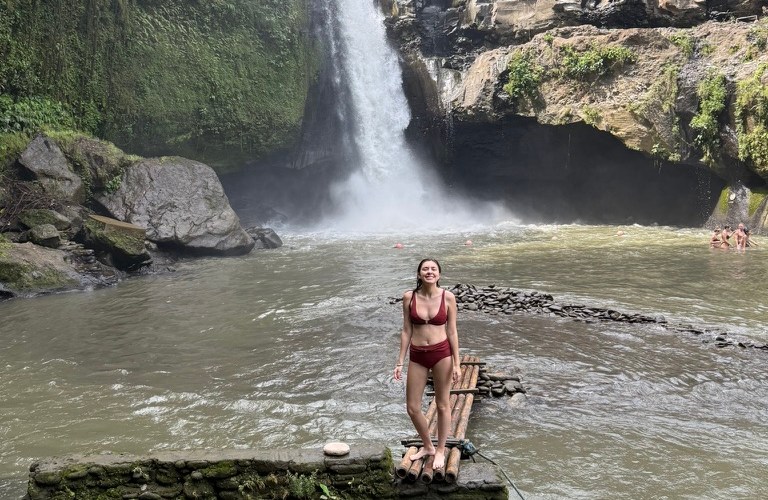
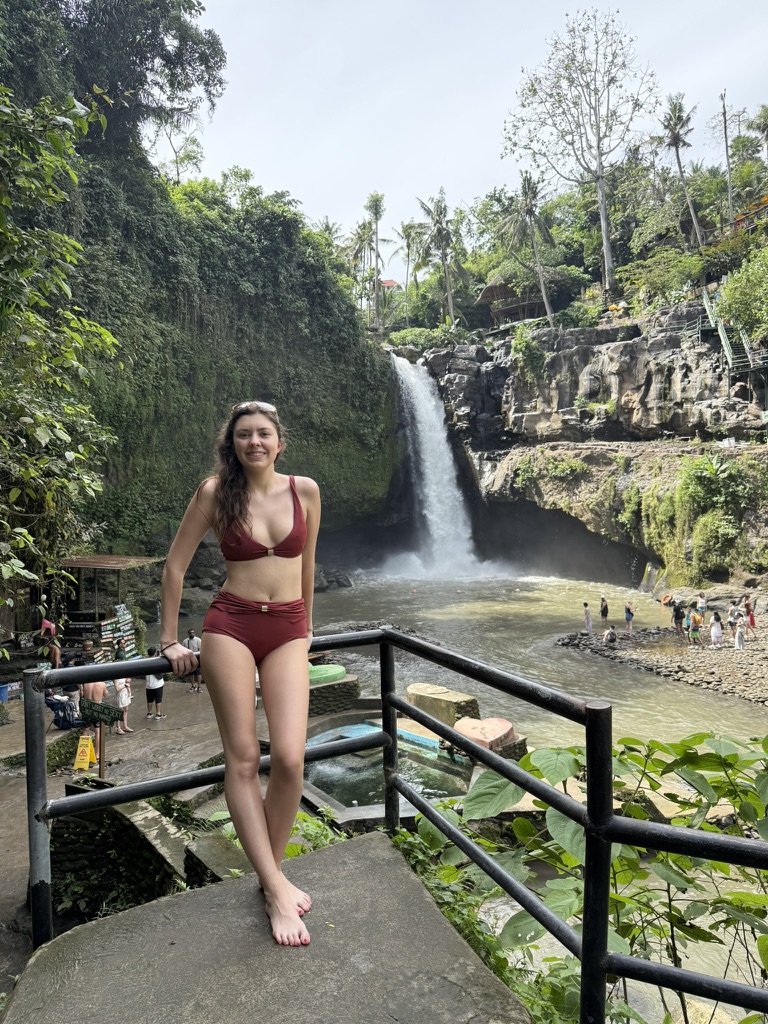
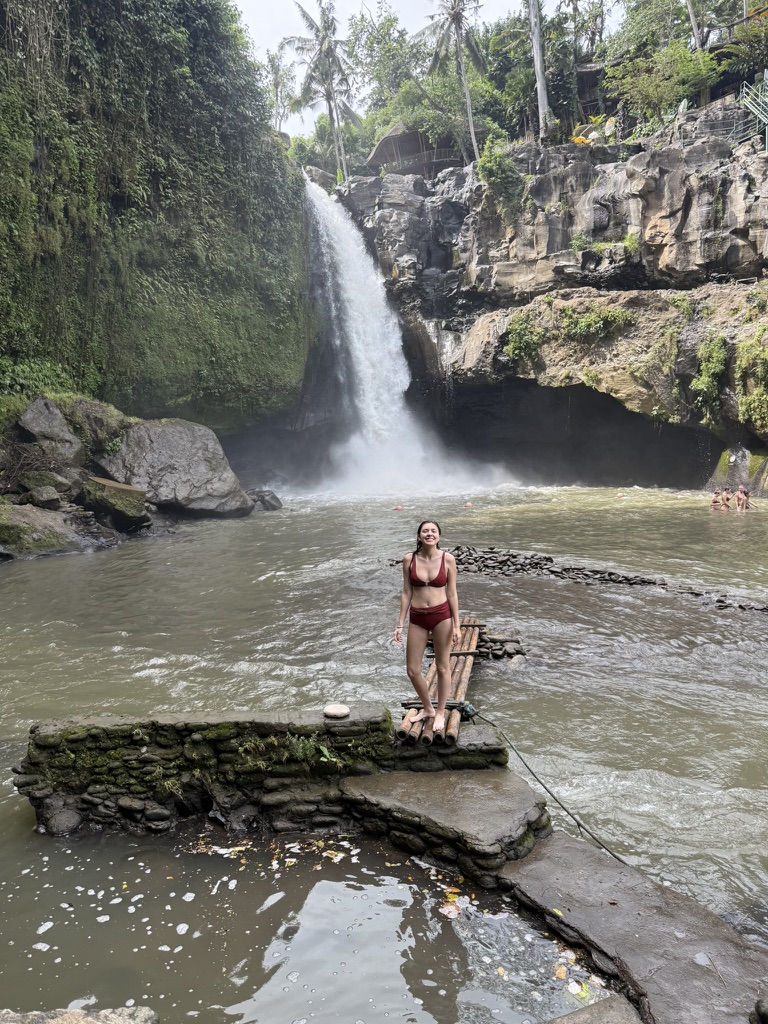
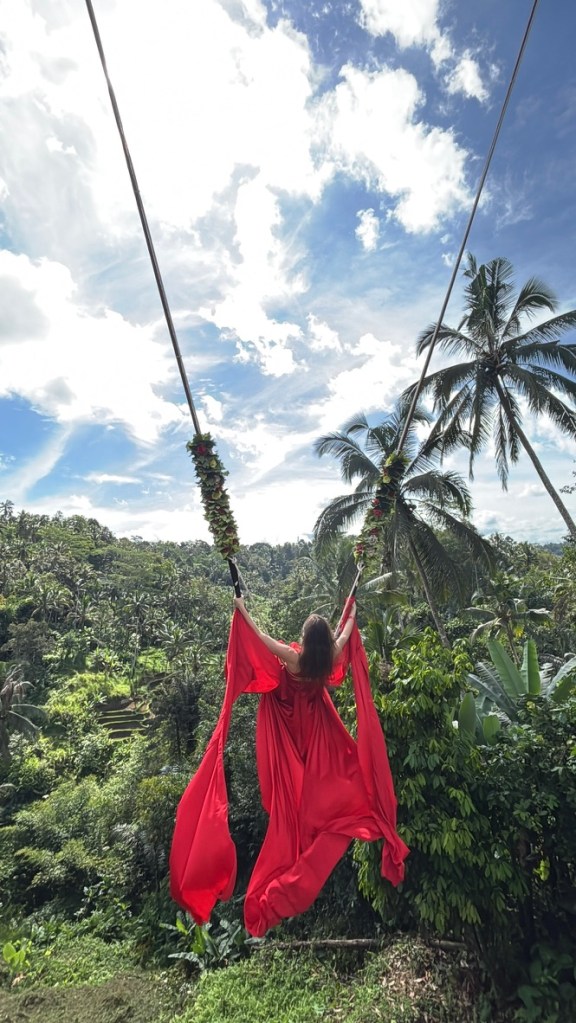
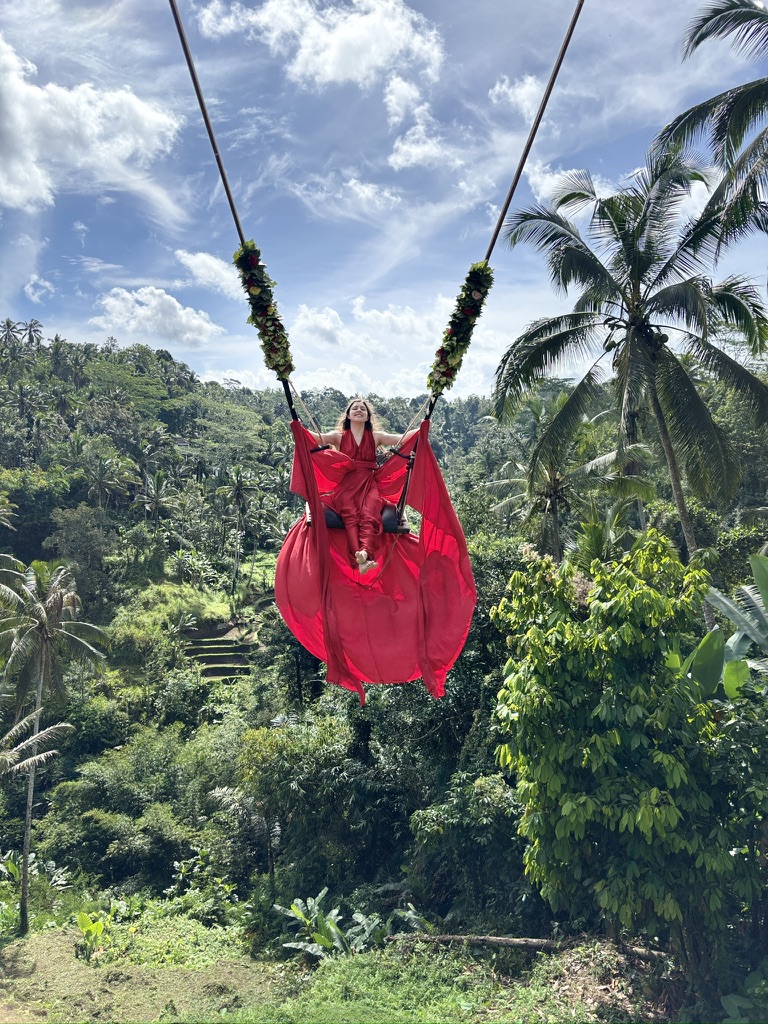
The Tegenungan waterfall in Ubud was my favorite part of the trip, followed closely by the swing ride I took in a flowy red dress.
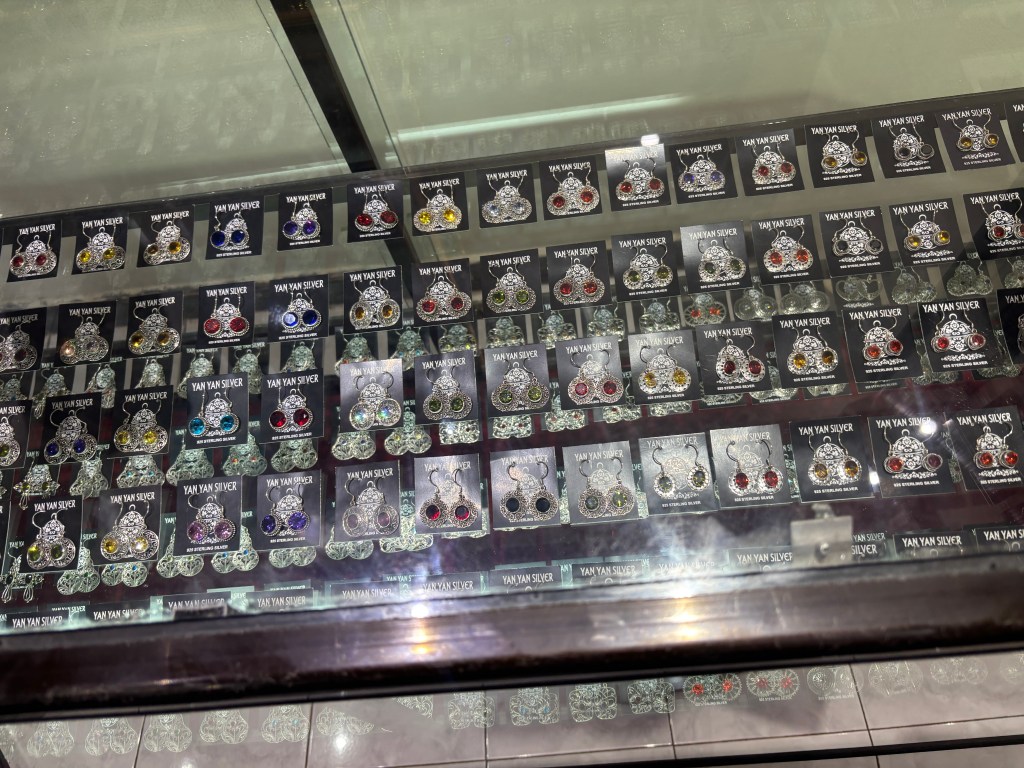
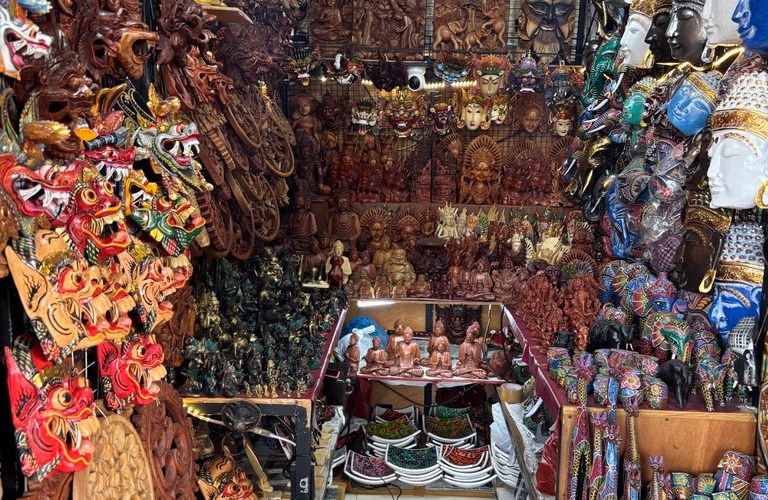
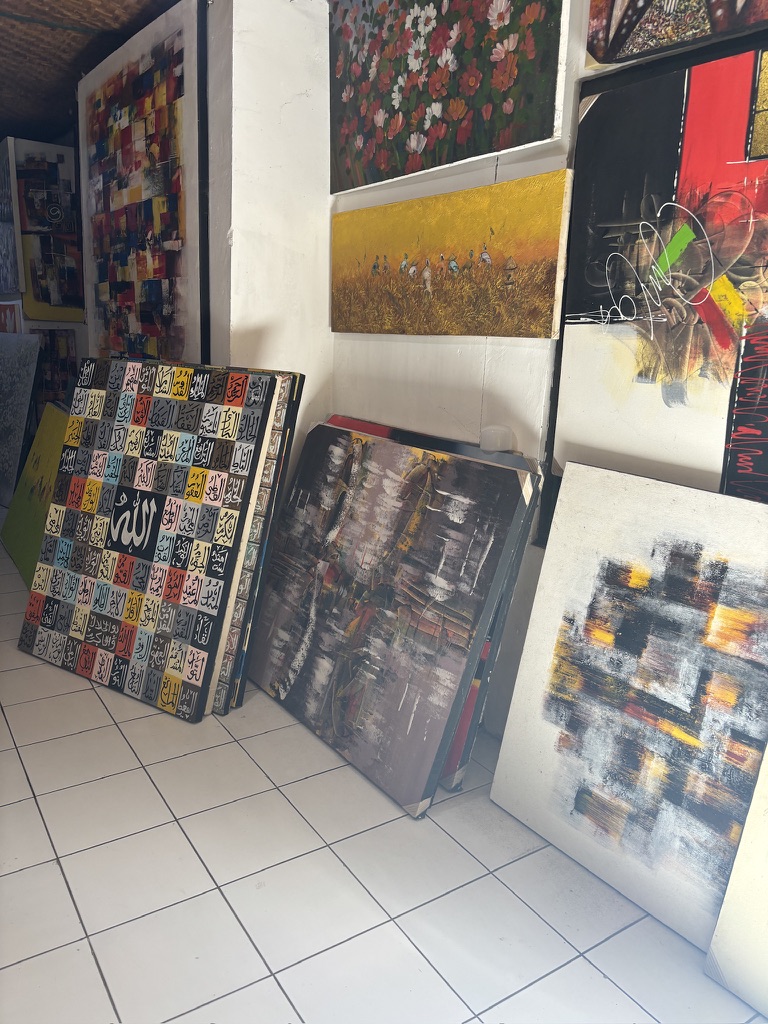
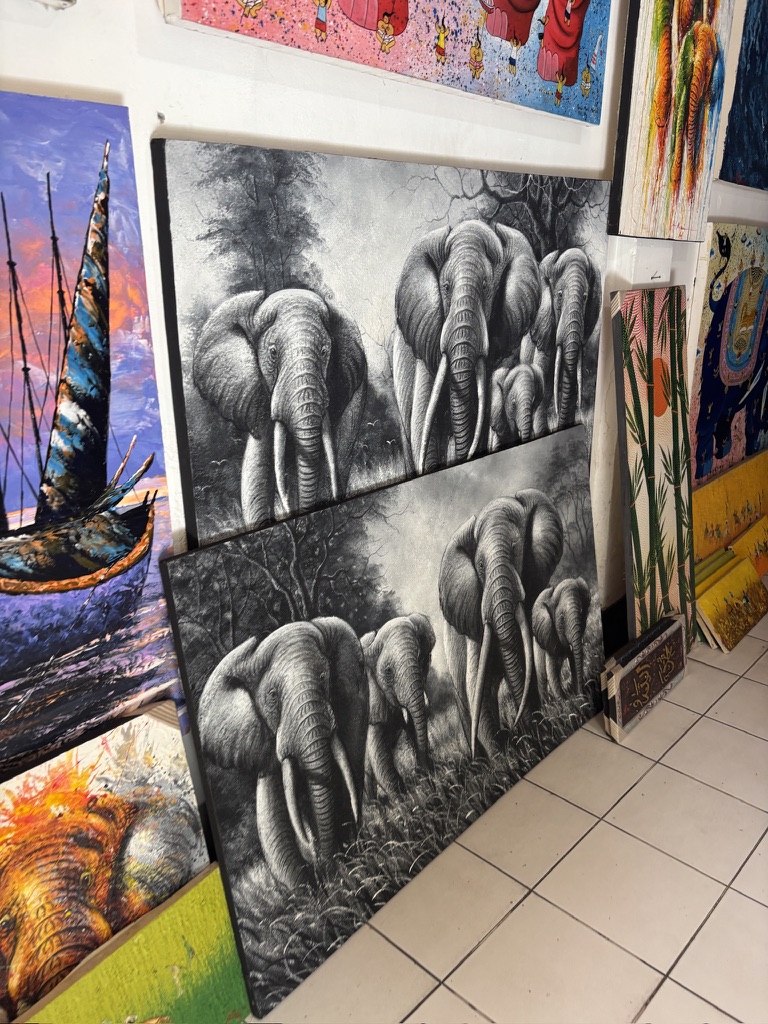
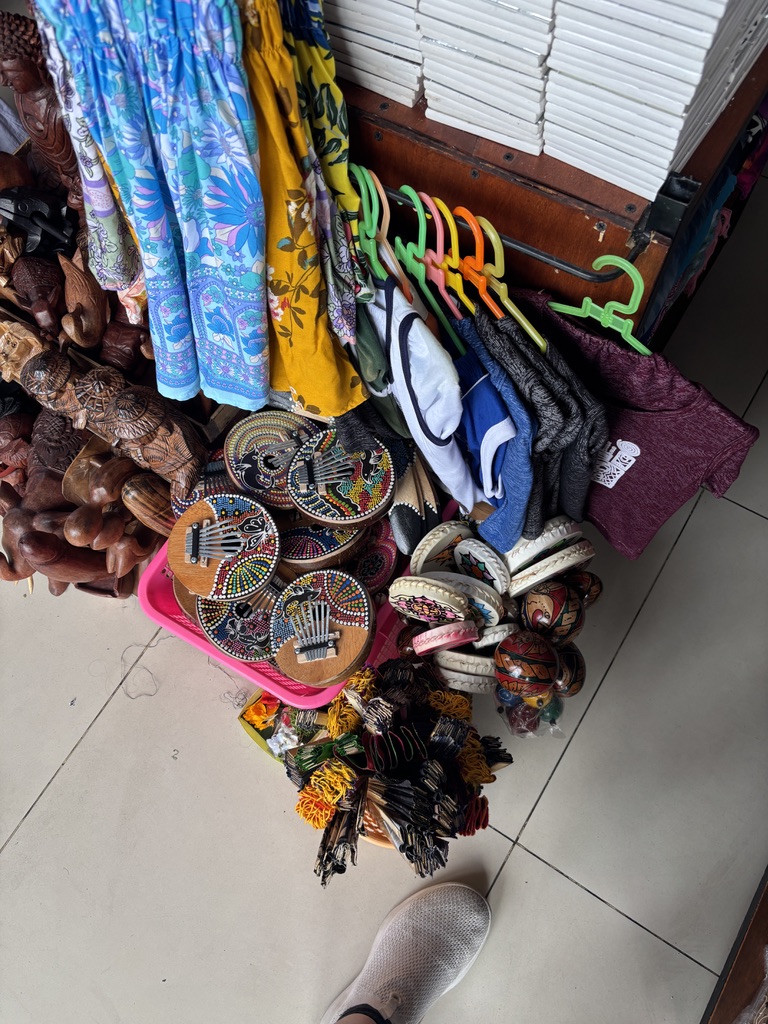
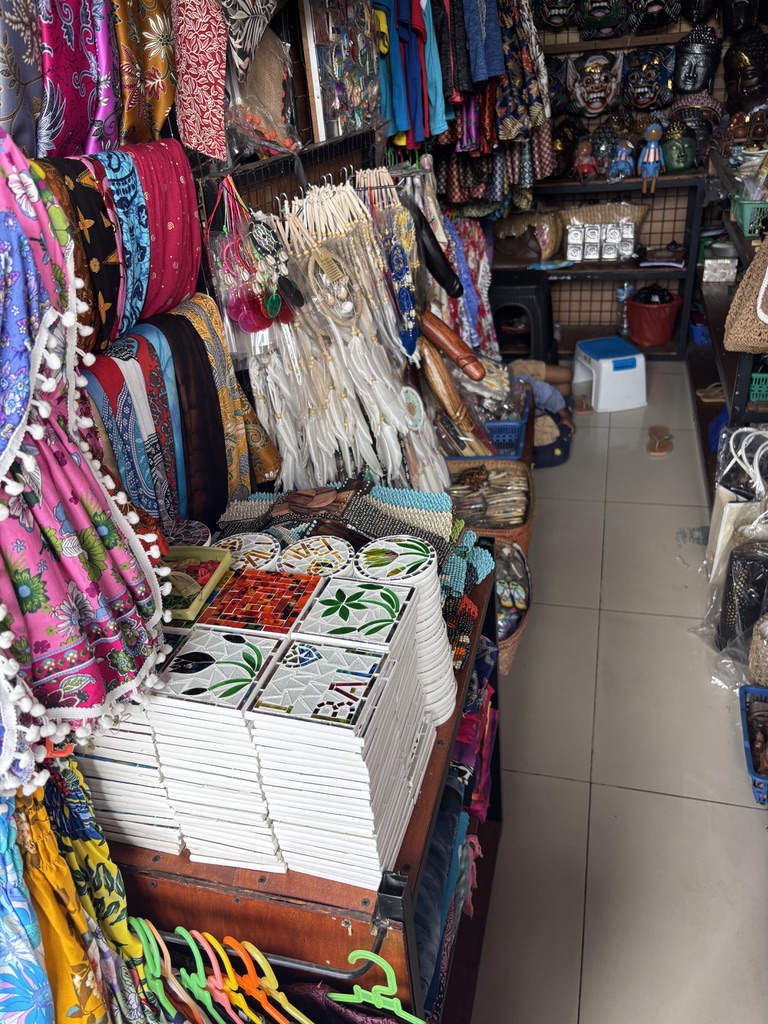
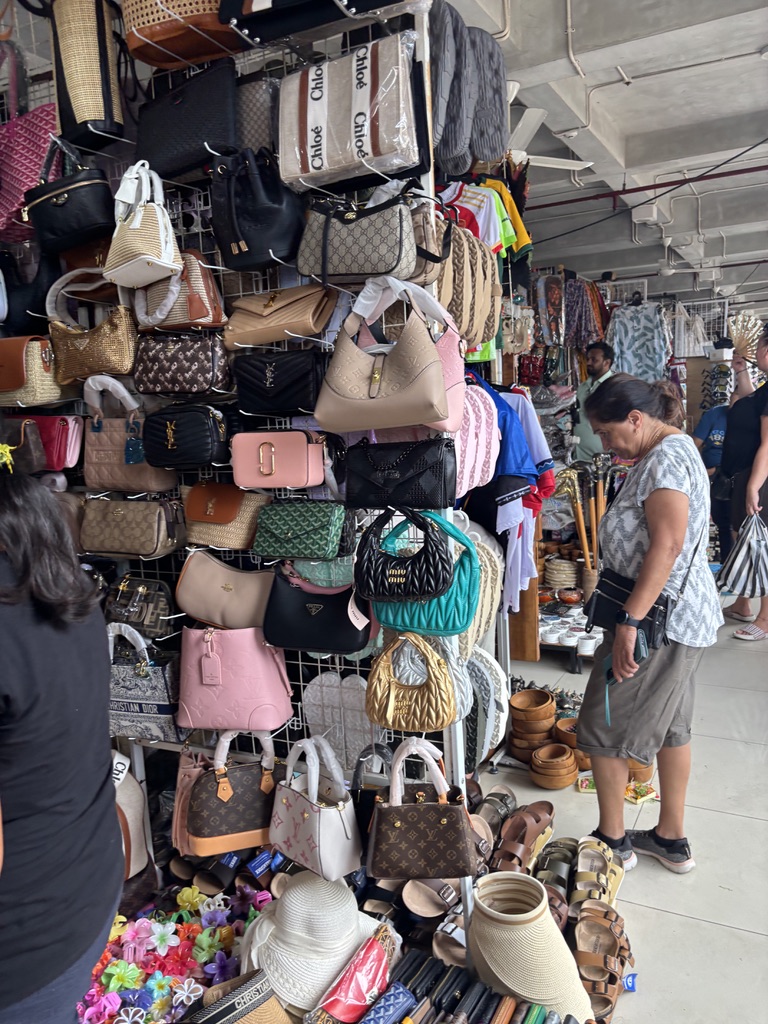
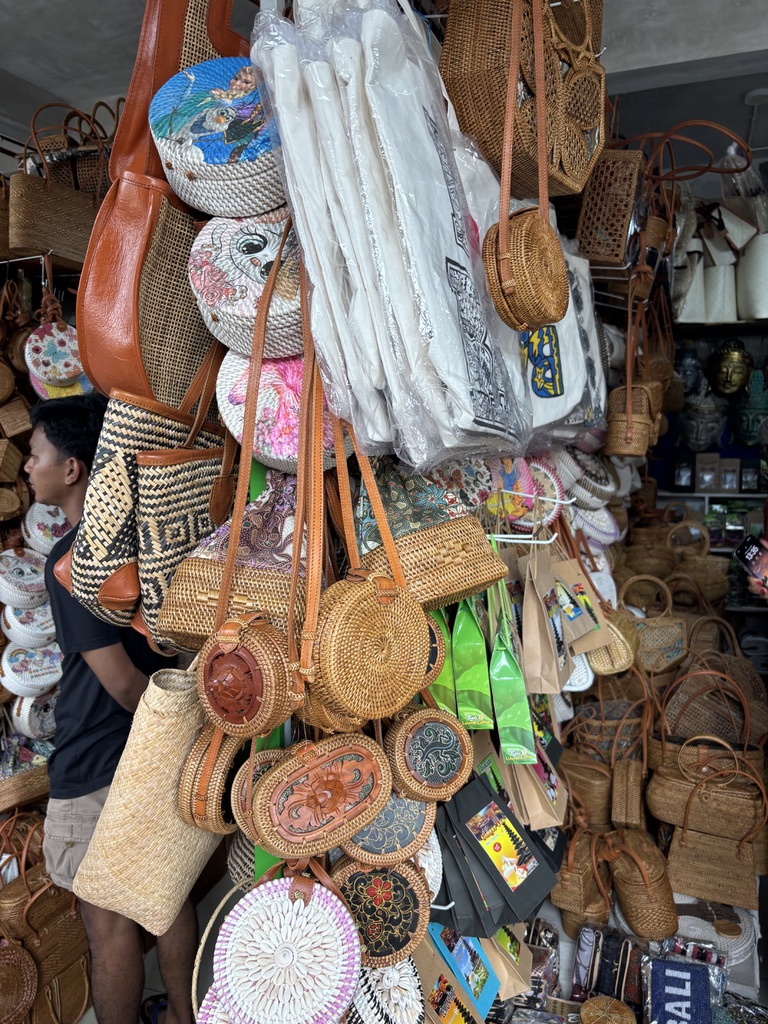
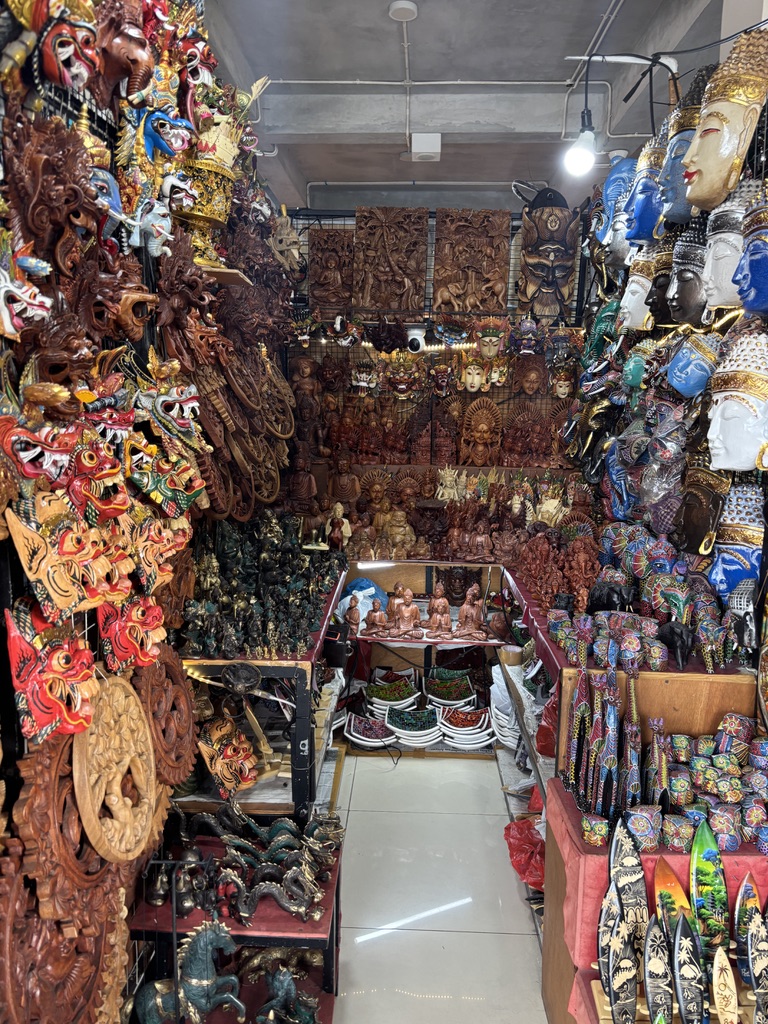
I bought many red dresses, silver jewelry, and some inauthentic, but pretty artwork, all of which I have hauled back to the states.
In Singapore, the air was fresh and hot at all times and the feeling of being there was indescribable. Bali was a tropical paradise with a bustling urban center that lives up to its name the island of the gods.
I realize how lucky I am to have been able to travel so widely so early in my life (or at all). I know that so few people in the world get this opportunity and if you’re lucky enough to travel, then you’re lucky enough.
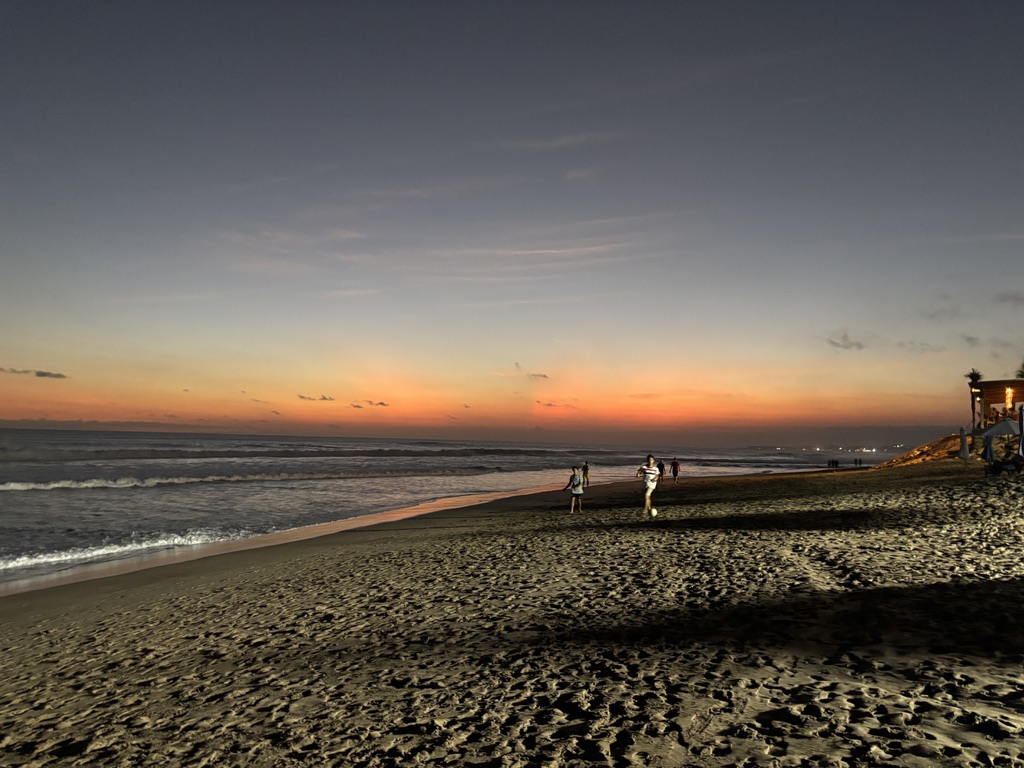
One day, I might learn how to surf and return to Bali, but until then, I’ll have the memories that I made walking down a stretch of beach in Bali with my aunt.
Thank you to my aunt and uncle for hosting me. It was truly the trip of a lifetime.
I want to go back to both Singapore and Indonesia in the fullness of time and experience more of what these great countries have to offer, but in the meantime, I will be returning to my life in New York City, ready for more American adventures.
The Tragic Queen,
Raquel
P.S.: Check out how I spent my favorite day in Bali
On our main day out, my family ventured out of Seminyak to go to Ubud, a town in Bali known for its artisanal crafts and beautiful landscapes.
We started our day with a stop at a jewelry store. (Silver is incredibly cheap in Bali and so no trip would be complete without buying a few rings and earrings).
After that, we set about exploring.
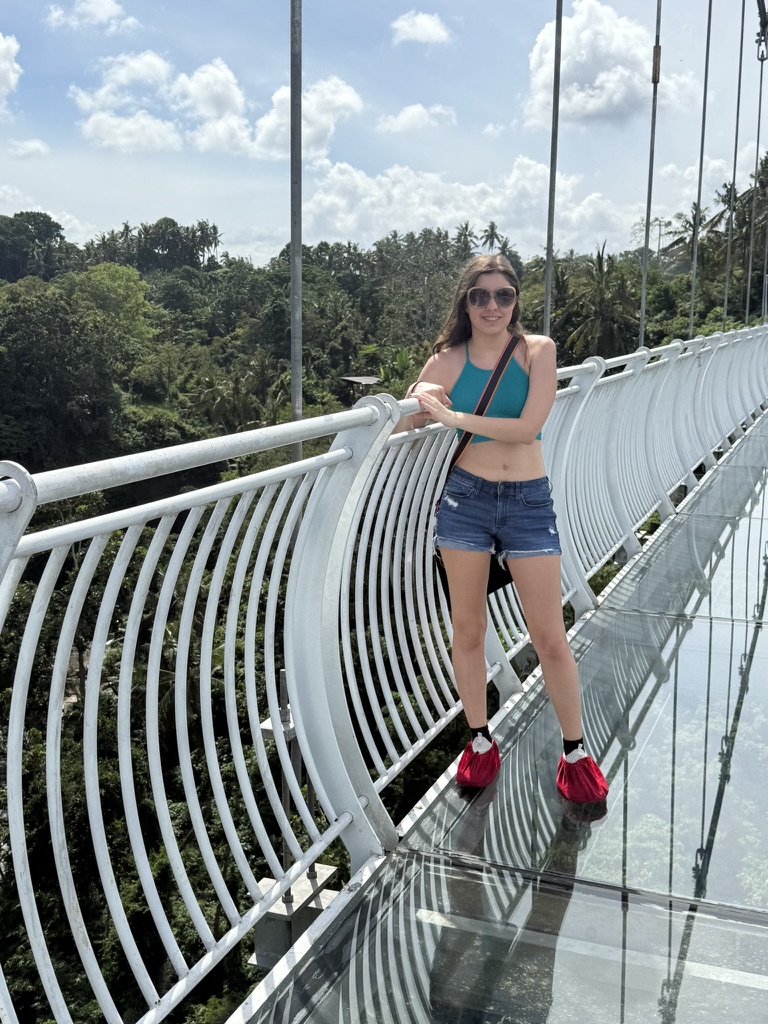
My aunt and I were very brave and went to check out a glass bridge overlooking a gorge and treetops. While it was mildly concerning to walk across something made entirely of glass, we enjoyed seeing Ubud from a whole new angle.
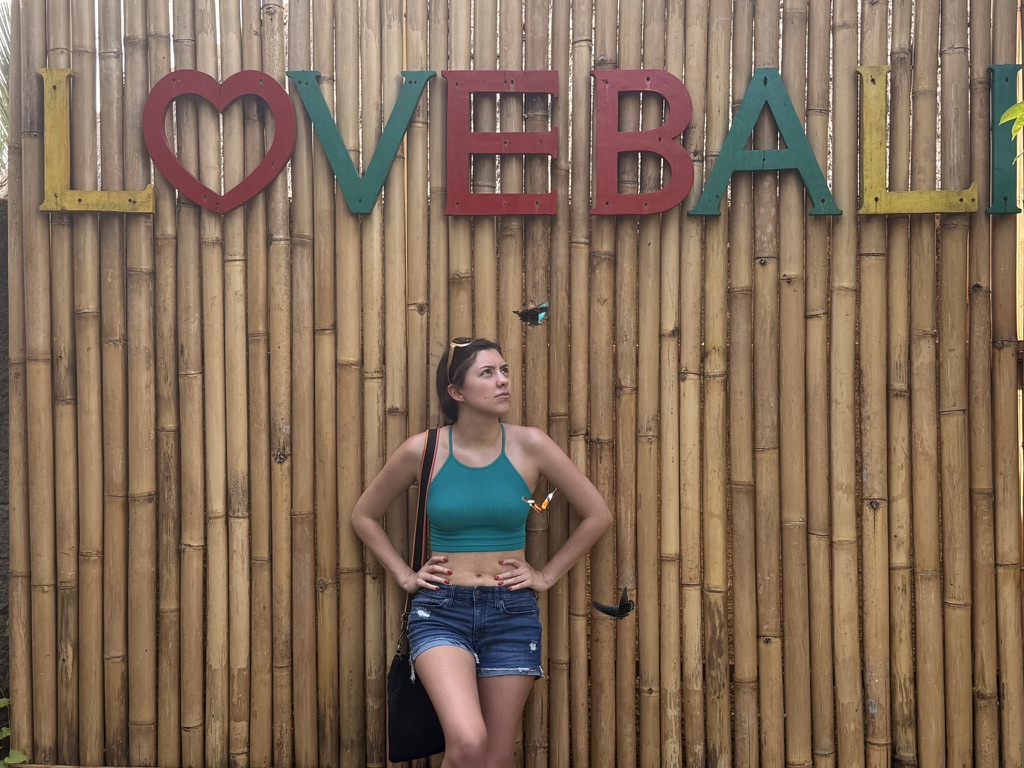
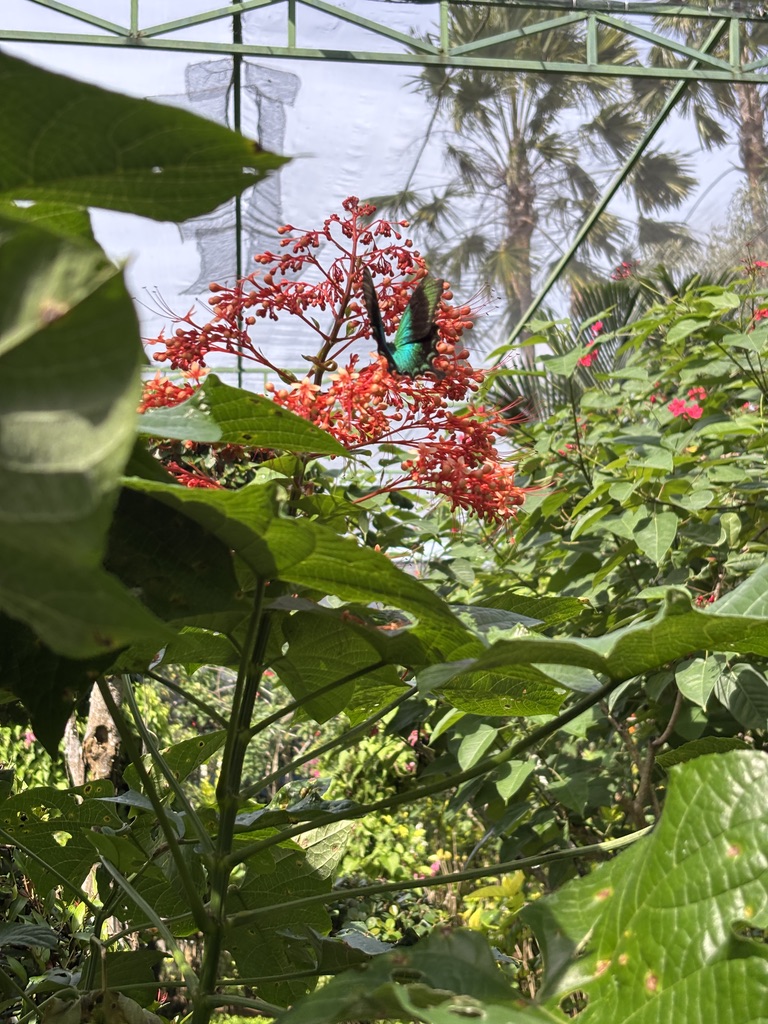
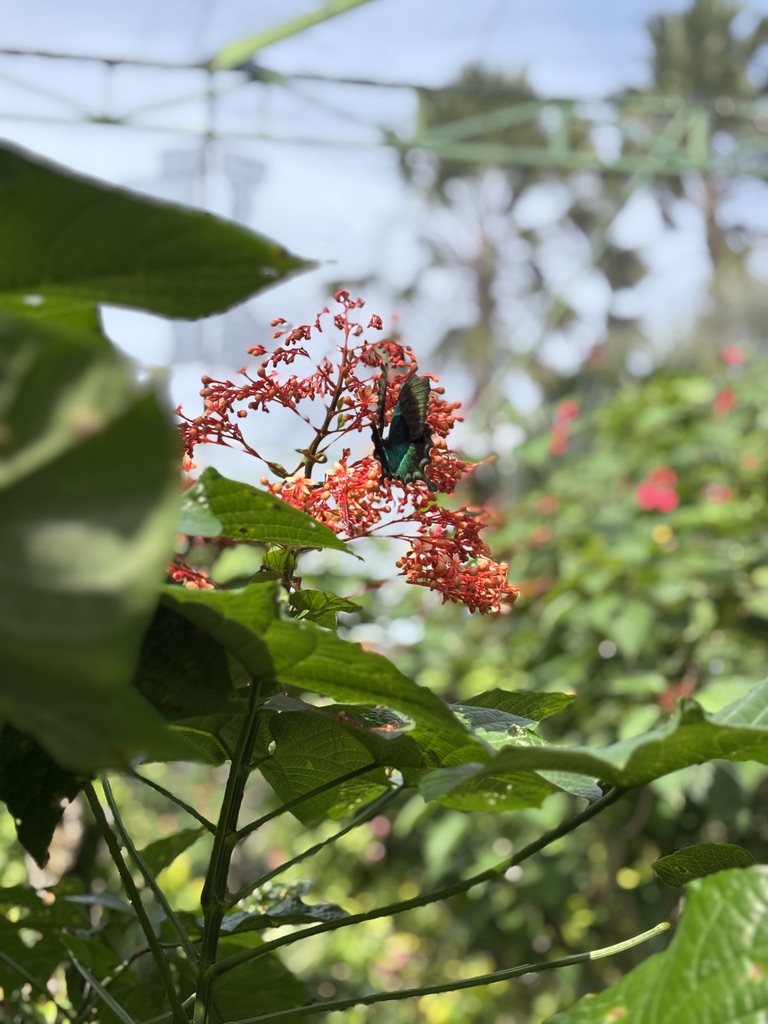
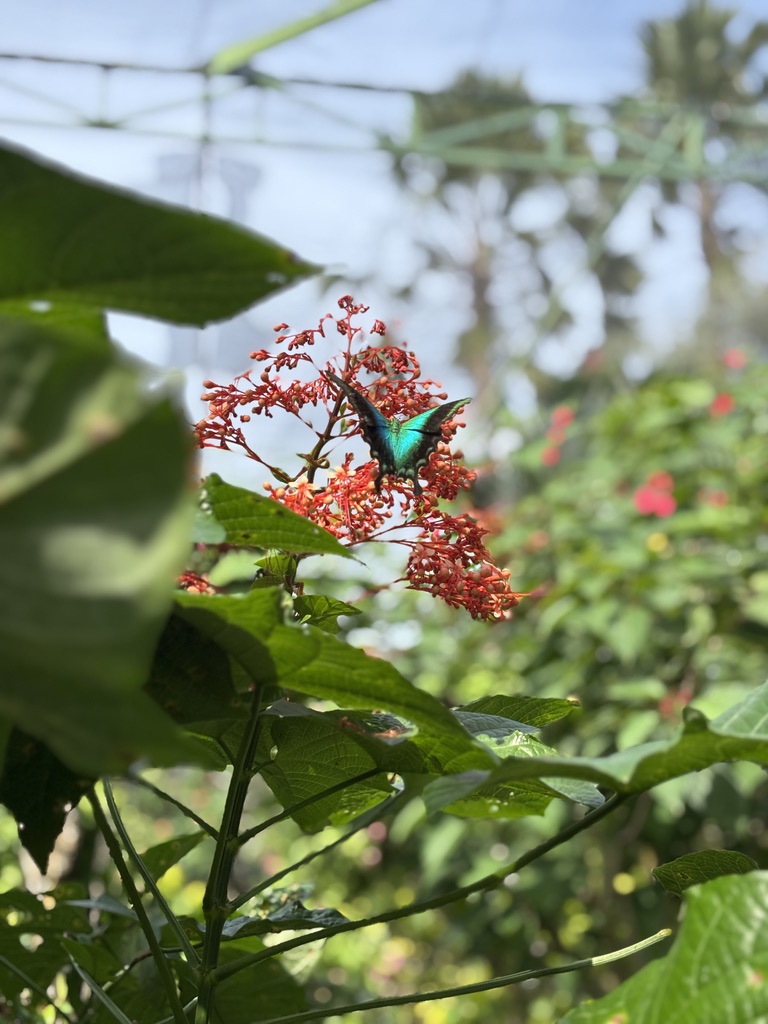
From there, we took a stroll through The Kemenuh Butterfly Park where we saw butterflies nuzzling into all of the flowers that lined the garden paths.
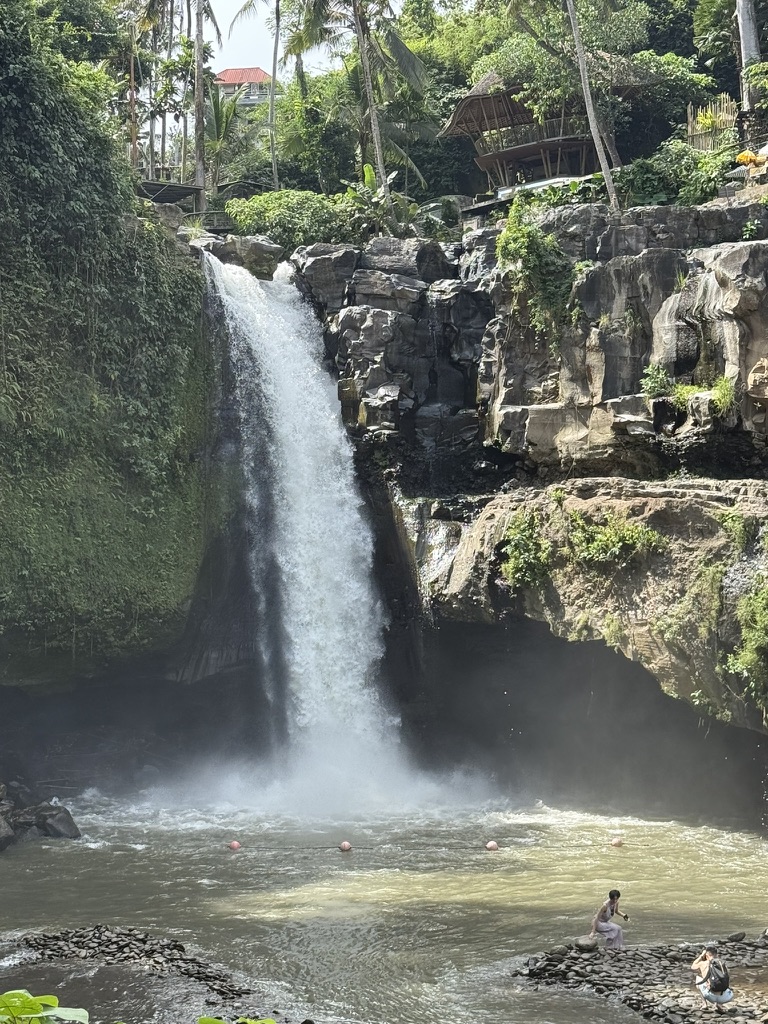
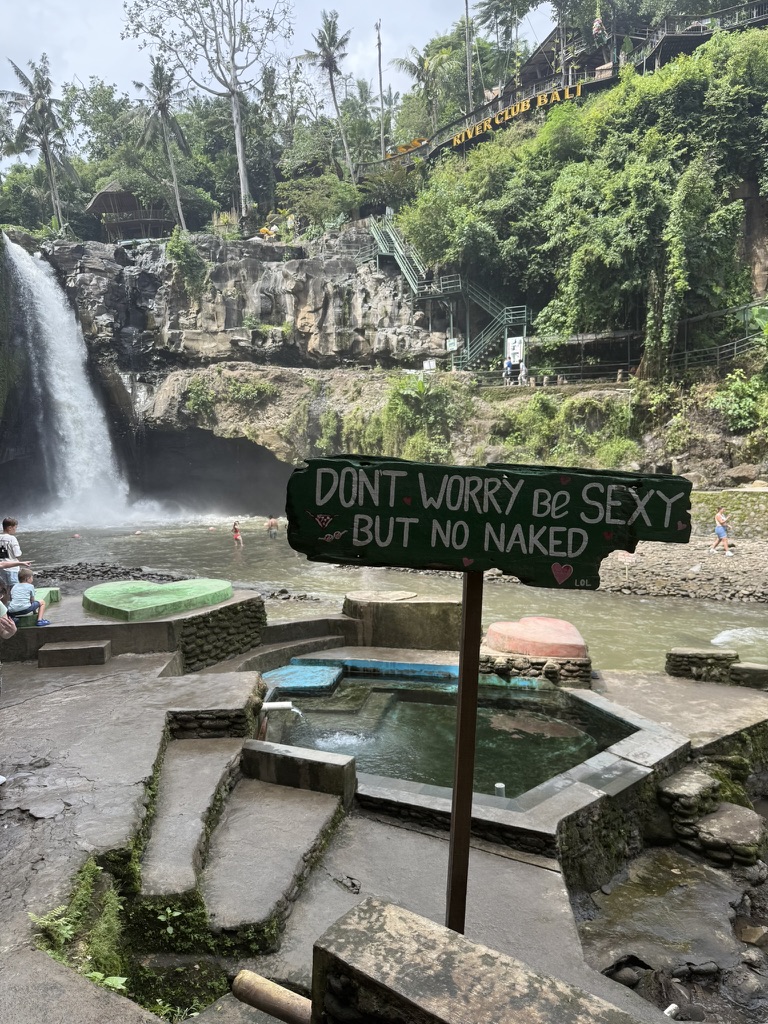
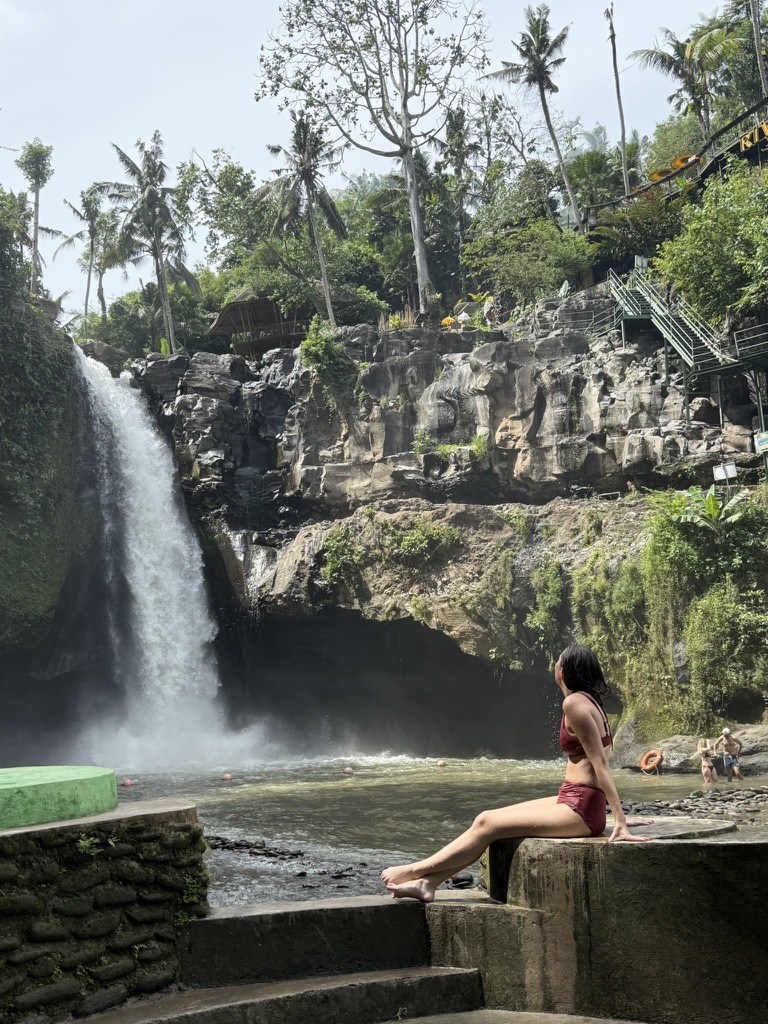
After a hot day walking through Ubud, we decided to cool down at the Tegenungan Waterfall. I had known that I wanted to go to a waterfall when visiting Bali. I was told that it was a must-see experience when visiting the country.
The waterfall in question is buried a little ways into the jungle, but with changing stalls like at a water park.
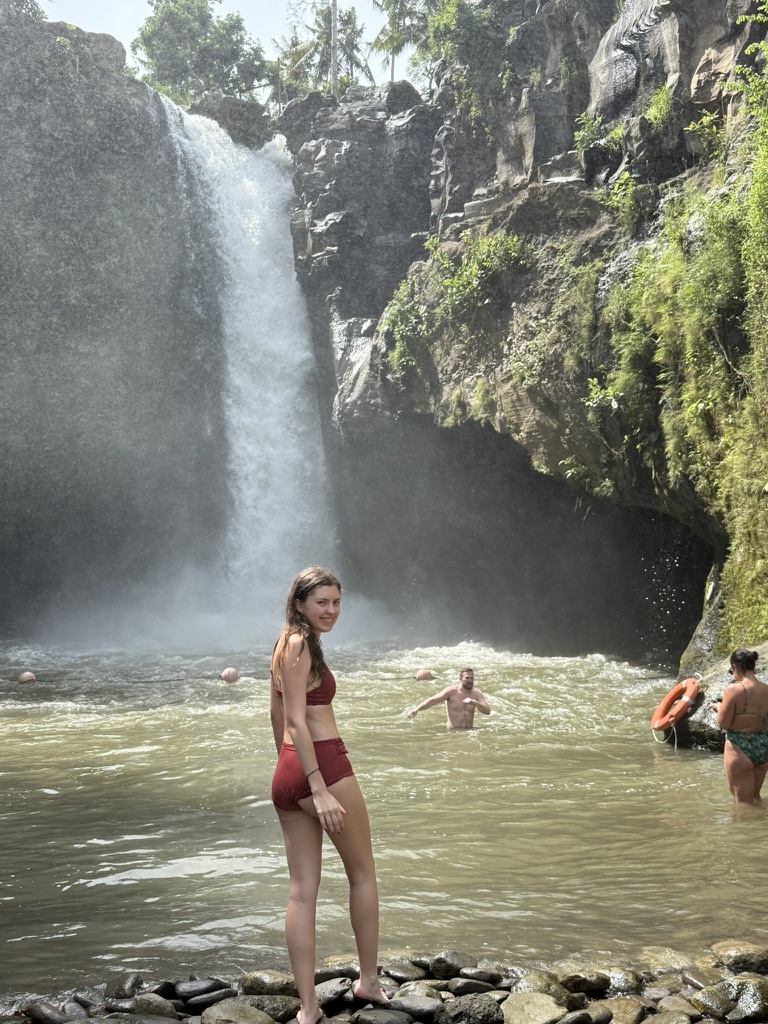
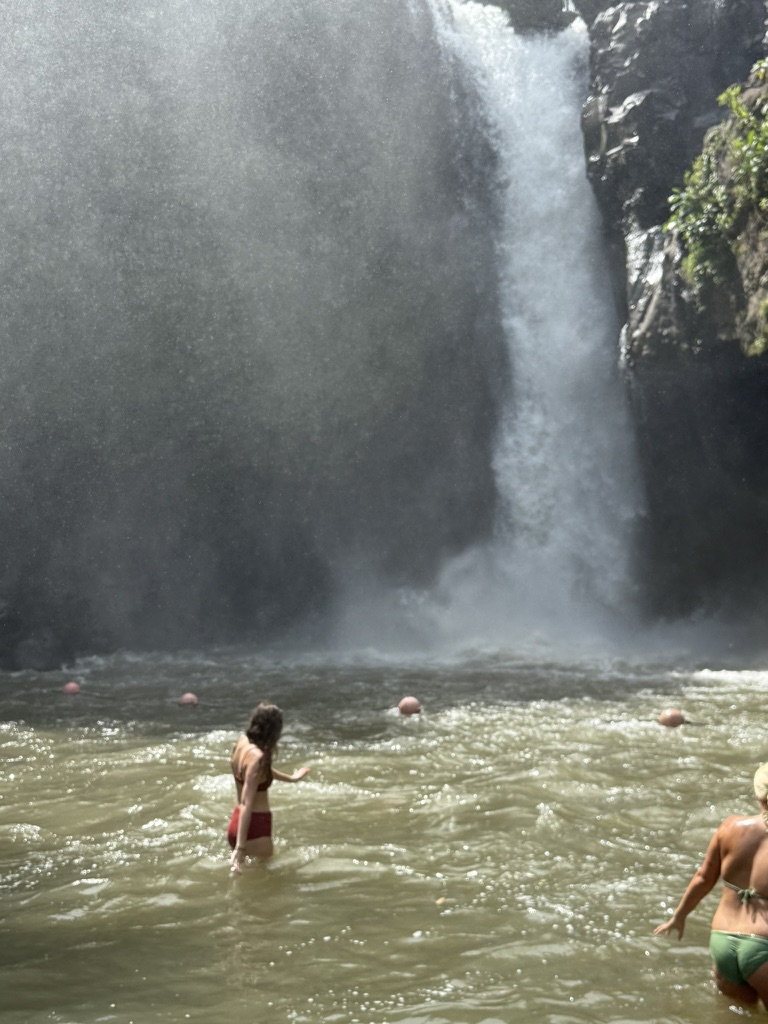
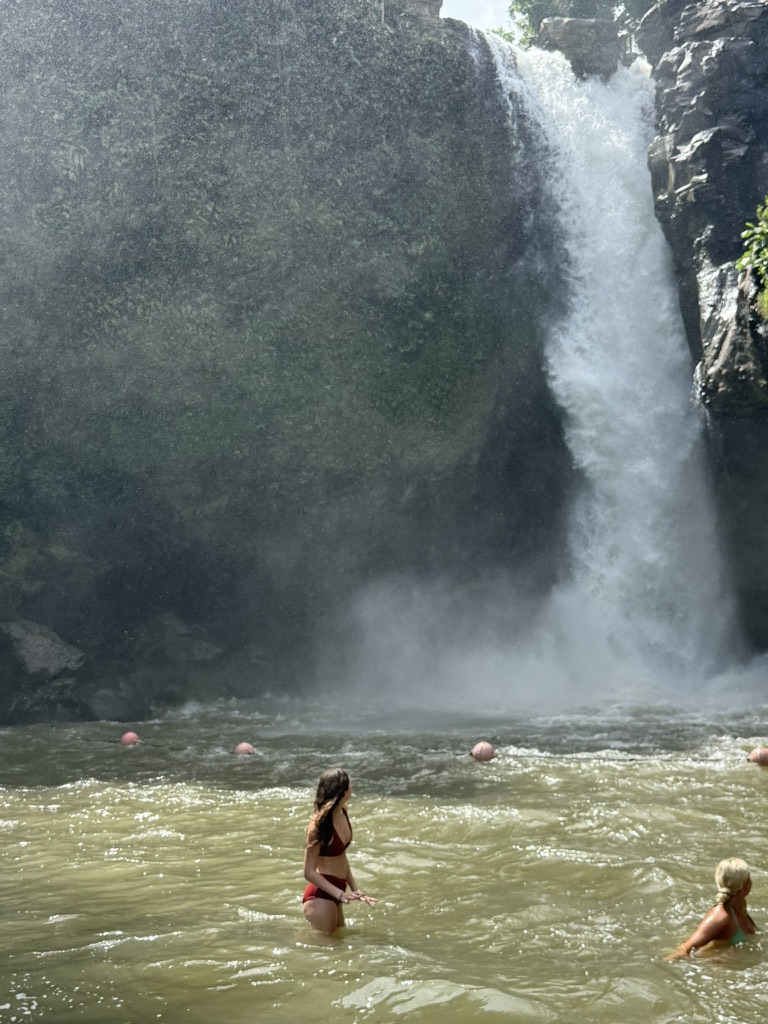
The place was full of tourists milling around in the water, all of us overjoyed by the waterfall scaling the cliffside in front of us.
I walked across the mini bamboo bridge and then a patch of rocks, before getting into the water. Plunging my head underwater felt like being baptized. My body became instantly cool, making the hot and sweaty trek down the hillside to the waterfall completely worth it.
I swam as close as I could to the waterfall, feeling the cool spray come off it. The little bit of water that got in my mouth tasted earthy and even a little sweet.
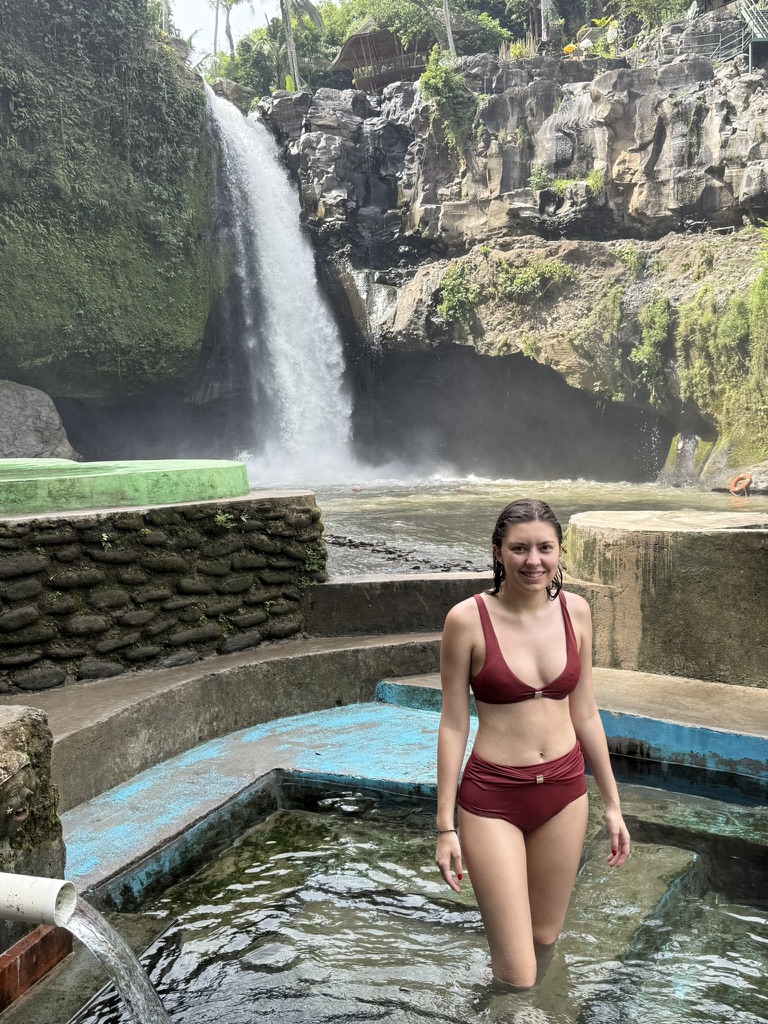
After I was done swimming around the waterfall, I got into the surrounding pools. It made for a refreshing end to a long, hot day.
The waterfall was, without question, my favorite part of the trip.
I’m not sure what is so magical about seeing a waterfall. It might just be the abundance of nature staring you in the face or it just might be that it is pretty to look at. Either way, it was the type of bucket list material that I had hoped to do while traveling.
In order to get into the water, you have to walk over some rocks, so I recommend river shoes. This destination mostly served as a photo-op for tourists, but if you’re lucky enough to go to the Tegenungan Waterfall, be sure to take a dip.
The Tragic Queen,
Raquel
P.S.: Check out my most recent blog post about my trip to a monkey sanctuary
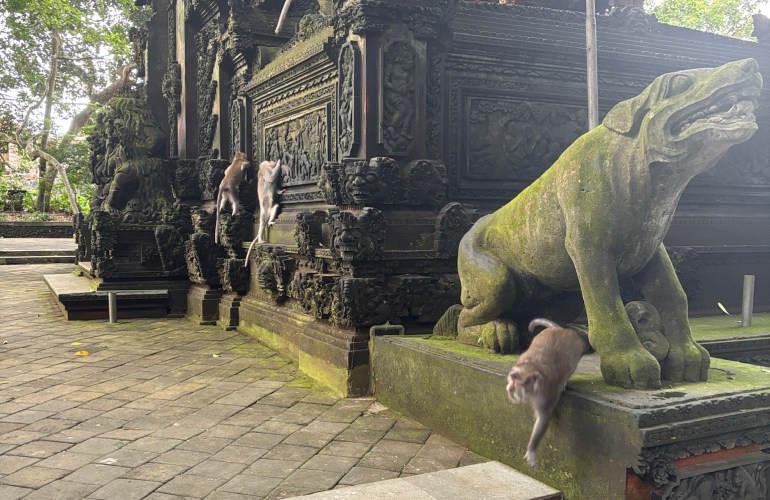
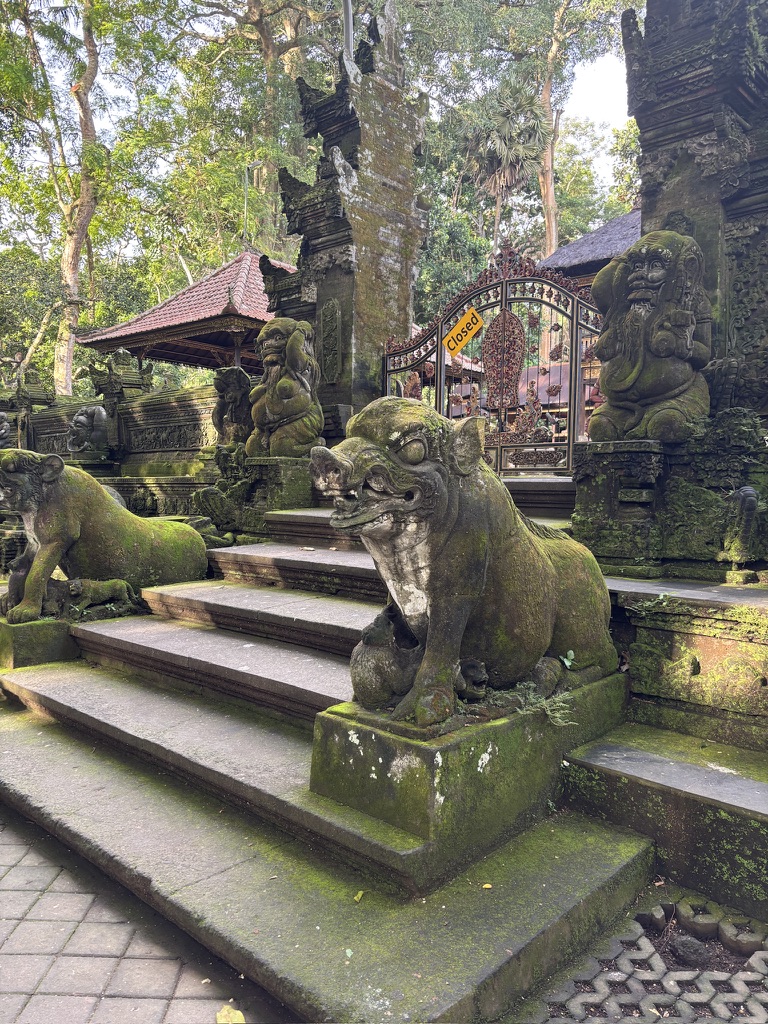
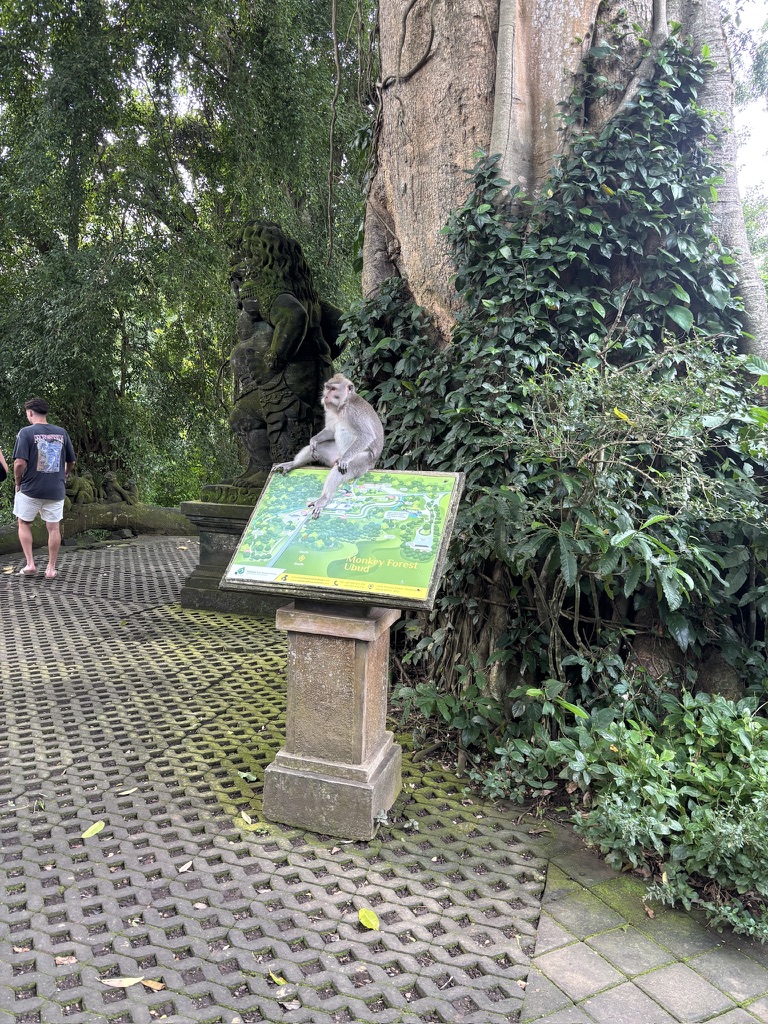
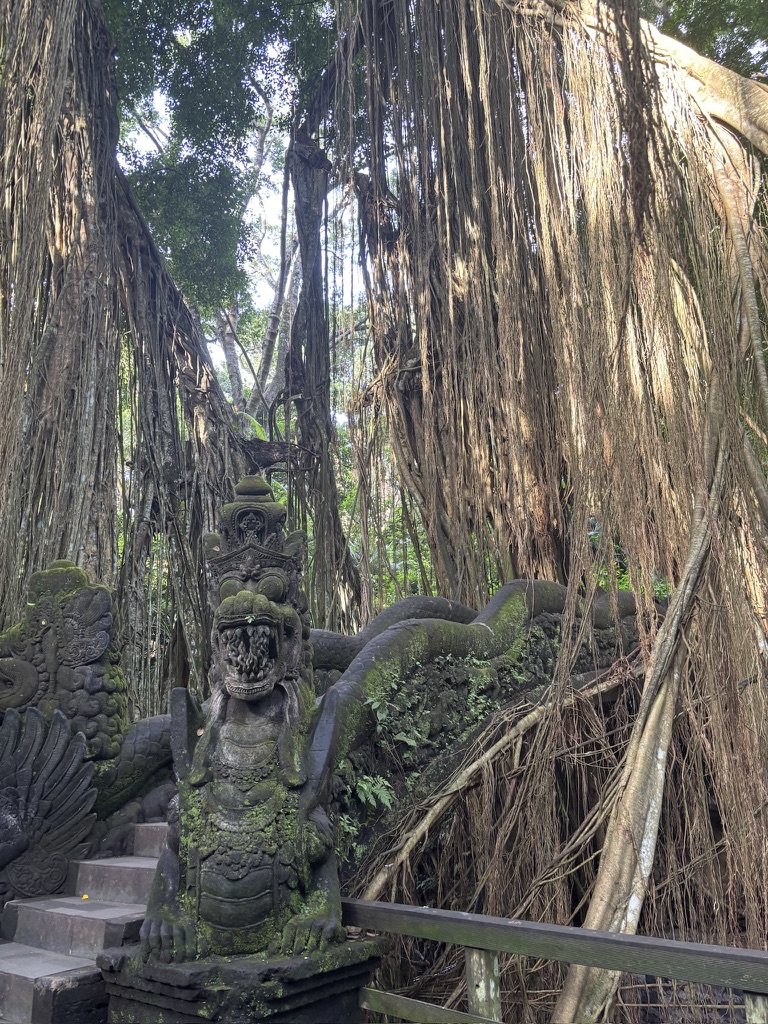
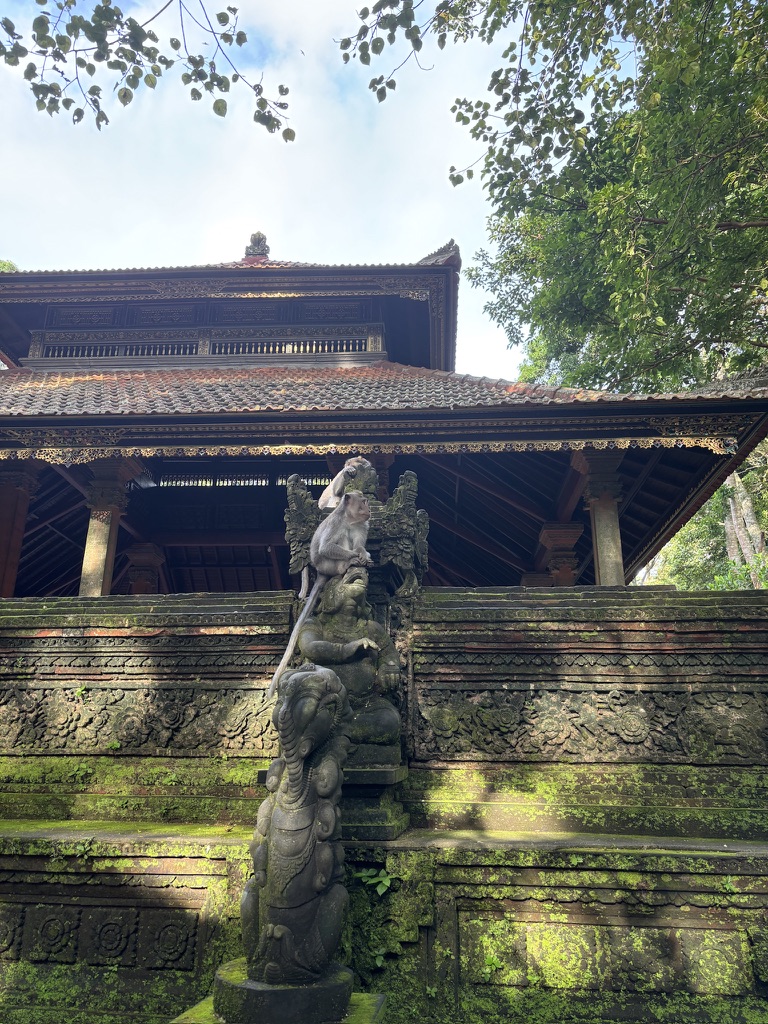
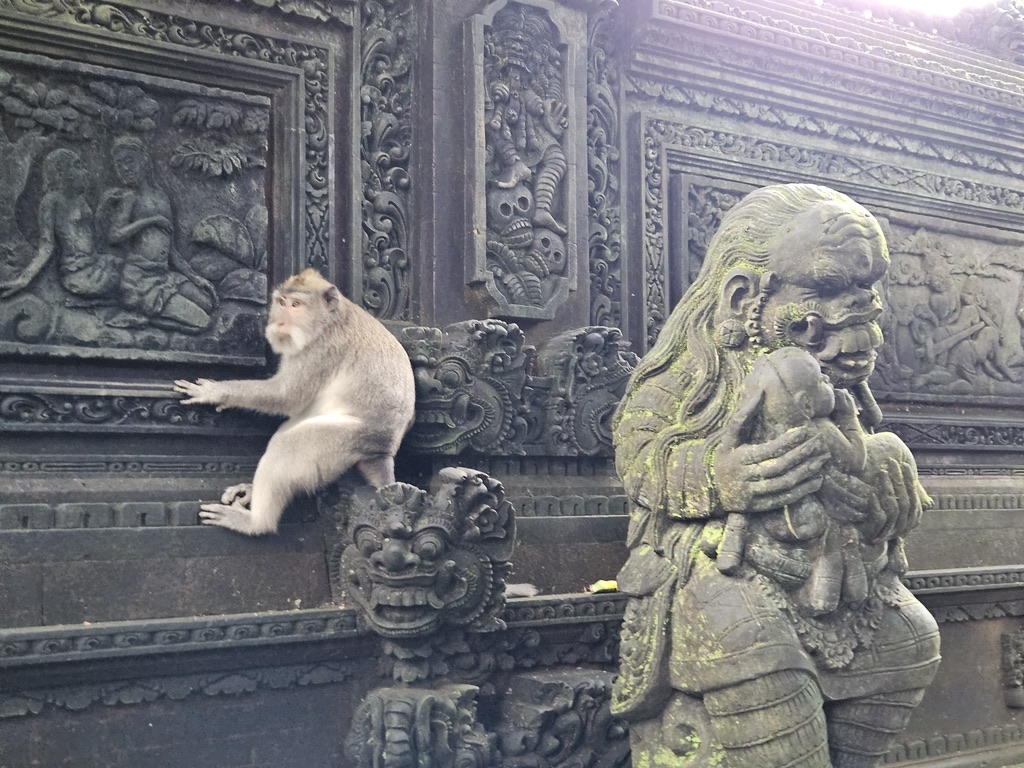
Mandala Suci Wenara Wana, otherwise known as the Monkey Forest is a series of former Hindu temples, tucked in the mountains of Ubud. It is a combination of three Hindu temples, constructed sometime around 1350, that have since been turned into a monkey sanctuary. Nowadays it is referred to as the monkey temple and is one of the country’s most popular tourist attractions.
It was impossible not to see why.
This might seem like the kind of place that you would read about on the internet then show up to and see about three monkeys. It is not like that at all.
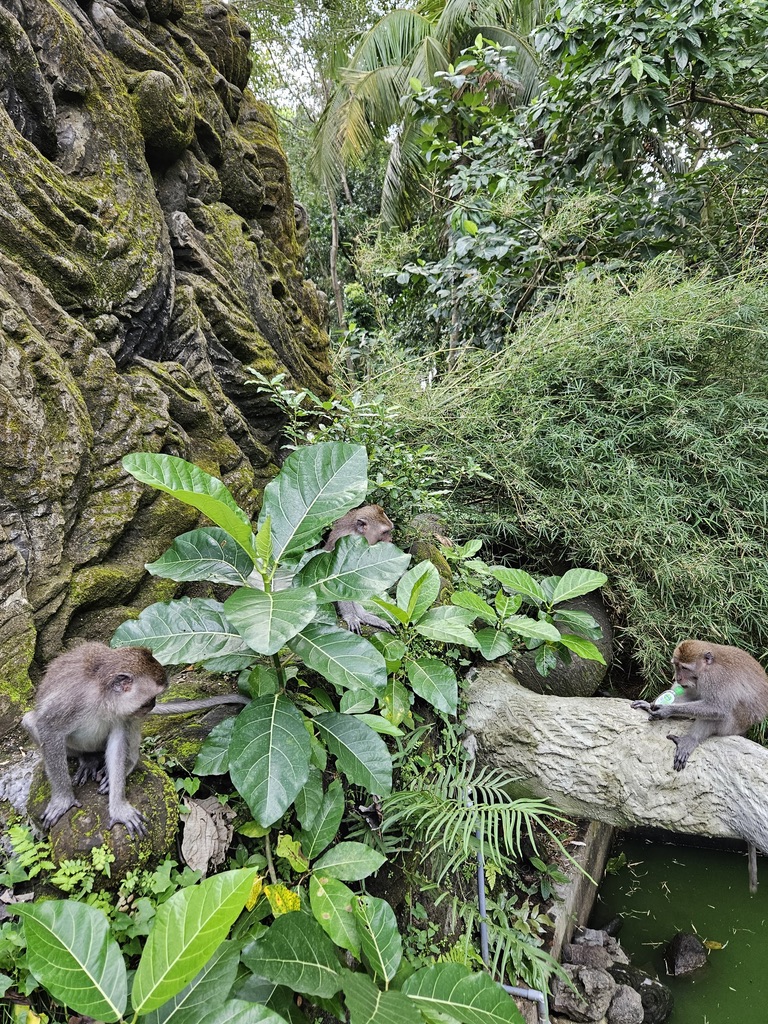
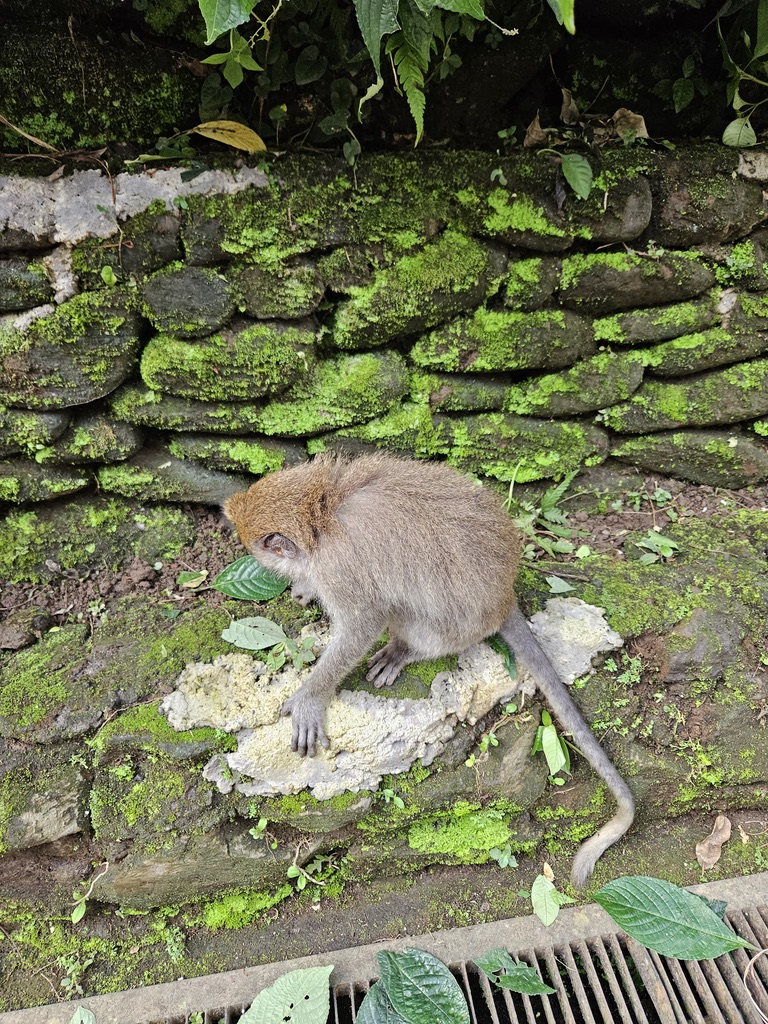
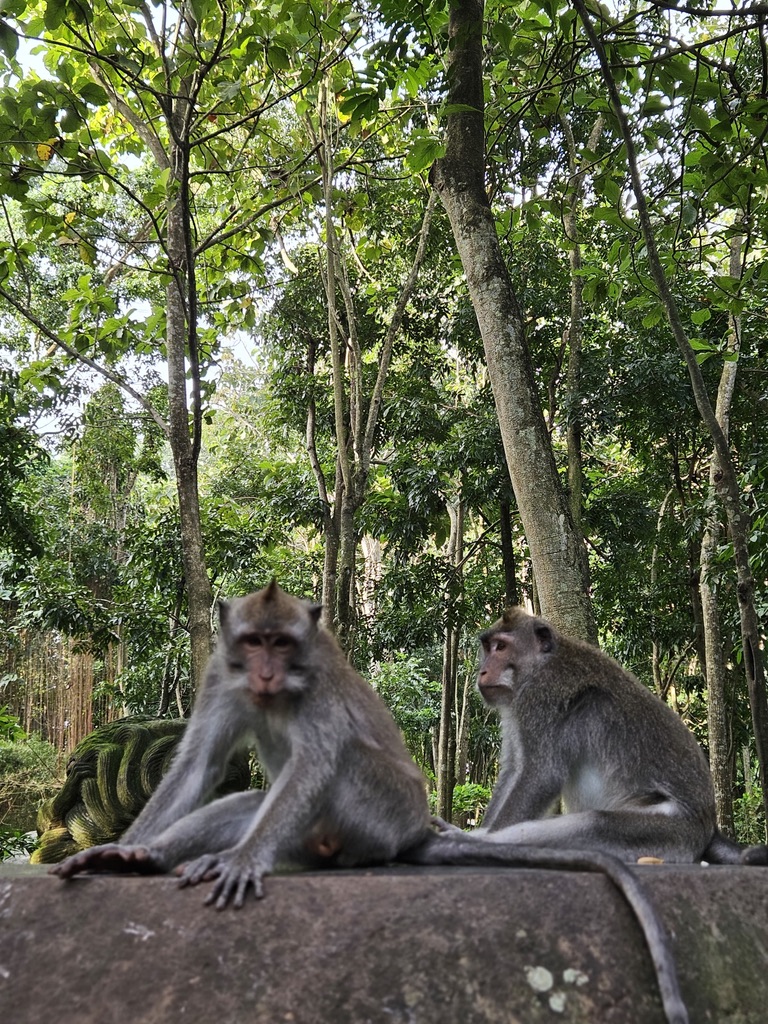
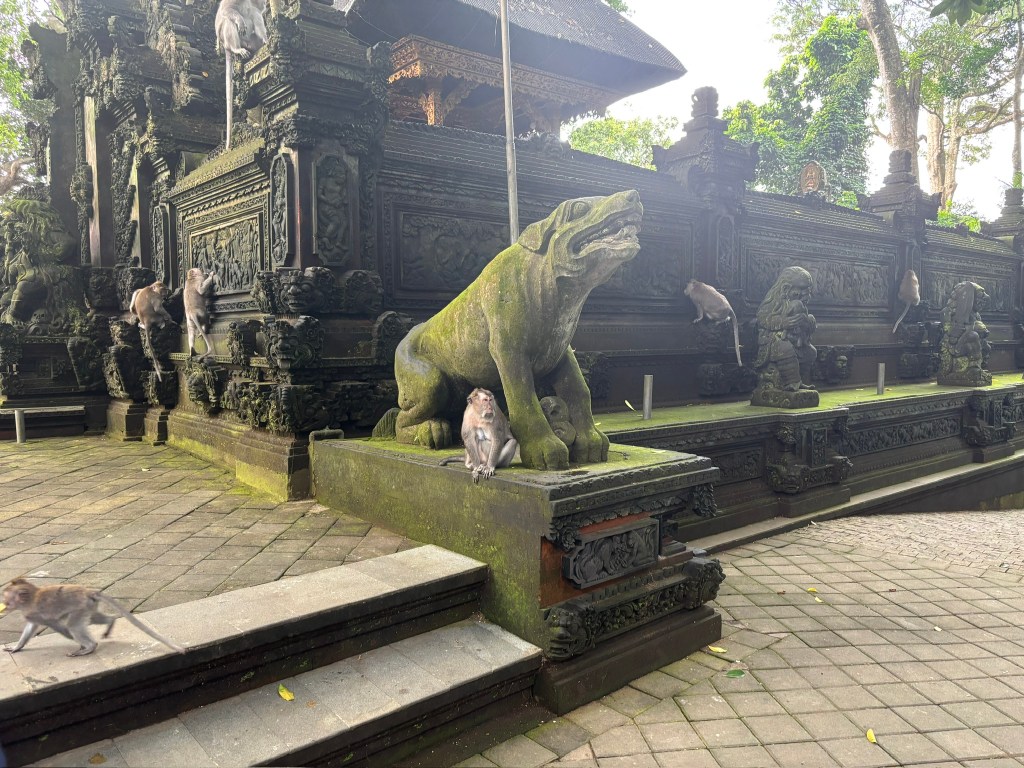
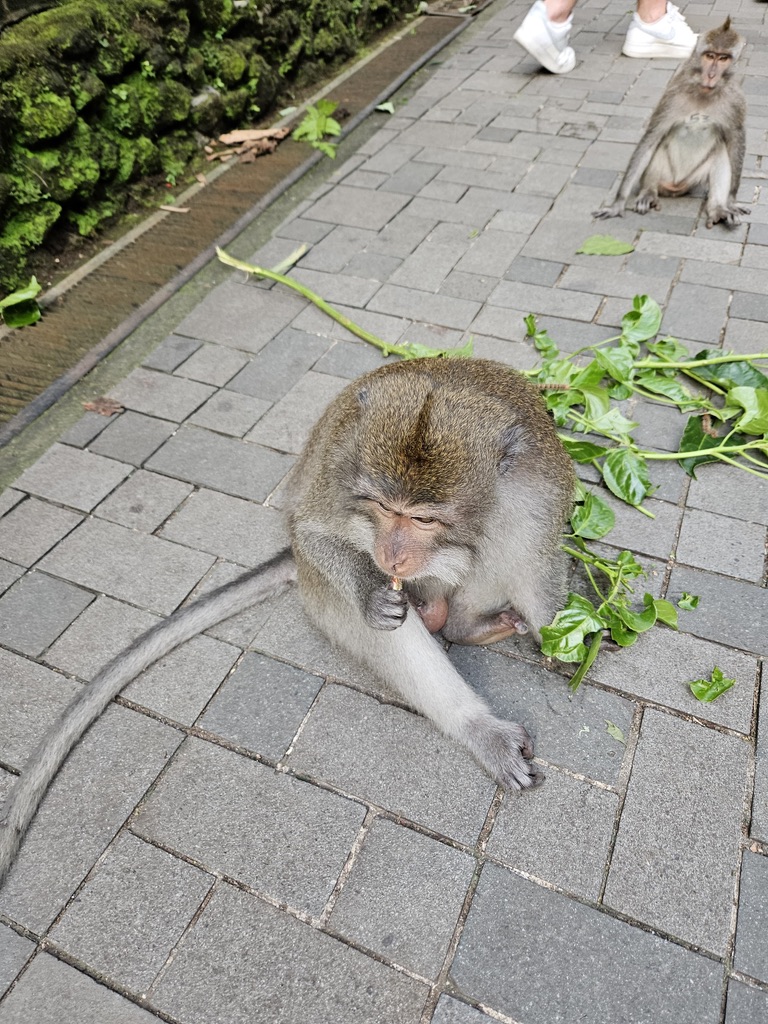
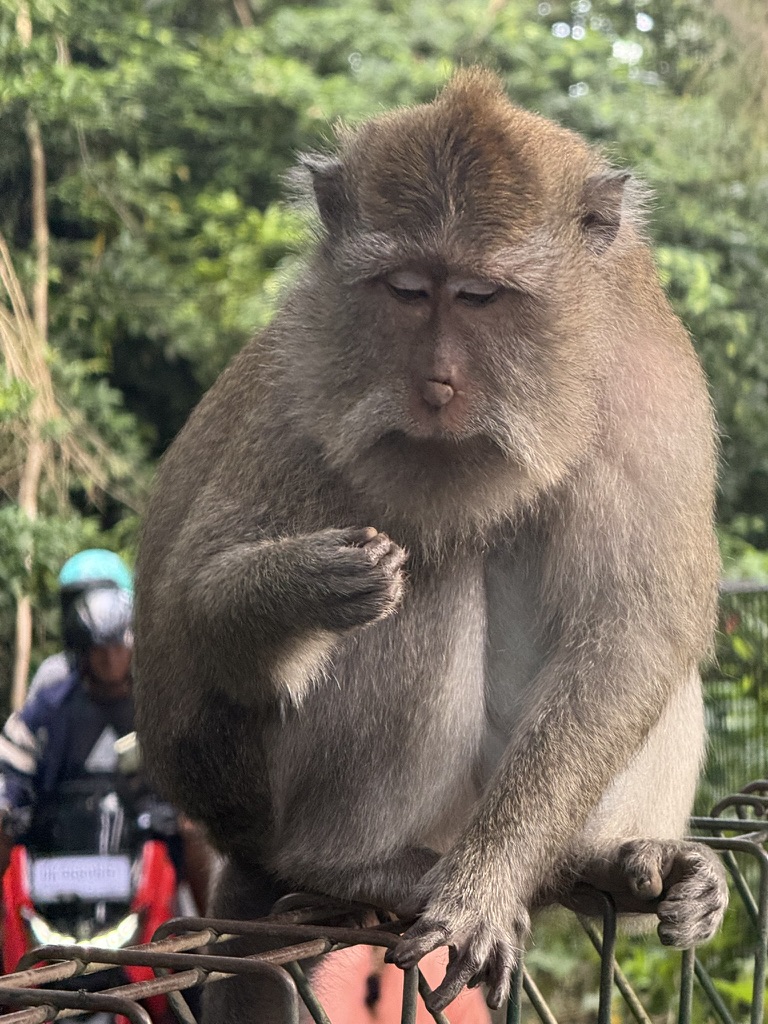
The temple was literally crawling with monkeys. Everywhere you looked the monkeys were scaling the temple walls.
It was strange how natural it felt to walk amongst monkeys. The mothers had their babies strapped to their chests, walking with so much ease that it was like they didn’t even notice.
You’re not supposed to make eye contact with or feed any of the monkeys, making it like a petting zoo where you weren’t actually allowed to pet the animals.
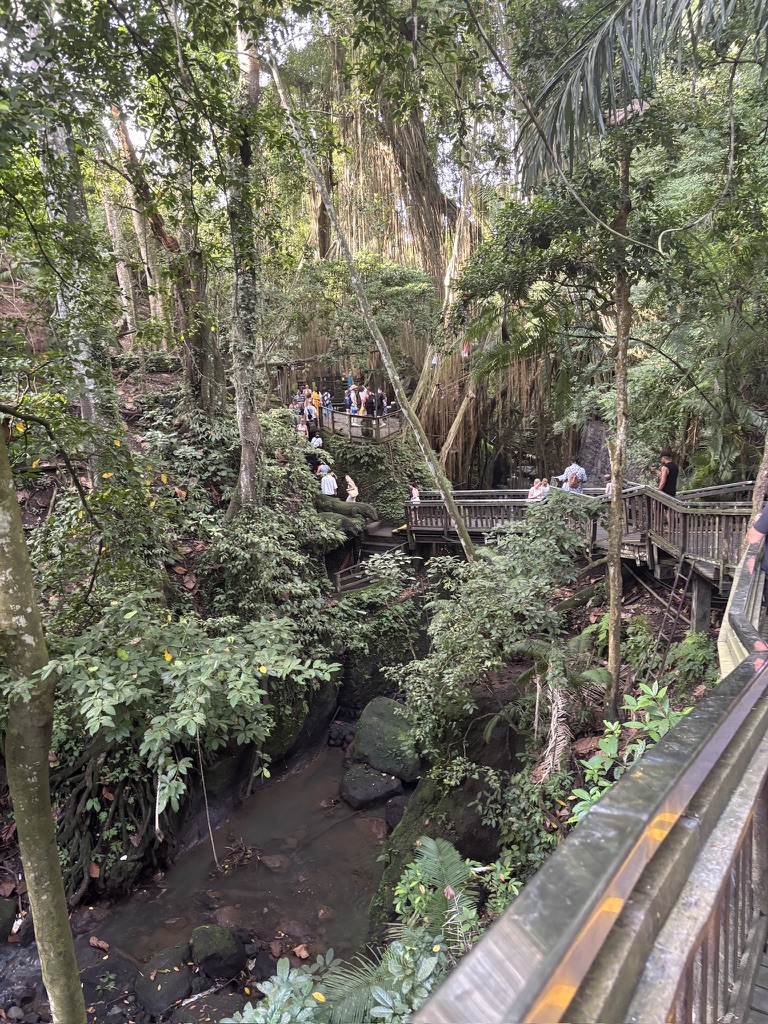
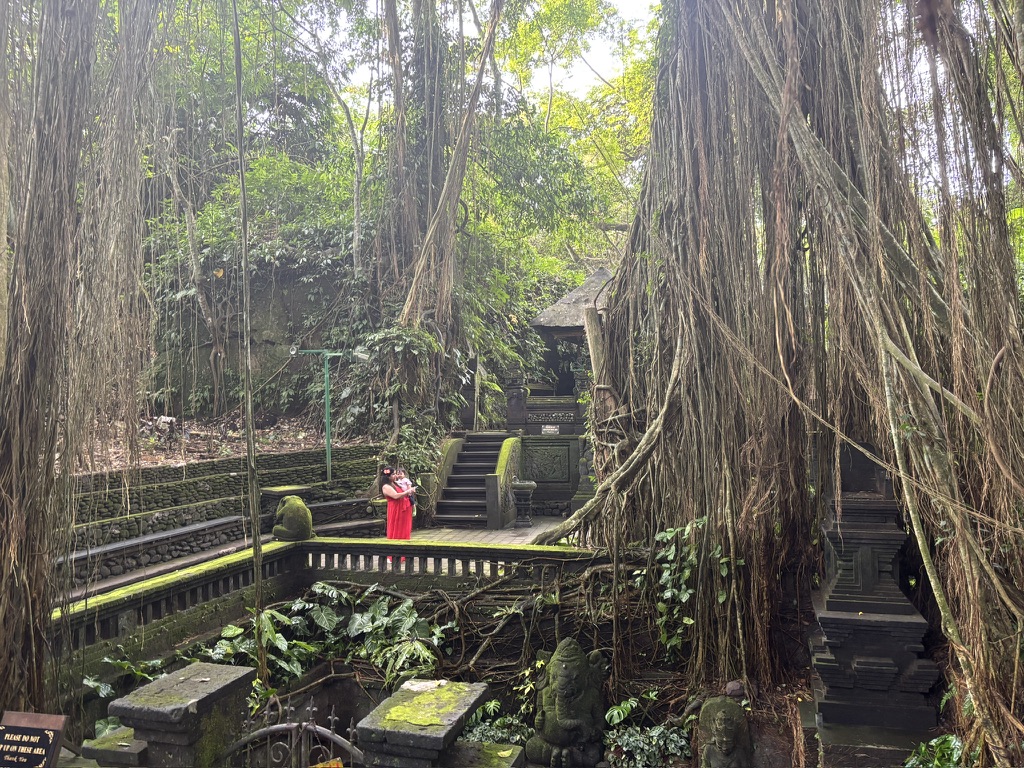
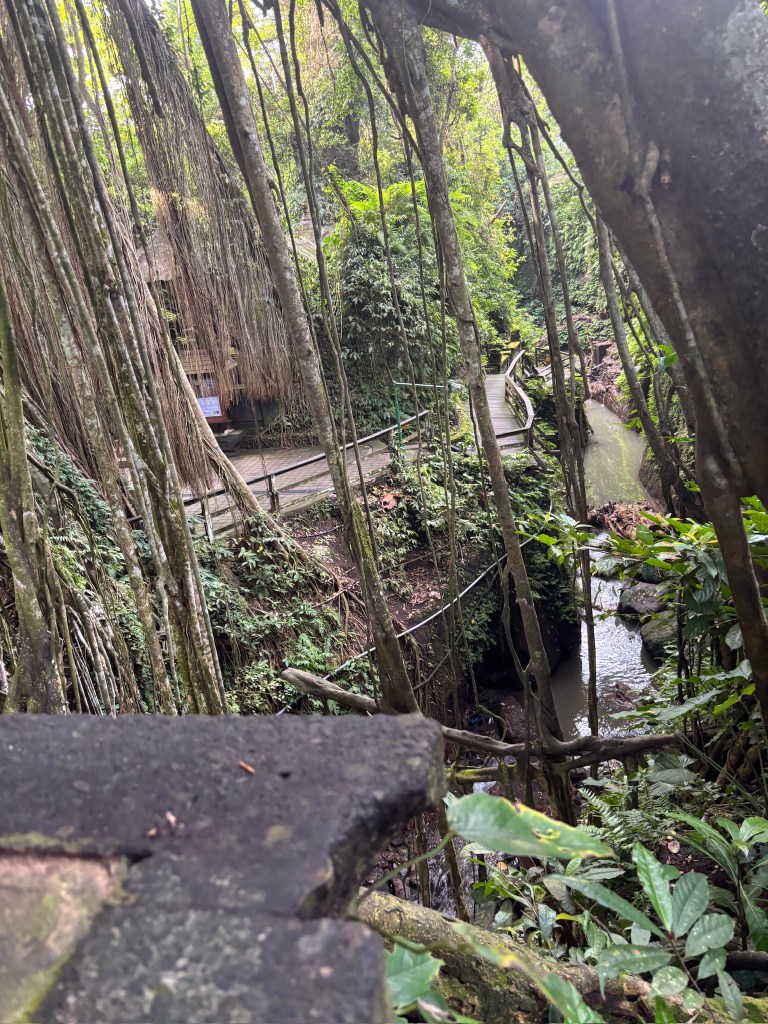
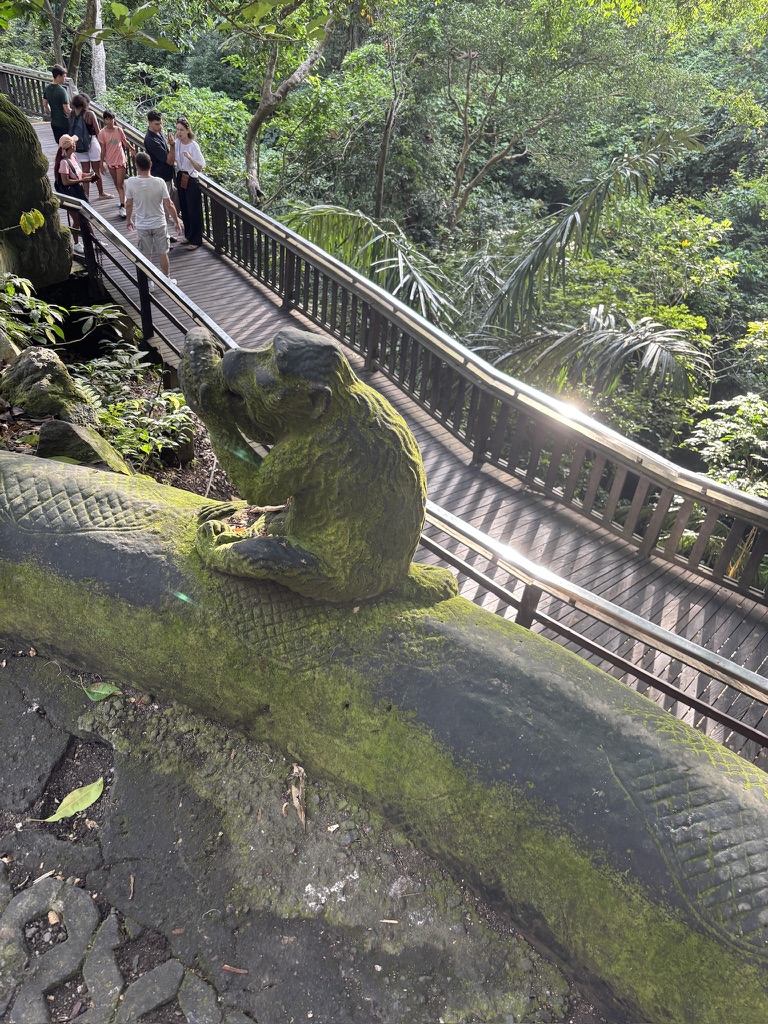
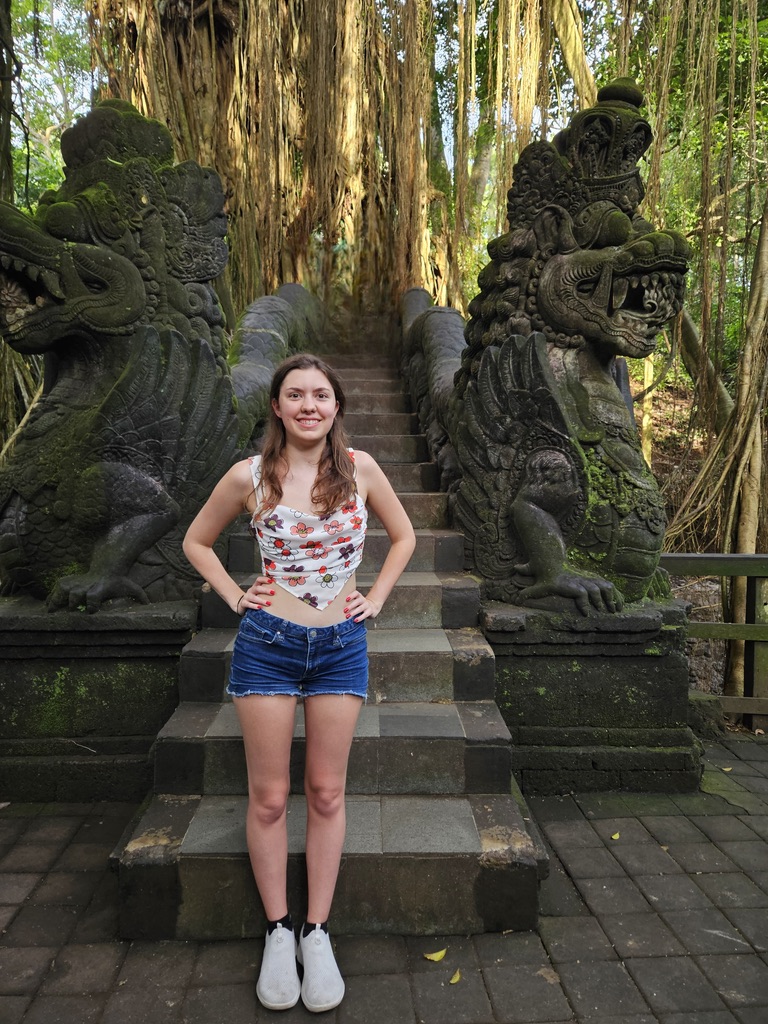
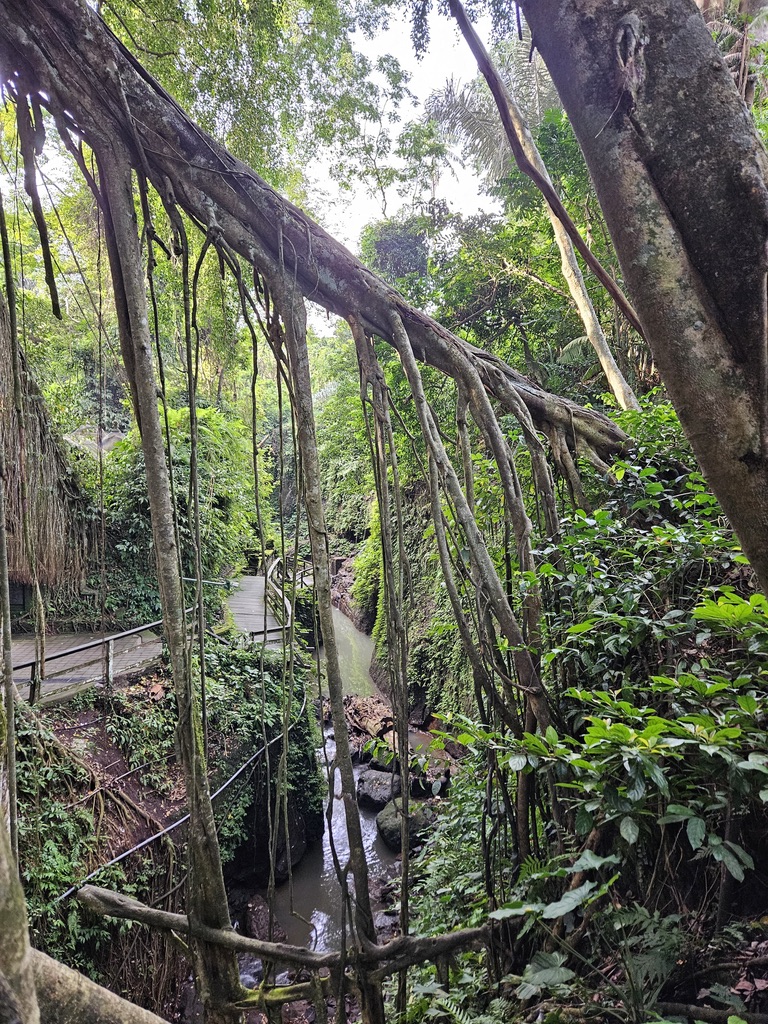
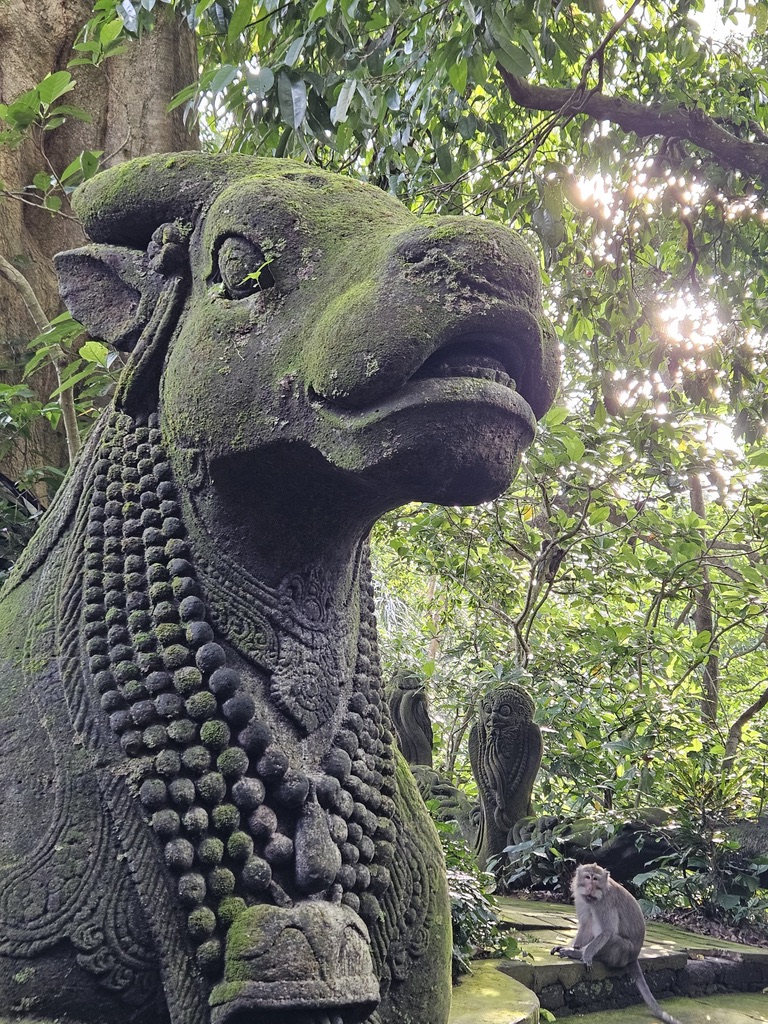
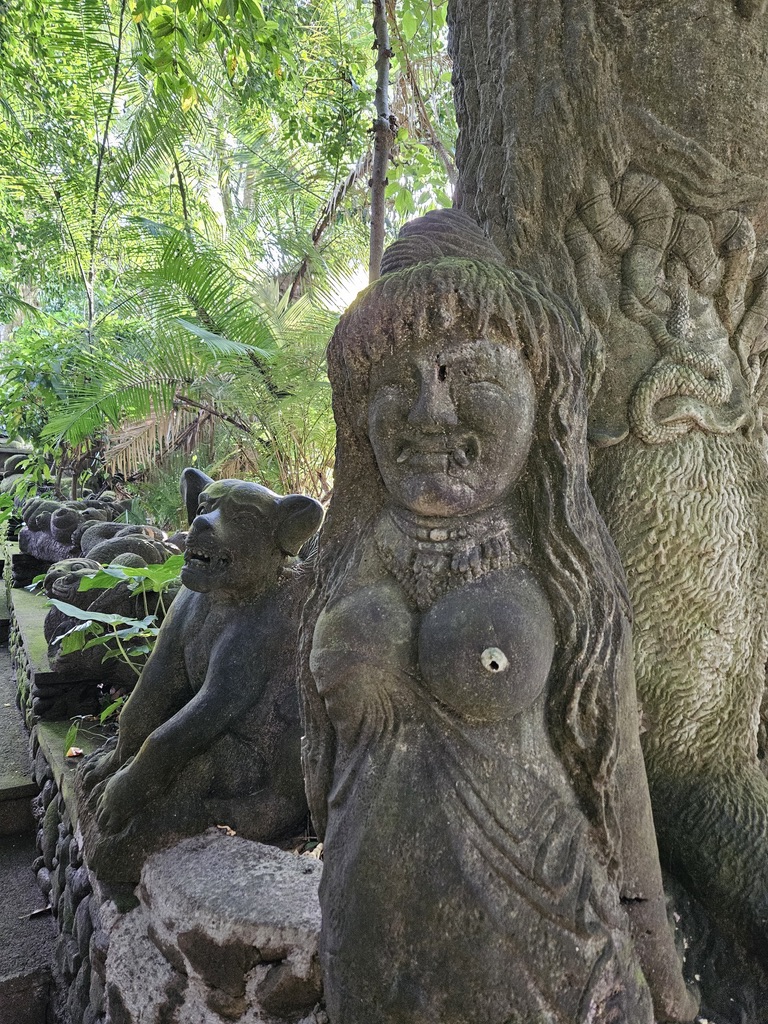
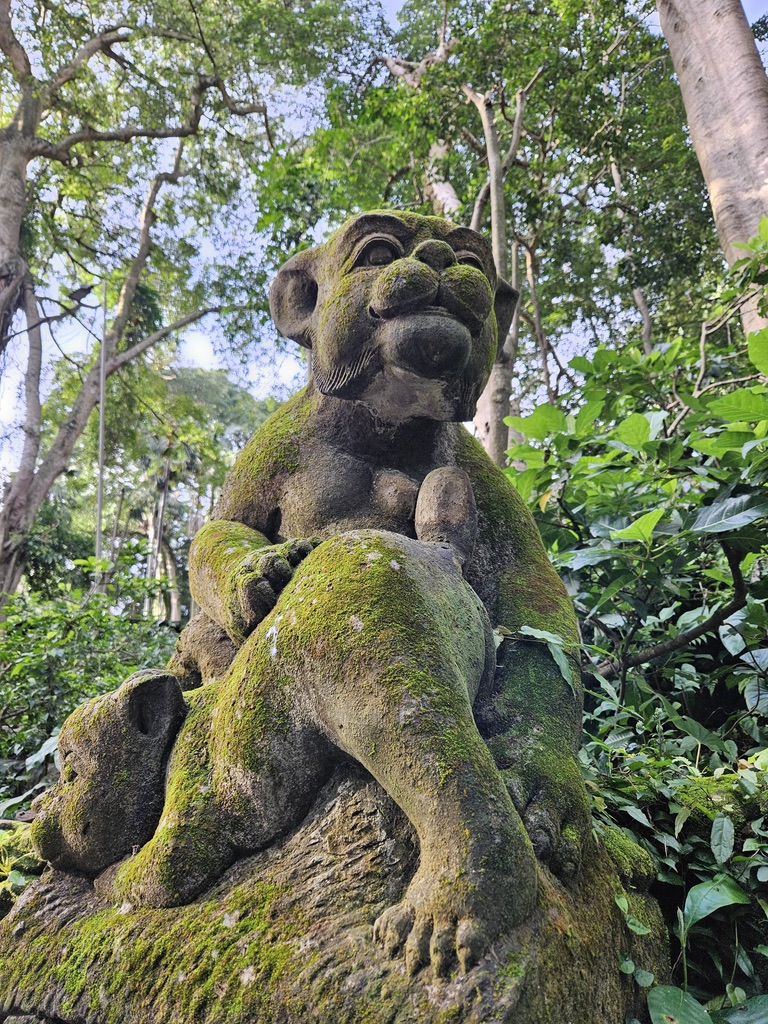
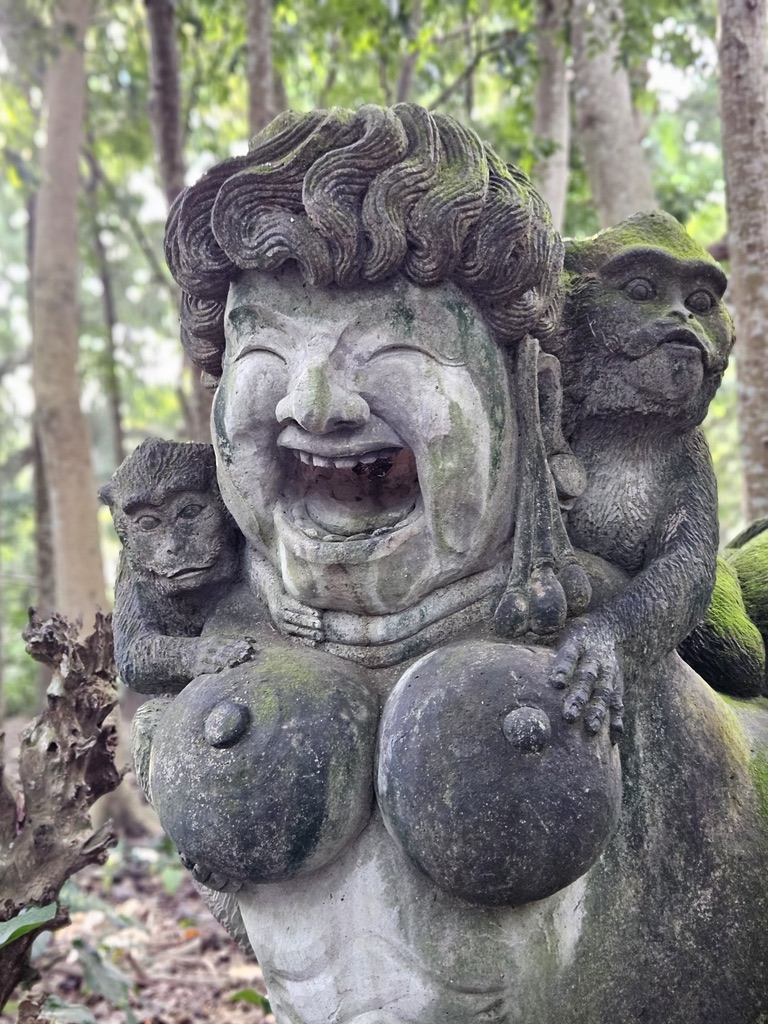
The three connecting temples were beautiful with moss-covered stones, massive statues, rushing streams, and monkeys lounging around like they owned the place, which, I suppose, they do.
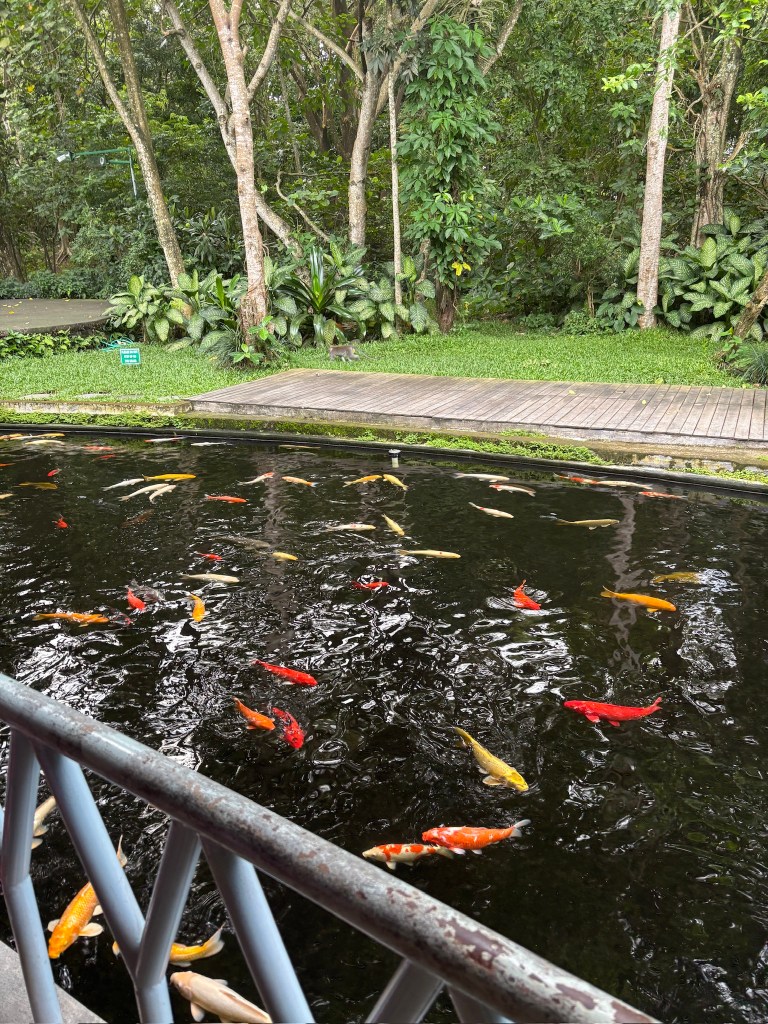
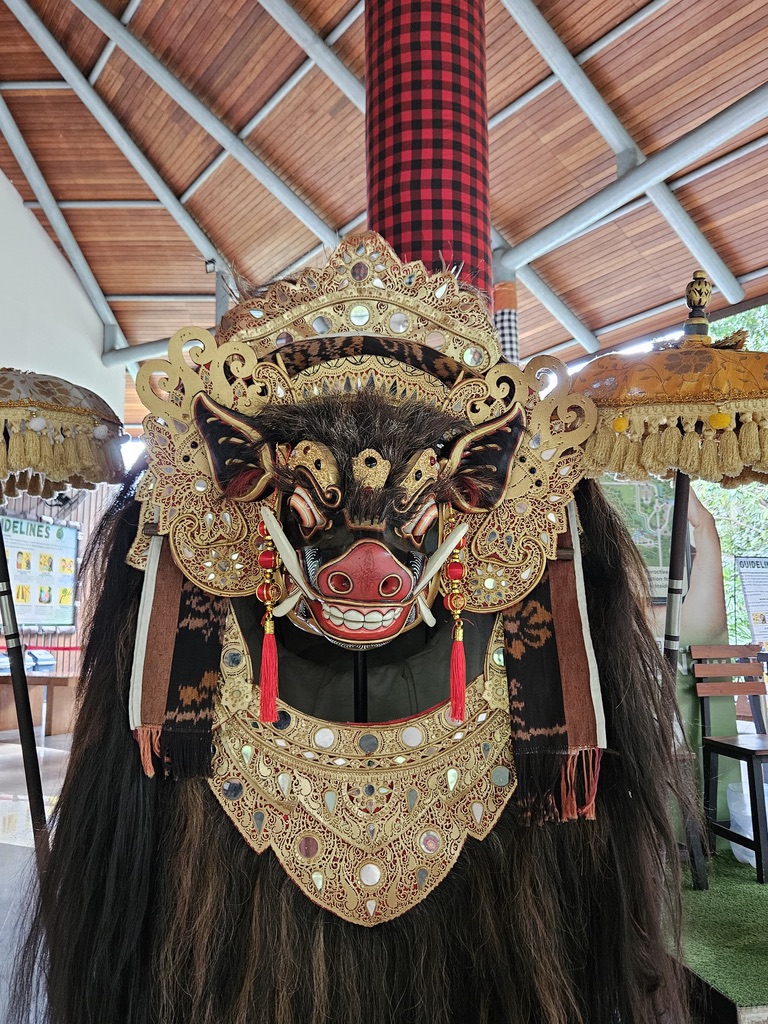
When I wasn’t staring at the monkeys, I was looking at pools of koi fish and a ceremony with dragon masks that was taking place for children.
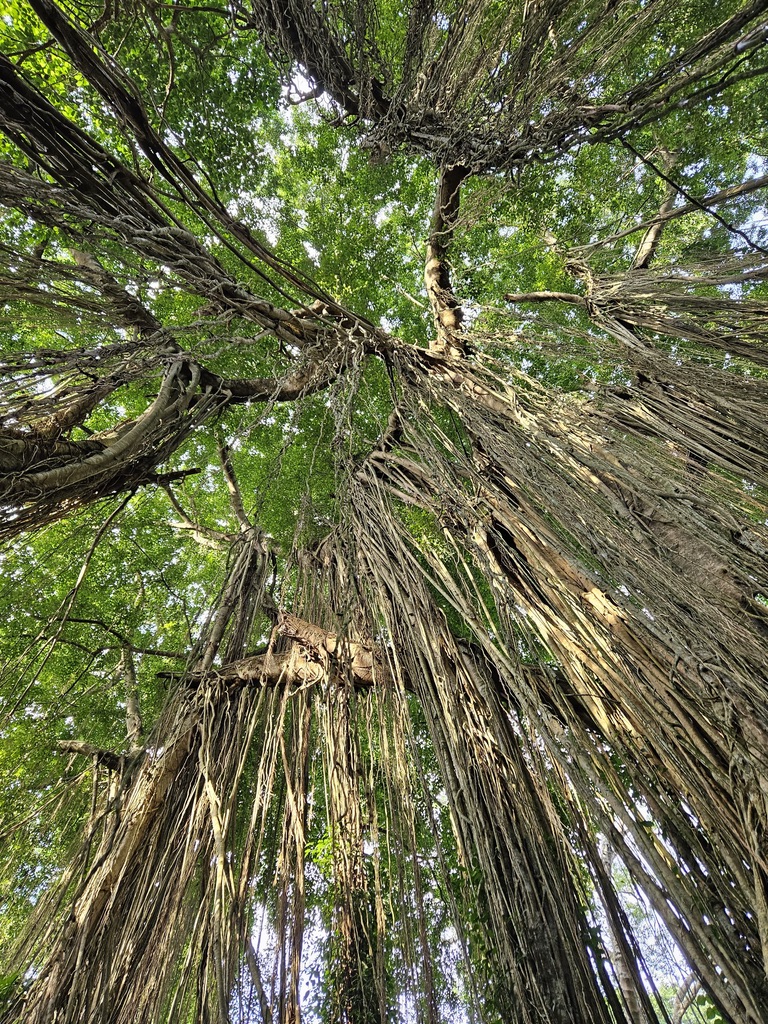
The Monkey Forest was a fun excursion. I got to watch the monkeys come and go as they pleased, walking through a jungle that was draped with vines and seeing statues that were fuzzy with moss.
If you ever find yourself in Bali, be sure to check out the Monkey Temple in Ubud.
The Tragic Queen,
Raquel
P.S.: Check out my previous blog post in which I was flying high
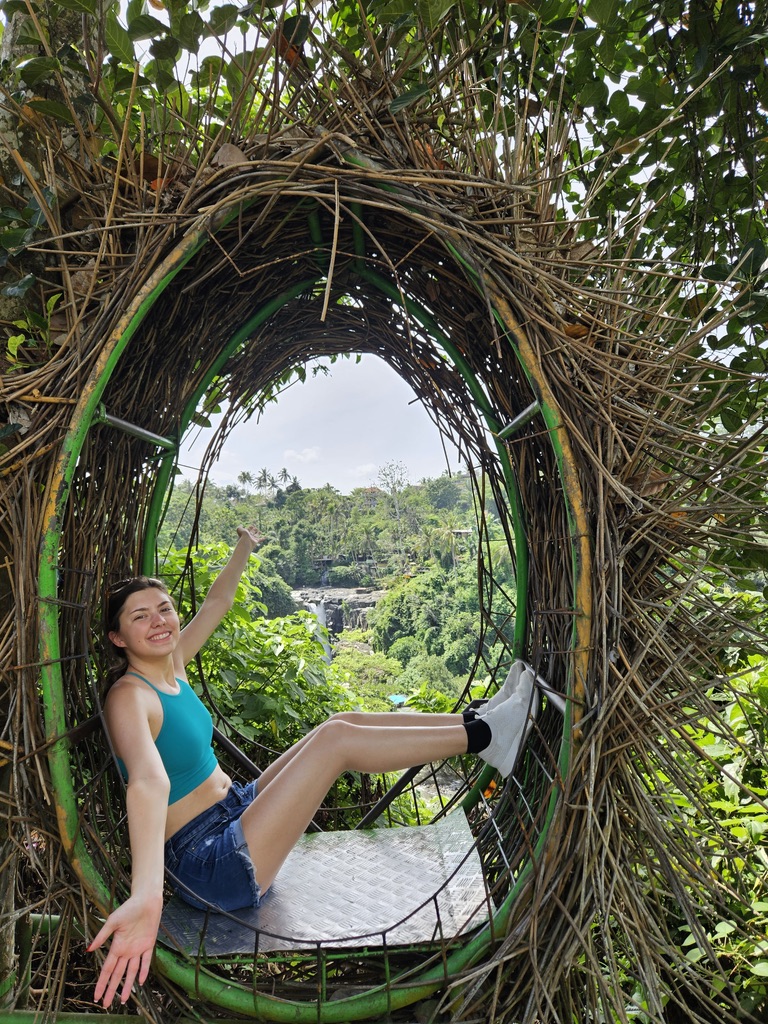
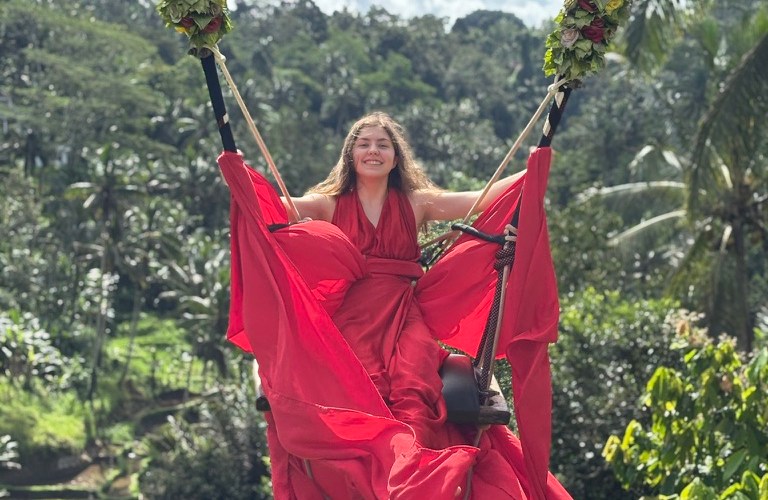
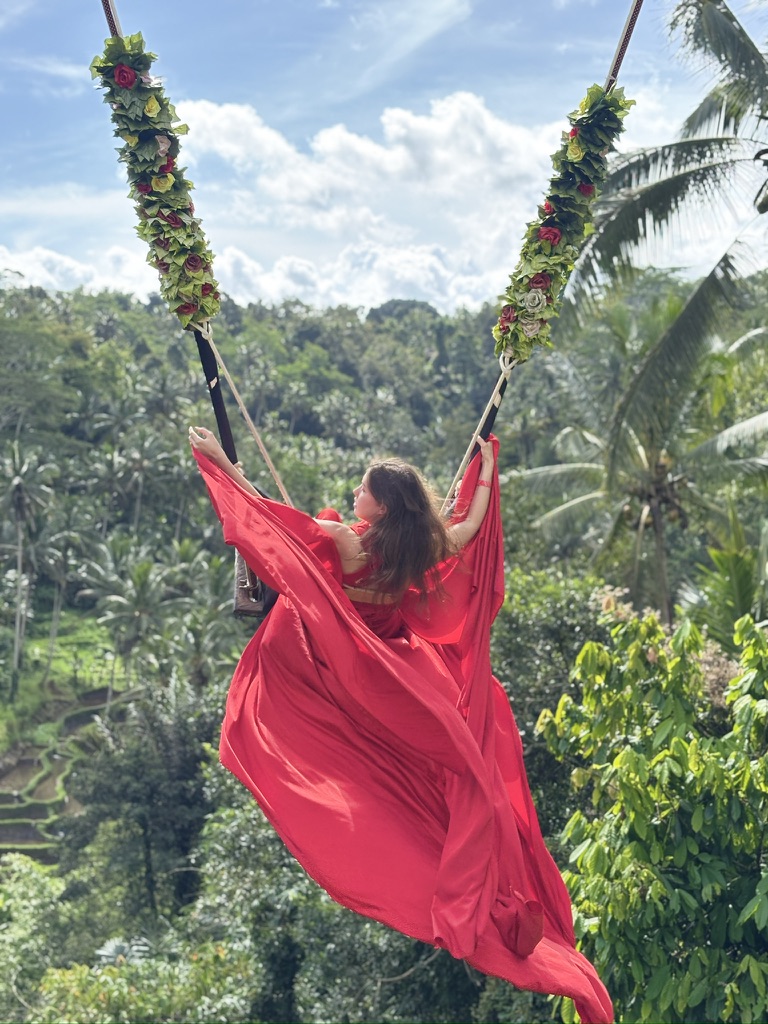
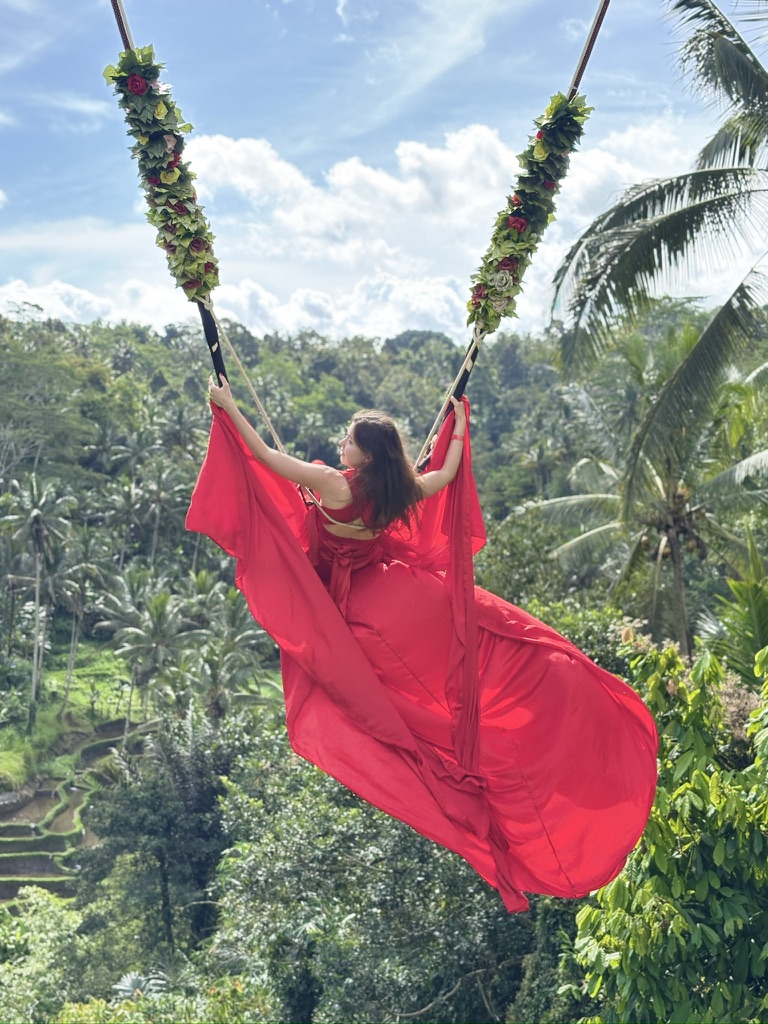
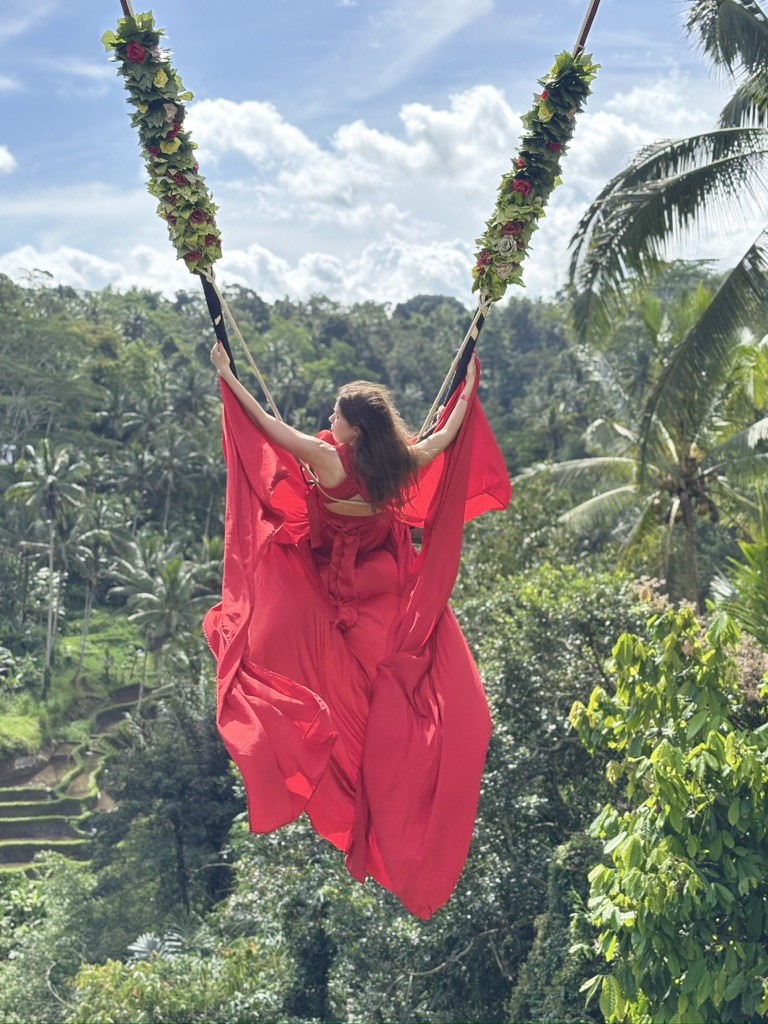
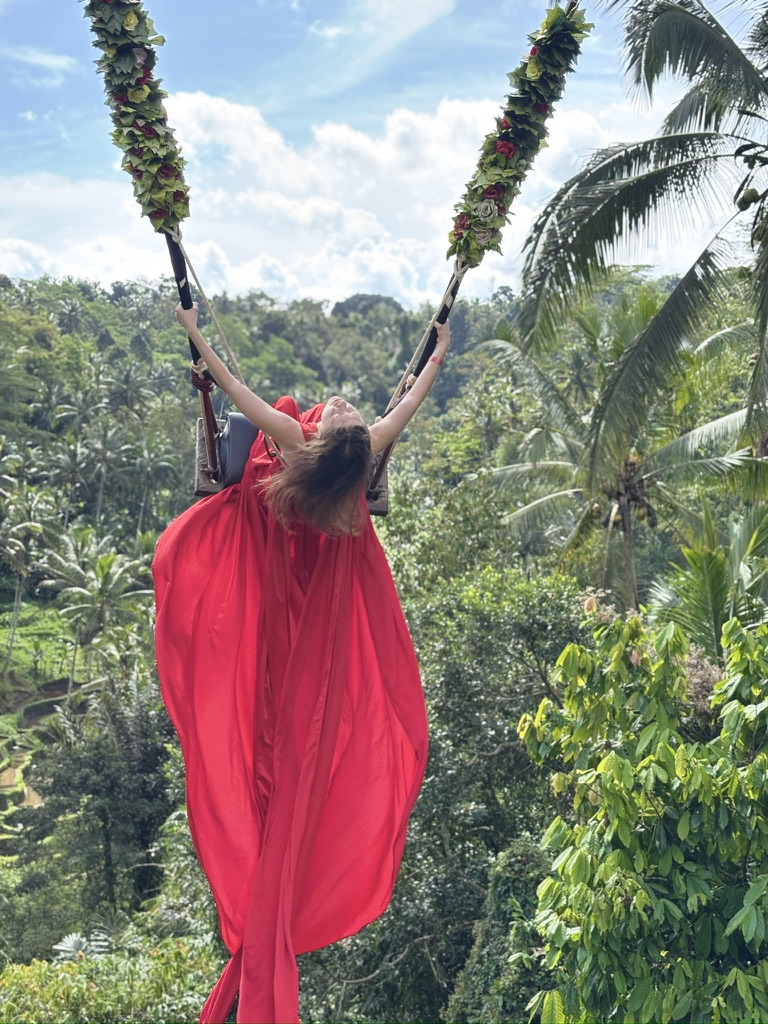
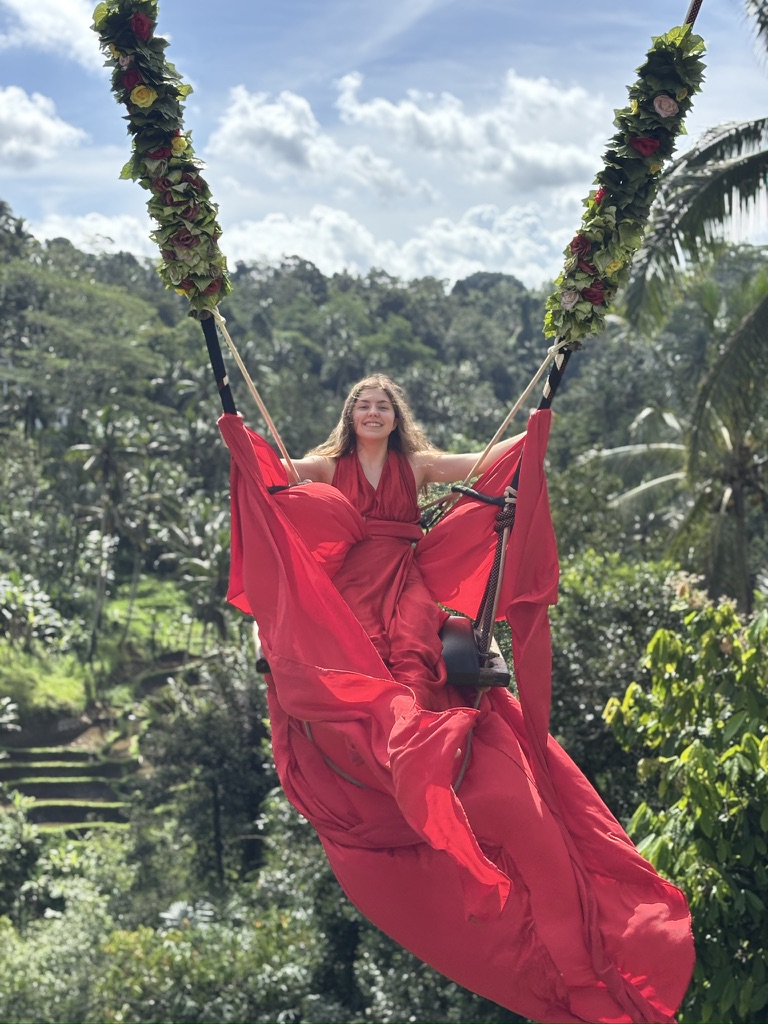
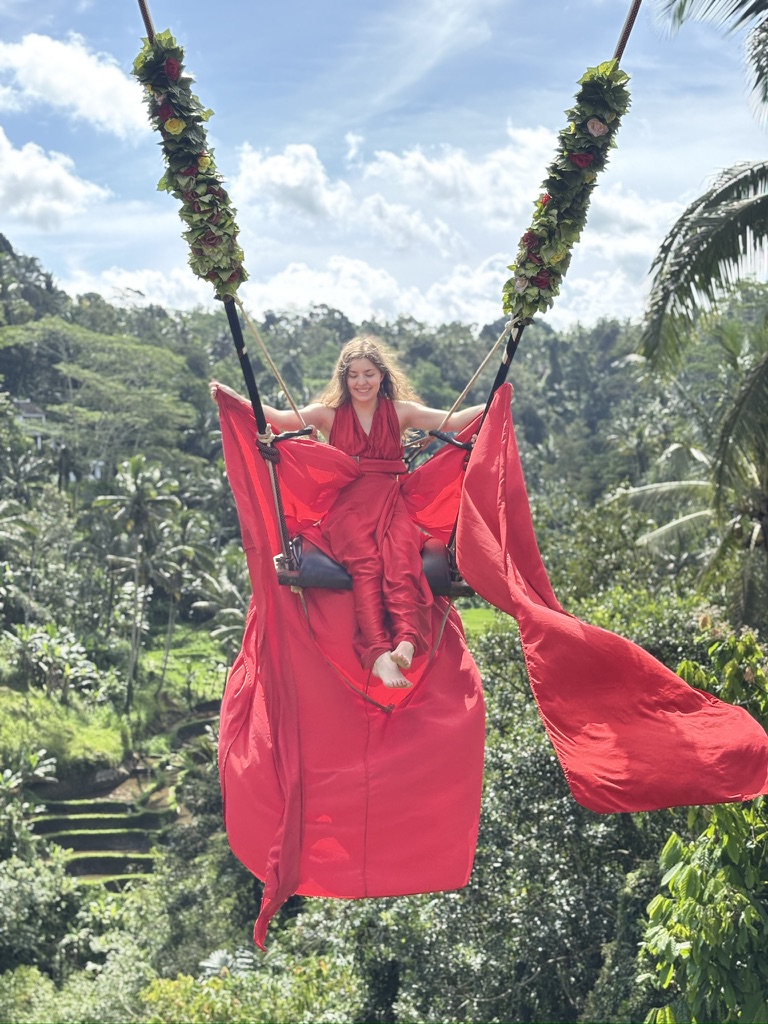
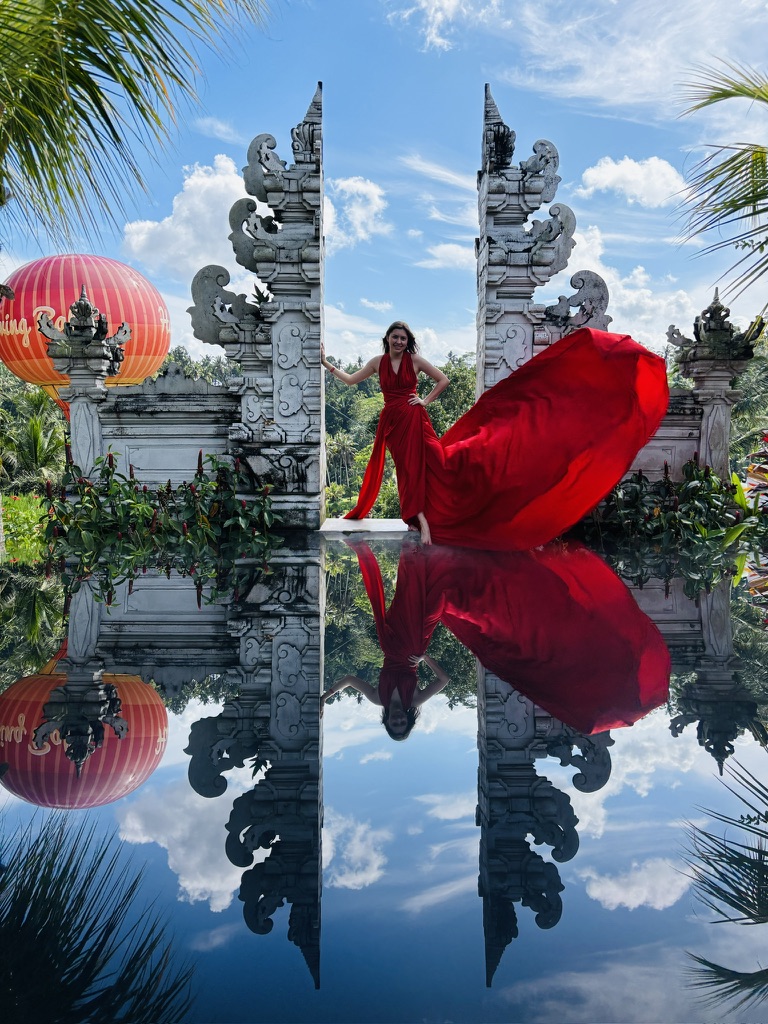
The Island of the Gods had a way of making me feel like a goddess and it’s not just the poolside mojitos. For me, it was swinging over a rice terrace in a beautiful red dress on a bright, sunny day.
On an outing in Bali, I got to go for a joy ride in a giant swing overlooking the beautiful Bali countryside. I was taking part in a service in which you are given a long, flowing dress and have people take pictures of you as you swing over a rice terrace.
It was a gorgeous sunny day, perfect giant swing weather. The people who ran the service provided me with a beautiful red dress and helped me into the swing.
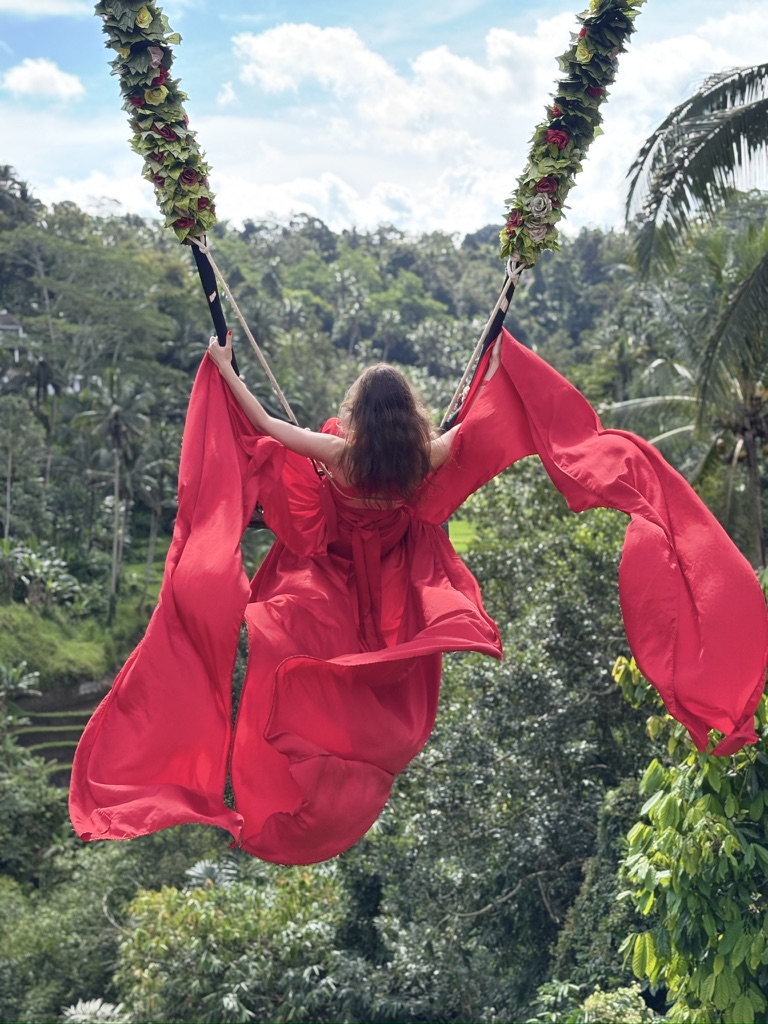
As I got situated into my harness, about to take flight, it felt like I was going to be slingshotted across the rice terrace. Despite being harnessed in pretty tight, I still got a stomach flip right before they let go and sent me flying. I screamed at the top of my lungs pretty casually when they first let go of me, but if anyone asks, I swung at a death defying height and flew through the air with the greatest of ease.
Once I got over how panic-inducing it was, it was actually very fun. I relaxed into the swing and took in the view. I was trying to listen to their instructions as they told me to hold onto my dress, then let go of my dress, while swinging. A breeze blew through my legs and bare feet, cooling me down on a hot day, as the dress flapped around me.
This is the shape my adventure travel has taken so far. I’m enjoying the ride.
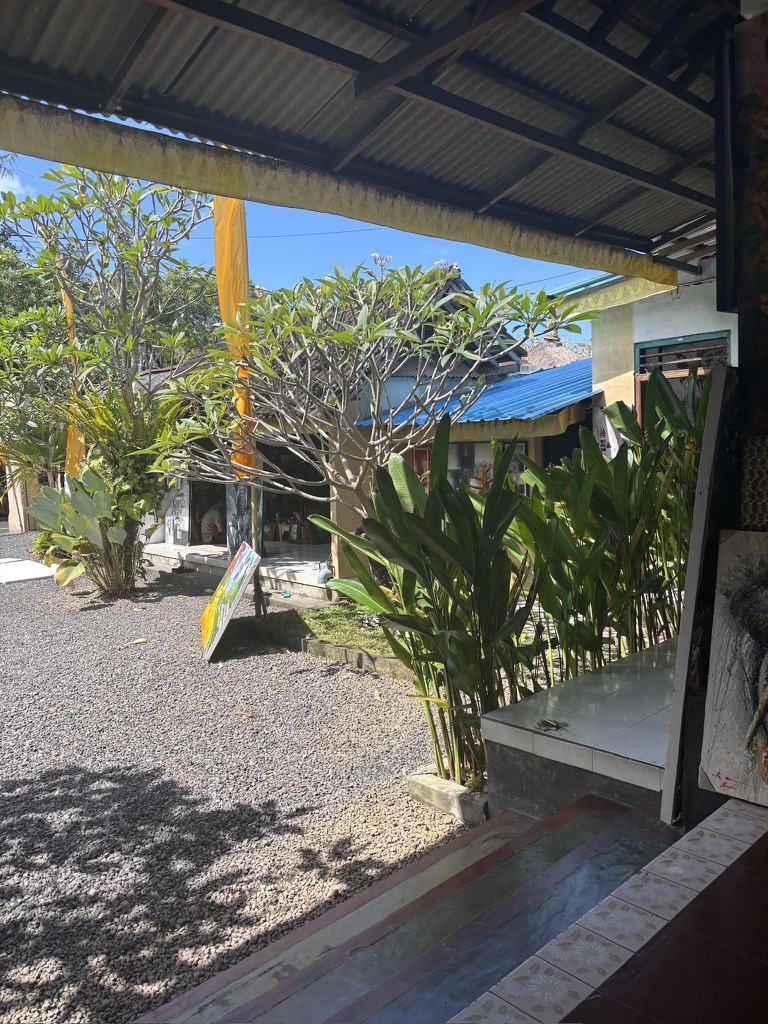
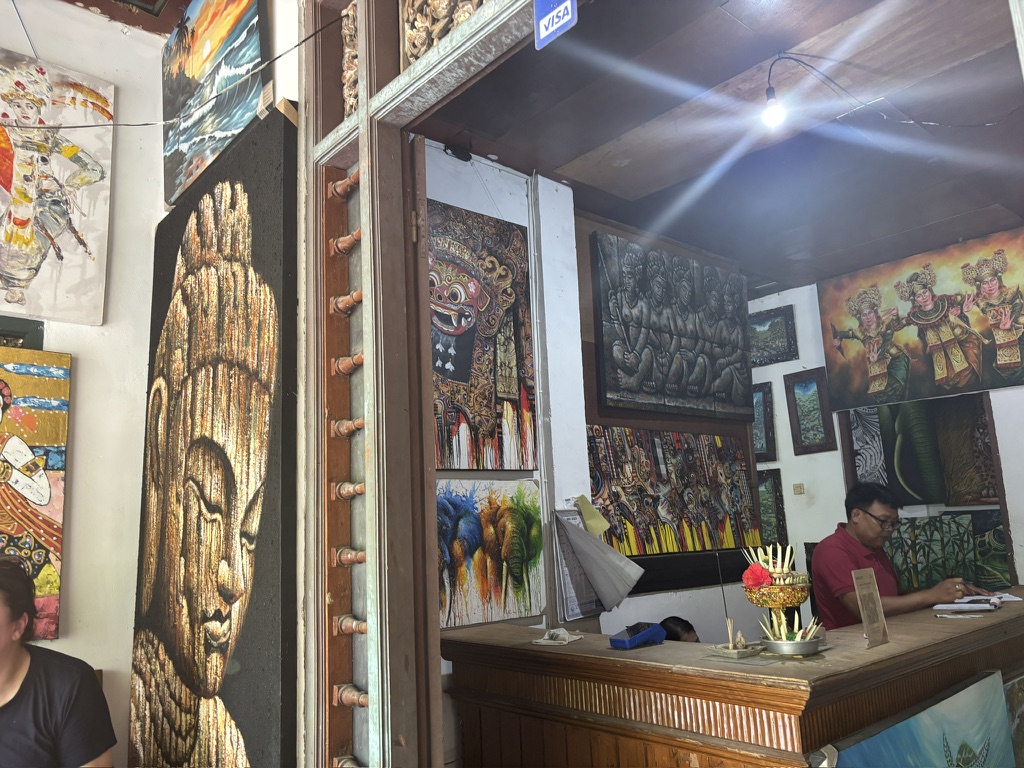
After enjoying much of the splendors that Bali had to offer, I knew that I wanted to buy a painting while I was in Bali in order to commemorate my trip.
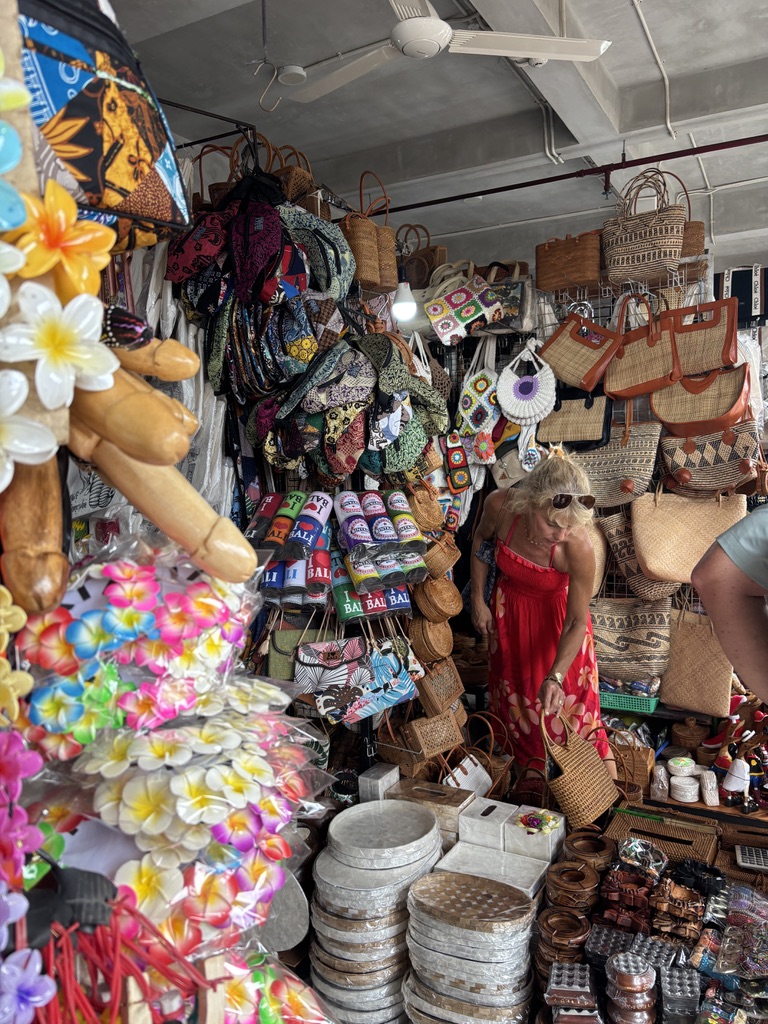
The guy who sold it to me insisted that it is an original painting, but when I went to the Ubud art market afterwards, I discovered that there were about fifty or so exact copies of that painting.
I bought what is basically the “live, laugh, love” poster of girls who have gone to Bali.
But I still like it.
I bought the painting because it reminded me of myself: her strong nose, full lips, the eccentric way she is clasping her hands, and the way that she is staring off into space, lost in thought. Some of them were in black and white but the one that I chose was in full color, looking kaleidoscopic to me.
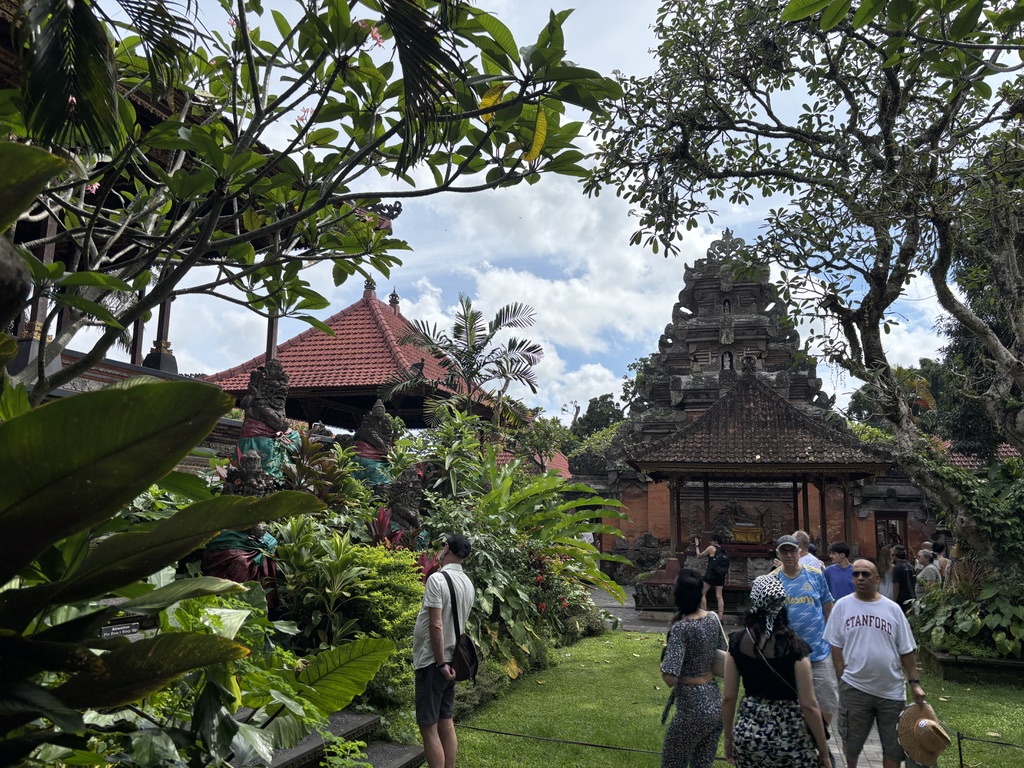
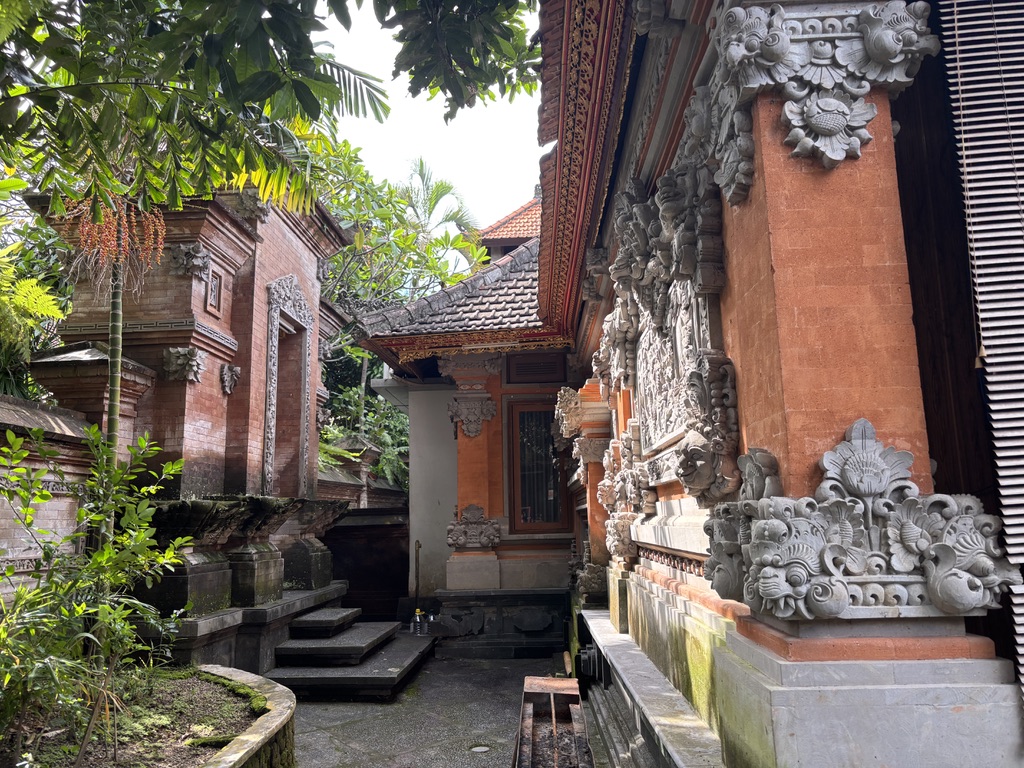
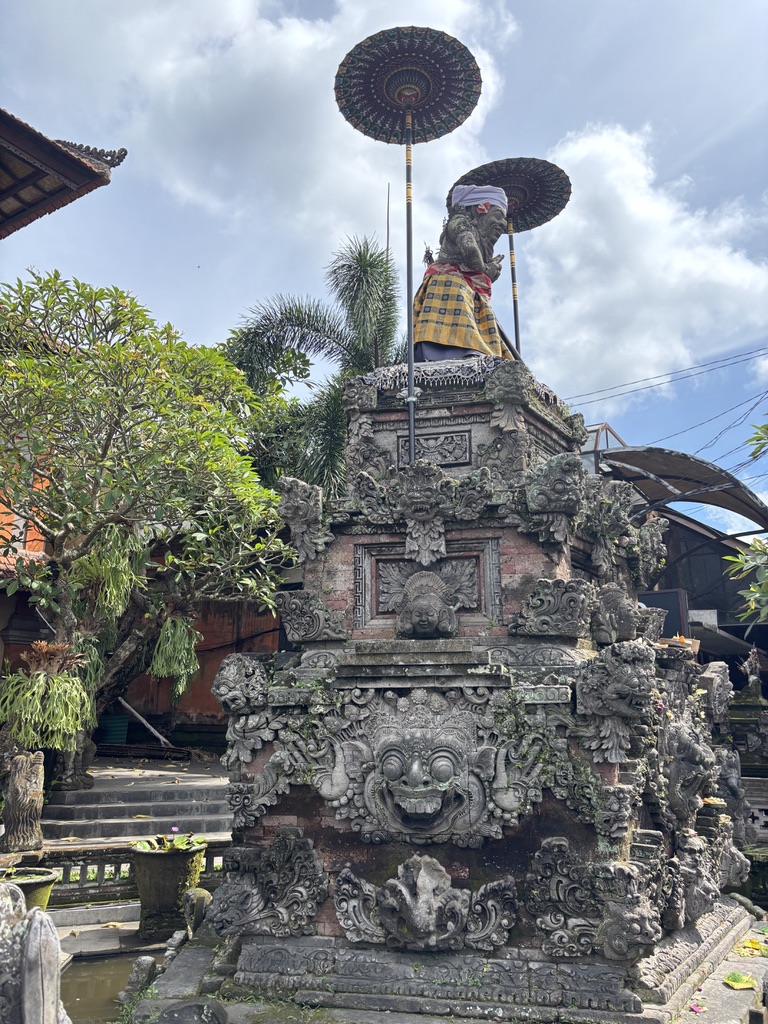
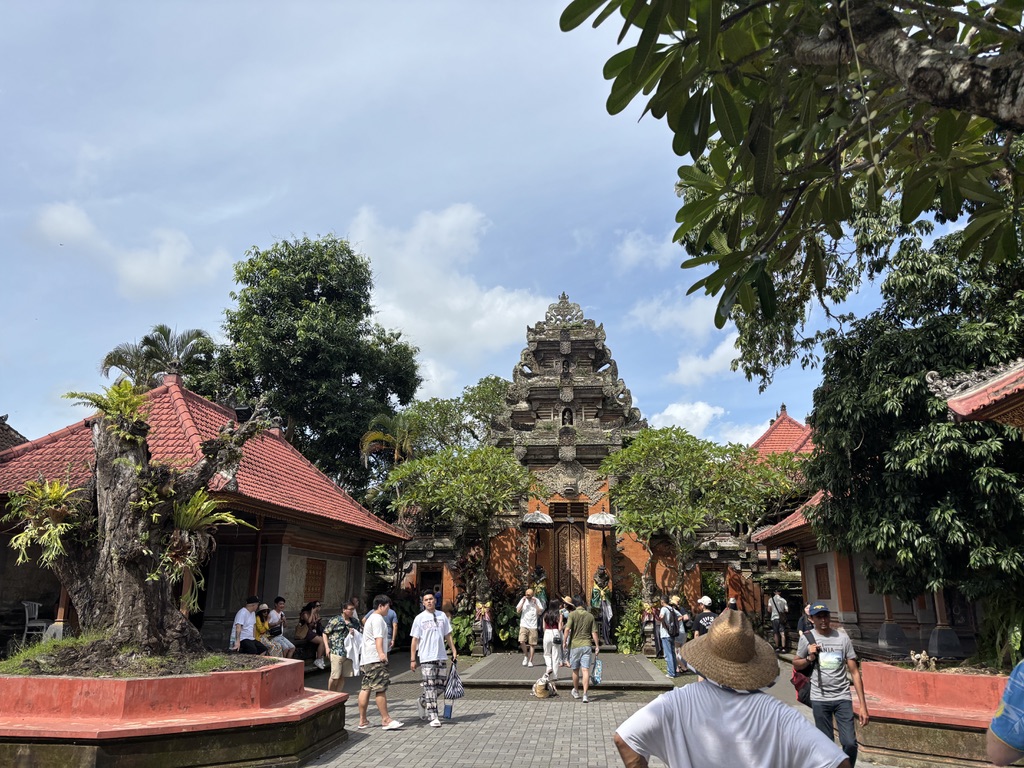
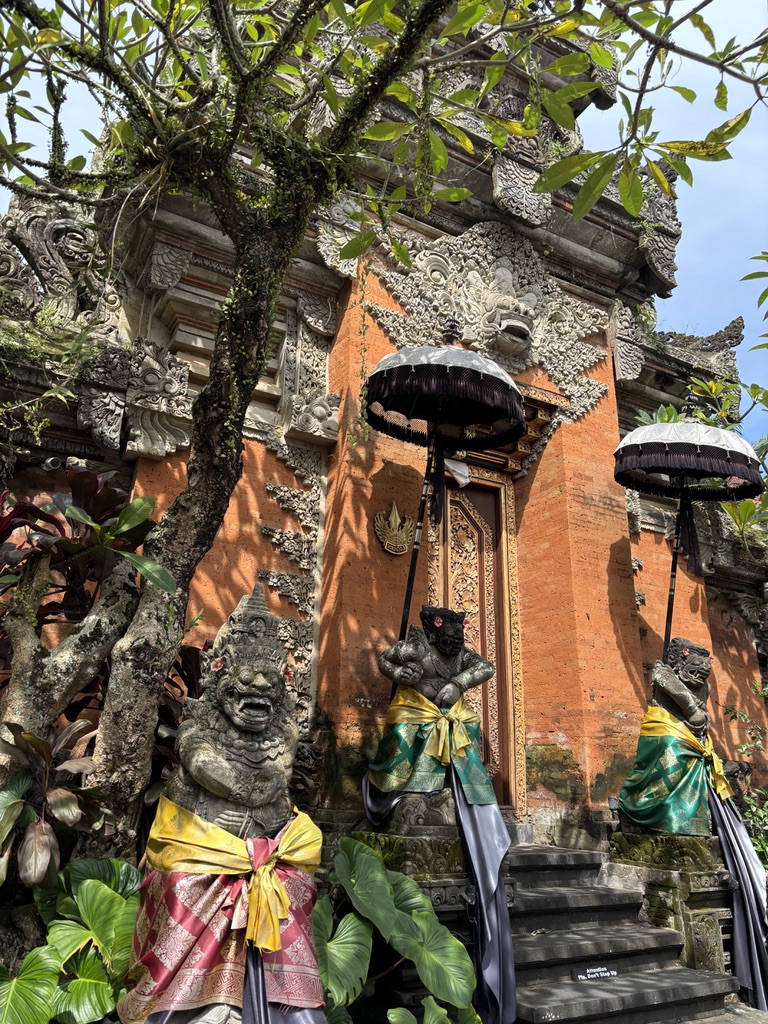
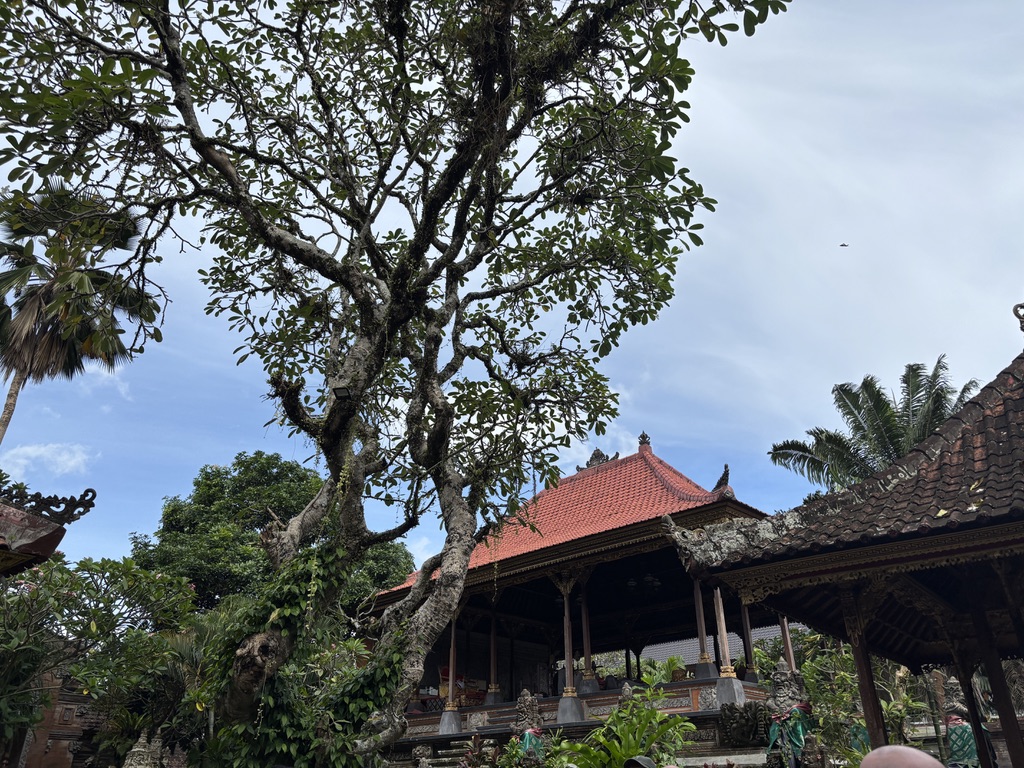
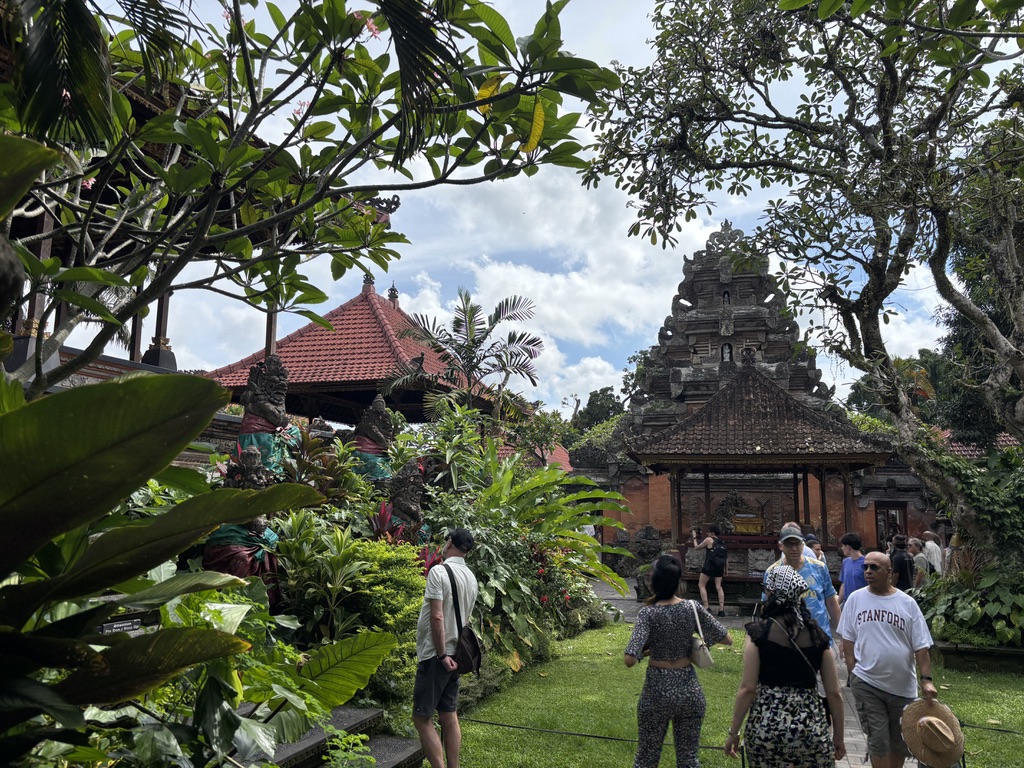
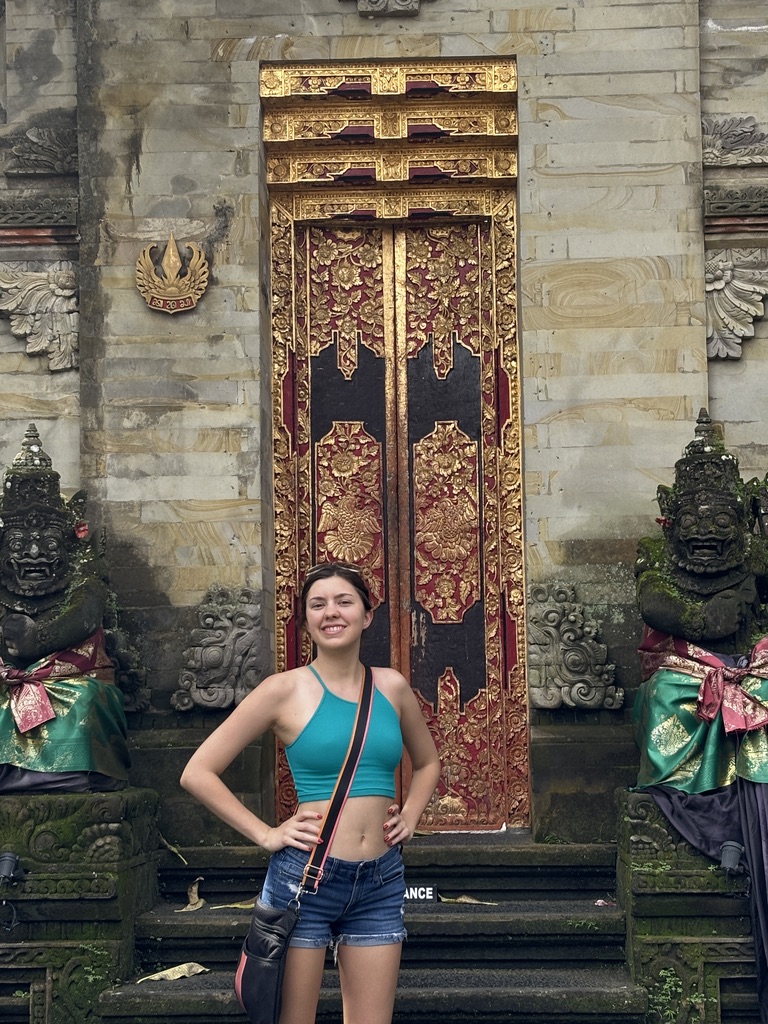
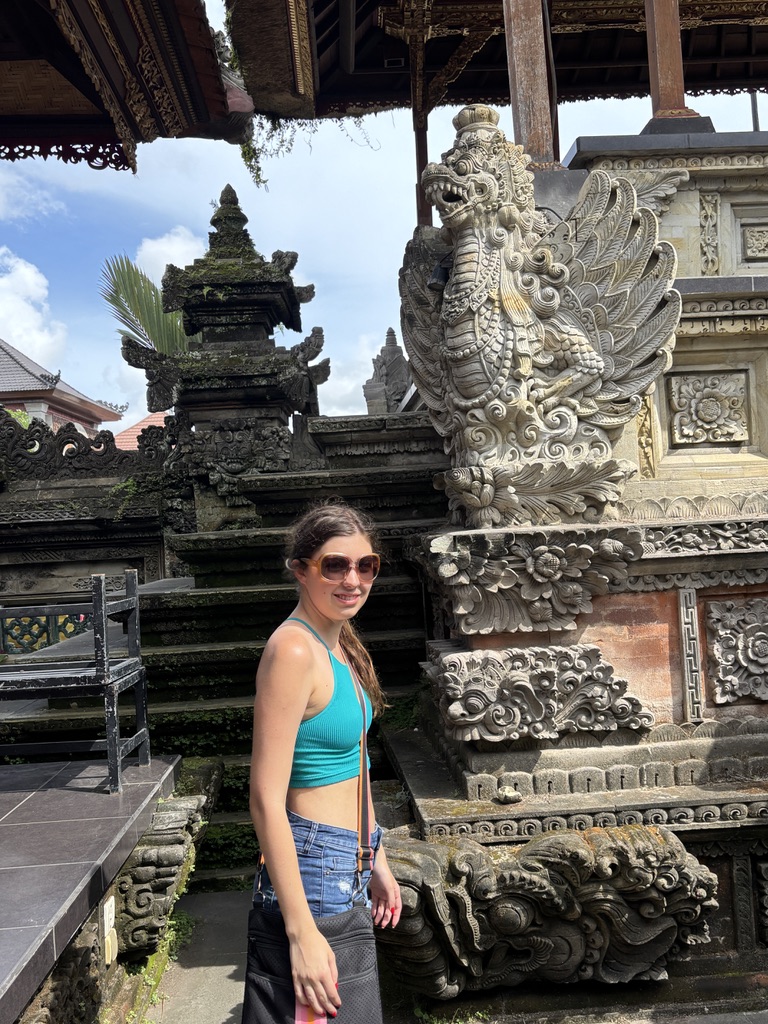
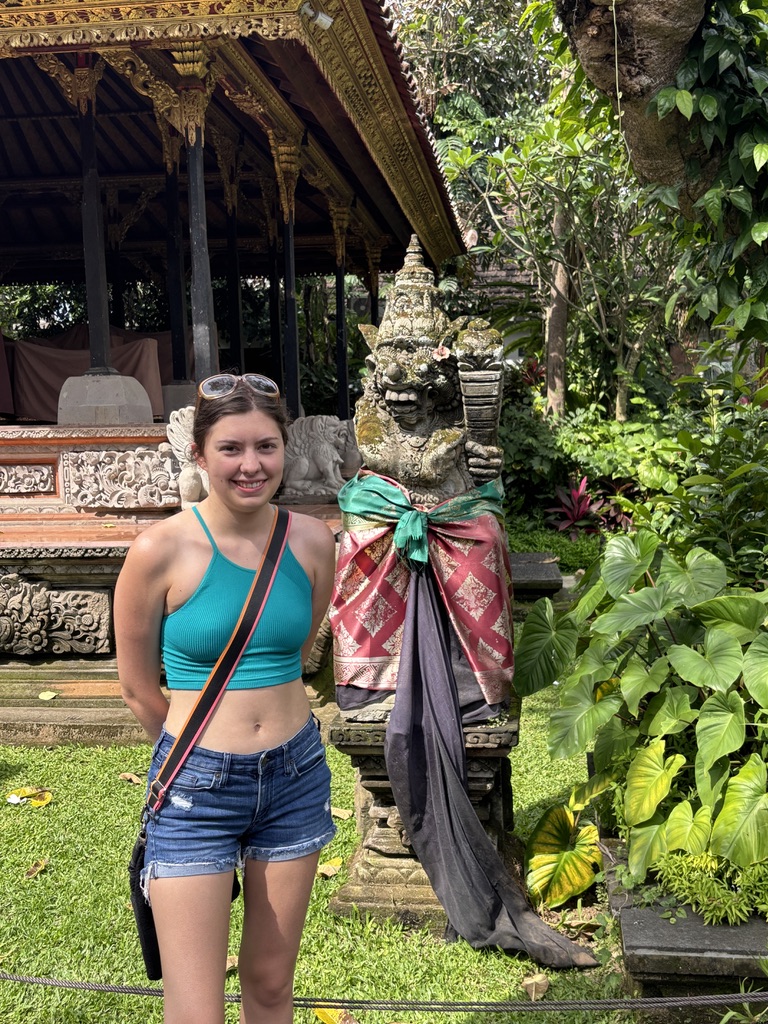
Once I’d gotten my fill of the Ubud Art Market, I walked across the street to the temple and looked around. It was like a beautiful public garden.
It’s not everyday that you get to casually walk up to a temple by crossing a busy street.
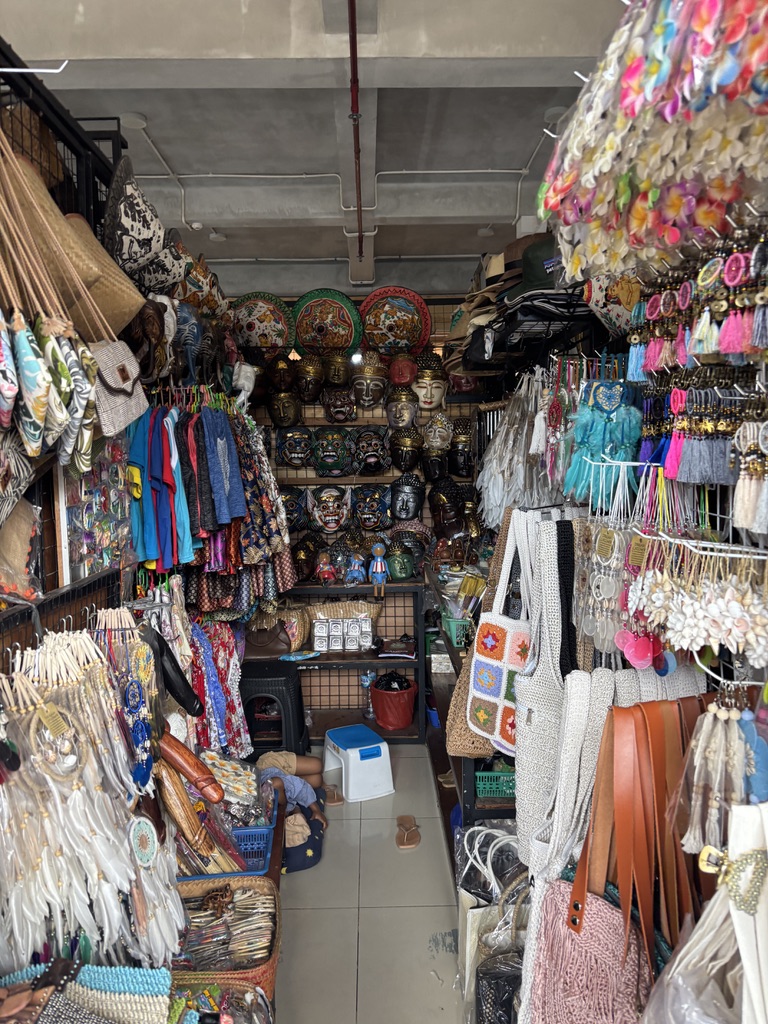
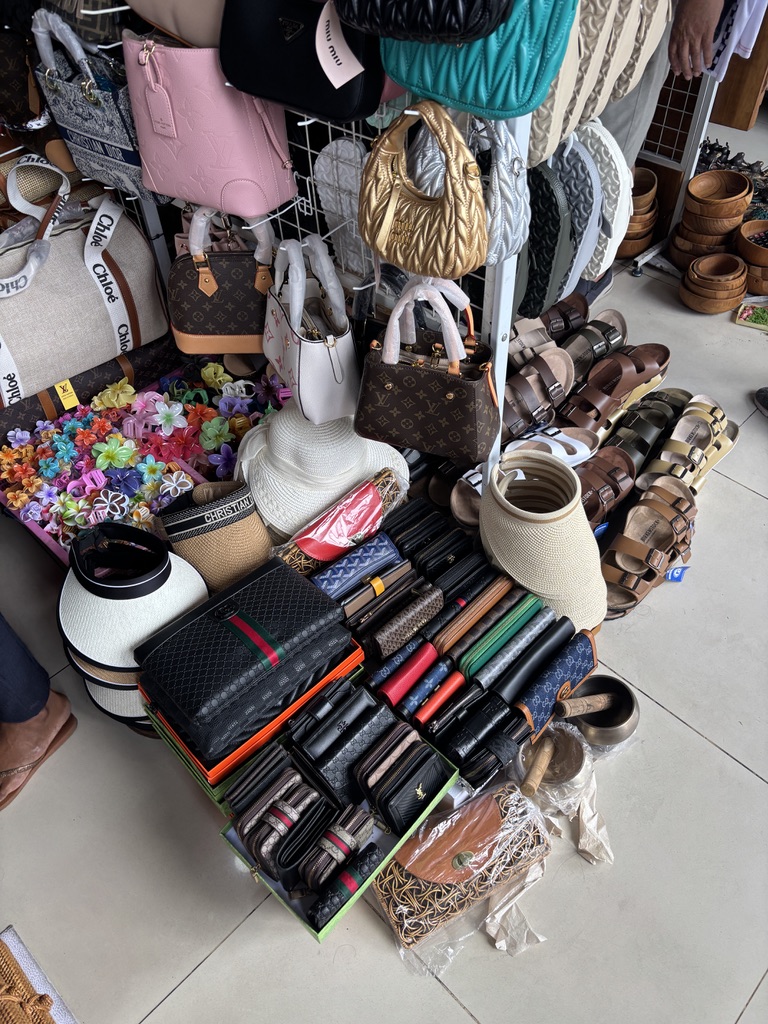
Later, we stopped by a market that sold inexpensive clothes and I bought several red sundresses, so while I don’t have original artwork, I am ready to run with the bulls in Pamplona.
Known as the Island of the Gods, Bali, Indonesia has one hell of a reputation to live up to. It has been the subject of many artist’s, adventurer’s, and wanderer’s fantasies, acting as a spiritual destination for people looking to heal their souls.
It seemed like it was impossible to do a trip to Bali wrong. With its rich, vibrant wildlife, fun nightlife, and deeply spiritual culture, it seemed like the island could pack an adventure for any type of person. If you want to sit idly by the pool, you can. If you want to trek through a jungle, you can do that too. Bali struck me as the perfect place to travel if you want the perfect blend of adventure and relaxation, a place where you can drink and hike, although ideally not together.
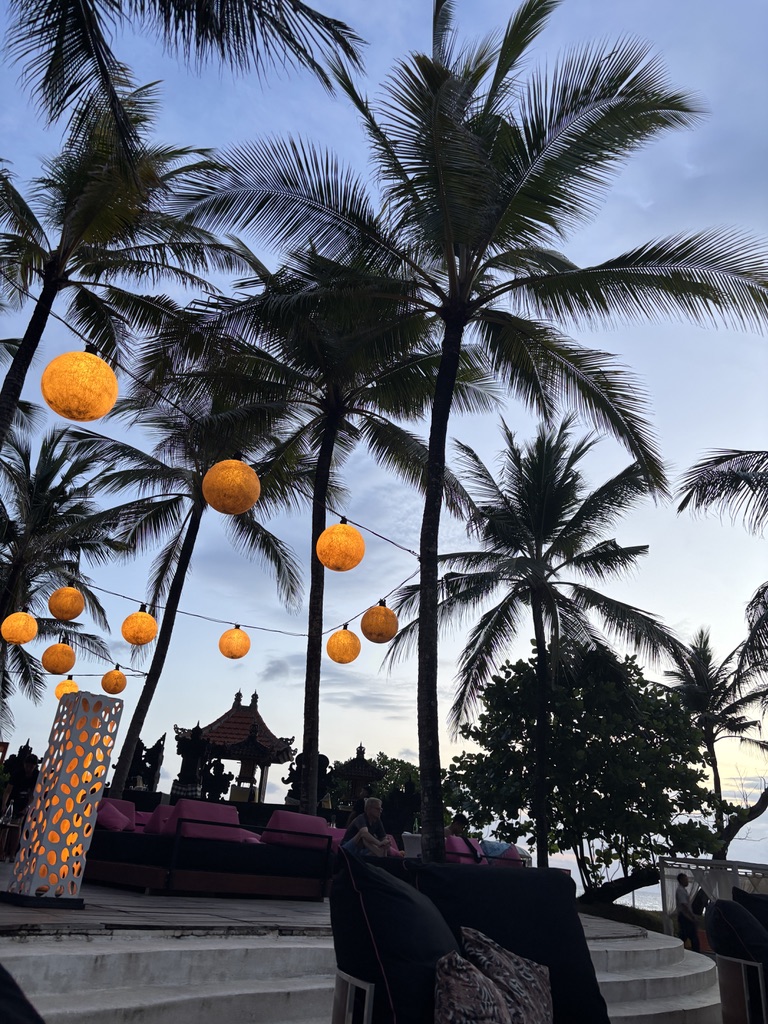
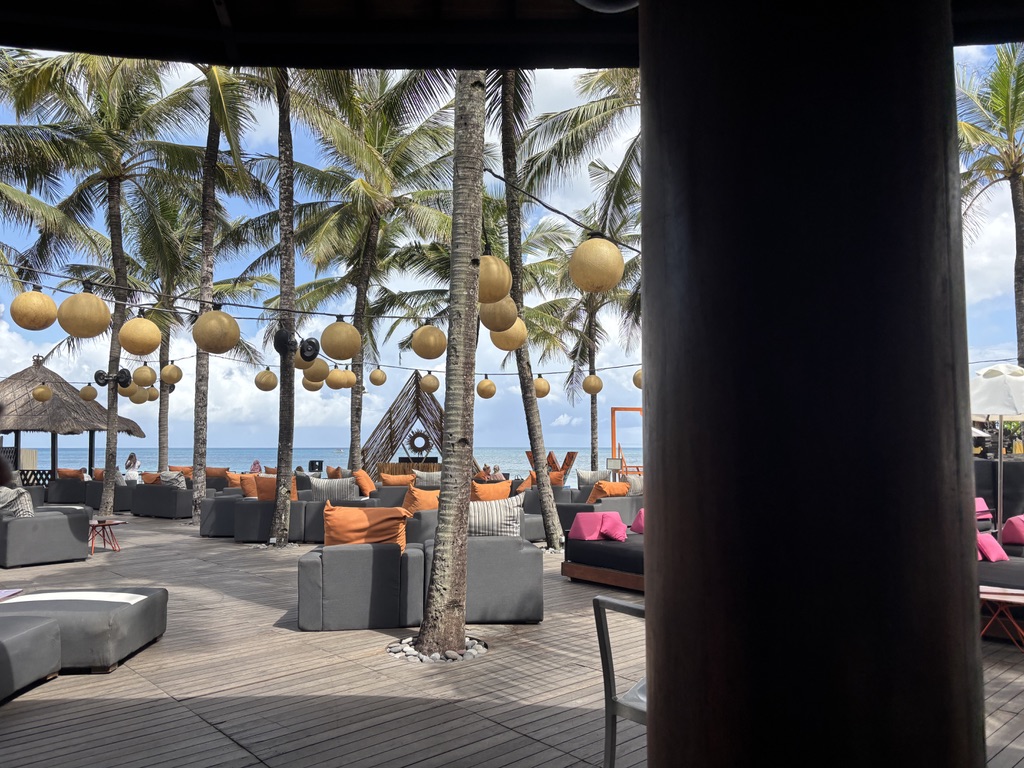
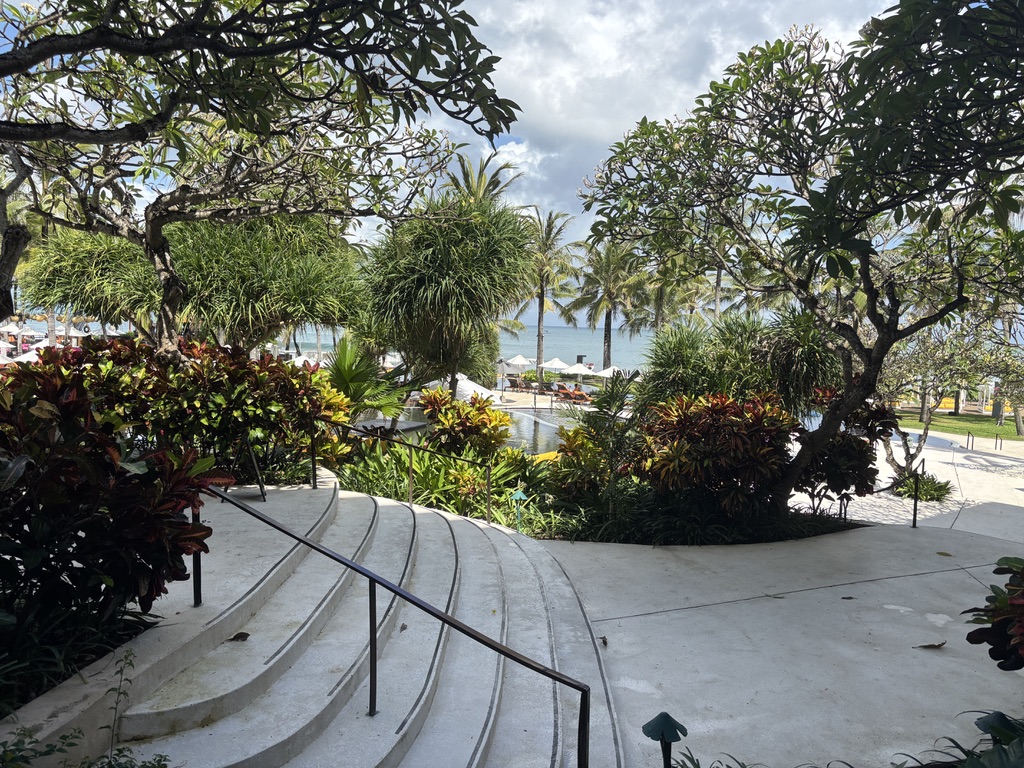
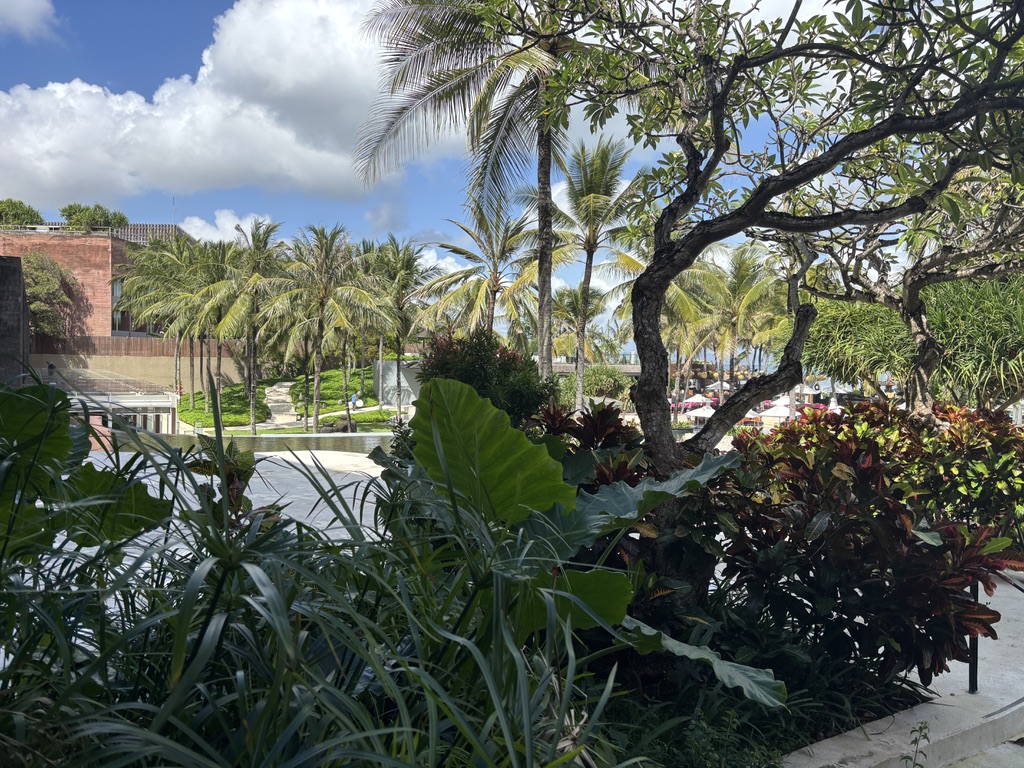
My family arrived in Seminyak in the midafternoon. We were staying at a hotel right at the water filled with palm trees, paper lanterns, and almost panoramic views of the ocean.
Between its breathtaking waterfalls, long, glittering coasts, and 13-foot-waves that are in every surfer’s dreams, it’s not hard to see why Bali is considered the island of the gods. Everything was stunning.
When I asked my aunt if I could learn how to surf she said “not a chance in hell,” since everything that goes wrong with me must later be explained to my father and how I got whisked out to sea on a surf board would not be one of those things. Bali is not for beginner surfers anyway, with waves that sound like thunder when they crash. Red flags were out on the beach from dusk to dawn, so there would be no swimming in the ocean for me during this trip.
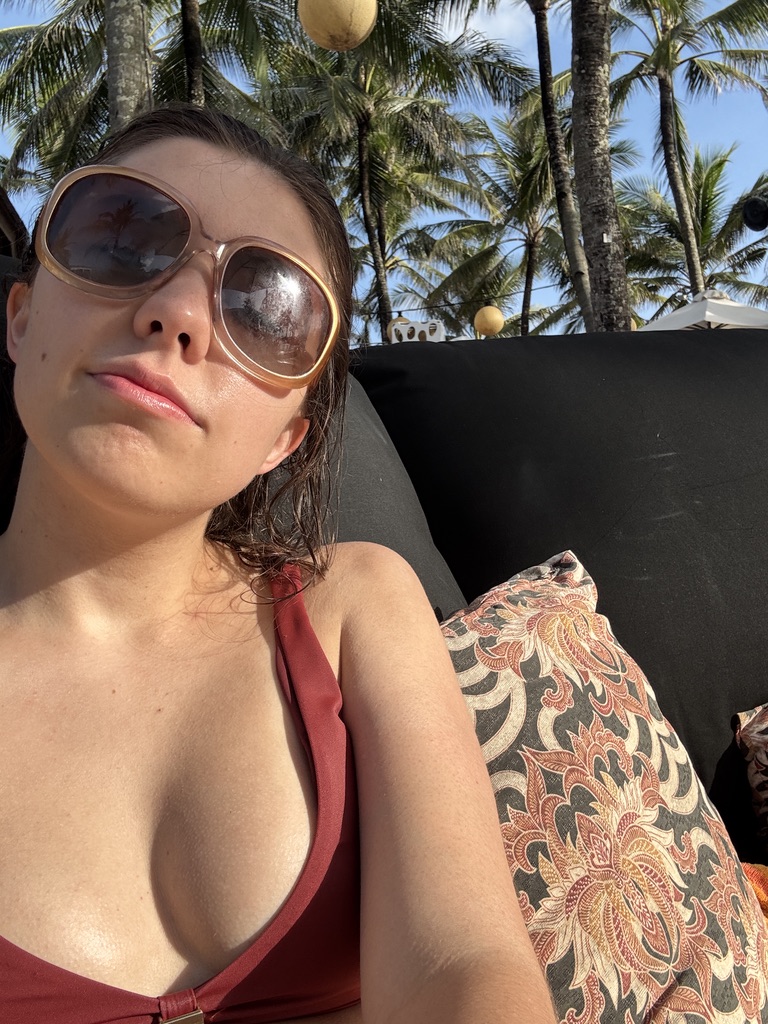
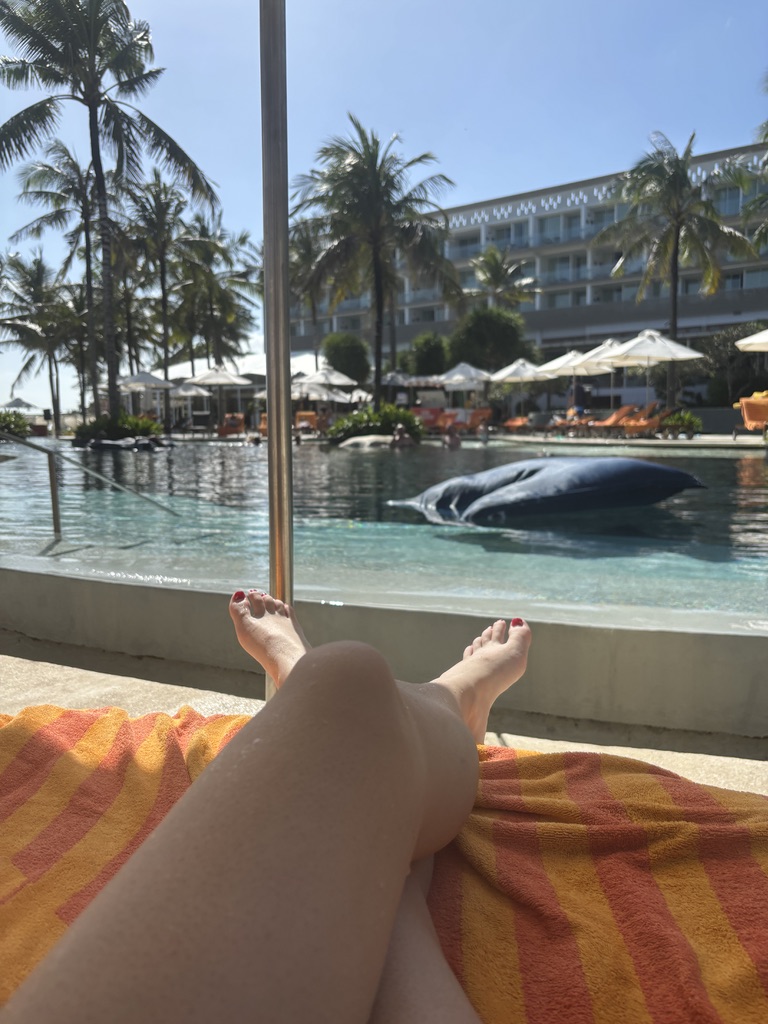
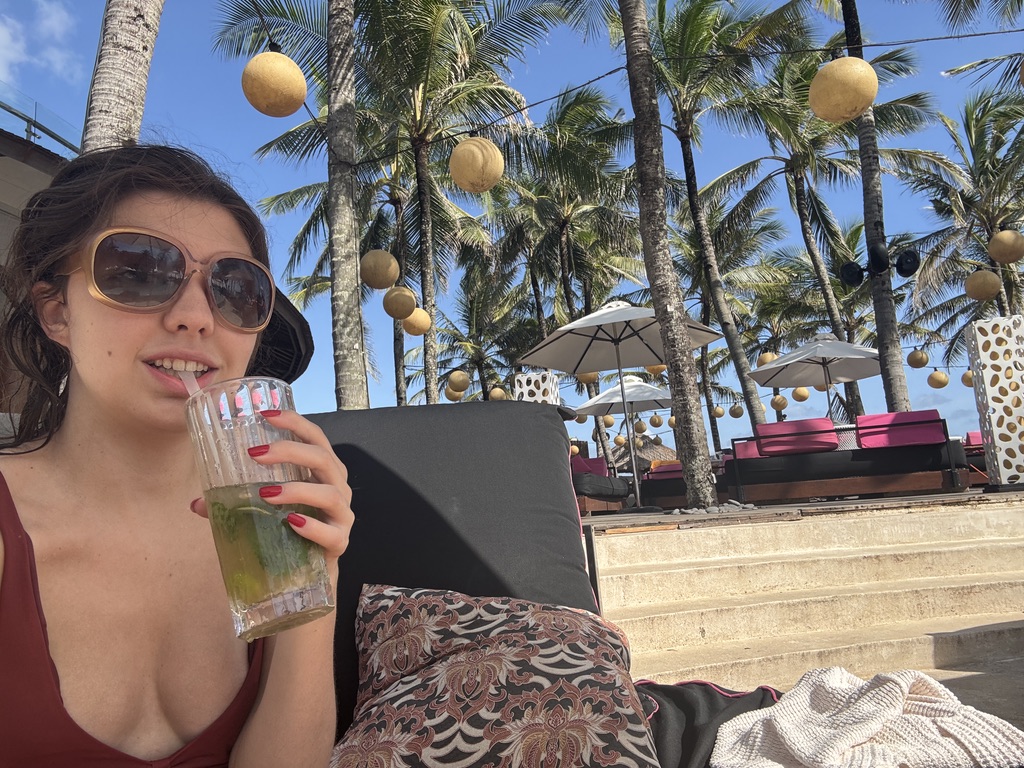
Instead, I spent my first day out by the hotel pool, floating around on a raft and drinking mojitos. I was blitzed out of my mind within minutes.
I had a wonderful time soaking up the sun, water, and booze, my dreamy, lackadaisical trip to Bali well underway.
We spent four days in Bali where there were more mojitos by the pool, but also trips to see waterfalls and temples and going for a swing ride over a rice terrace. The Island of the Gods treated me well.
The Tragic Queen,
Raquel
P.S.: Check out my blog post about my previous day in Singapore
It’s that time of year again, where I review all of the books that I read during the second half of the year and tell you whether or not you should read this book or that book.
I gave myself the lofty goal to read 80 books this year. Unfortunately, instead of reading 80 books, I read 58. If reading my master’s thesis counted towards my reading goal then I would have read 300 books this year.
I’m reminding myself that I still read more books this year than your average American has read since graduating high school and that I still read more books than there are weeks in the year.
The books I read this year ranged from the light, feely-goody to the denser, more intense novels.
Here are all of the books that I read during the second half of 2025.
Have you read any of these books? Let me know what you think in the comment section.
FCC Disclosure:
If you click on one of the links embedded in the book titles and purchase a book, I may receive a commission. Enjoy!
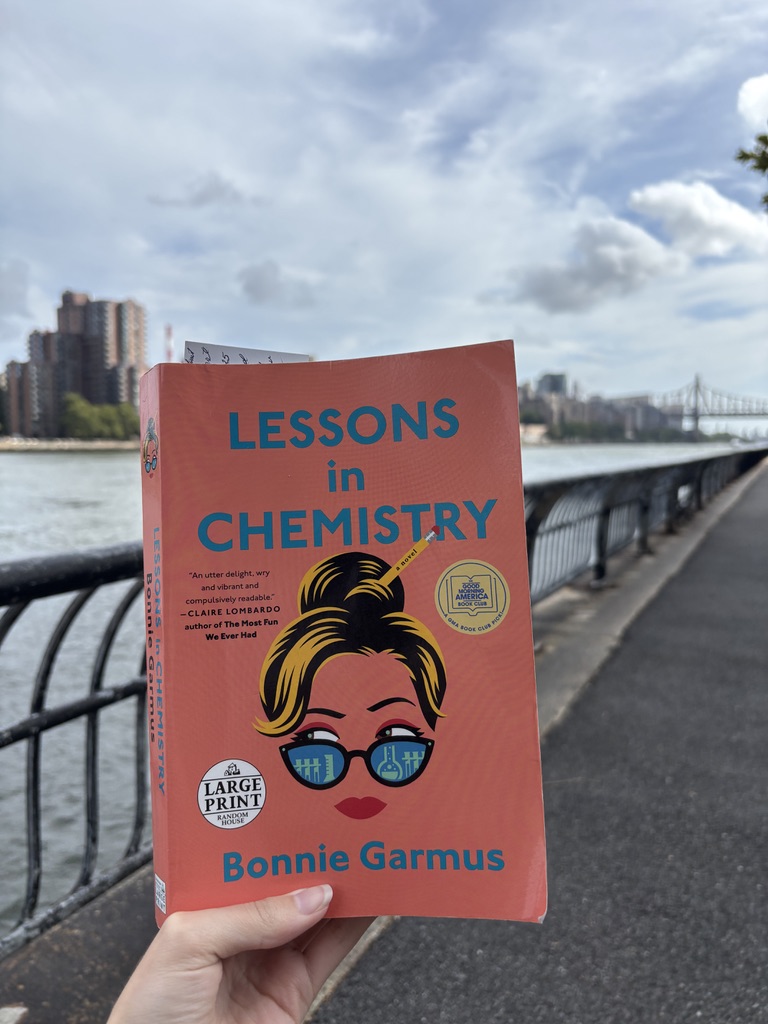
Lessons in Chemistry by Bonnie Garmus– I’m a little late to the game when it comes to Lessons in Chemistry. After experiencing every setback imaginable as a result of her sex, Elizabeth Zott goes from brilliant chemist working in a lab to daytime cooking show personality. Never one to back down without a fight, Zott takes the opportunity to educate the housewives of America on the basics of chemistry, manifestly changing society. I did not plow straight through this book like I did with Taylor Jenkins Reid’s modern historical fiction novels, but I found it inspirational and enraging with a satisfying ending. The plot was more complex than I had expected, weaving together numerous storylines seamlessly.
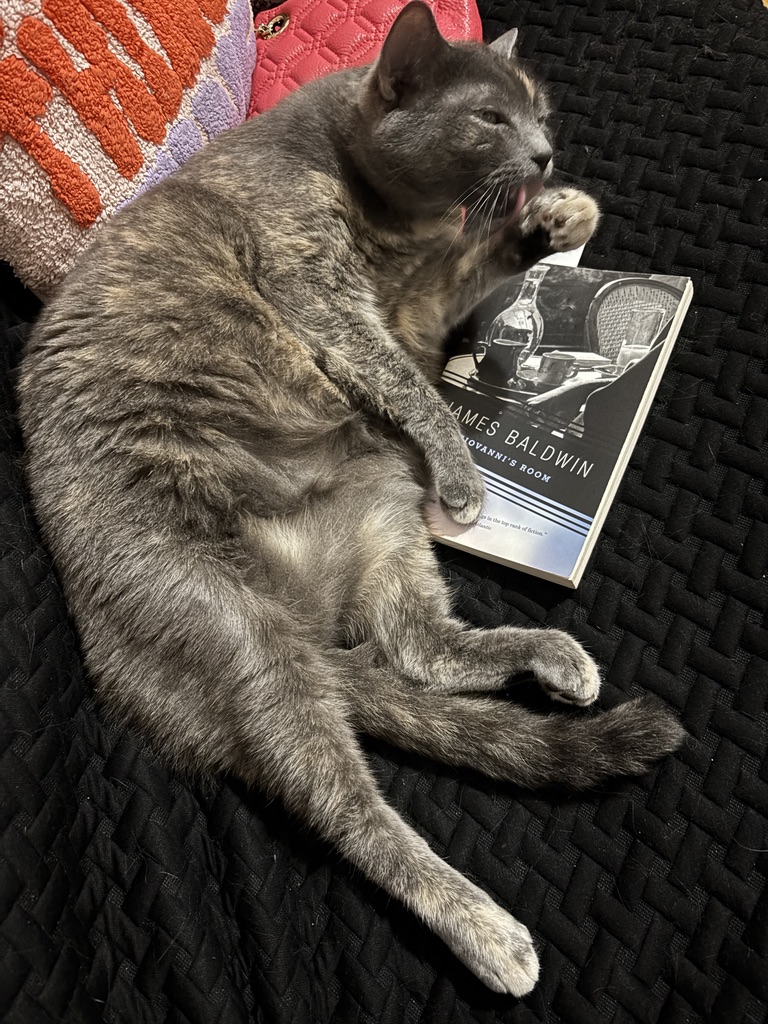
Giovanni’s Room by James Baldwin–I read this American classic as my first Baldwin novel. It is one of the first mainstream American novels that explicitly incorporated a same-sex relationship at the heart of the story. I loved the Parisian atmosphere utterly and completely and wish that I read it before venturing to Paris myself earlier that year. This felt like a nice foray into Baldwin and I can’t wait to dive into his other works. I could tell that I was in the presence of a great author from the jump.
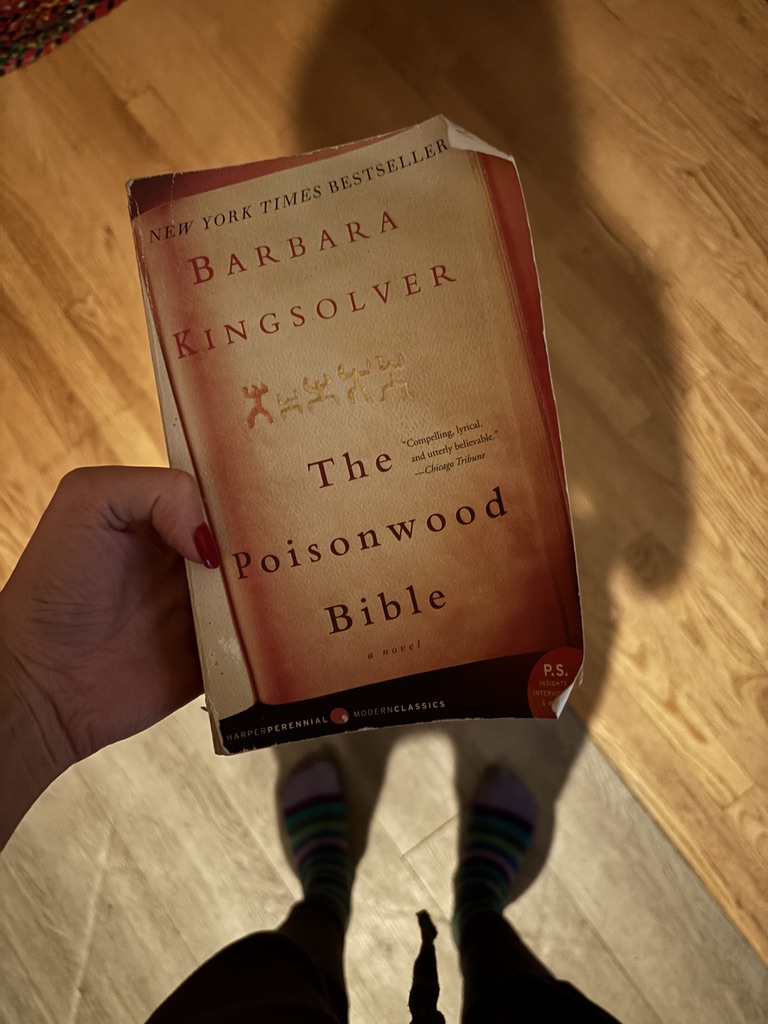
The Poisonwood Bible by Barbara Kingslover– If you enjoyed Purple Hibiscus by Chimamanda Ngozi Adichie, a novel that takes place in Africa and focuses on an abusive, hyperreligious patriarch, told from the perspective of a young girl, then this is the book for you. It oscillates between perspectives, assuming the voices of children, as they follow their pastor father to the Congo where he hopes to save souls. Kingsolver is excellent at writing in different voices, letting you know which characters are young and which ones are stupid without coming right out and saying it.
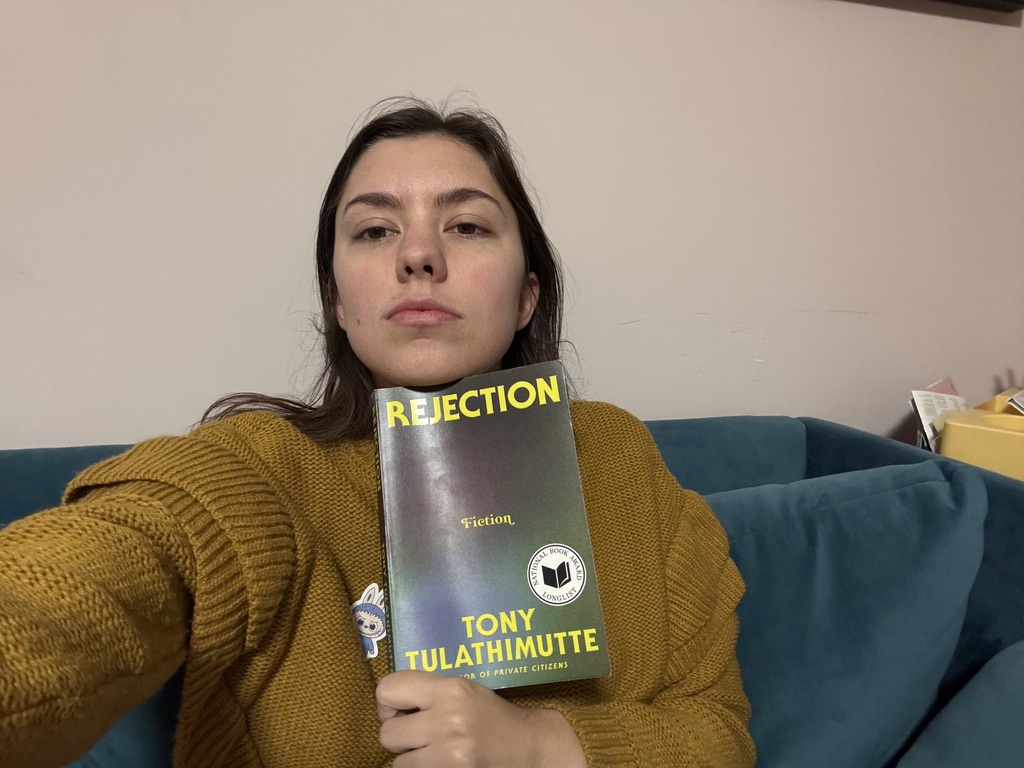
Rejection by Tony Tulathimutte– This book hurts. Rejection is a collection of short stories and is a national book award winner. Each story is told via escalation as the character’s lives get progressively worse. Each short story contains a chronically lonely character that digs themself into a deeper hole, unable to escape the modern hellscape in which we are all collectively living. Tulathimutte’s writing is smart and confident as he makes sharp observations about the trials of modern-day dating and superficial friendships. He points out the ways in which we muzzle out all intimacy and meaningful relationships through the ubiquity of porn and the intersection of internet culture into our daily lives. Despite how tried and true this expression is, Tulathimutte “holds a mirror up to society.” Upon reading this collection you will never want to touch porn, social media, and dating apps ever again in an attempt to get your life back. He uses many conventions of modern writing: the obligatory short story that is told in second person, playing fast and loose with the quotation marks, and, of course, being meta.
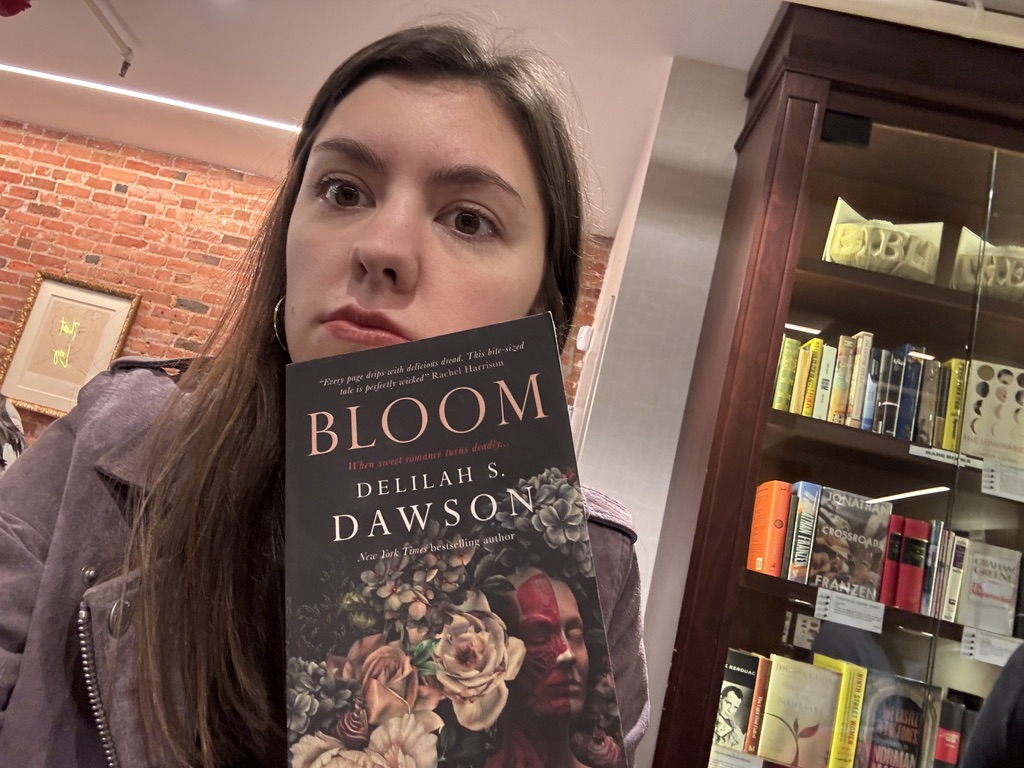
Bloom by Delilah S. Dawson– I have been left physically unwell by this book. It is a horror novel and it is indeed horrifying so it is successful in its aim. I proceeded to watch Golden Girls as a chaser once I was done reading it. The protagonist ignores a series of red flags in pursuit of a beautiful, alluring stranger. I spent the entire time reading it, saying the Whoopi Goldberg quote from Ghost over and over again in my head: “you in danger girl.” I am not sure why I decided to read a horror novel. I do not like horror novels and yet I read it, so I should probably not leave a review of something that I am biased against. It is a slim novel and if horror novels are your thing, you can knock this out in a matter of days or hours.
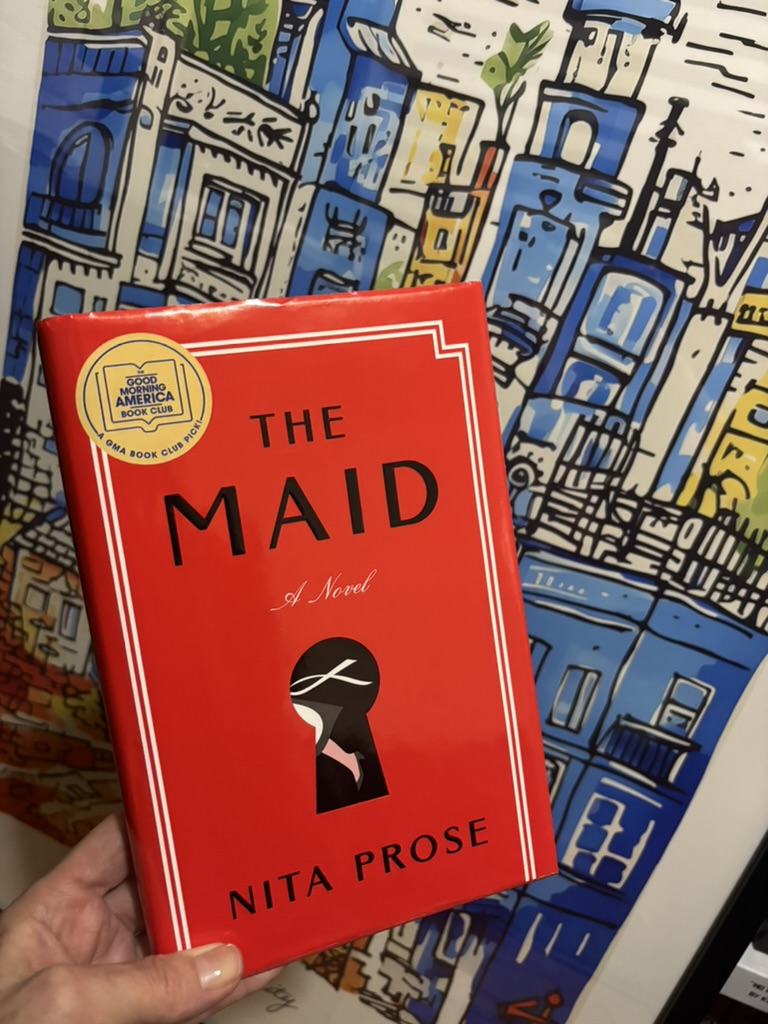
The Maid by Nita Prose– Everyone shits on the protagonist for the duration of the novel, making it brutal to read at times. This novel has much to do with grief. If you enjoyed Convenience Store Woman by Sayaka Murata you will like this one as well, with its chronically misunderstood protagonist that is heavily implied to be autistic, and the way in which no one around her can comprehend how she finds her menial job fulfilling. The novel turns into a whodunnit in the end and I did not like who did it, but other than that, the novel is an enjoyable read.
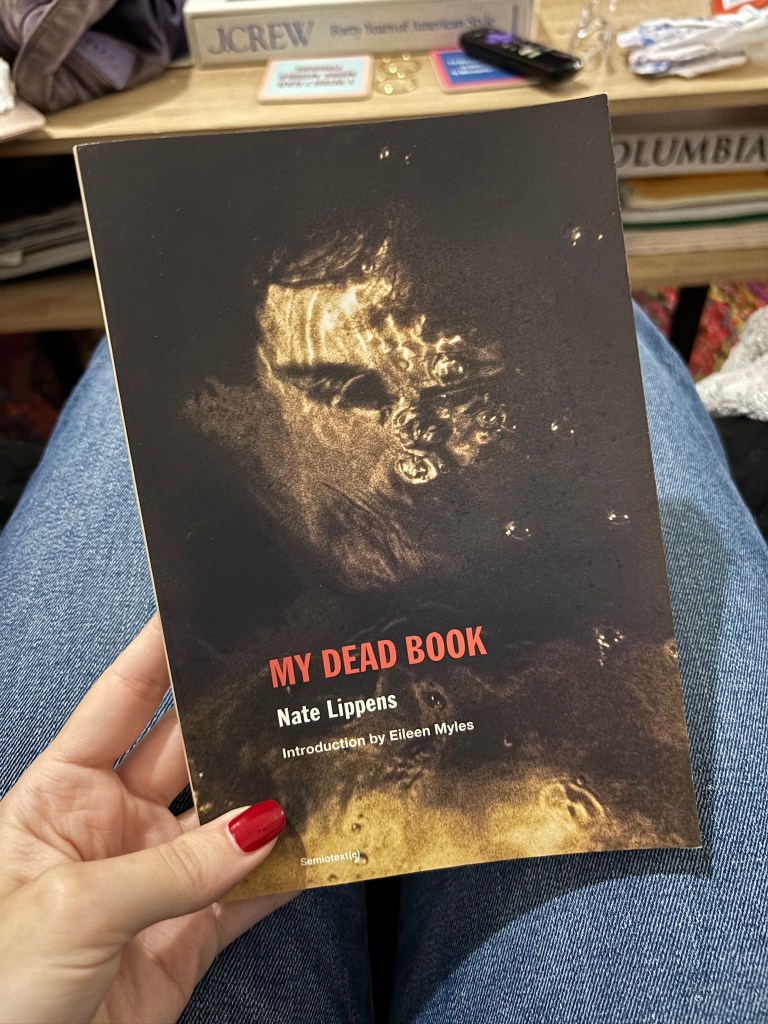
My Dead Book by Nate Lippens– After losing his friends to drug addiction, suicide, and AIDs, the narrator reflects on his relationships. This novel serves, not just as an elegiac story about his deceased friends, but also as a reminder of what life was like in the 80s and 90s, offering no nostalgia for an era marred by the AIDS epidemic. For the narrator, it was a lawless, thankless time as a teenage sex worker. The prose is neat and pretty. I felt like the book could have been longer, so that I could sink my teeth deeper into the topic of lost friends and grief, but I enjoyed what I did read.
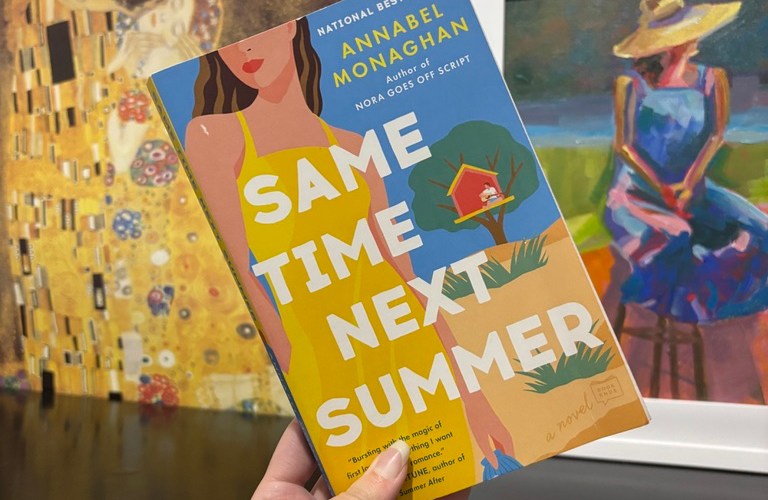
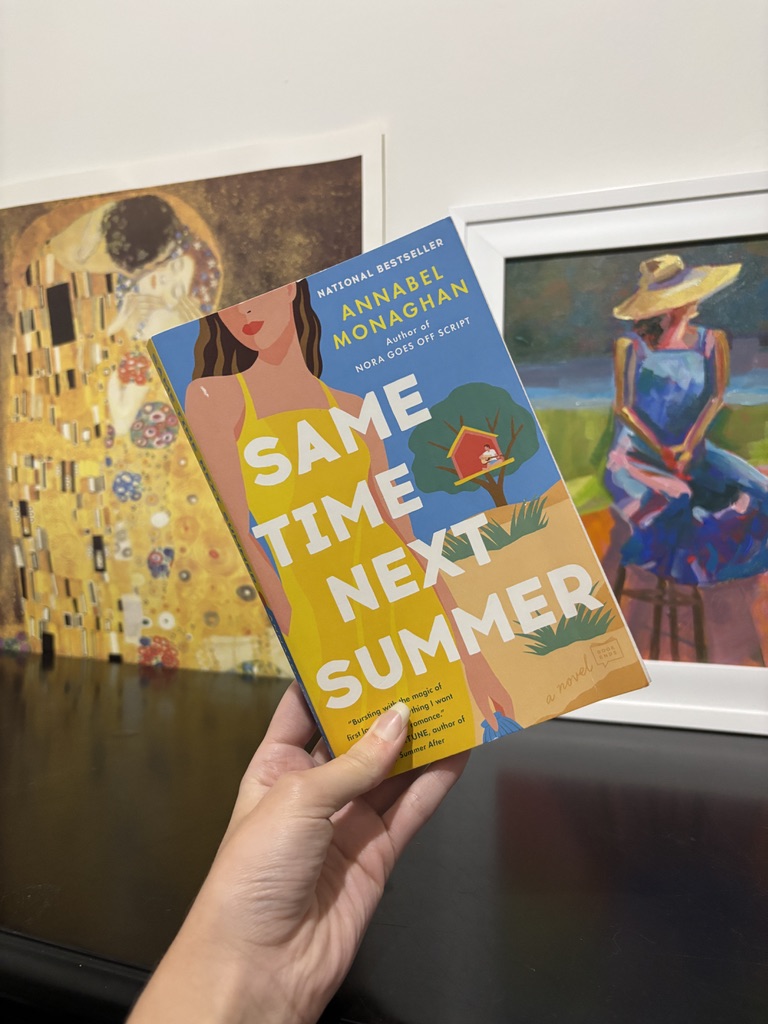
Same Time Next Summer by Annabel Monaghan– Monaghan does a great job of depicting people as stodgy without coming right out and saying it. This book is for lovers of Every Summer After by Carley Fortune and Love and Other Words by Christina Lauren, but who want to read a version with less trauma and less sex.
It’s A Love Story by Annabel Monaghan– In order to bring her dream project to fruition, Jane must work with her annoying coworker who also happens to be smoking hot (eyebrows raised). Monaghan keeps her sex scenes as broad strokes, never getting too graphic. If you like endless discussions of The Notebook– the film, not the book– then this book is for you. If you enjoy depictions of child stardom, ala I’m Glad My Mom Died by Jeanette McCurdy, then this book is also for you.
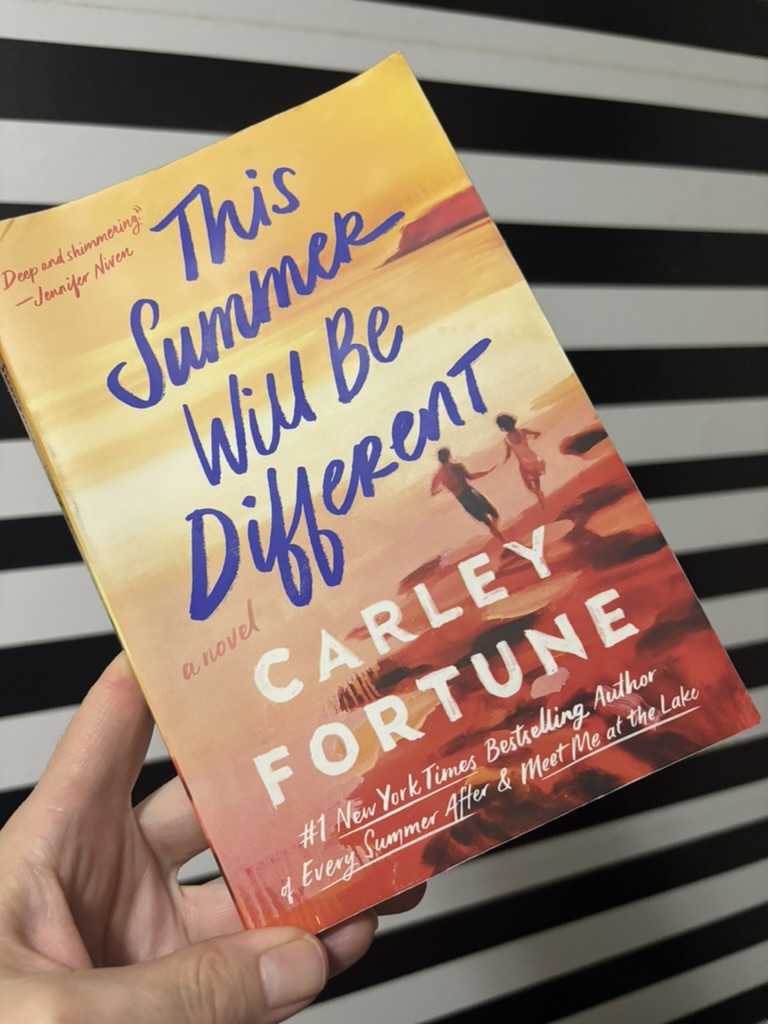
This Summer Will Be Different by Carley Fortune– Like Carley Fortune’s other books, this book is sweet and hopeful. There is hot sex, sexual tension, and more sex. It is repetitive at times, as the narrator feels something every time she looks at the novel’s brooding male love interest. The main character is a woman who is on the wrong path in life and, through the events of the story, learns how to prioritize herself.
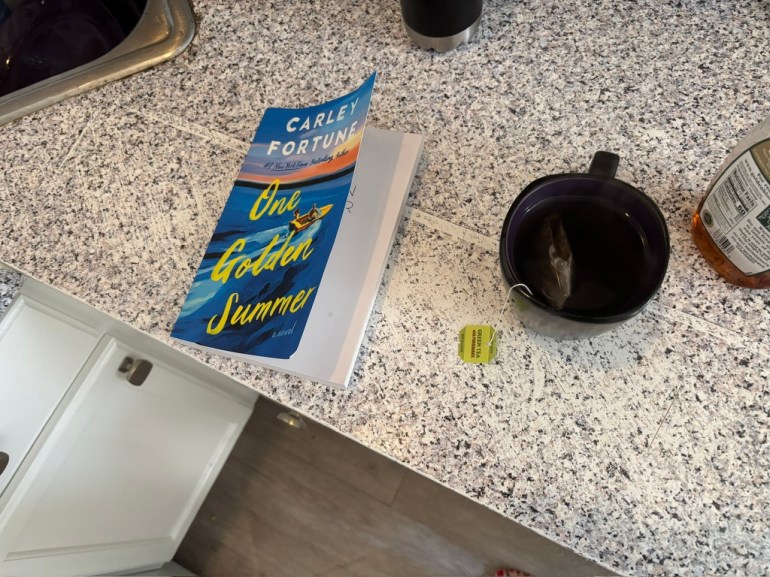
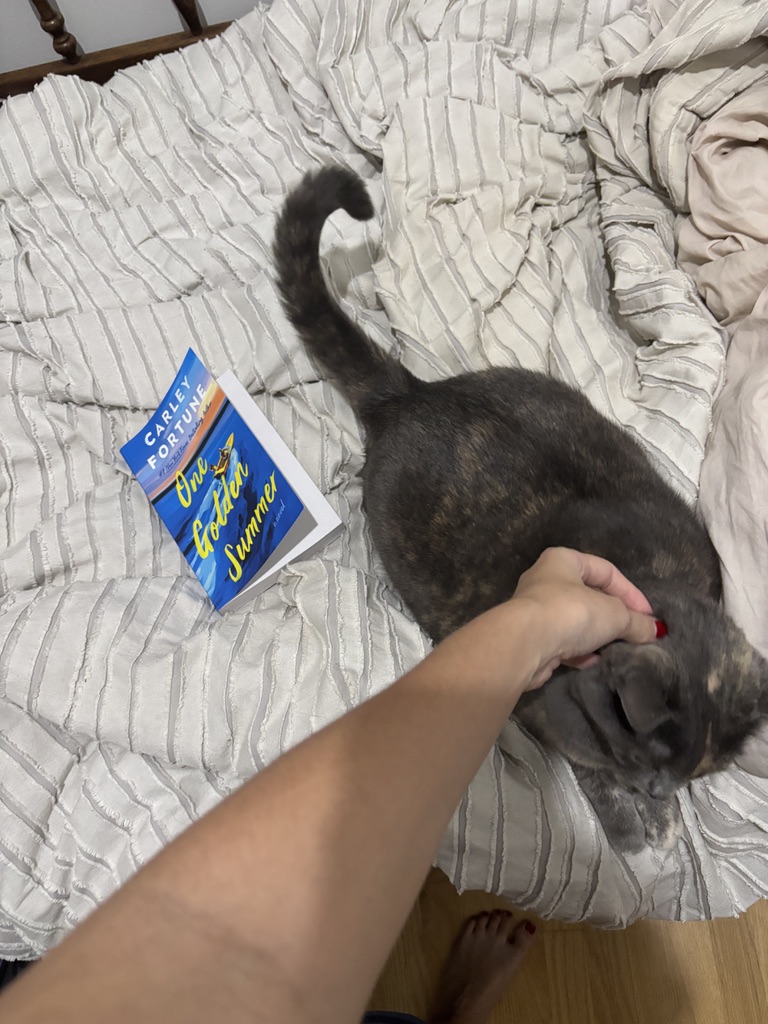
One Golden Summer by Carley Fortune– Carley Fortune is a master of female-centric beach reads. The men are hot. The women are relatable. It is escapist fiction. This novel is a sequel to Every Summer After, which was heavily inspired by Love and Other Words by Christina Lauren, but the book is good fun.
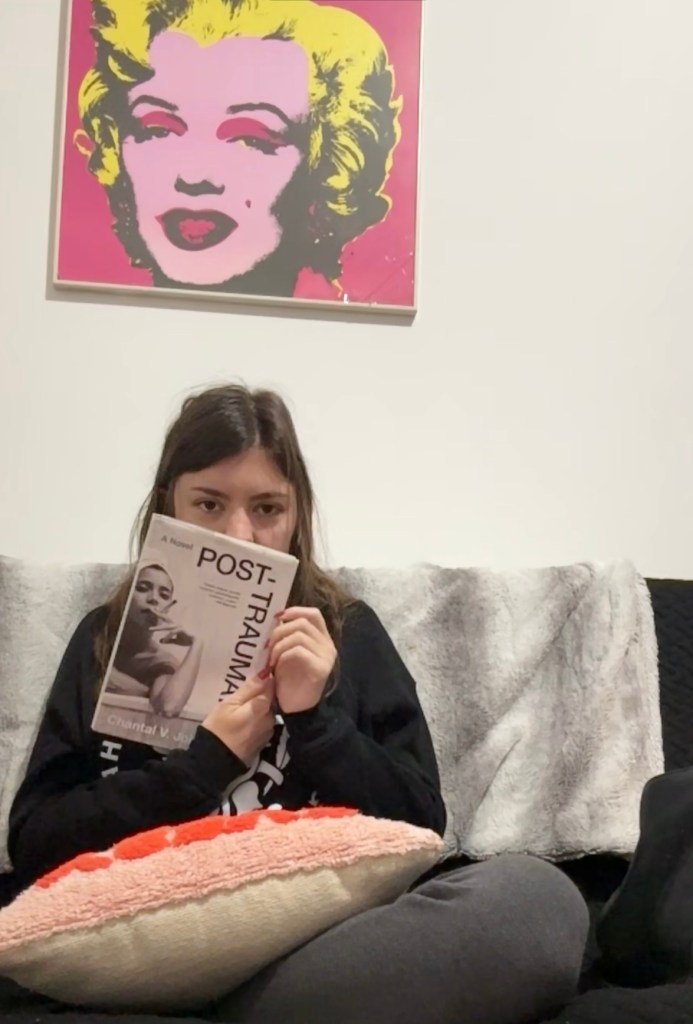
Post Traumatic by Chantal V Johnson– Despite being about a lawyer who represents children in psychiatric care, the novel focuses more heavily on the day-to-day life of a woman as she diets and dates, all in the shadow of her past traumas, hence the novel’s title. This novel leans too heavily into the mundane: dating, possibly having an eating disorder, snooping on someone’s instagram page, getting high with your best friend, having sociopolitical, echo-chamber-clad conversations with said best friend, and feeling self-conscious about your partner’s ex. It is, unfortunately, not interesting. Her past traumas are never fully explained, leaving a gap in the narrative. This novel contains so much commentary on social issues throughout, being conveyed mainly through dialogue, but in a manner that feels clunky and sanctimonious.
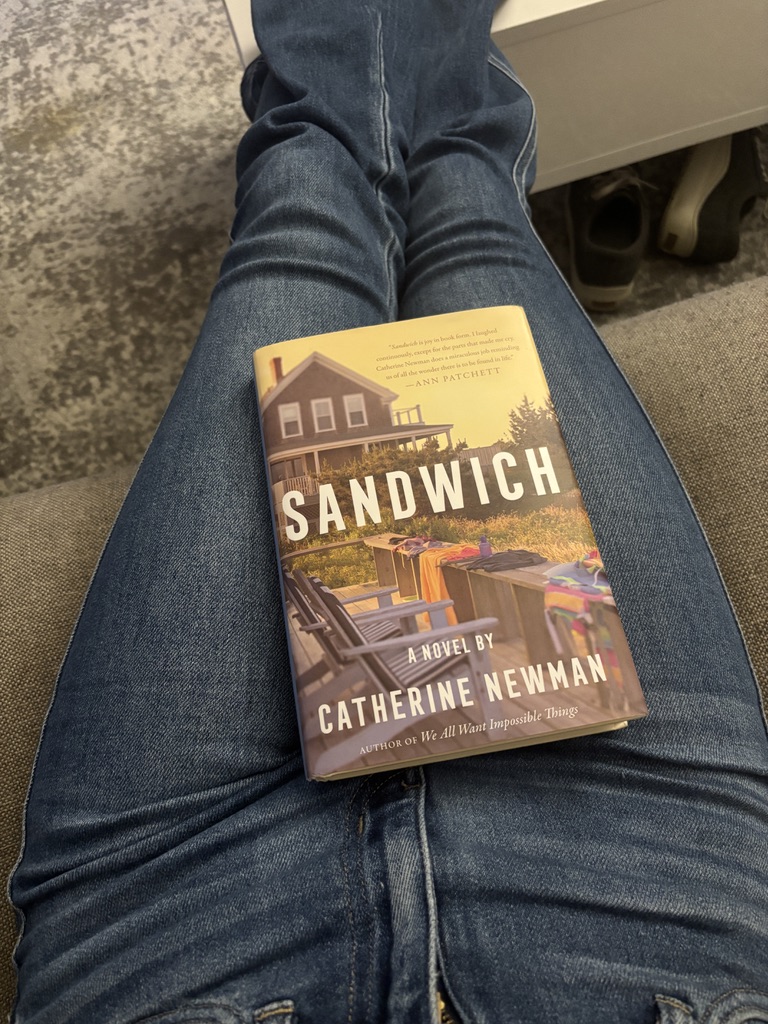
Sandwich by Catherine Newman– Sandwiched between her parents’ generation and her adult childrens’ generation, Rocky reflects on her life before and after having kids and the choices that she has made while on a family vacation to Cape Cod. She is expected to act as a caregiver to her children, parents, and to a lesser extent, her husband, stretched thin across them. The story is very frank about abortion and miscarriage, making for a strong commentary on motherhood and womanhood.
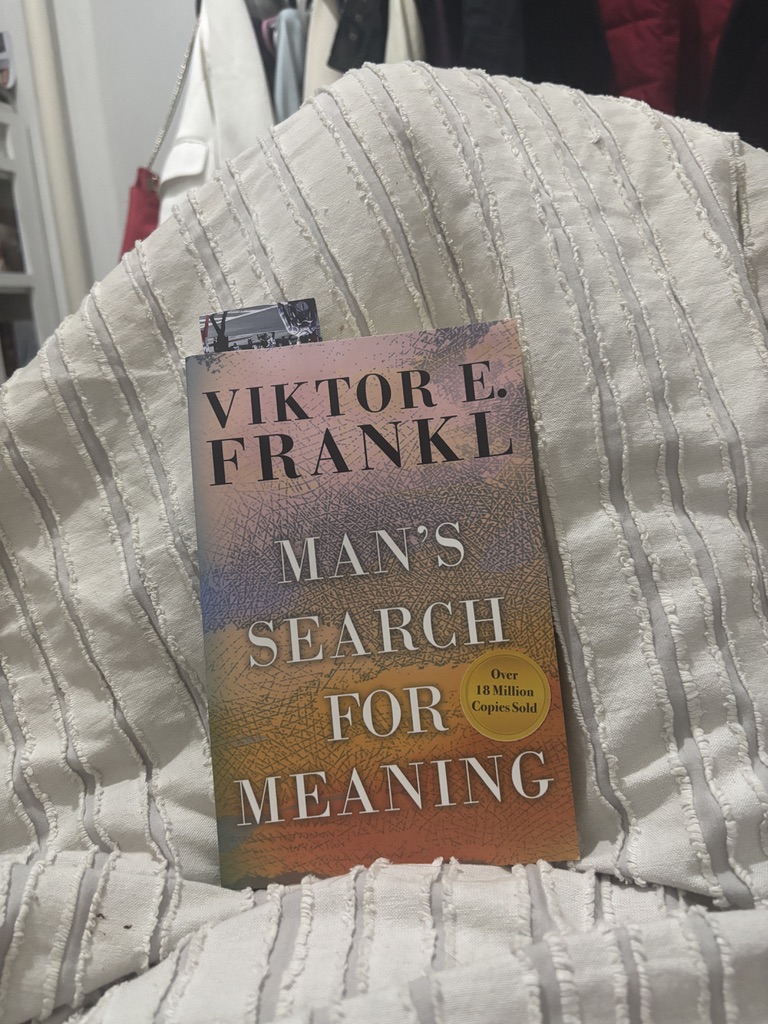
Man’s Search for Meaning by Viktor E. Frankl–In this acclaimed memoir, Frankl describes what life in the concentration camps was like and his search for meaning afterwards as a Holocaust survivor. As a neurologist and psychologist, Frankl is able to break down purpose in human life, which he yokes into three categories. This is obviously, not a light, rompy read, but a serious examination of life as we know it, told from a narrator who has faced suffering that most of us, hopefully, will never be able to fathom. Pick this book up and see if it enriches your human experience. Fingers crossed that it will.
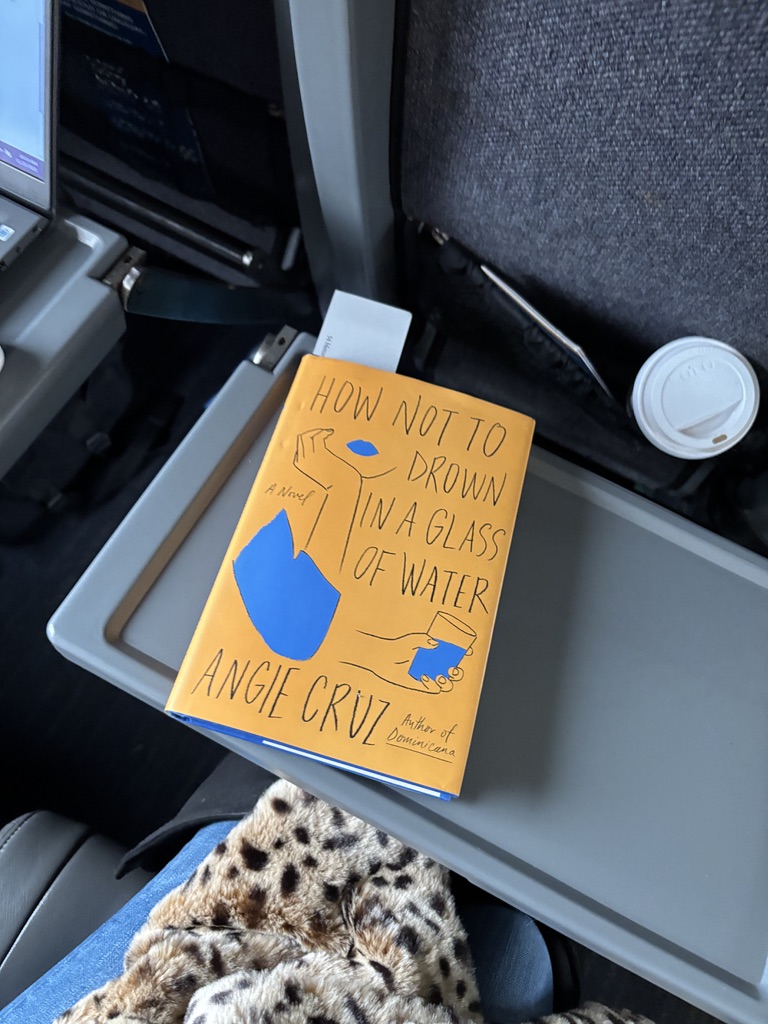
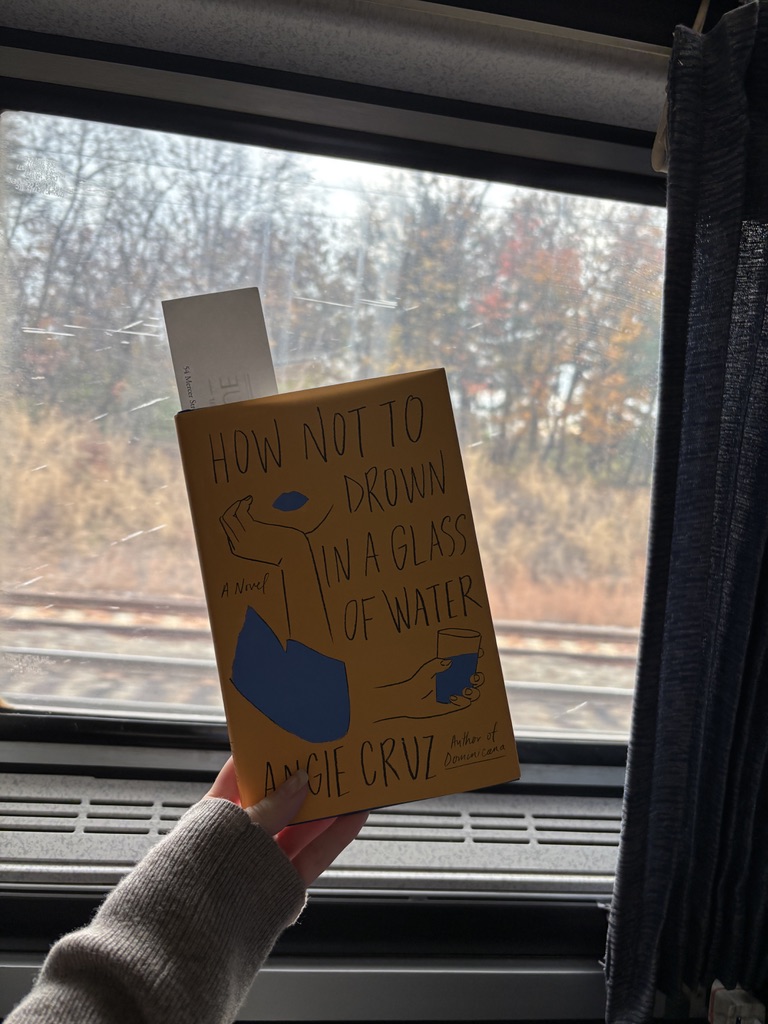
How Not to Drown in a Glass of Water by Angie Cruz– Long live Cara Romero. This novel takes place in the shadow of the 2008 recession as the protagonist, Cara Romero, tries to find work. She is likable and interesting even as she confesses to some unsavory things, while rattling on about her day. It was a bit of a nail biter for me as she tried to get a job and keep her apartment in a terrible job and housing market.
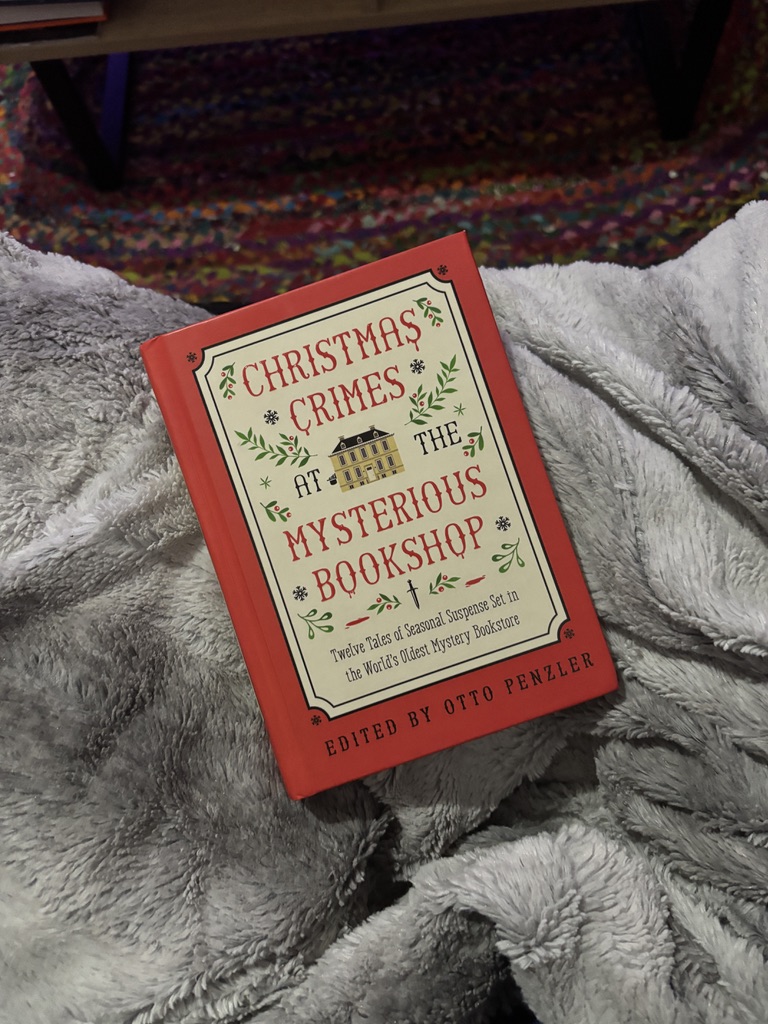
Christmas Crimes at the Mysterious Bookstore, edited by Otto Penzler– Is a short story collection of 12 mysteries, each written by various authors. Every story is centered around the holidays and the mysterious bookstore, the oldest mystery bookstore in the world. Like most short story collections written by multiple people, the stories are pretty hit-or-miss, but what’s clear is that every author is very talented. This is a fun, cozy read before the holidays about a bookstore that I have personally been to and enjoyed. If you like mysteries and the holidays, I would pick up this collection.
Favorite Short Story: Here We Come A-Wassailing by Thomas Perry
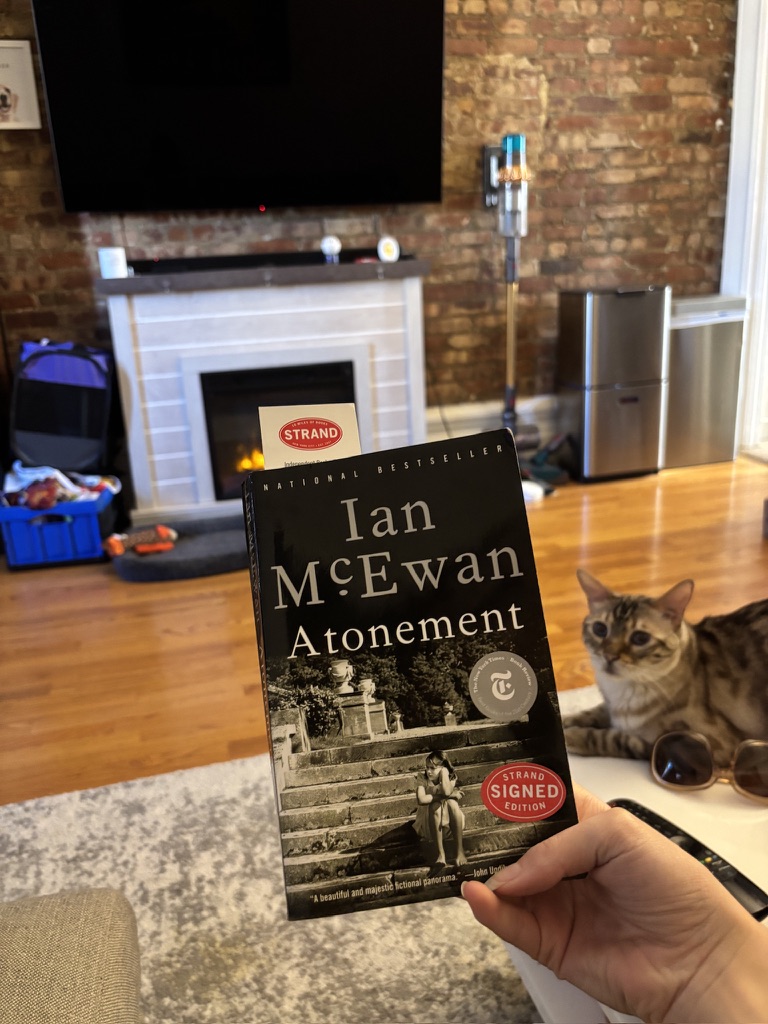
Atonement, ft. a friend’s cat
Atonement by Ian McEwan– Atonement is a stylish novel set against the backdrop of World War II and is all about how one lie can ruin countless lives. The novel deals openly with children being in danger, false accusations, and warfare. It’ll make you question what truly counts as atonement. Those familiar with the Kiera Knightly and James McAvoy film will know all about the iconic green dress, but there is also serious betrayal and heartbreak.
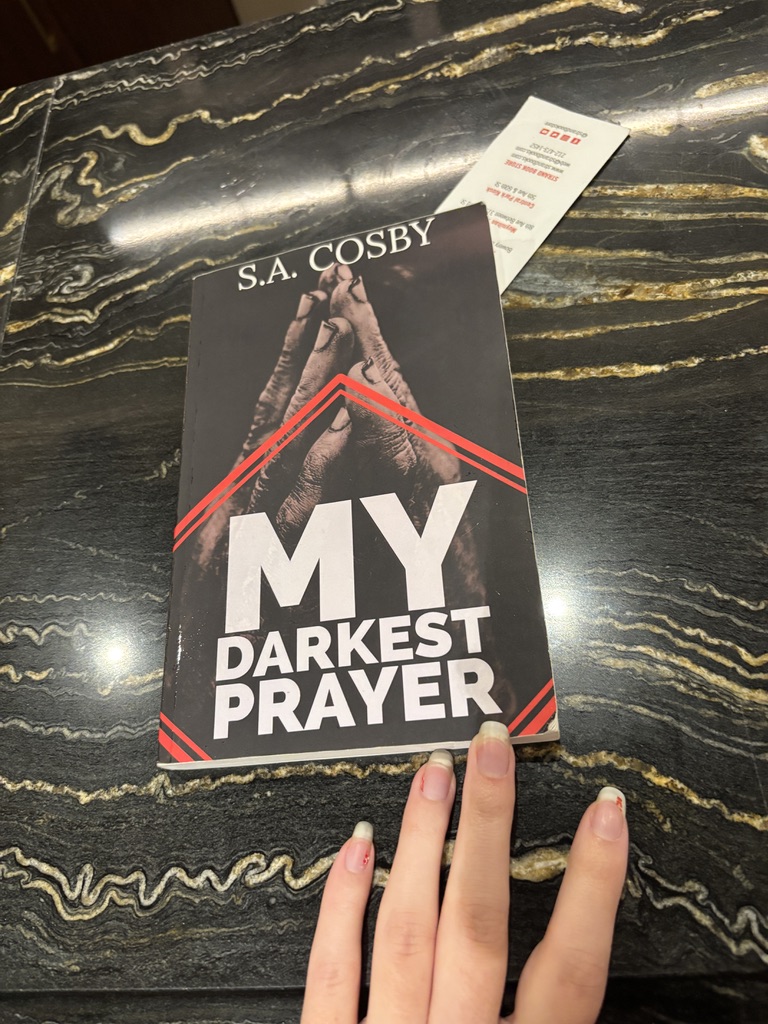
My Darkest Prayer by S.A. Cosby–This self-published debut is the start of my reading of Cosby’s work. For those who don’t know, he’s a thriller writer who sets his novels in the south. The novel is gory and violent, filled with vigilante justice. I felt that this novel was a strong debut, even if it was lacking in a few places. I look forward to reading more of Cosby’s work in the future.
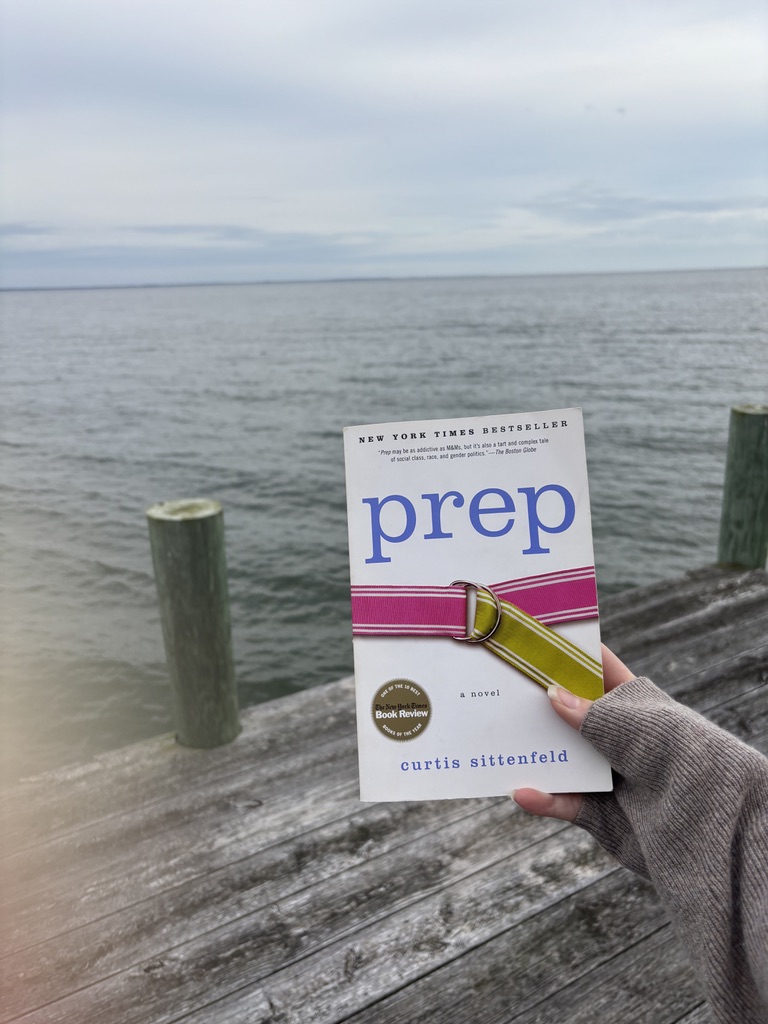
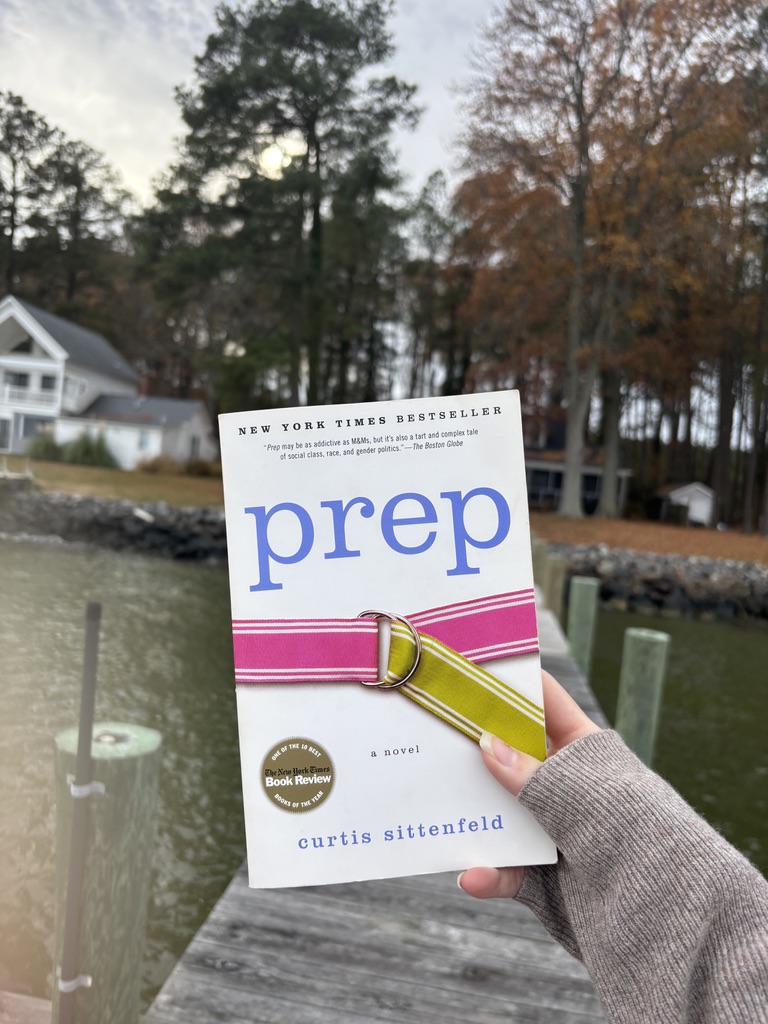
Prep by Curtis Sittenfeld– This novel sums up the pains and awkwardness of adolescence: the crushes, the insecurities, and the bad decisions that only present themselves as bad decisions years after the fact. For all of her faults, the protagonist, Lee, feels honest and believable, as she gets in her own way at every turn. The novel investigates class, race, and first romances (if they can even be called that) in a way that feels organic. Sittenfeld captures the gut-punches of growing up, set against the backdrop of an elite prep school, a world that I don’t know and, based on this book, do not want to know.
I read so many great books this year that I found it hard to narrow it down to a top three.
For one of my final days in Singapore, my aunt and I decided to attend a tea ceremony.
My aunt knows all about my love of tea, which some might call an obsession (I have an entire tea cabinet) and so we set out to learn what it takes to have a proper tea party.
We went to “Teahouse by Yixing Xuan,” for a private tea lesson, in which I learned more about tea than I ever thought possible, like how all tea contains caffeine, including caffeine-free tea, because of how it grows in nature, and that white tea is often in skincare products due to its skin benefits. The takeaway was clear: drink white tea if you want to delay the aging process and only drink tea if you want to stay up at night.
The instructor walked us through a traditional tea ceremony while we ate dumplings. We watched as he strained hot water through loose leaf tea in an almost mesmerizing display and then we got to partake on the tea that we made. I was able to practice being the one to pour and make the tea until I felt ready to repeat the steps with my daily tea.
After that we stopped for ice cream at a place called, “Birds of Paradise.” They specialize in unique ice cream flavors, which is how I ended up having chrysanthemum-flavored ice cream, a sweet, but not too sweet treat that I cannot recommend enough.
I spent some time that afternoon at the Asian Civilization Museum, learning about Asia’s history from the silk road to the opium wars, and all of the major world events that I learned about in AP world history class.
We ended our day by going to the Van Gogh immersive experience, a traveling art show that projects Van Gogh’s artwork while a narrator tells you about his life. You’re bathed in the artwork until you feel like you’re a part of it, soaking up the paint. It’s calming in a way that you wouldn’t expect, lulling you to sleep if you’re not careful. We learned about Van Gogh’s life, while mixed in with his stars and sunflowers.
Overall, it was a nice day of sipping tea, eating ice cream, and staring at art. What could be better?
Shortly thereafter, we called it a day, so that we could prepare for our trip to Indonesia the next day. More on that later.
–My grandfather who was drunk and also in a bad mood
I have been to many great art museums around the world and had a host of different experiences: The Ufizi– got told to move out of the way of the Birth of Venus painting by a man in a tour group who probably doesn’t support women; the Musée d’Orsay– was yelled at in French by a security guard who probably was telling me not to lean over the edge of the balcony so that I wouldn’t fall to my death; The Metropolitan Museum of Art– once watched Dracula there (1937) and a black and white German expressionist vampire film for some reason; The Guggenheim– got dizzy walking up it; MoMA– went to it during the pride parade in Chelsea and saw it in its fullest of glory; The Louvre– took a photo of the most photographed painting in the world
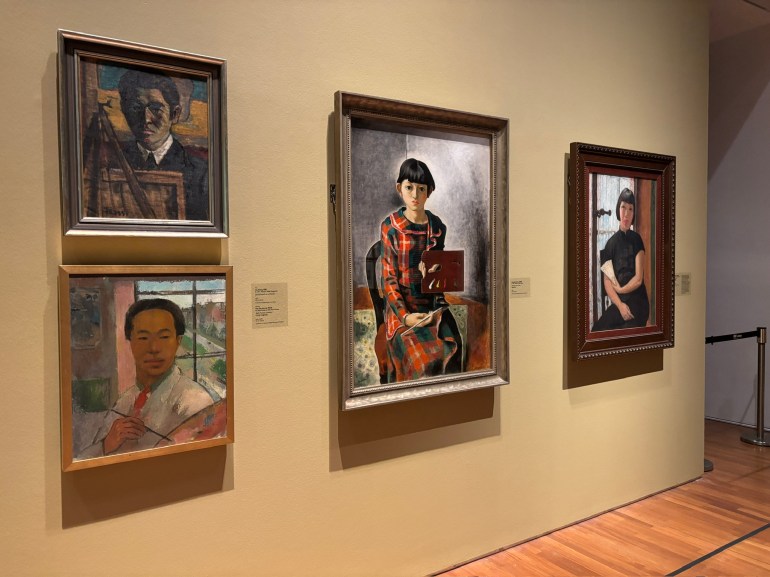
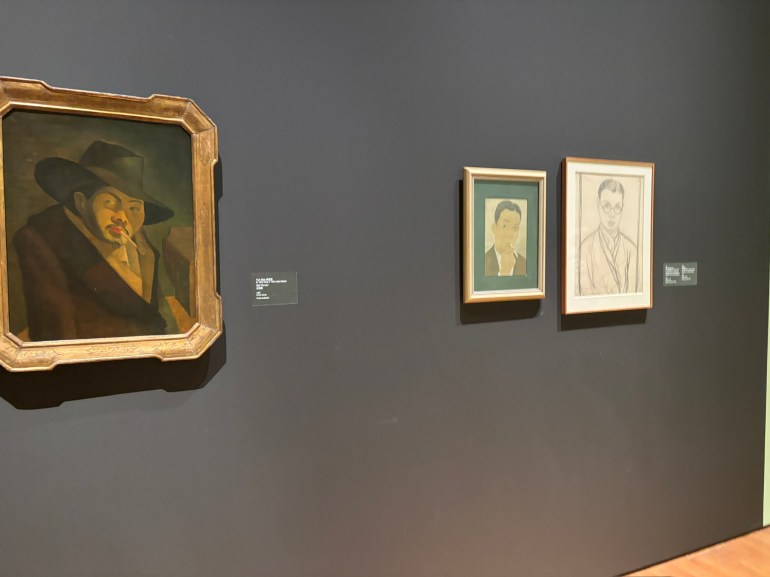
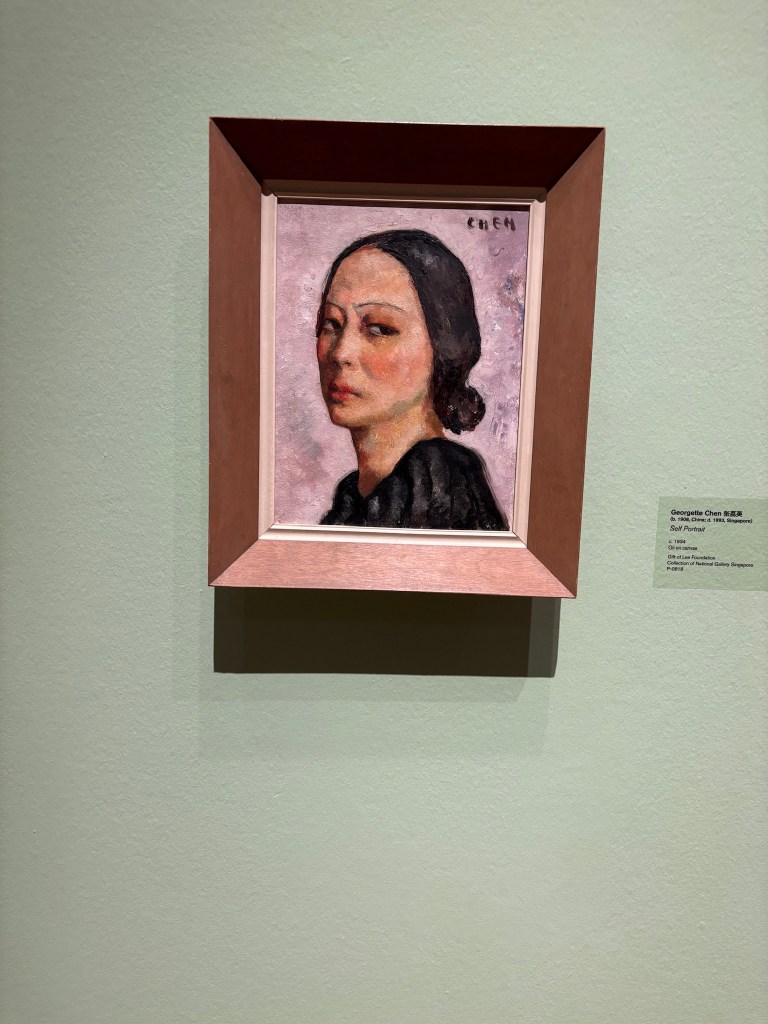
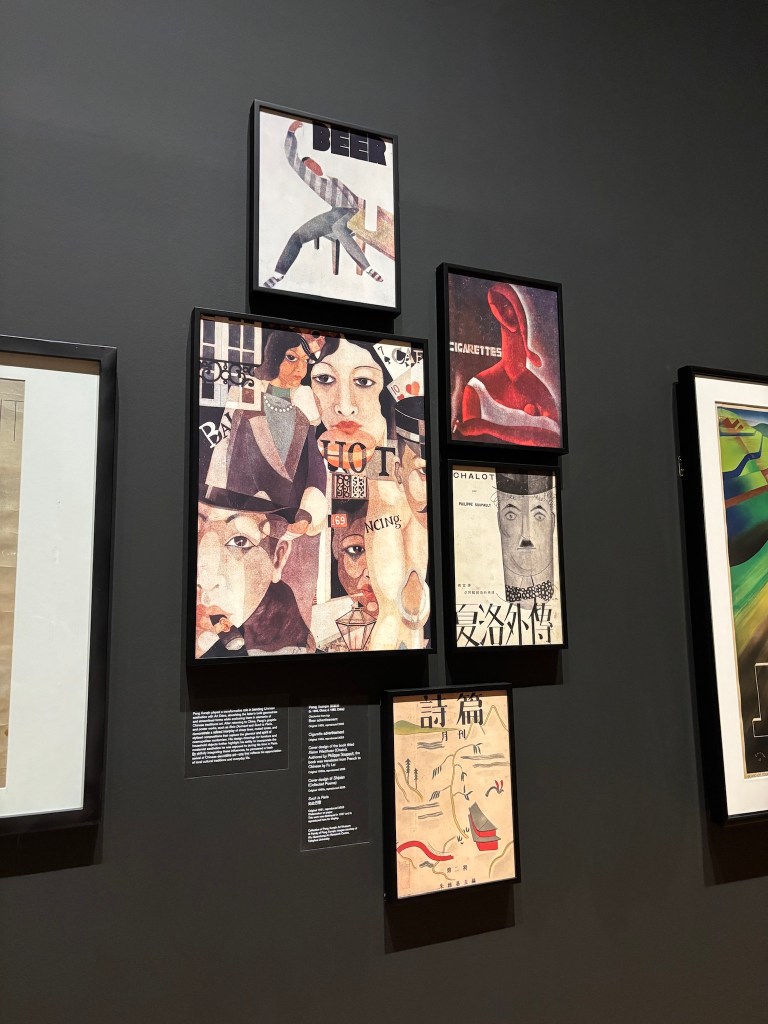
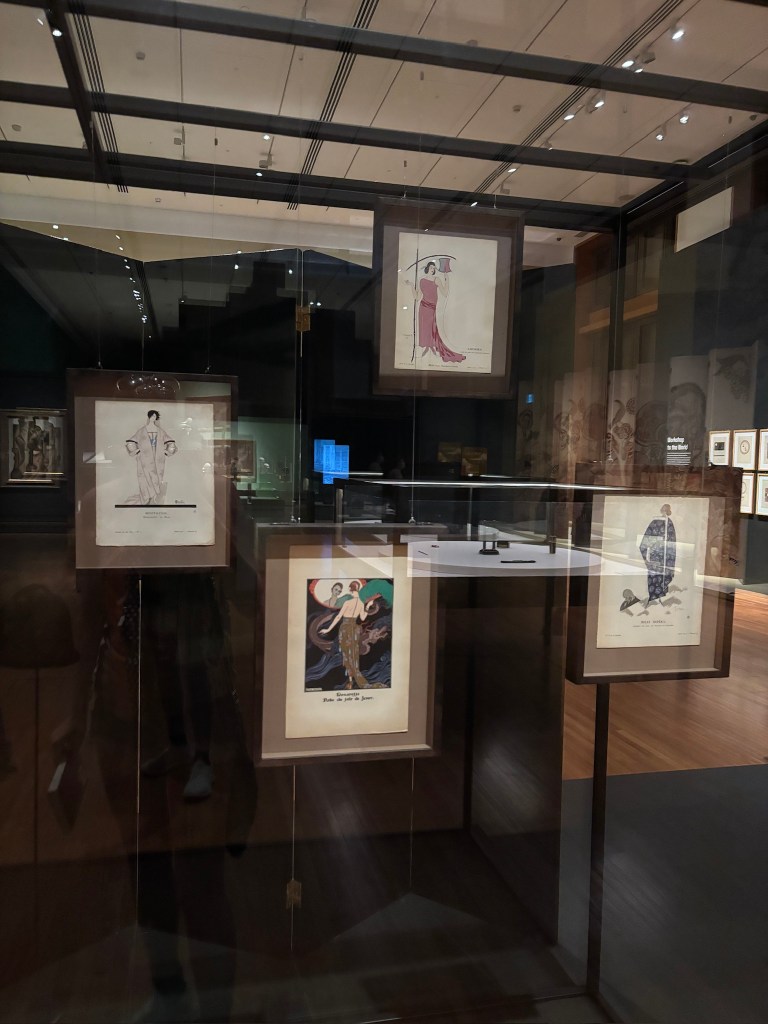
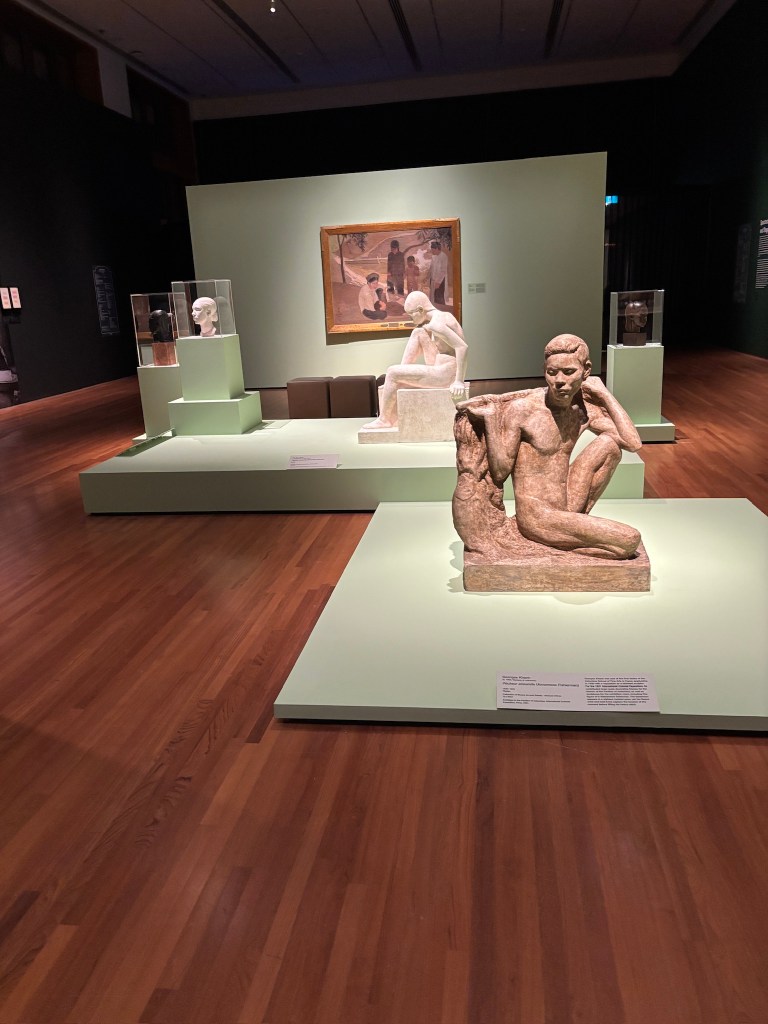
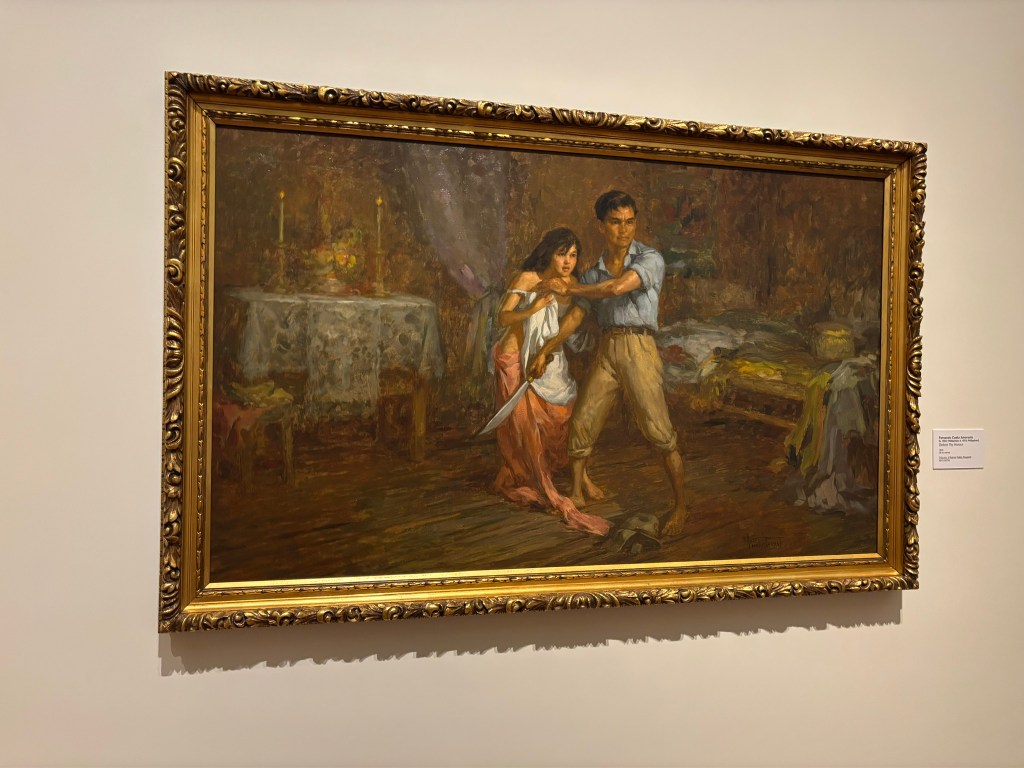
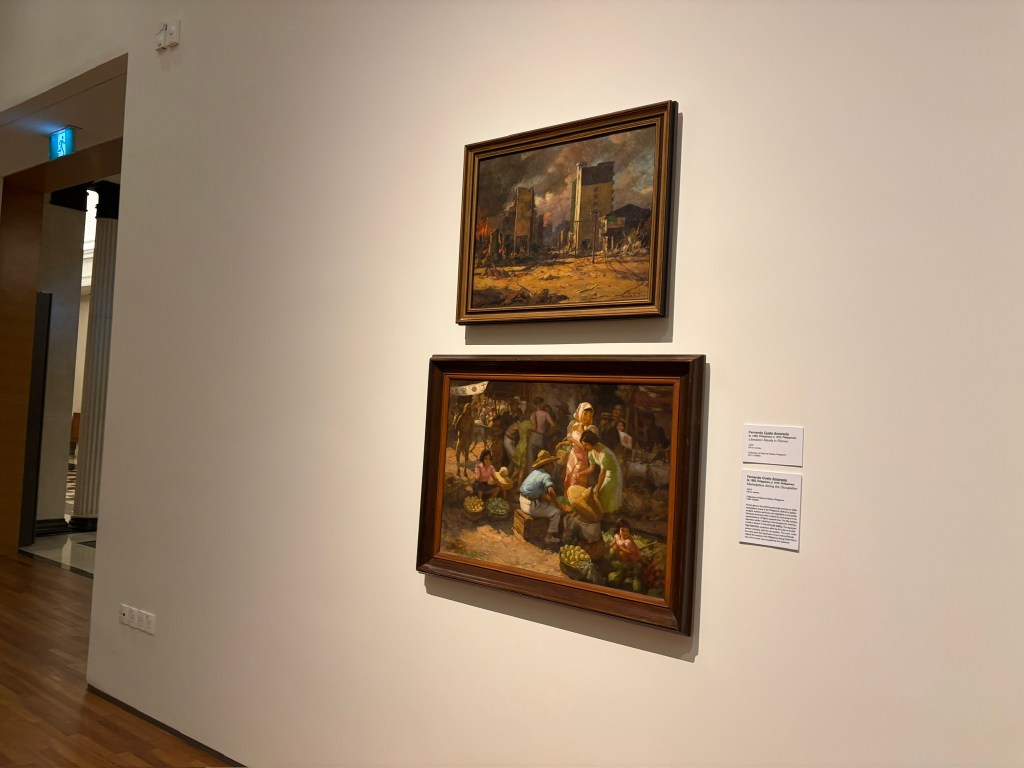
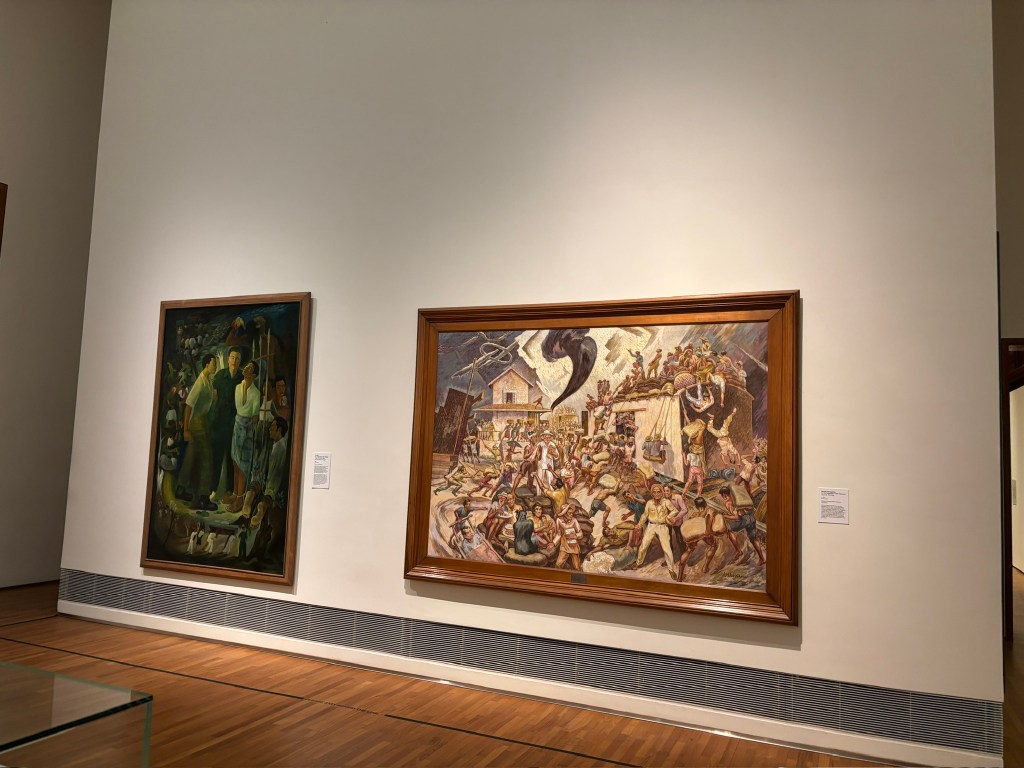
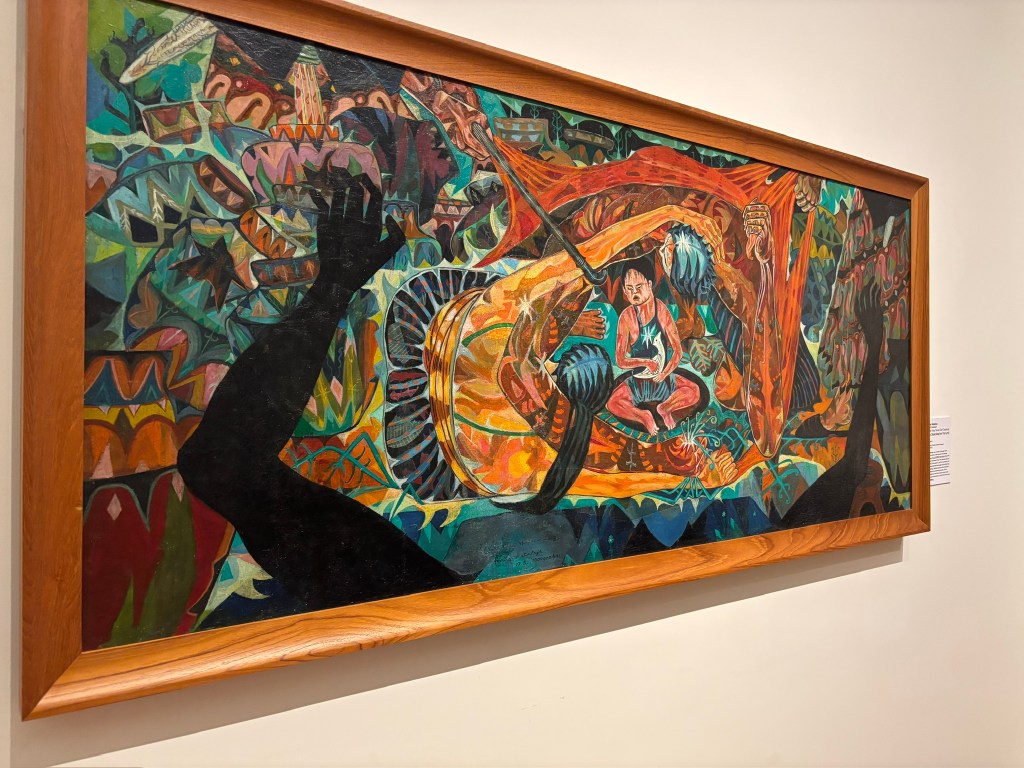
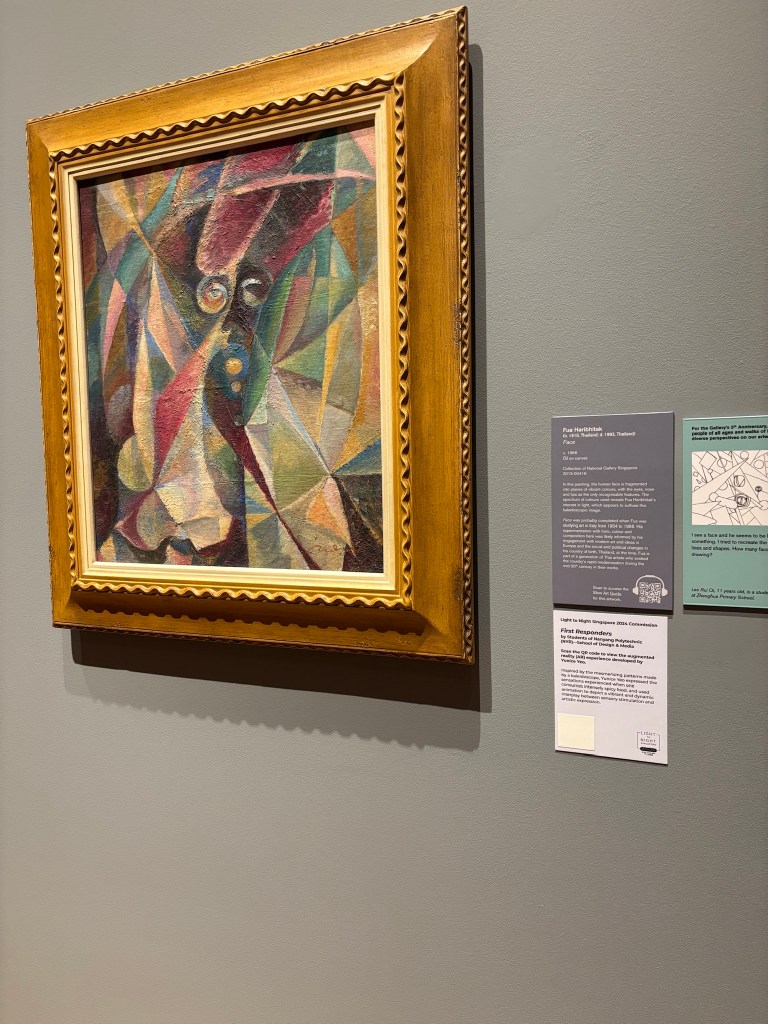
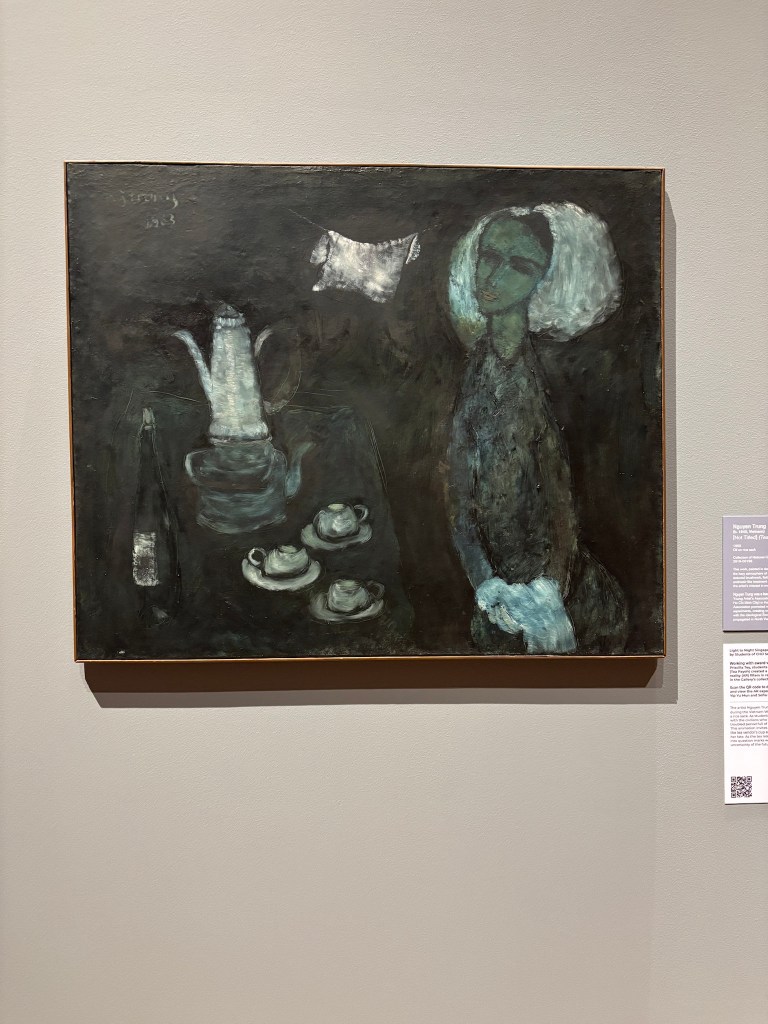
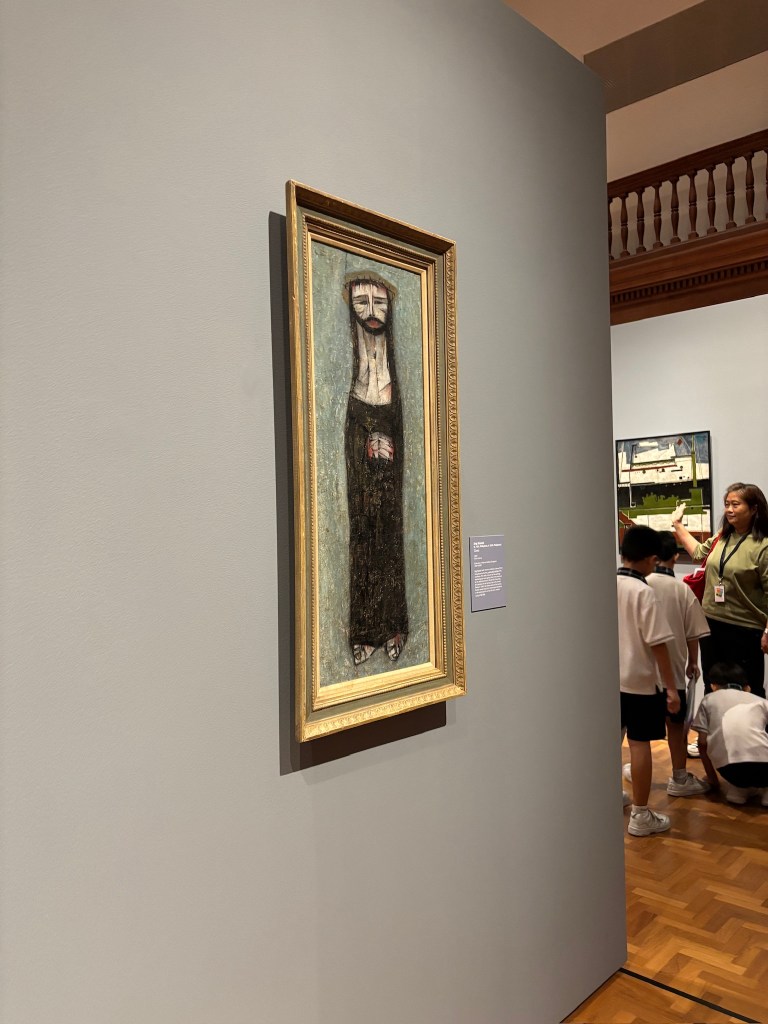
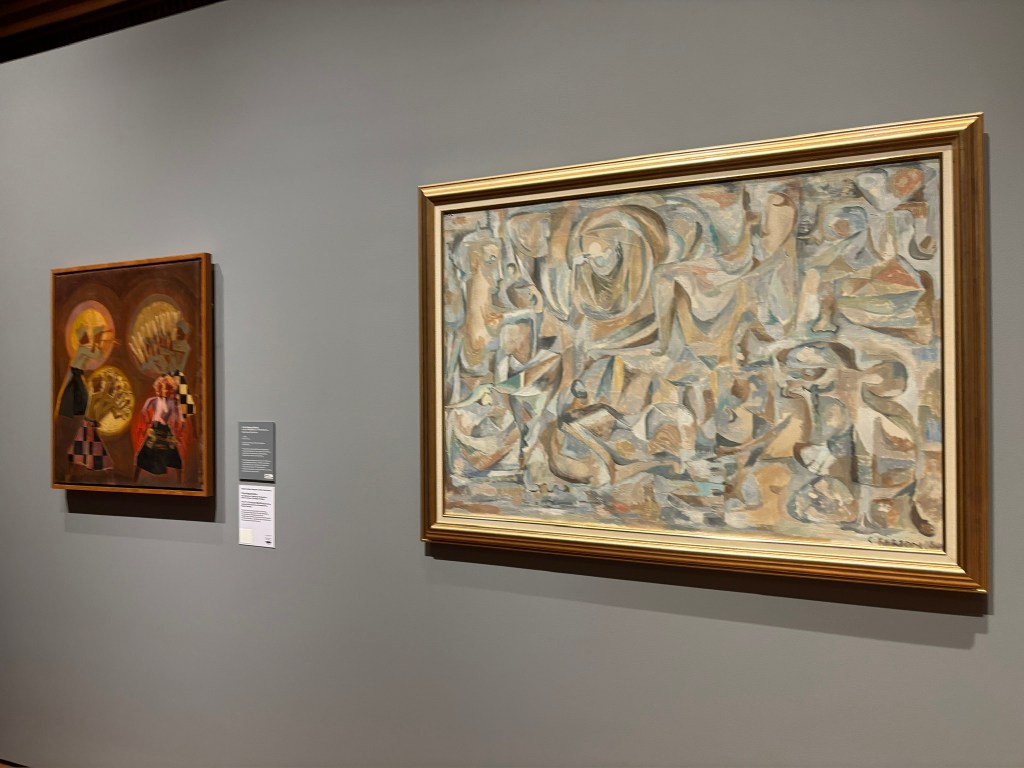
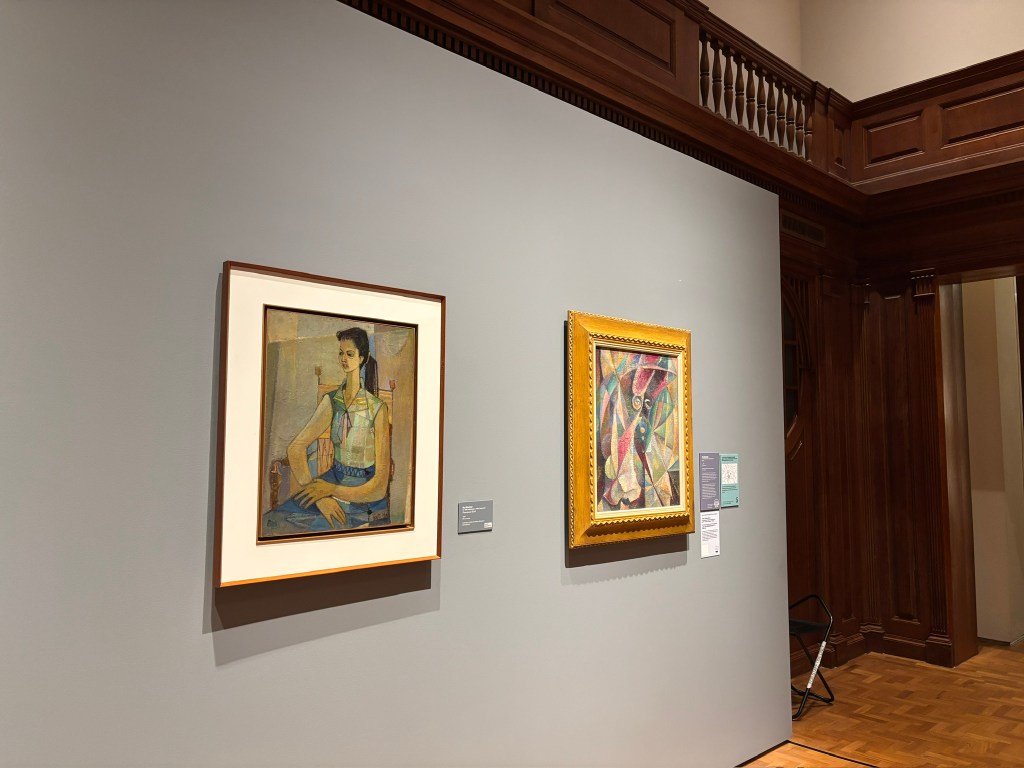
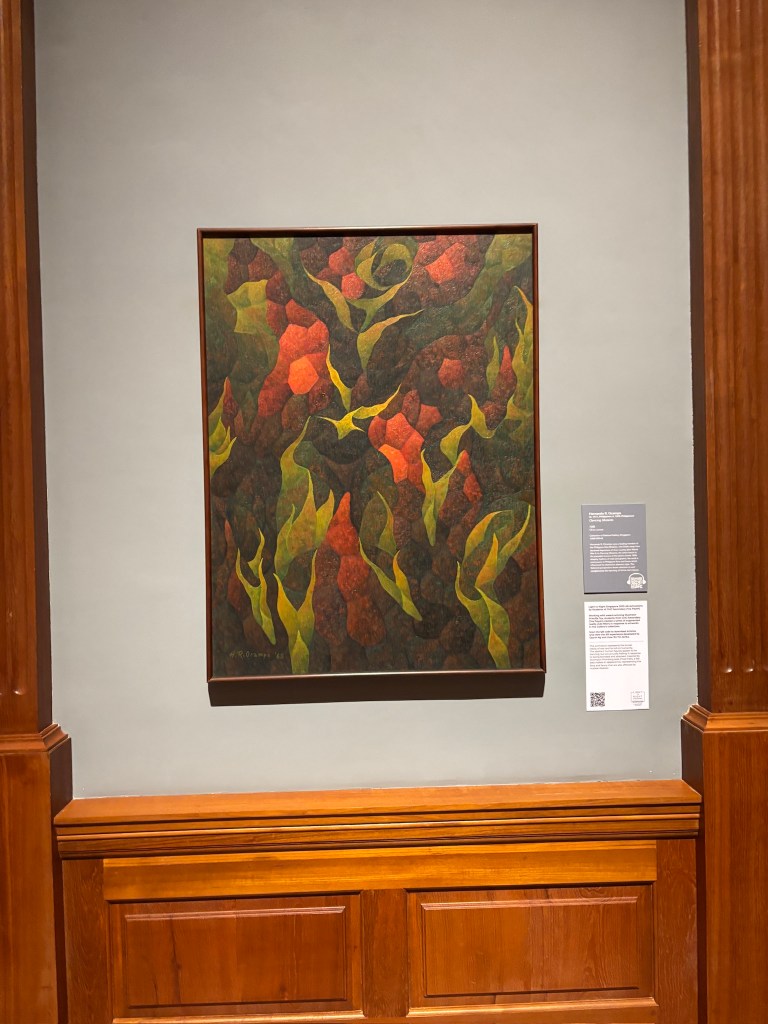
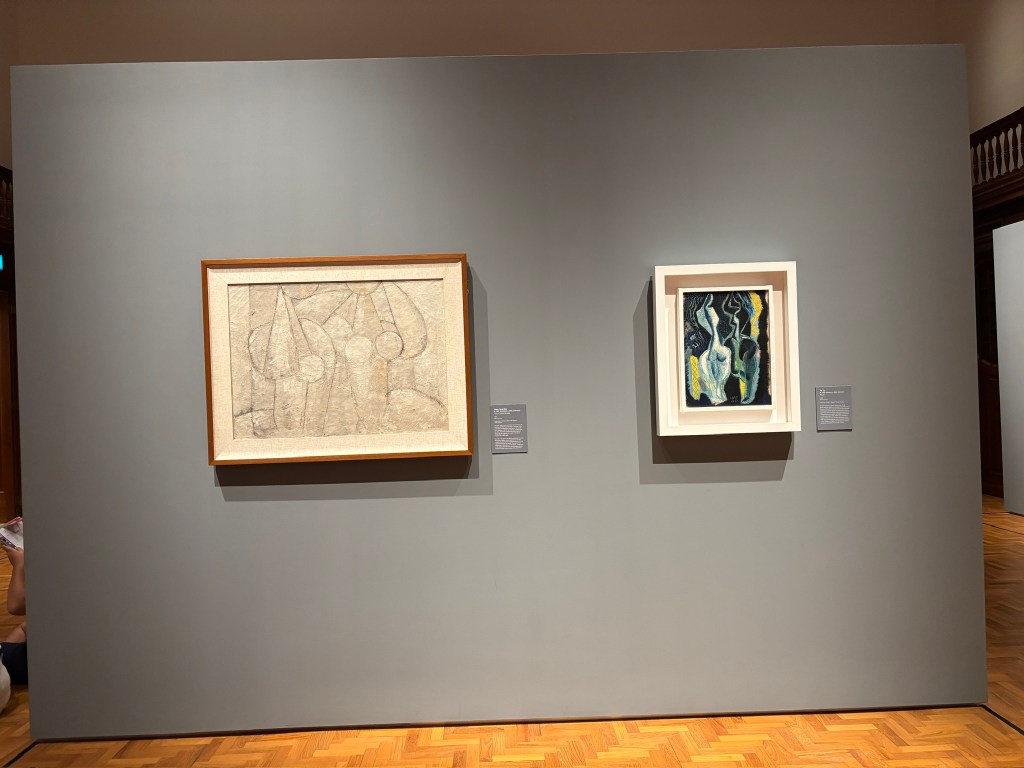
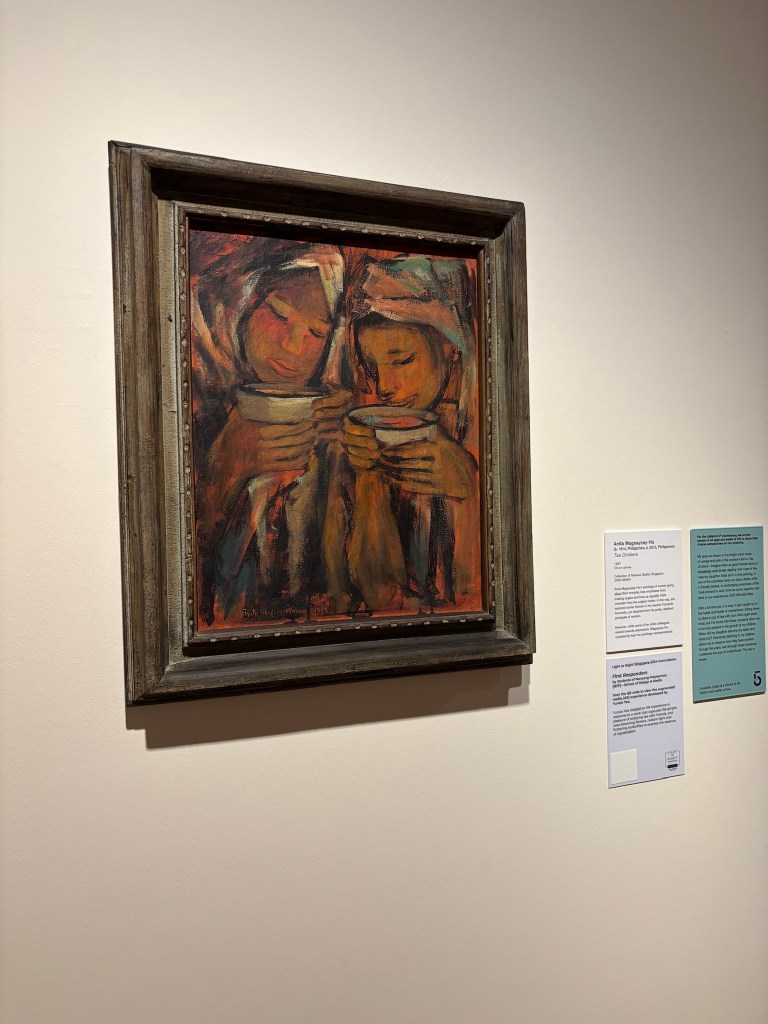
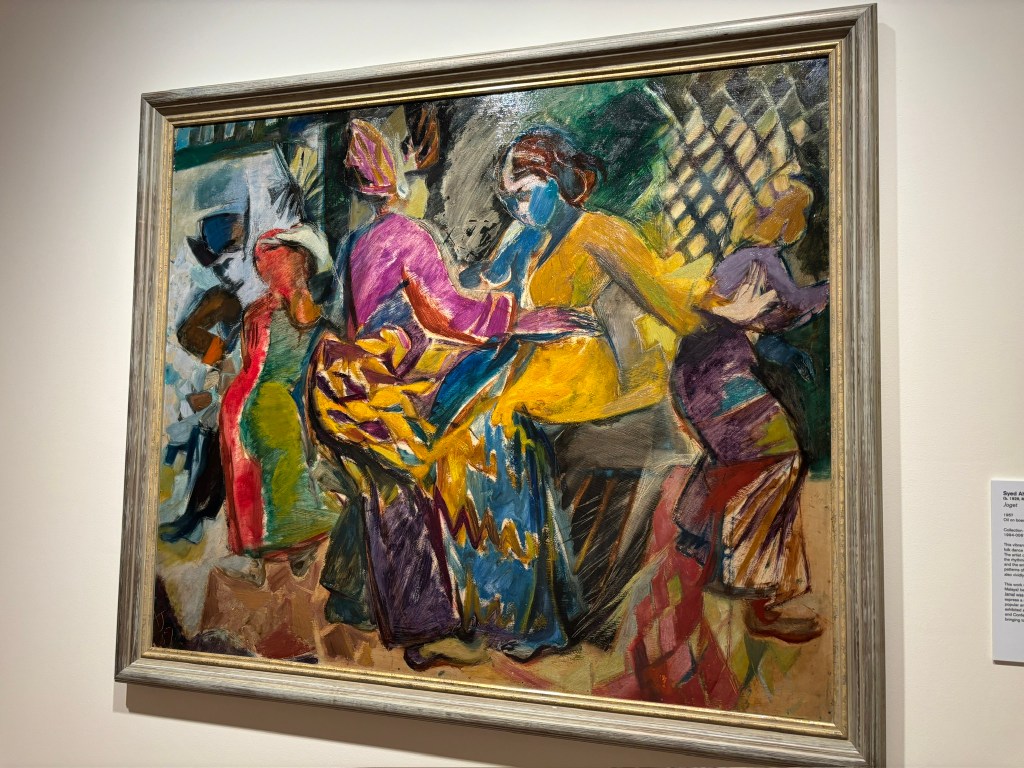
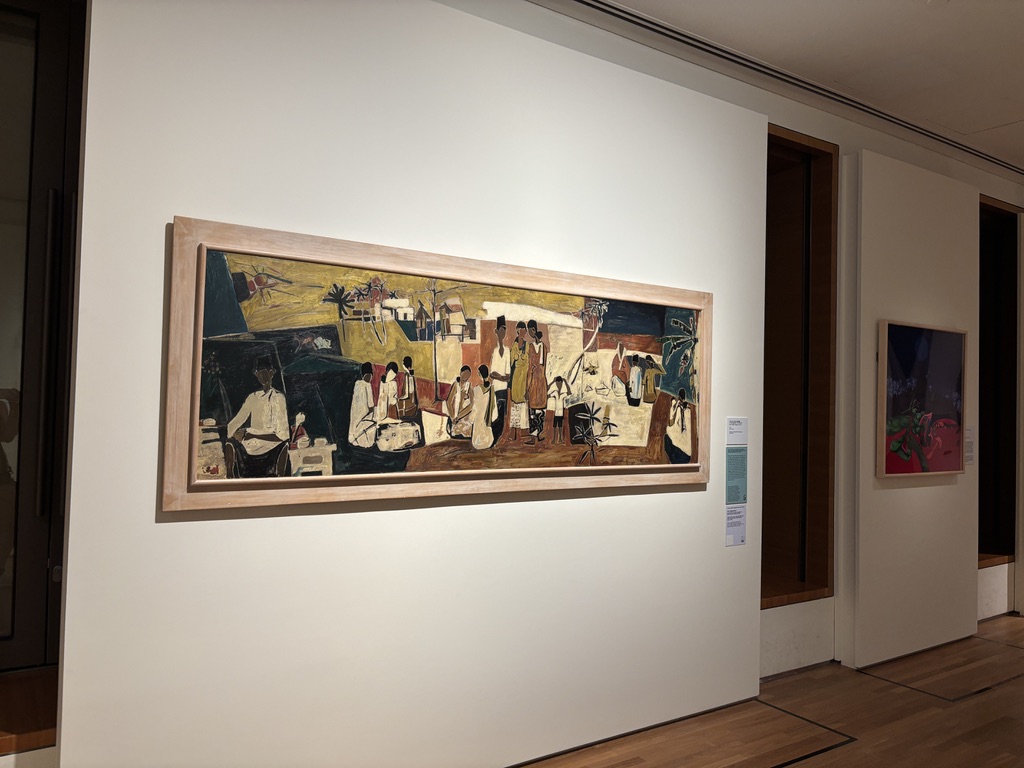
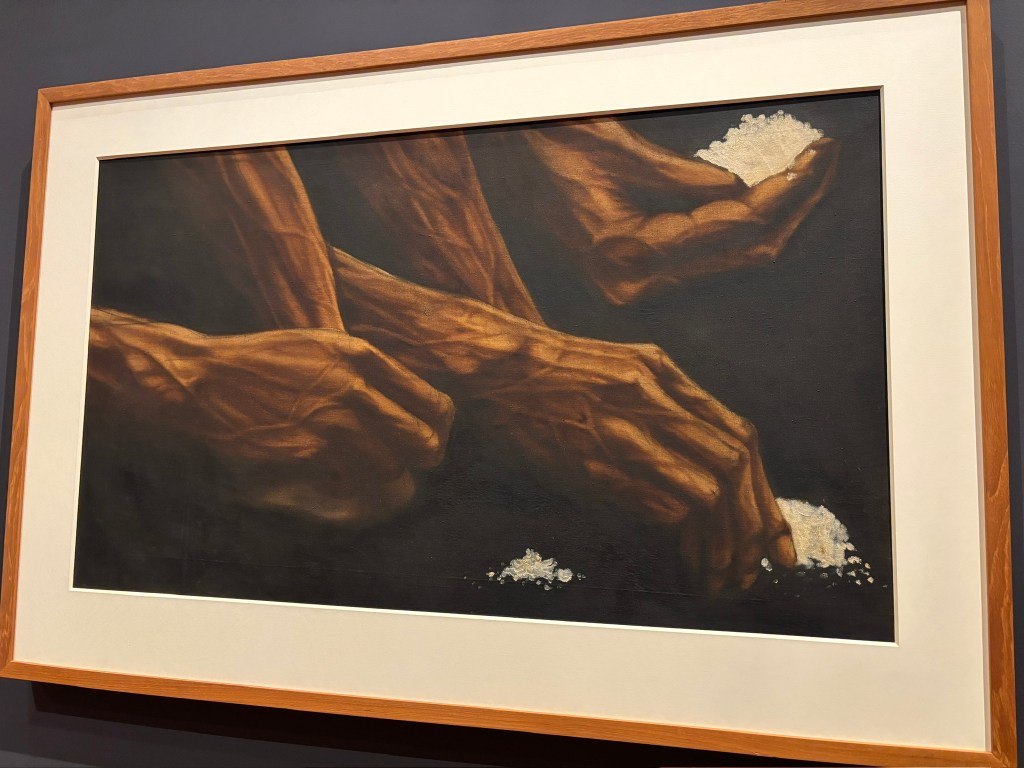
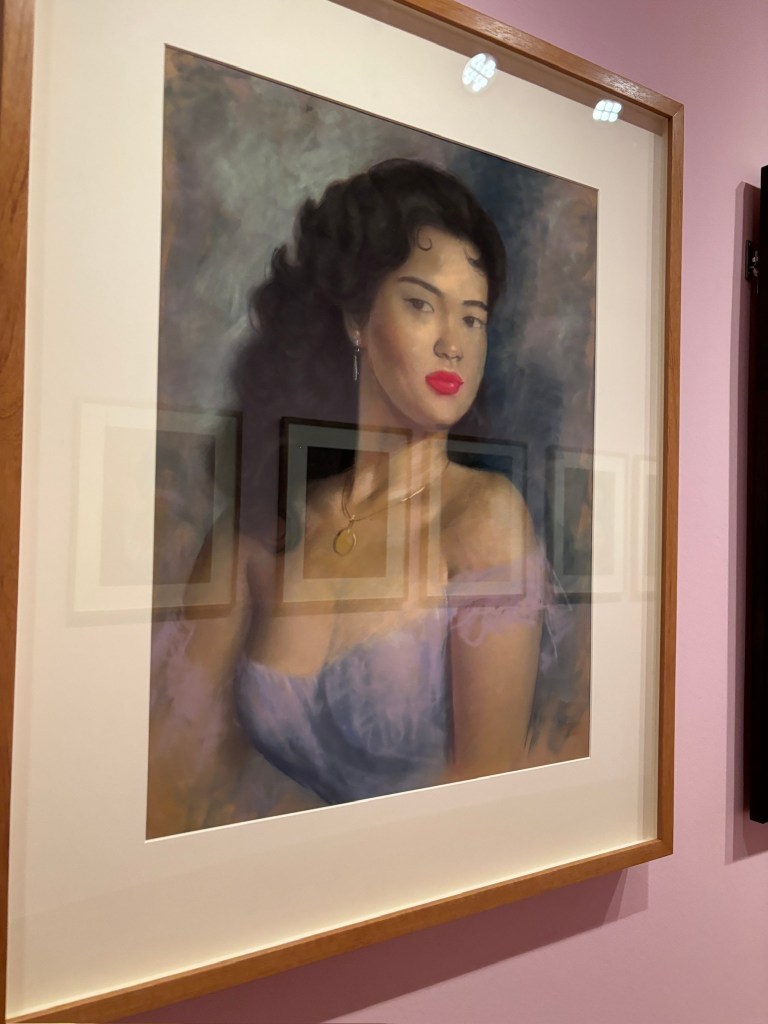
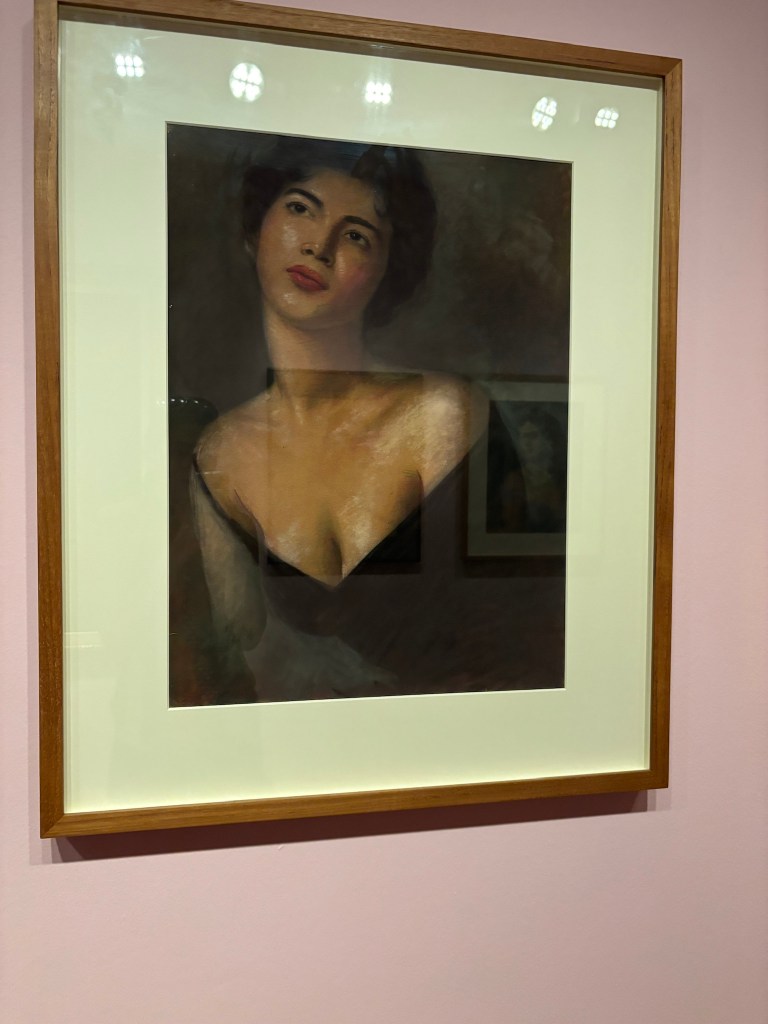
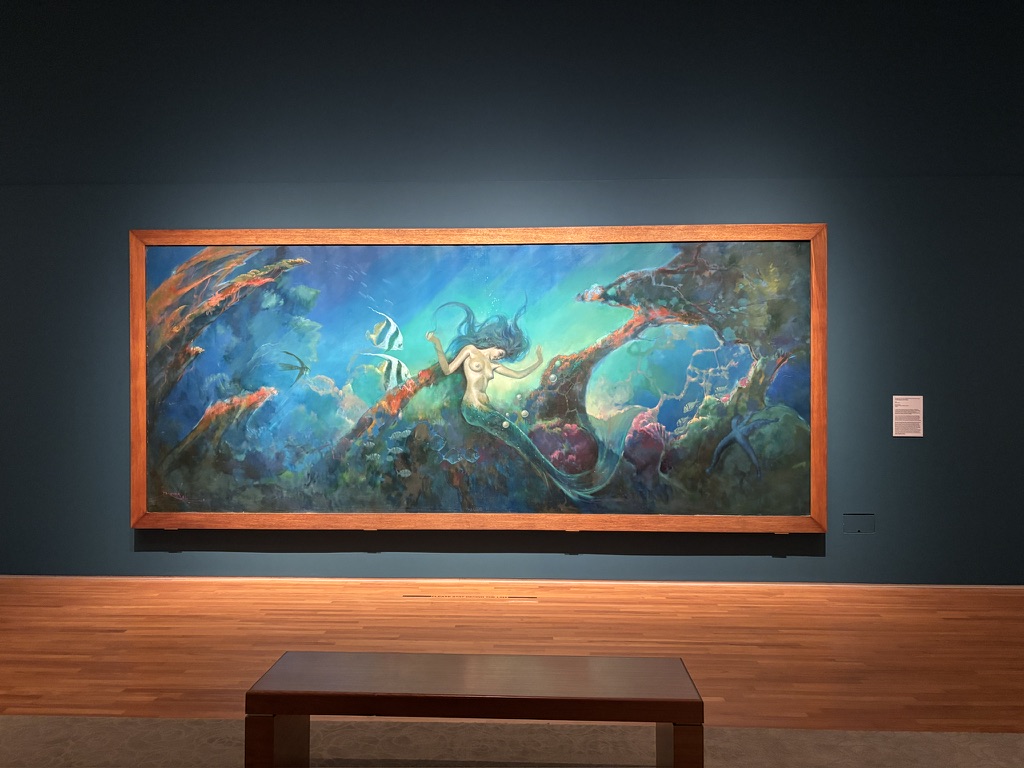
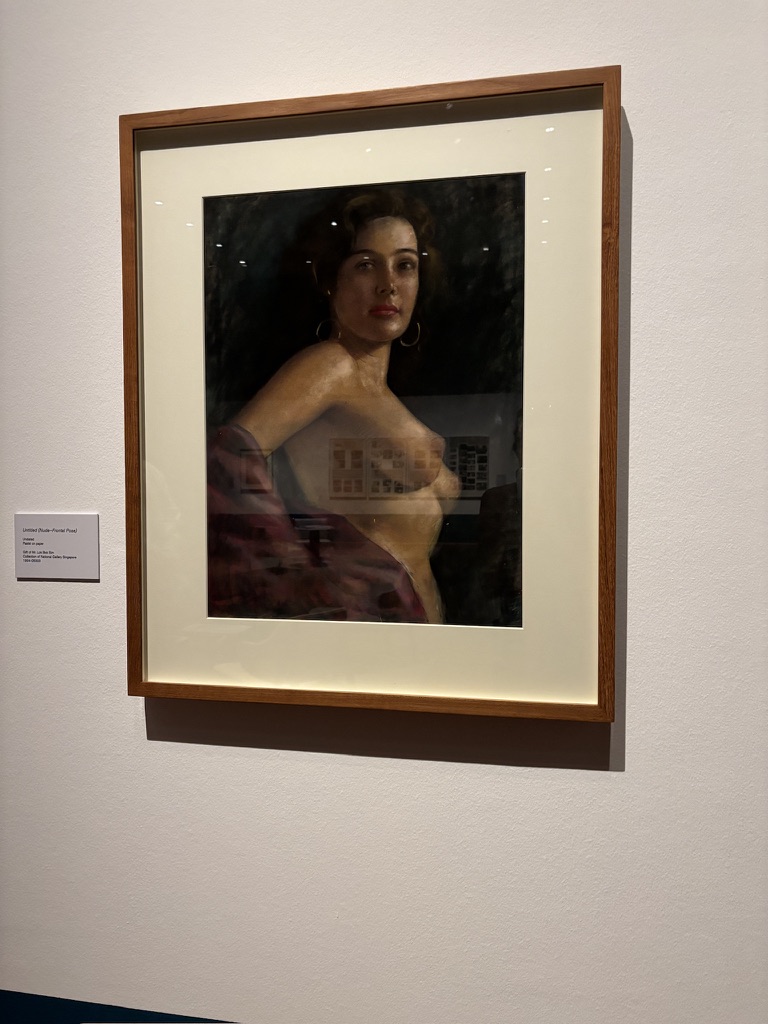
Of all of the art museums I have been to, The National Gallery of Singapore is probably my favorite. The paintings I saw there were largely of people and used bright, saturated colors, two things that I love when it comes to art.
With the largest collection of Asian art in the world, The National Gallery of Singapore had much to show me. Walking through the gallery, I saw artwork that depicted moments in history throughout Asia that I knew nothing about.
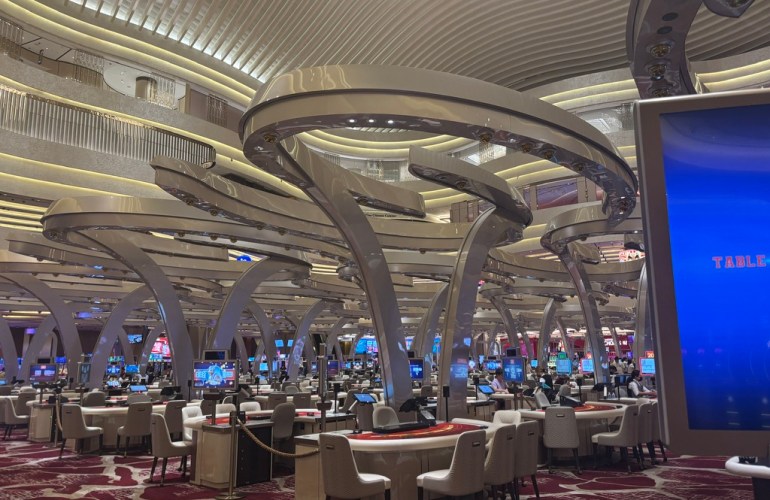
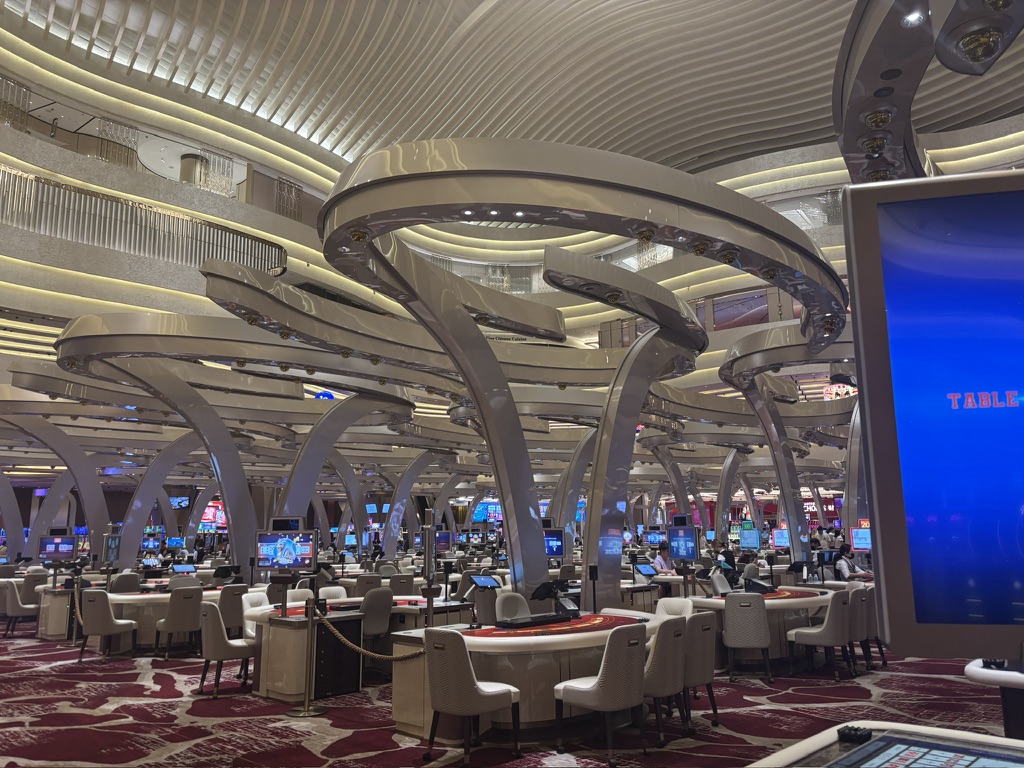
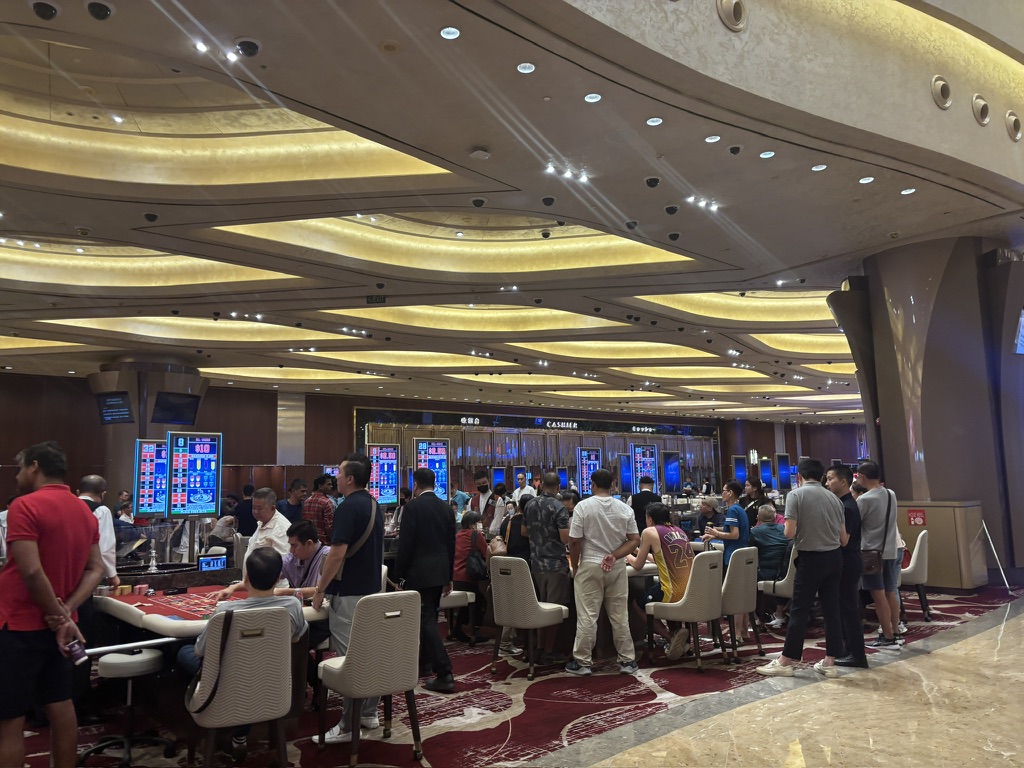
After the National Gallery of Singapore, I returned to Marina Bay Sands, this time to try my hand at poker at the Marina Bay Sands Casino.
I entered the smoke-filled casino with complete confidence. My grandfather taught me, my cousins, and my brother how to play poker when I was about nine, probably because he would rather be playing poker than babysitting children.
My cousins and I were more concerned with learning how to shuffle the deck than how to play poker, which might explain why I’d forgotten the rules of every form of poker, including five card draw.
I got a refresher course from my aunt and a few of the nicer dealers and then trusted to dumb luck. I stuck to playing blackjack and three card draw, because those were the easiest to relearn on the fly.
I felt all of the sensations of being in a casino, of losing money and believing that you can earn it back, of earning money and believing that you could earn more. It feels elating when you’re winning. It feels demoralizing the second you start to lose. You feel in your bones that you’re about to win and maybe you are right about that, though you probably aren’t.
They have you on the line and on the line you stay.
My aunt felt the epic highs and lows more than I did, mainly because she had to explain to my father anything that went wrong with me, like losing all of my money at a blackjack table. I perfected the hand movement for when I wanted to stay and tapped the table when I wanted the dealer to hit me, all while creating a nail-biter for a blood relative.
I lost, then I gained, then I lost again, and then I gained.
I went in with 250 Singaporean dollars and then I left with 270 Singaporean dollars.
The house did not win that day.
I walked away, holding my head high, and feeling like I could do anything. Write a bestseller? Piece of cake. Travel the entire world? A walk in the park.
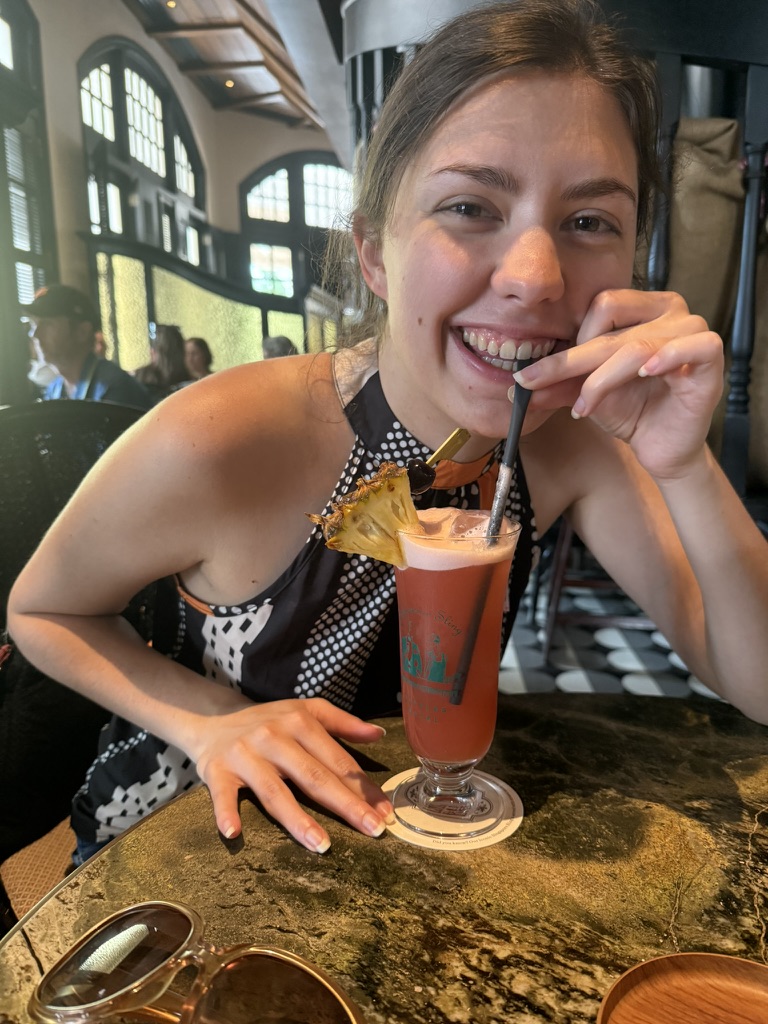
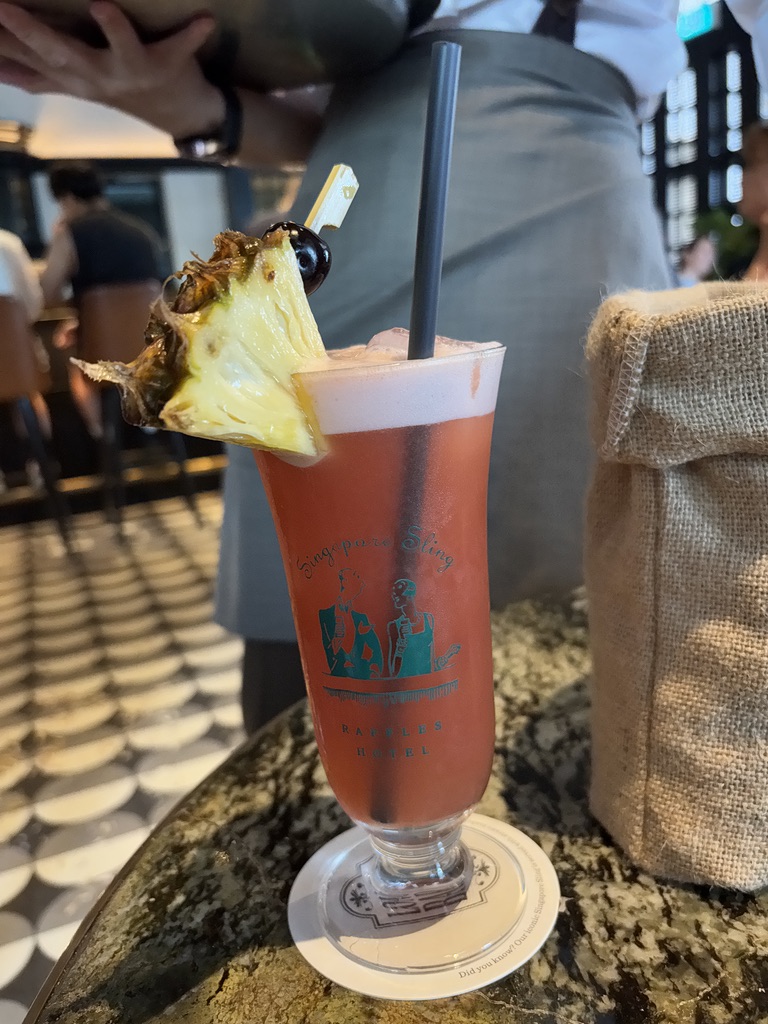
To celebrate, my aunt and I went to the Raffles Hotel for a few Singapore slings. A Singapore Sling is the signature drink of Singapore and it isn’t hard to see why. It is a smooth and fantastic cocktail that deceptively tastes like it has very little alcohol in it when in all actuality, you’ll be on your ass after two.
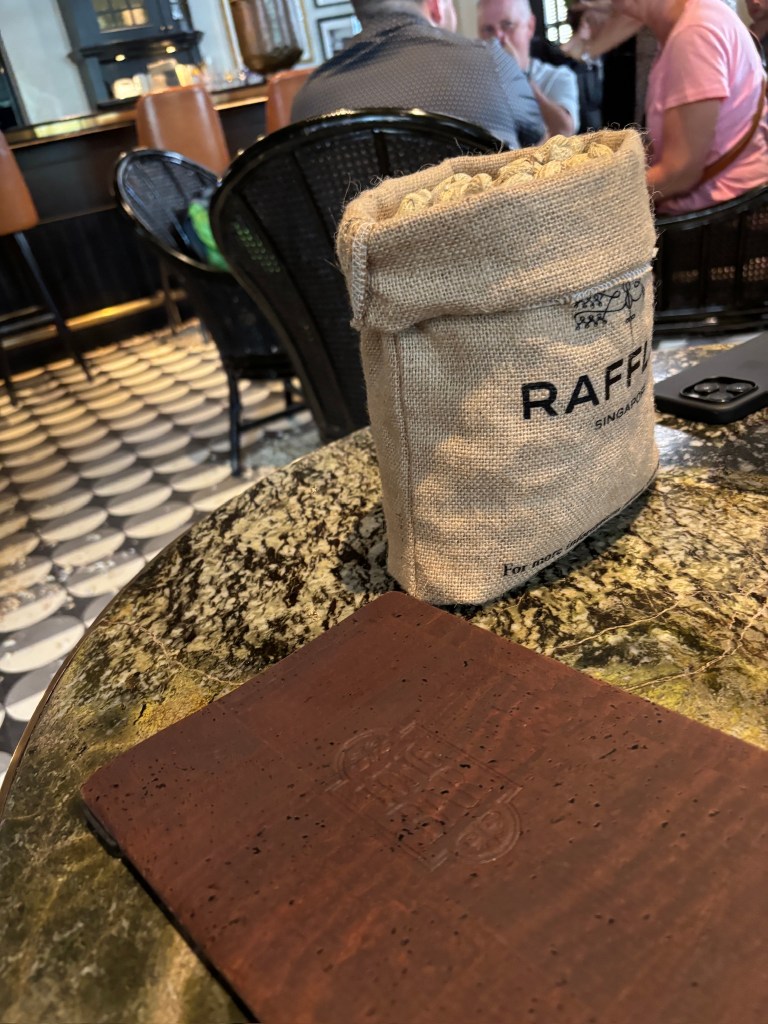
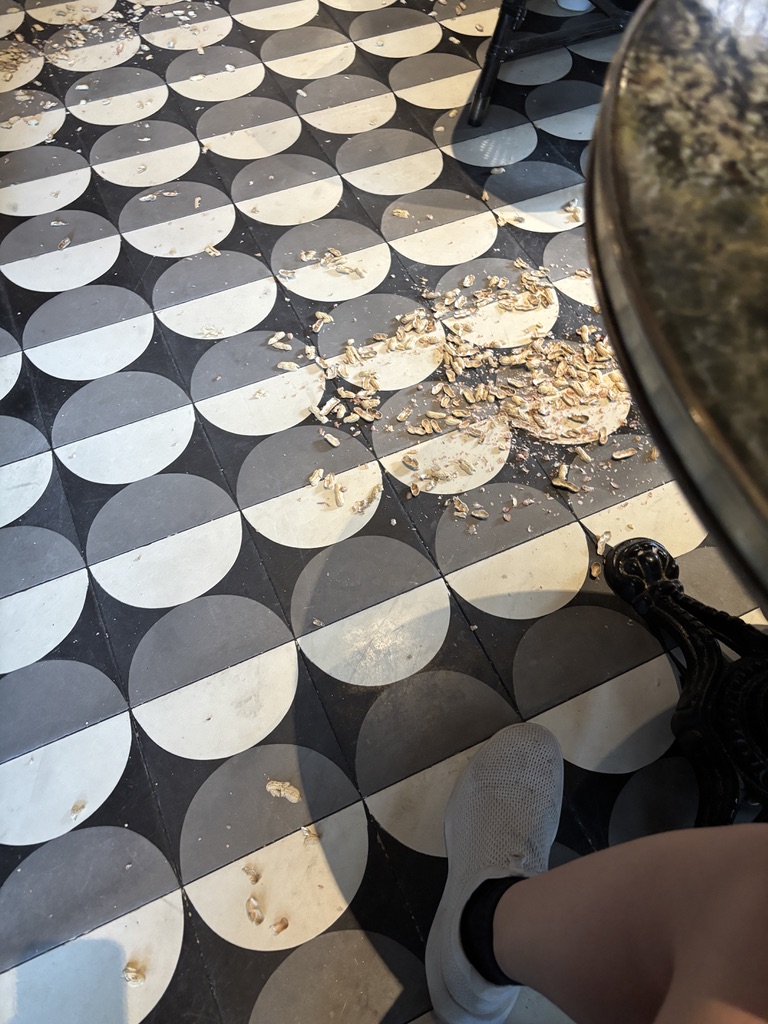
My aunt and I enjoyed our fruity cocktails with thick wedges of pineapples, while enjoying the crushed peanut shell ambience of the Raffles Hotel.
I learned a great many things about gambling that day, like, don’t play roulette; it’s a fool’s game.
A few lessons went unlearned that day, including don’t hit on 18, because that wound up paying off for me, literally.
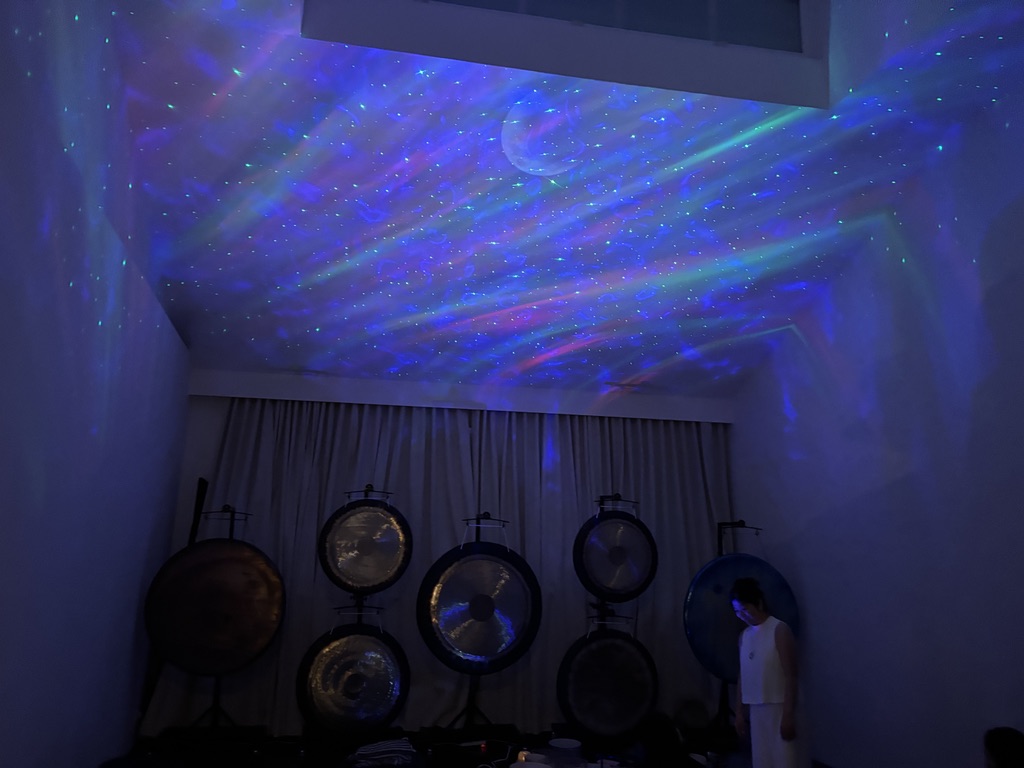
That night we went to a meditation class where I took the greatest nap of my life. With a beautiful, astrological light show going on over my head and my jet-lag kicking in, I meditated so well that I took a fantastic snooze on a thin yoga mat. It was, however, an amazing, meditation class.
The Tragic Queen,
Raquel
P.S.: Check out my previous blog post about the Singapore Zoo
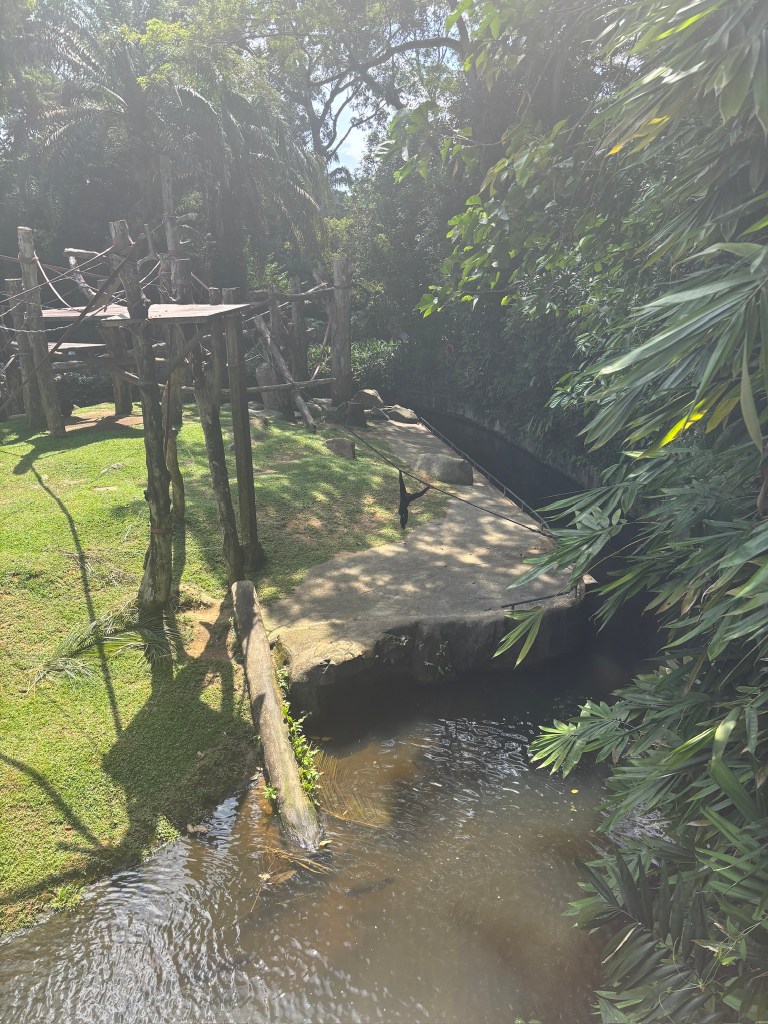
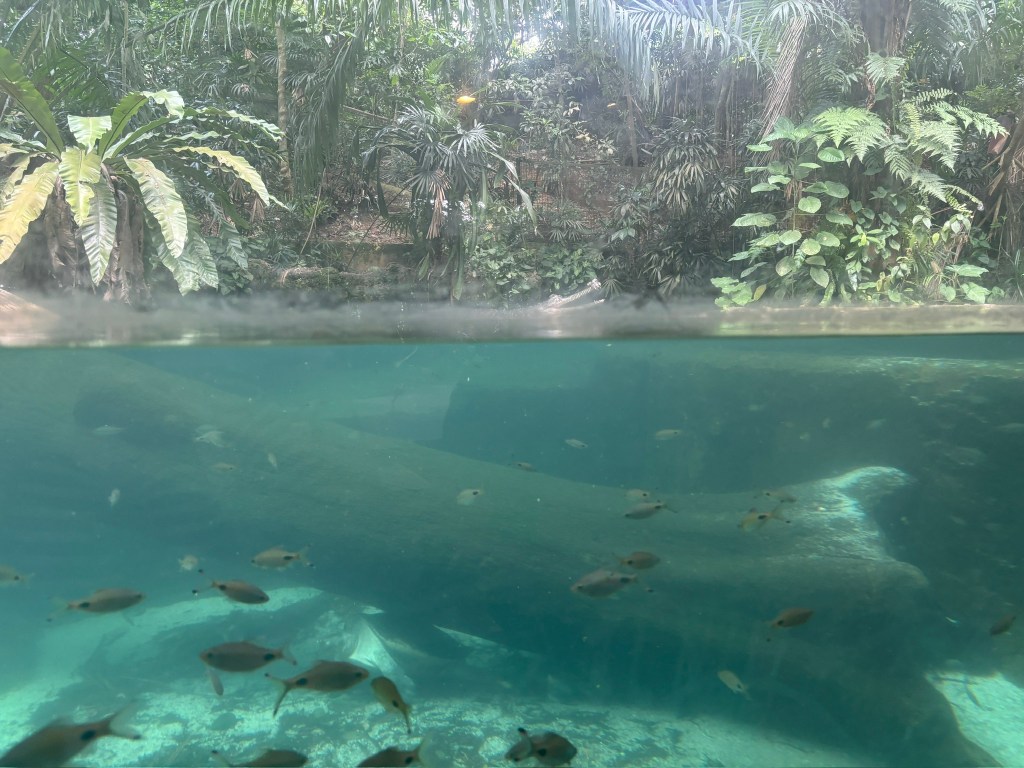
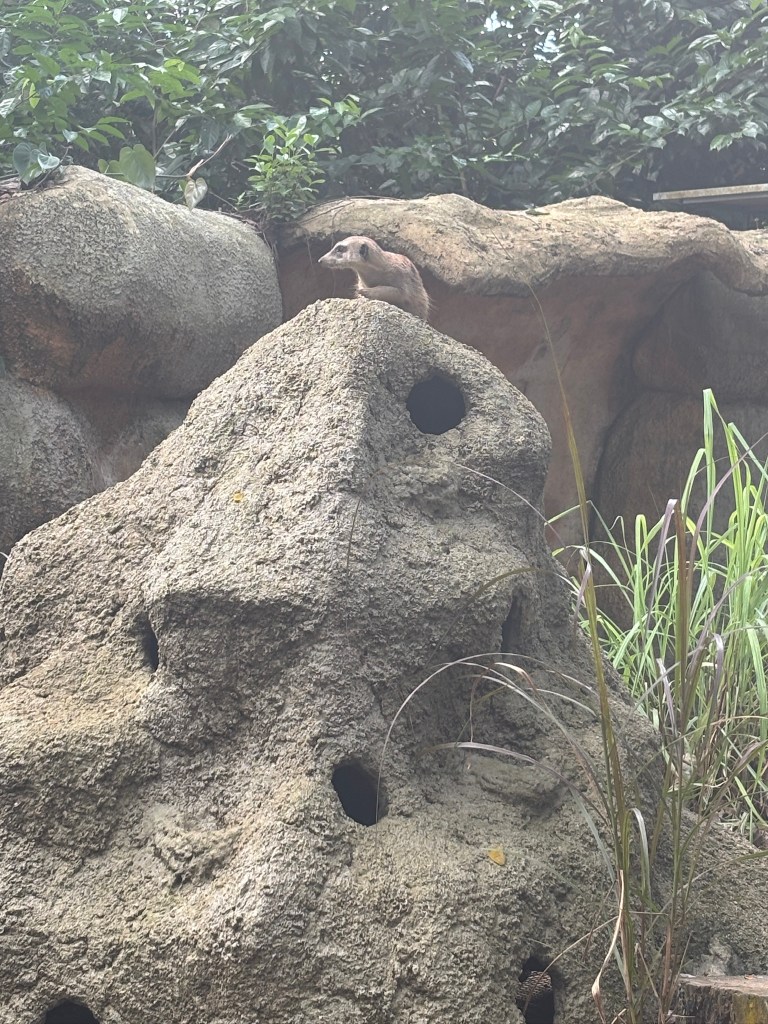
Most zoos are underwhelming and disappointing. You bake in the heat, walking around a heat-baked, concrete zoo, only to see a handful of animals who look about as miserable and overheated as you do.
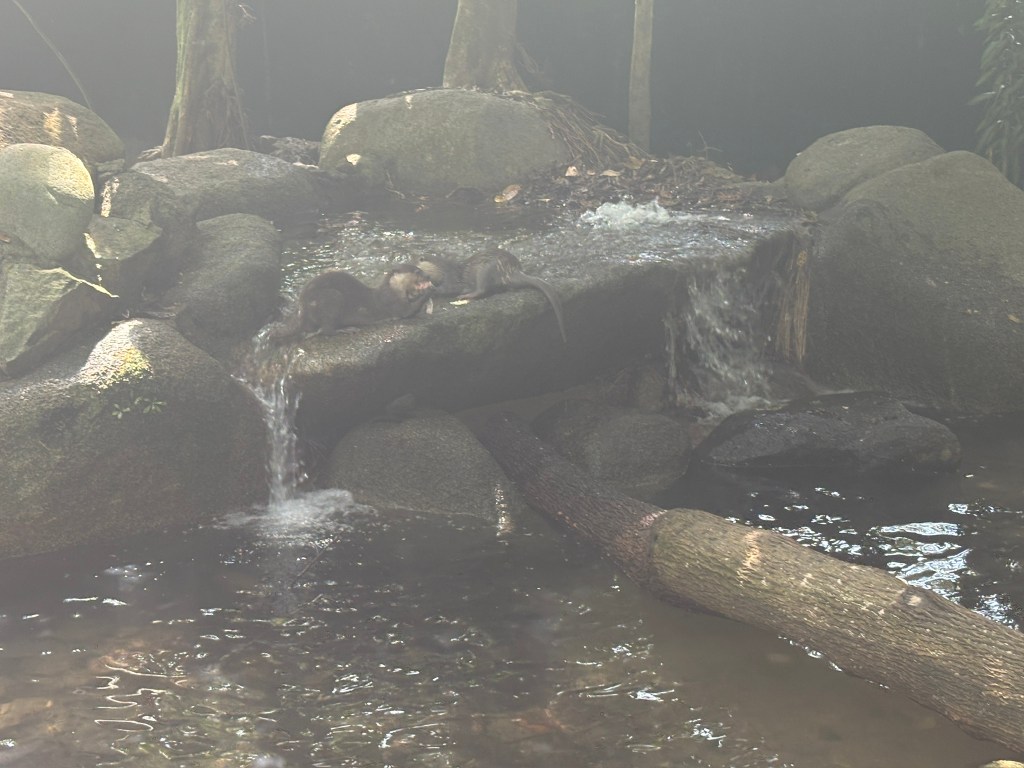
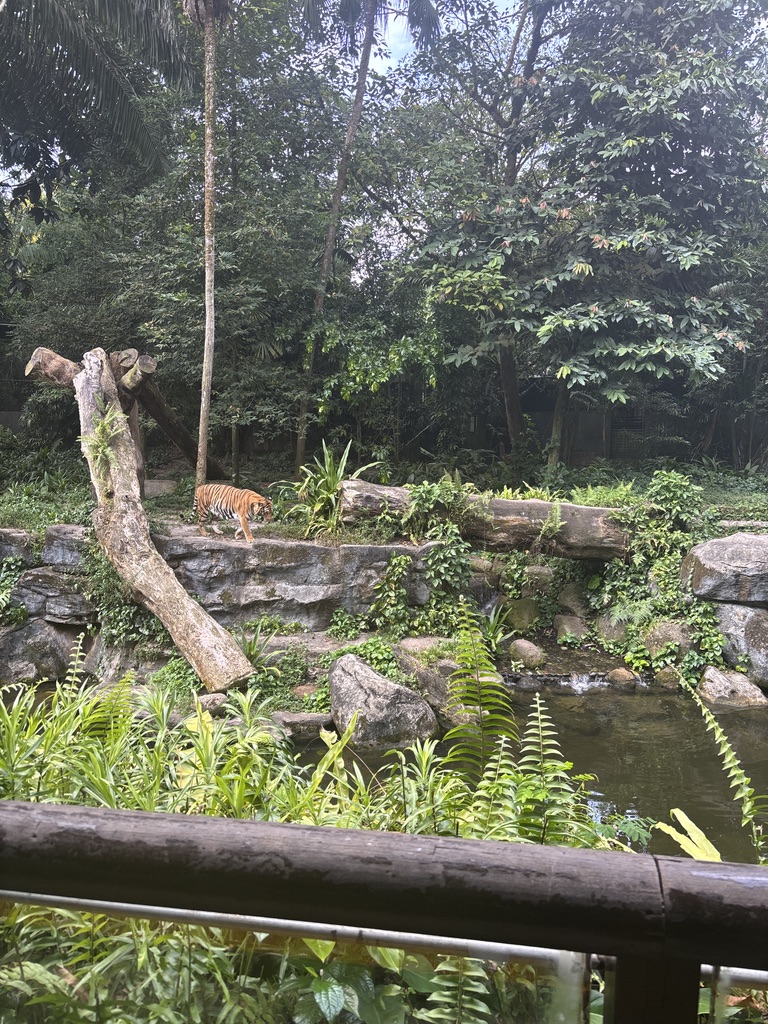
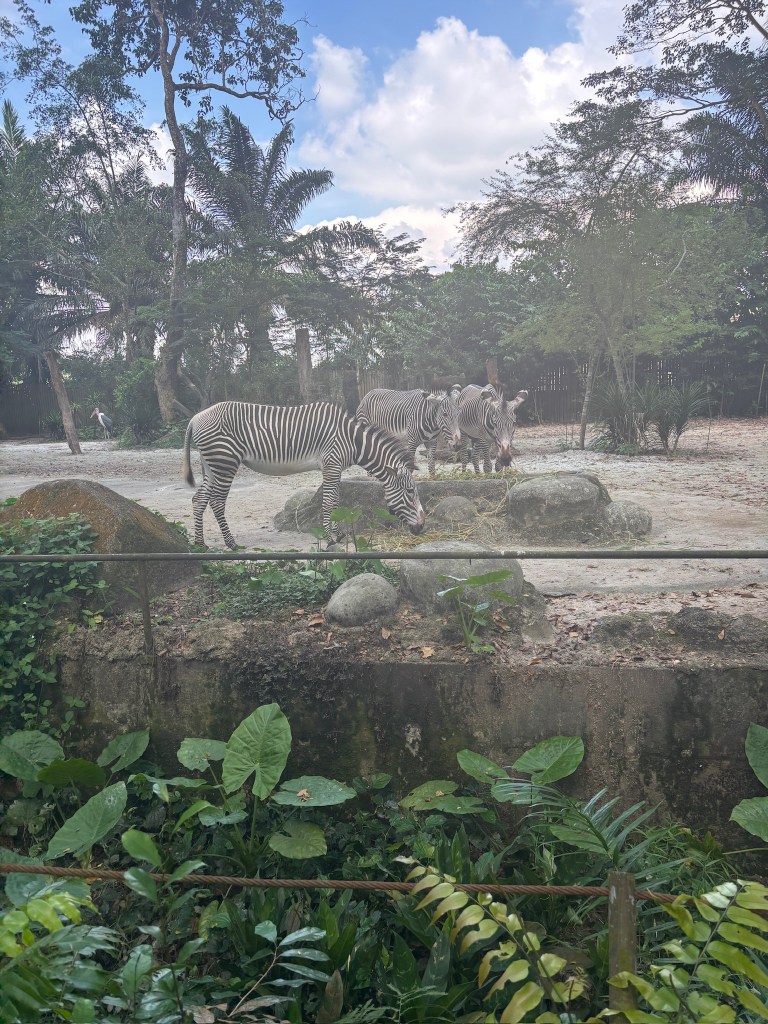
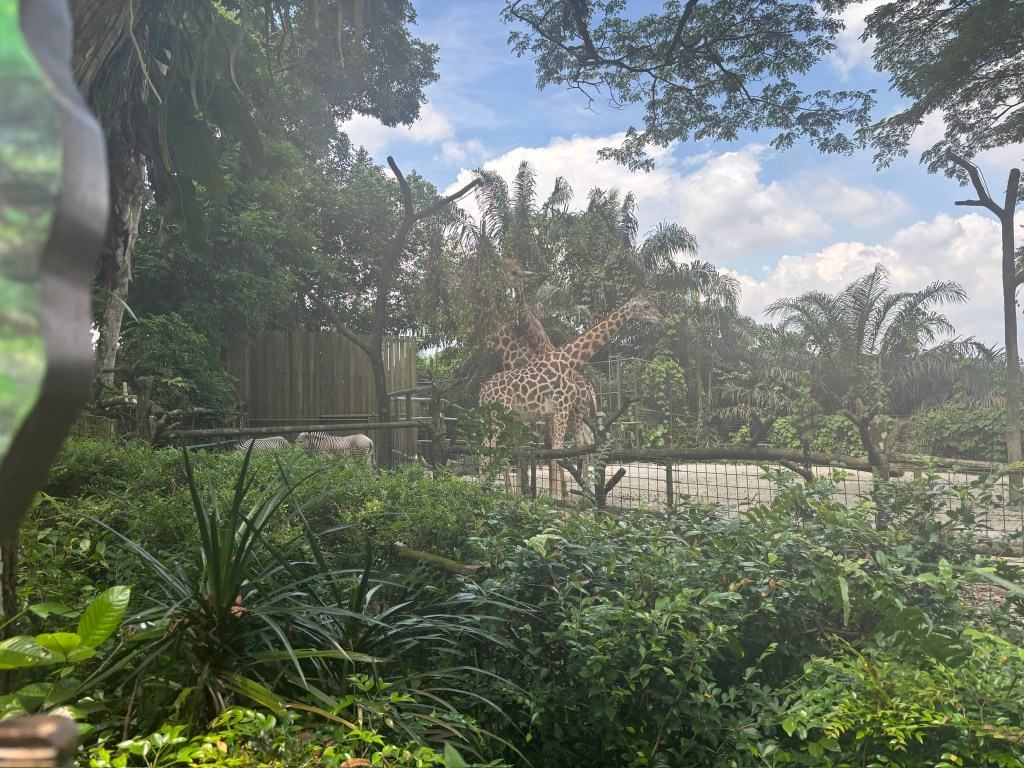
The Singapore Zoo is not such a zoo. The animals are actually on display, front and center, feeling close enough for you to touch them.
Unlike all of the zoos I’d been to in the past, there often was little to no barrier between the animals and the zoo patrons. This is as cool as it is terrifying. The animals are right in front of you, not hidden behind glass or cage bars.
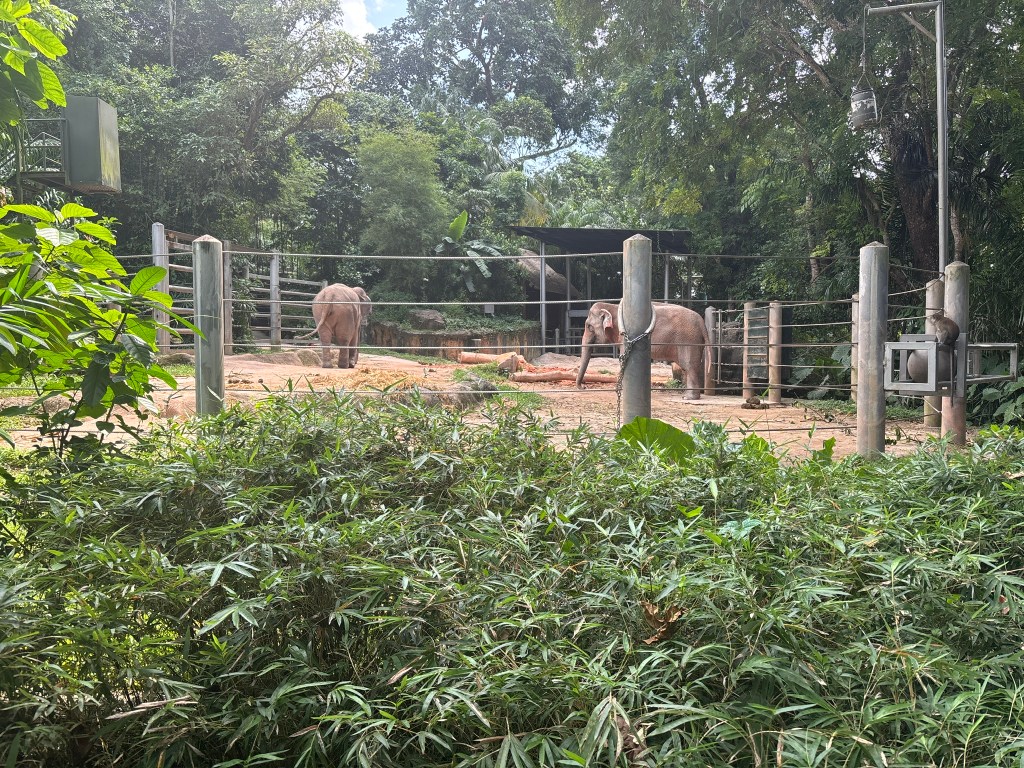
The tigers and lions roamed around their enclosures. The elephants sat around, their ears slapping the sides of their bodies.
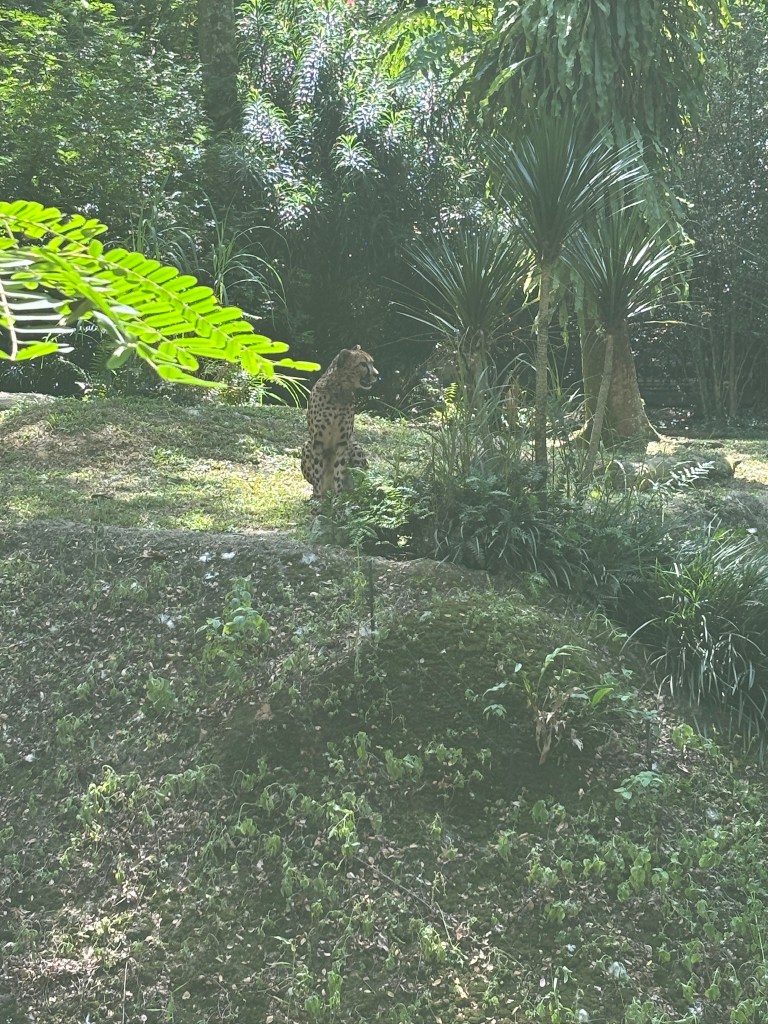
I felt like a little kid again, thinking about what kind of animal I would be if I had to choose, and always picking one of the more exotic ones, like an elephant, giraffe, or a cheetah.
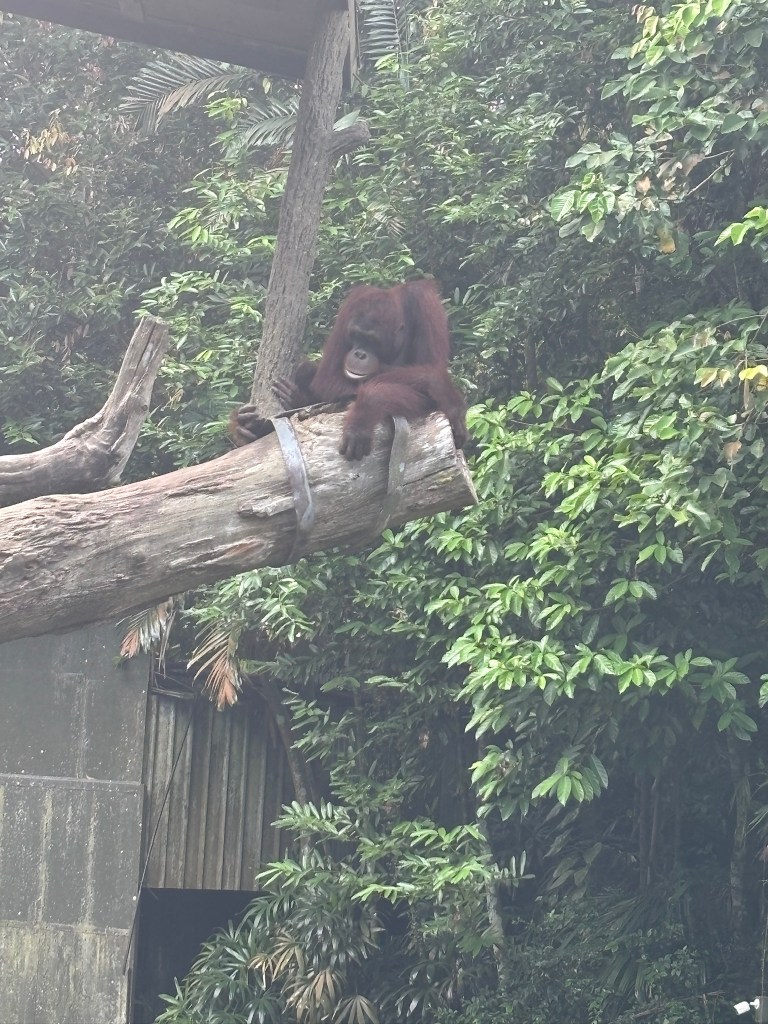
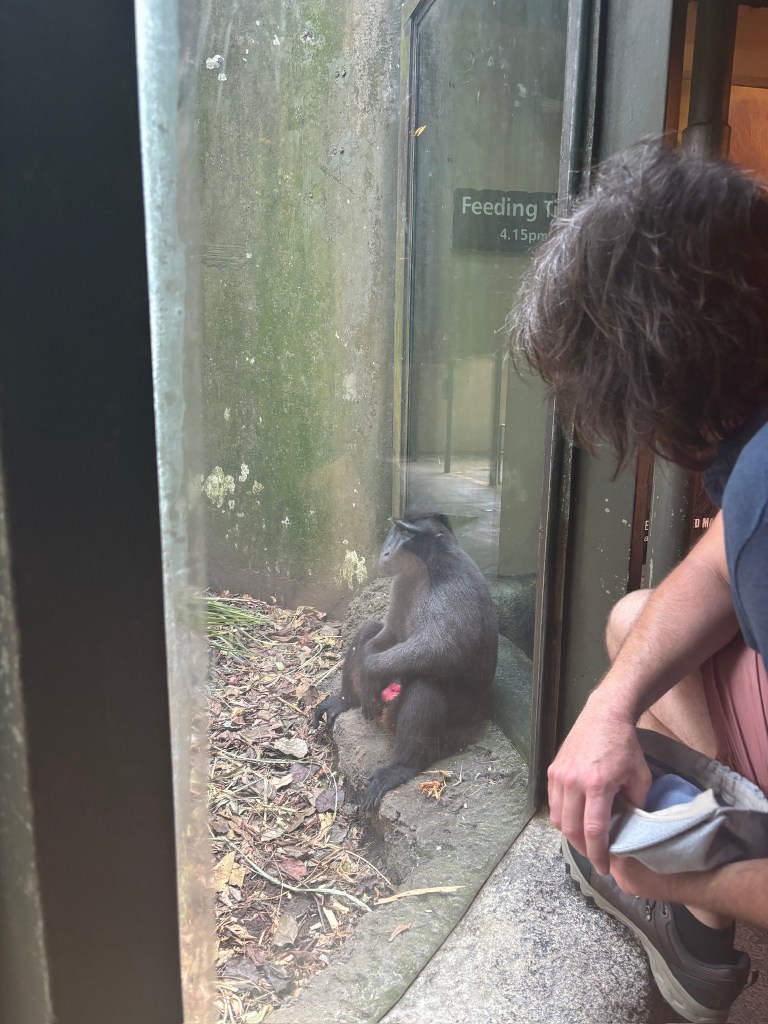
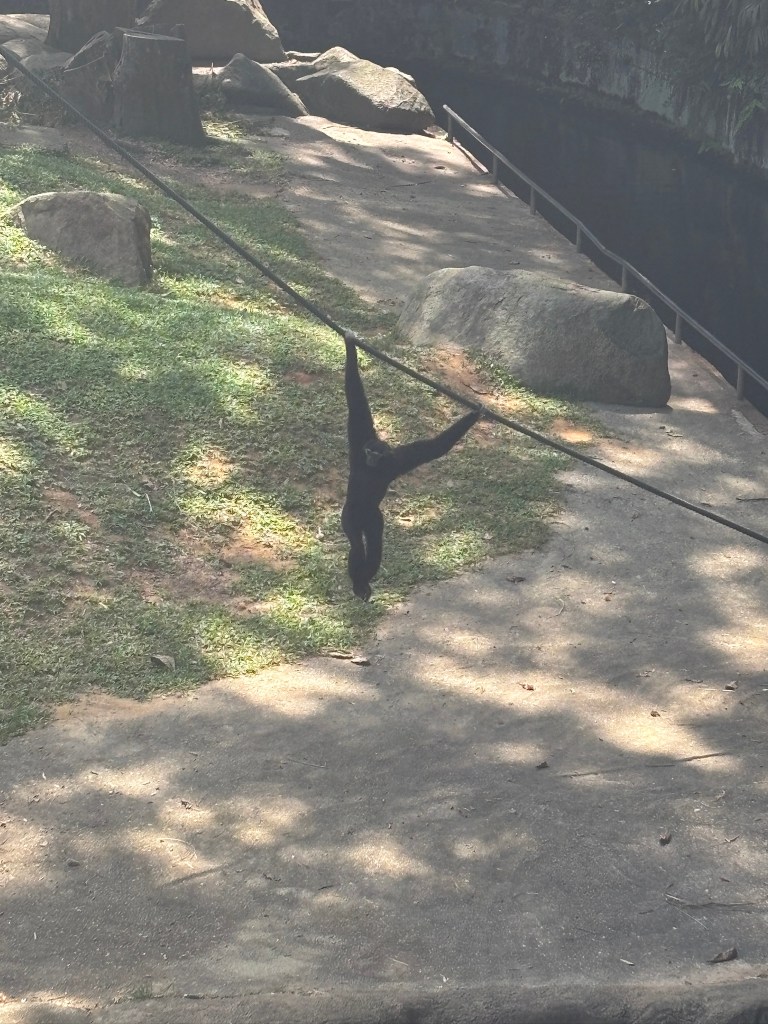
You could see every type of monkey swinging in its enclosure.
Amusingly, the zoo has monkeys that are not part of the exhibits. Because the zoo backs up to a wooded area, monkeys from the jungle, but not the zoo, hang around.
The people who work at the zoo handle this by shooing away the monkeys with the same energy that New Yorkers shoo away rats or pigeons.
My aunt got into a fight with one such monkey who had gotten hold of a plastic bag that had been left behind by a tourist and my aunt was trying to pry it from its hands. It is hard to convey to a monkey that you are acting in its best interest by not letting it play with a torn plastic bag that it is wrapping around its head.
Overall, we had a fun time going to the zoo. The Singapore Zoo is considered to be one of the more ethical zoos in the world due to its focus on conservation and restoration. All throughout the zoo are signs outlining the status of the animals as endangered animals on the brink of extinction and where they can be found– if they can be found– in the wild.

























 The Tragic Queen