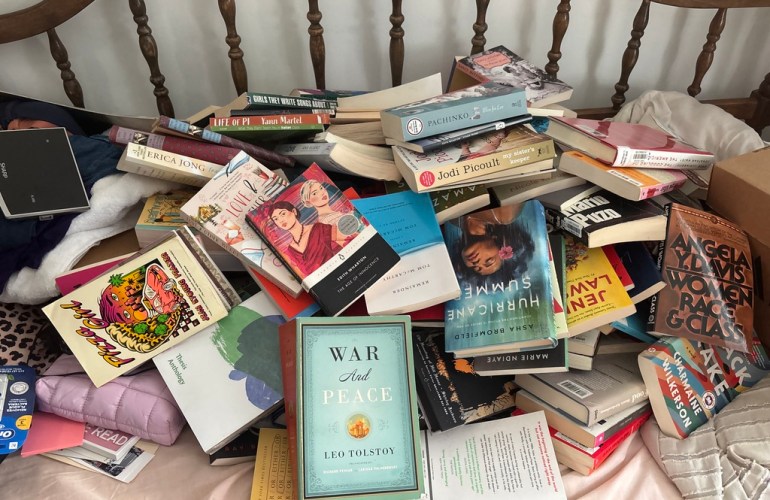
Calling all book lovers!
Welcome to my mid-year review of books.
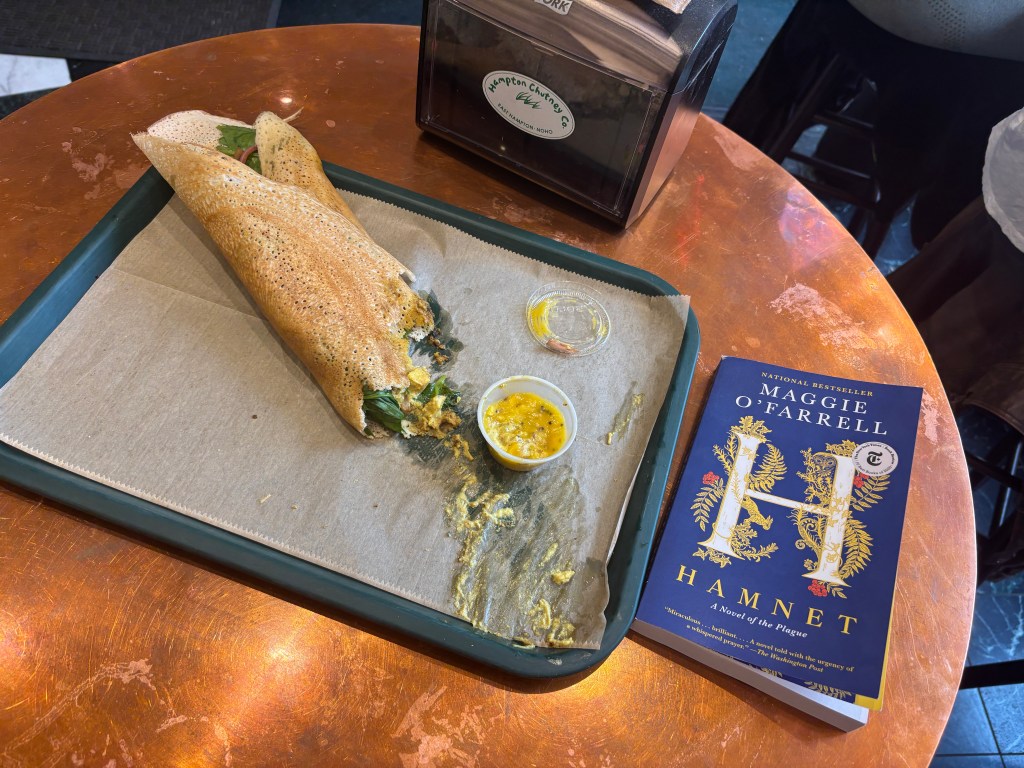
What I am reading is very important to me. These days I never find myself out in public without a book. I love reading on the subway, reading before bed, and reading at restaurants while I wait for my food to come.
As a child, I practically lived at the library, yet, to my surprise, I’m enjoying reading more than ever before. I like the escapism that it offers me in our hectic times, since it has a way of quieting the noise of daily life.
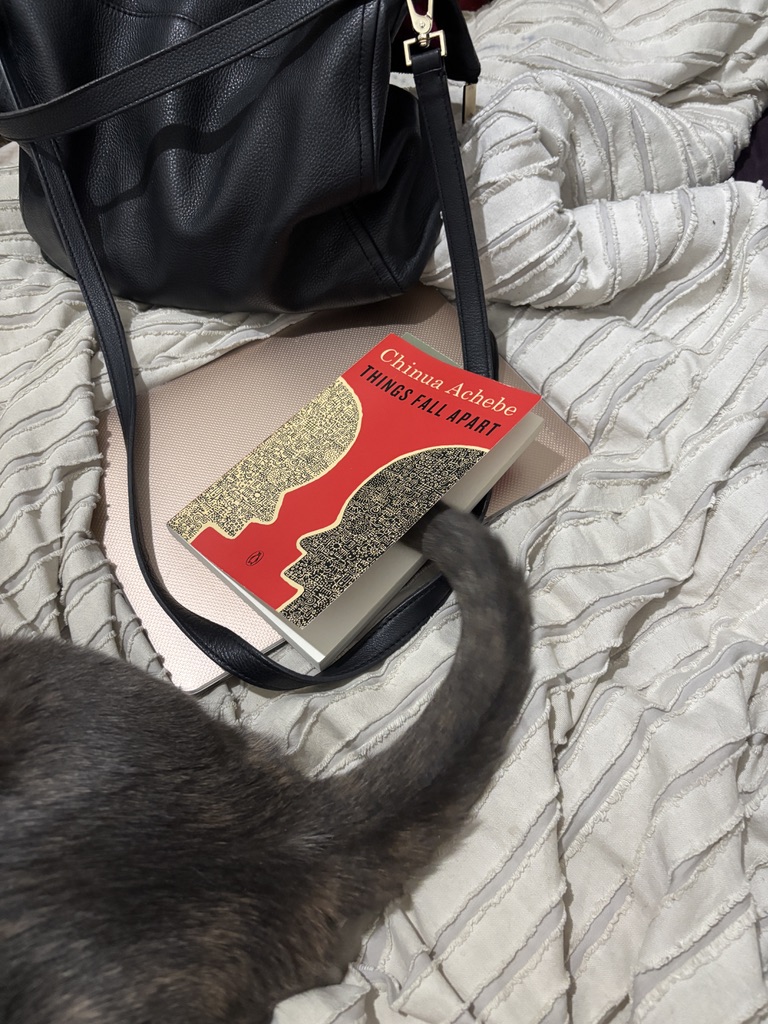
The thing I loved most about reading these books is that regardless of whether or not I loved them or hated them or even just didn’t think that they were that great, they all made me feel something. I have grown tired over the years of hardly feeling anything, falling victim to the sedation brought on by mindlessly scrolling on my phone until my eyes have glazed over. Now, I get to be taken on the violent twists and turns of a book, sitting up in bed at night, while my cat makes biscuits on my lap.
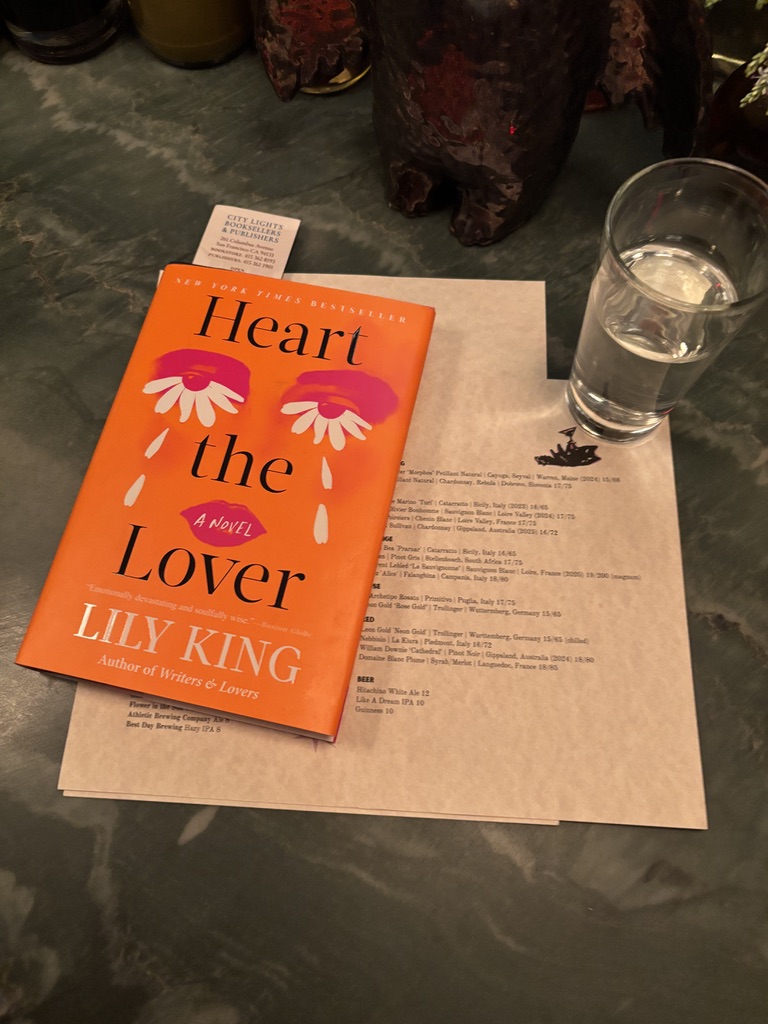
I’m wishing everyone the same sense of peace.
Even though I previously stated that I was going to read 80 books this year, I have decided instead to read 60. I am in the midst of finishing my own novel, which is consuming nearly every waking hour, and a few non-waking hours, as it has been affecting my dreams.
My selection is an amalgamation of the New York Times book picks that are hailed as being avant-garde and intellectually stimulating, but hardly sell any copies, bestselling novels full of frothy sex scenes that cater to women, and Pulitzer-Prize-winning novels that say a lot in just a few pages.
Without further ado, here is my midyear review of books…
FCC Disclosure:
Embedded in the titles are links to a place where you can purchase a copy. I will potentially earn a commission.
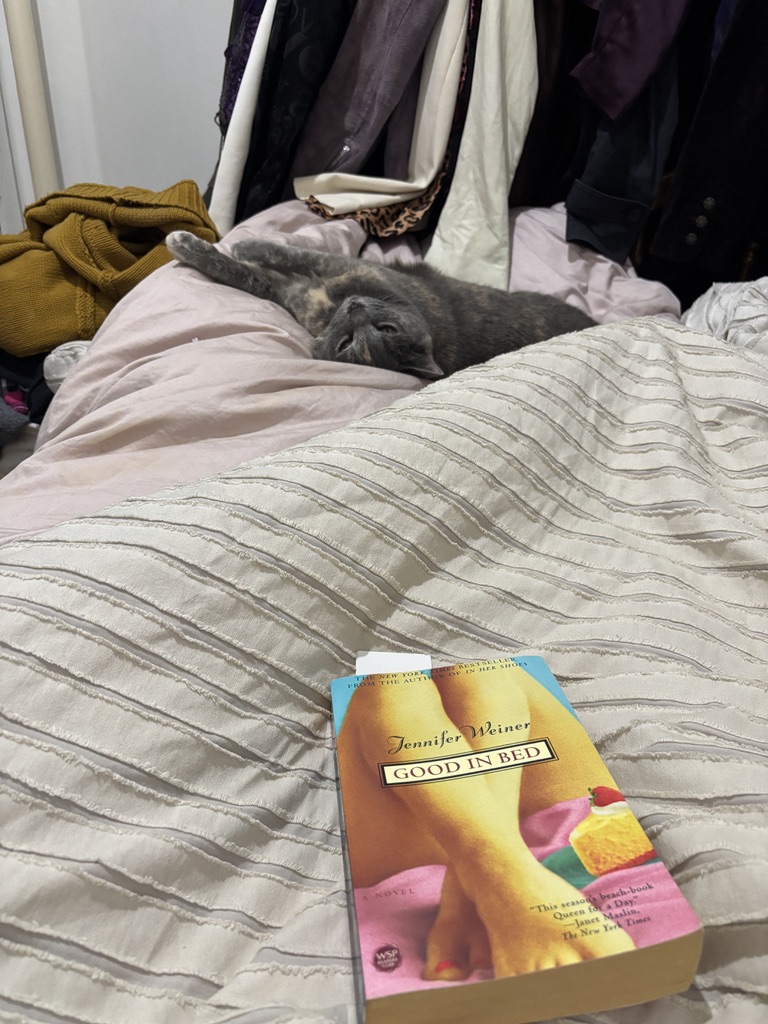
Good in Bed by Jennifer Weiner– After her ex-boyfriend writes a monthly magazine column about their relationship called “good in bed” (a bold claim in and of itself) Candace “Cannie” Shapiro must reckon with her lackluster journalism career, love life, and feelings about her body weight. This chick lit novel, recommended to me by a professor, has a very early 2000s feel to it in the way that the protagonist fixates on her weight and her inability to keep a man, but in the end, it is a story about a woman getting her groove back after experiencing public embarrassment and heartbreak. It takes a while for things to turn up for the character, possibly too long in my opinion, but it still makes for a good read about facing rejection and upending your life in the best possible way.
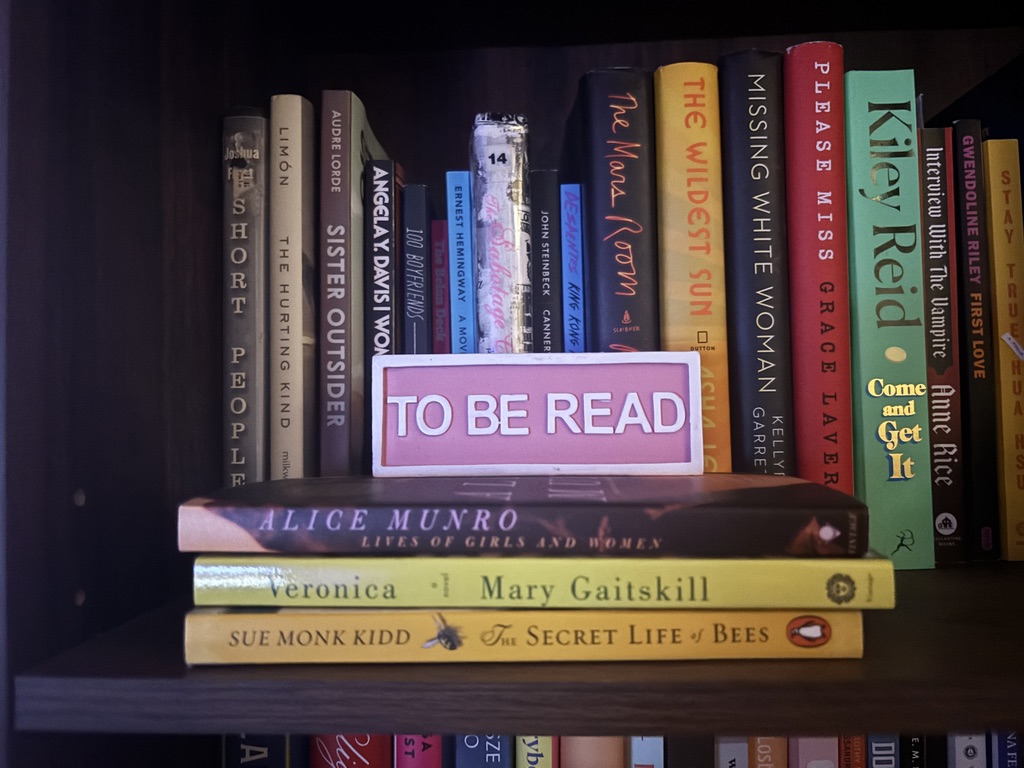
The Secret Life of Bees by Sue Monk Kidd– Lily runs away from her father with her proverbial surrogate mother and nanny, Rosaleen, and escapes to a house full of women who make and sell honey. The novel tackles race, racism, religion, and womanhood, all against the backdrop of the 1950s deep south. To me, this is a story about matriarchy. Between the imagery of the virgin Mary, the inner workings of a bee colony, and the house full of women, there is an emphasis on women being in charge.
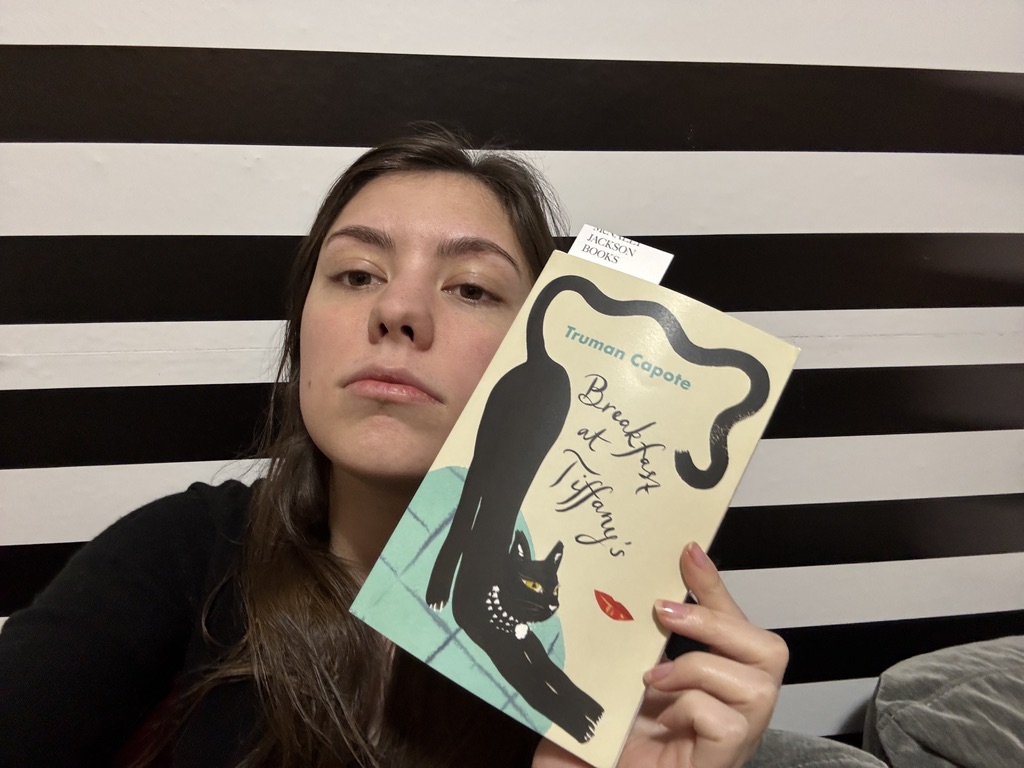
Breakfast at Tiffany’s by Truman Capote– I was surprised by how melancholy this novel was. Holly Golightly lives a sad life, but is not wholly sympathetic. She throws around the “n-word” more than once, among other unsavory terms. There was surprisingly candid talk about homosexuality given the story’s era. The film adaptation is disingenuous with a fluffy, feel-good Hollywood ending, whereas the book is much darker and thought-provoking.
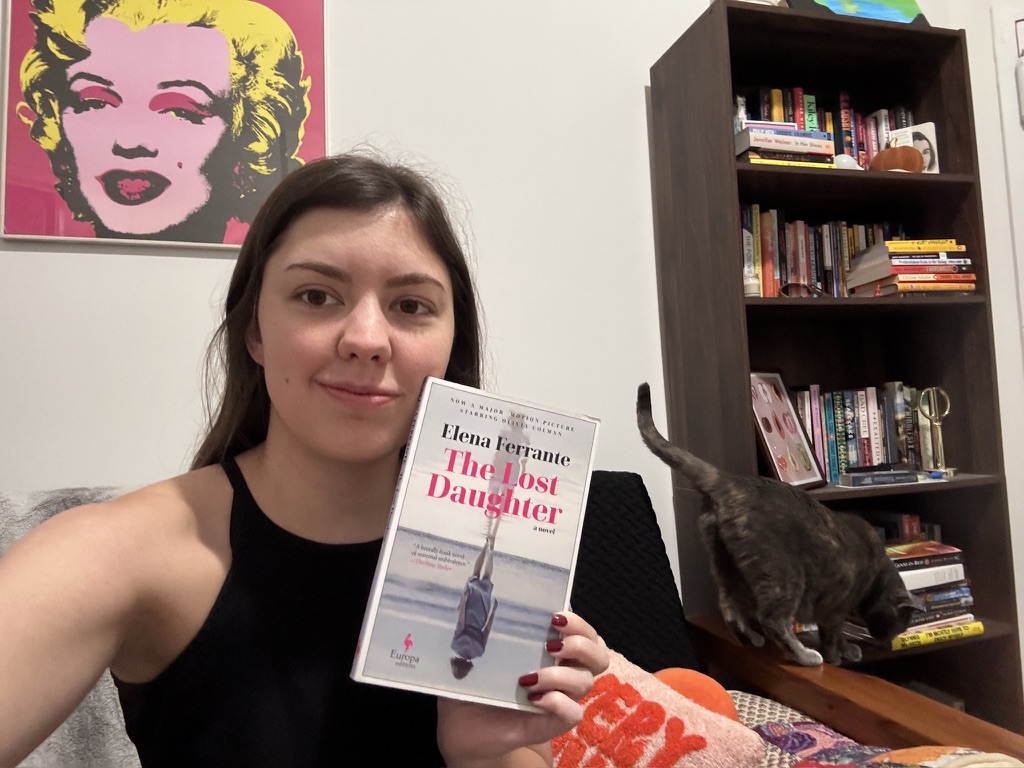
The Lost Daughter by Elena Ferrante, trans. By Ann Goldstein– While on vacation in Italy, Leda witnesses a mother and daughter duo that mirrors her own fraught relationship with her daughters. Ferrante writes about womanhood with ease. I have always appreciated her frankness and the way that she writes with perfect clarity. This novel is a slim, quick read taking place on an Italian beach but with an eerie, anxiety-inducing energy coursing through it.
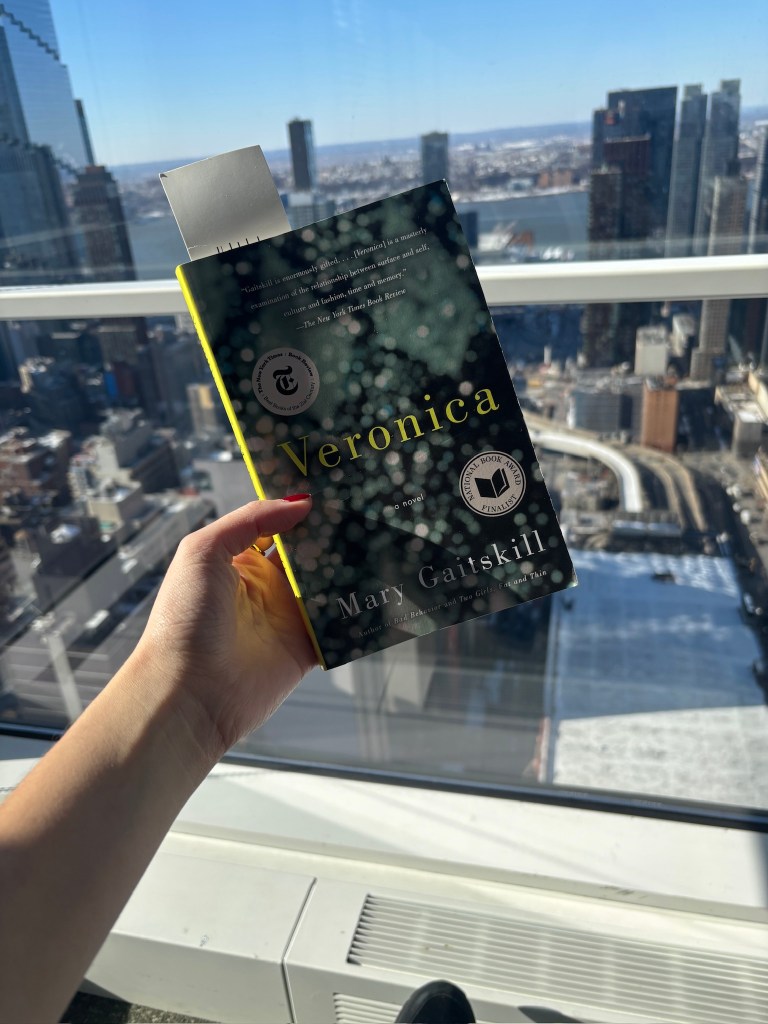
Veronica by Mary Gaitskill– This novel depicts the protagonist, Alison’s life as a supermodel, and her relationship with her friend Veronica, a temp receptionist with HIV. This novel takes us through Alison’s life, capturing not just about the glamorous side of being a model, but the bleak side of not being one anymore. It’s not hard to get wrapped up in the spectacle of life as a supermodel, as the protagonist flits between New York, California, and, at one point, Paris. The story uses flowery language that made it difficult at times to work out what was going on. It is a nice glimpse into what fame in the 80s might have been like with the sudden backdrop of the AIDs crisis.
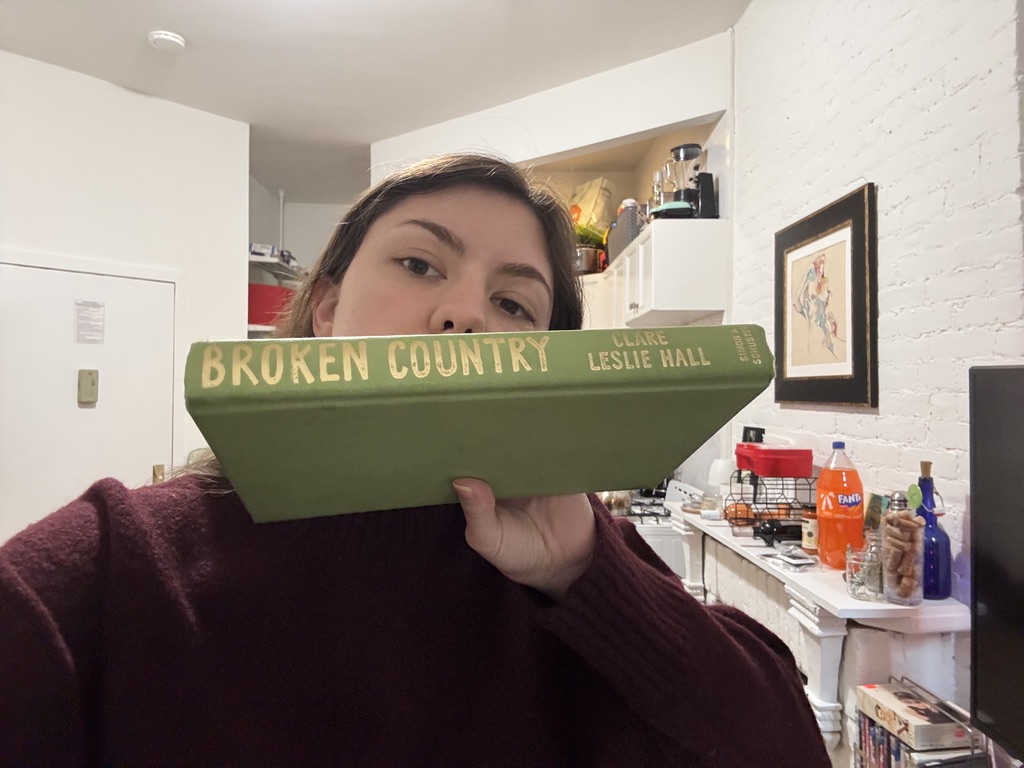
Broken Country by Clare Leslie Hall– The novel goes back and forth between a murder trial and the events that led up to it, telling the story from the perspective of a woman who cheated on her husband with a famous writer from her past. This is one of many stories that I have read in which a woman misses out on what she wants out of life due to an unintended pregnancy and the men in her life, which is something that I struggle to read. Pretty much all of this novel revolved around pregnancy, so much so that I got a little tired of it. This novel deals with betrayal, grief, regret, and longing, but it doesn’t have much of a melancholy tone to it, making it a quick read.
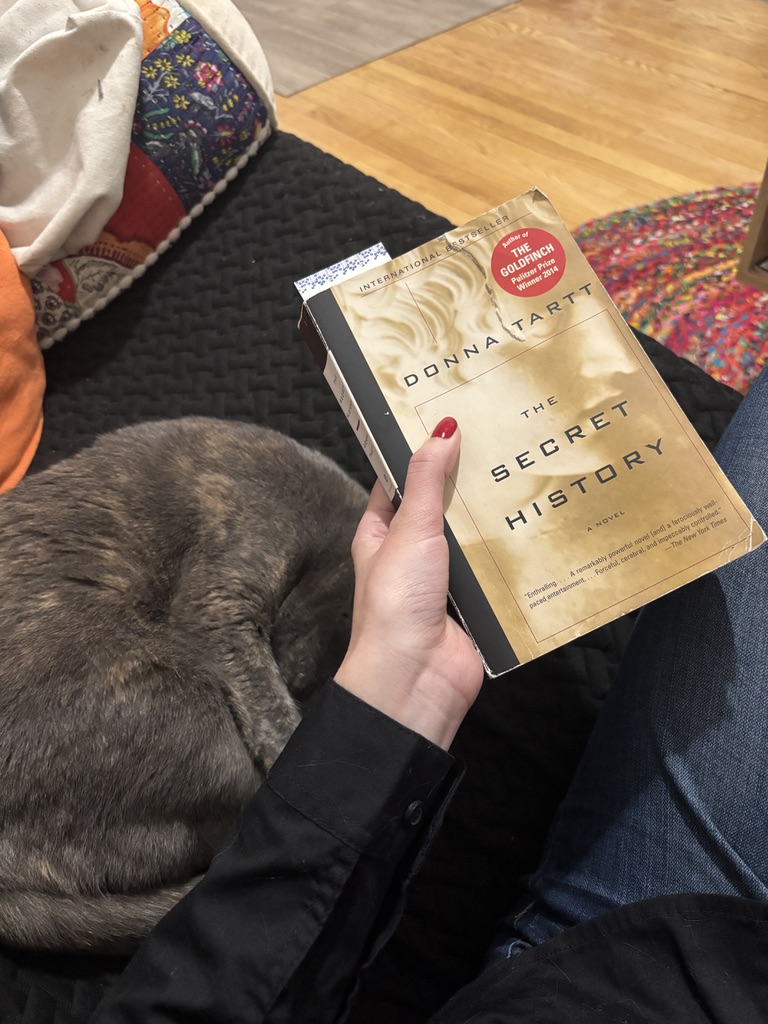
The Secret History by Donna Tart– I finally got around to reading The Secret History by Donna Tart as a buddy read with my mother. The Secret History is about a group of Greek classics students at an elite university who murder one of their fellow students. While the prose is objectively well-written, using high-minded language, I felt like this novel didn’t speak to me. (Not loving The Secret History is blasphemy in literary circles where this book is hailed as a modern classic). I would have preferred it had the pace been quicker, since I felt that it was bloated with unnecessary scenes and details that oftentimes come with no payoff and did not advance the plot. I feel like Tartt could have cut at least one hundred pages of this book, possibly two hundred. It does live up to the hype of being beautifully written, but otherwise, I did not love this book the way that I thought that I would.
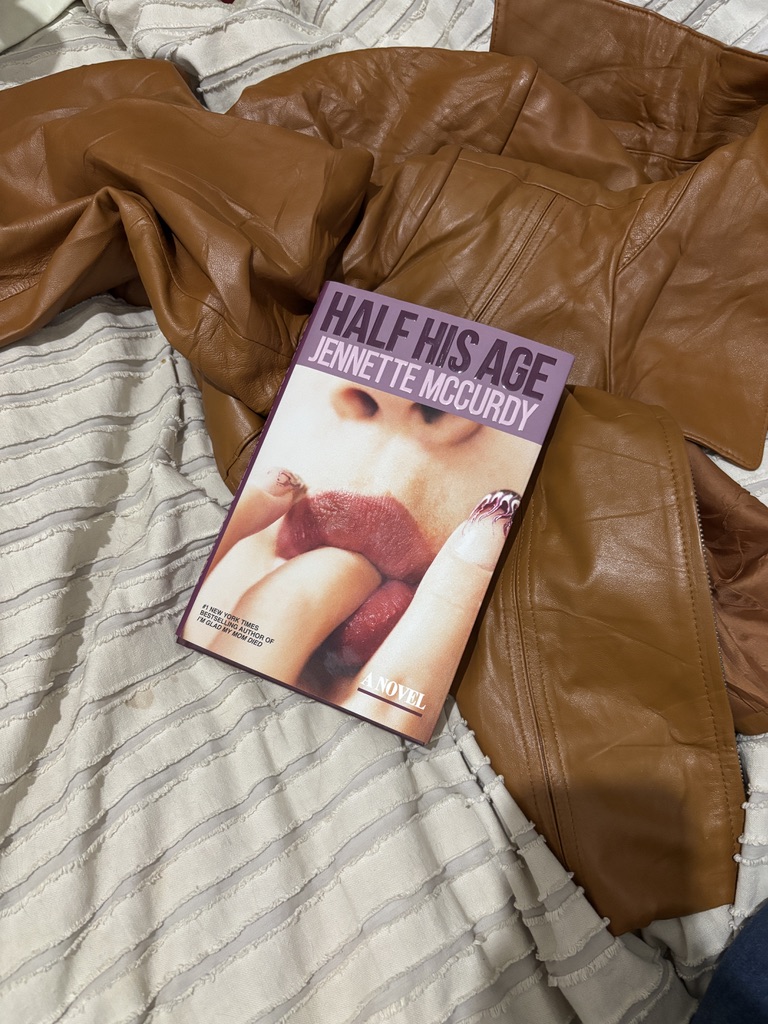
Half His Age by Jennette McCurdy– Having read I’m Glad My Mom Died a few years ago, I was eager to read McCurdy’s debut novel about a married teacher preying on an underaged student. The book is never not taboo, speaking graphically about sex, sleeping with a teacher, and having a shopping addiction. It gets to the crux of how a person can crave things that are bad for them and the smell of her formaldehyde-laced Shein shopping binge does jump off the page. To me, this story is about wanting connection. Feeling deprived of it by her parents, the protagonist, Waldo, senses a connection with her teacher, who everyone, but her, can tell is a loser. However, I felt that this book did not explore the subject matter enough and despite the novel’s psychologically rich topic and themes, the book is tonally written like commercial fiction when it needed to have been written more high brow as literary fiction. The protagonist’s internal monologue is snarky and crass, but also too wise and introspective for a 17 year old. It reads more like a sexually-confident adult woman retrospectively reflecting on her relationship, than a 17 year old struggling to find her place in the world. My final qualm with the book is that it never leans that heavily into the predatory relationship, making it as though the protagonist, and by extension the writer, wants us to view this abusive relationship as a normal one.
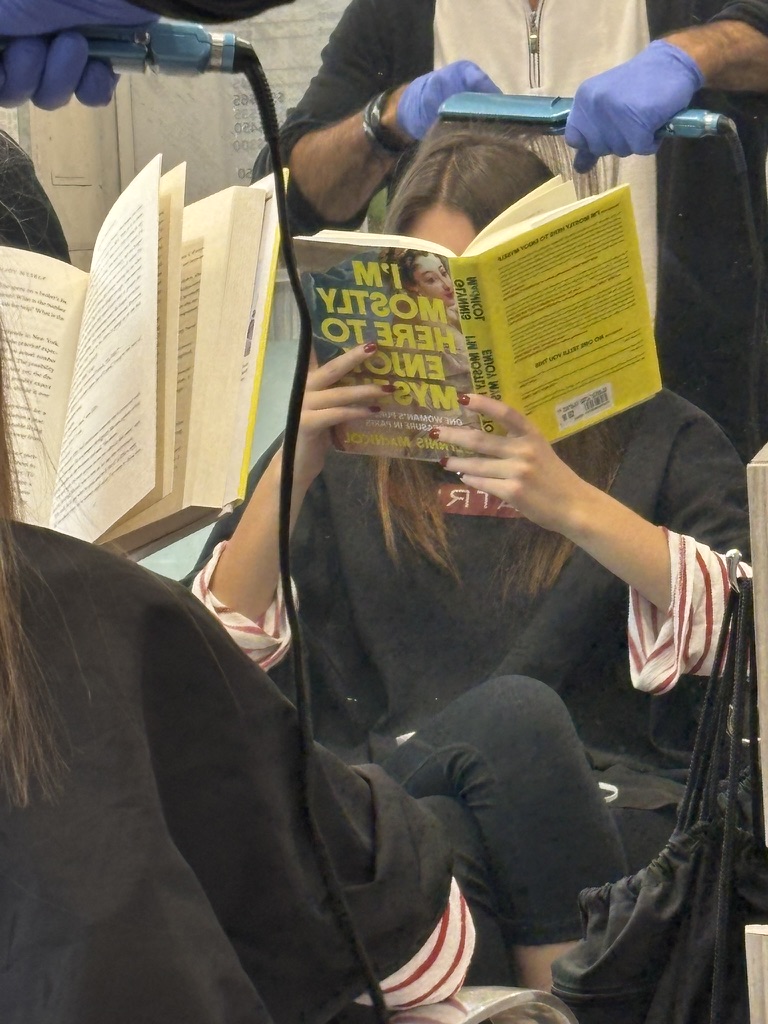
I’m Mostly Here to Enjoy Myself by Glynnis MacNicol– As the COVID-19 Pandemic waned, Glynnis MacNicol traveled to Paris in order to rekindle her sex life and then wrote this memoir. Oftentimes, when reading a book, particularly a memoir, I have to ask myself why I should care and, unfortunately, I did not care while reading this. I thought that this novel hit a high-note of pretentiousness and did not have enough going on plot-wise to warrant a memoir being written about it. The narrator is one of those people who constantly stresses that she saw Paris with locals and therefore had a more enriching trip, yet, having been to Paris, it seems like she had a fairly standard trip. She espouses feminist ideologies as if they are earth-shattering when in all actuality they are about a decade too late. She writes about the life stories of Lee Miller and Colette as if they are niche icons (there are movies about both these women). I also question whether or not she truly should have been traveling and sleeping around at this juncture in the pandemic as it seems to not have actually been safe to travel yet. The first one hundred pages of this novel could be cut, and replaced with one or two paragraphs explaining how she got her vaccination card in Paris and how she met her friends, two topics that I didn’t find particularly interesting. I cared more about the wild and passionate tale that we were promised, but were not delivered. Her sex life, which is the basis for the novel, is told in broad strokes and is dull. This memoir feels like it was meant for women older than me, especially since the central thesis of this book was that she, as a woman, is allowed to enjoy herself, so perhaps I am not the best judge of this novel’s worth.
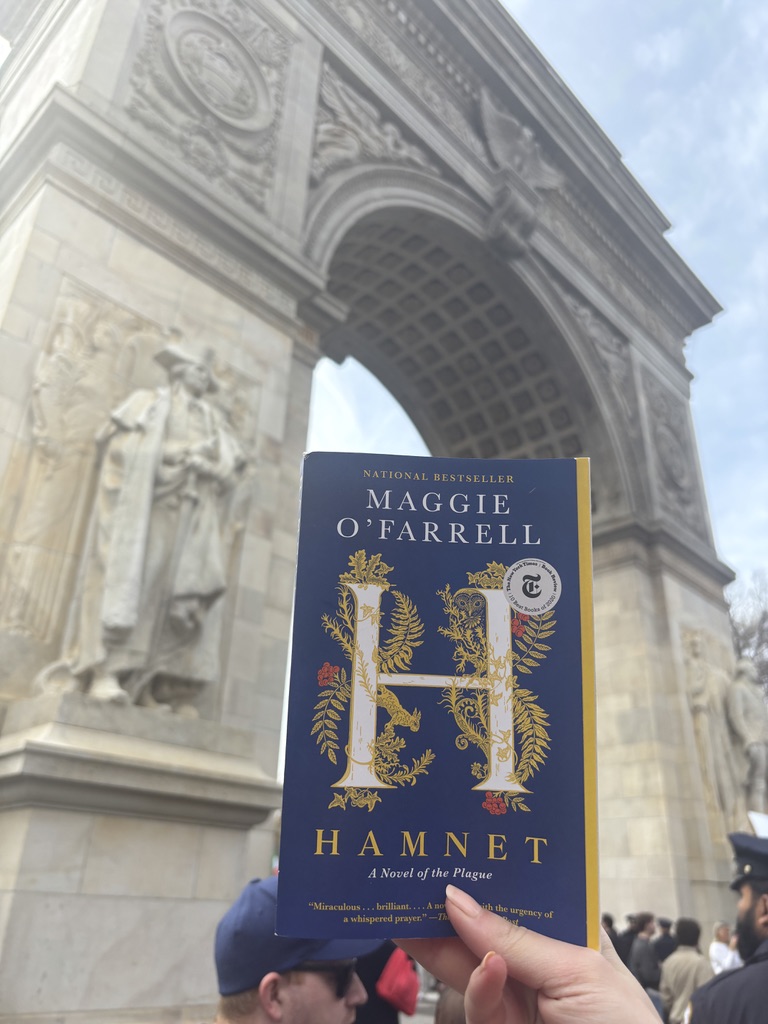
Hamnet by Maggie O’Farrell– Hamnet is a fictionalized dramatization of the life of Shakespeare’s son Hamnet, who preceded him in death and was the basis for his play Hamlet. William Shakespeare’s name is not brought up once as his status as the world’s most famous playwright does not matter within the context of his family. I thought it was a beautiful story of familial love and grief and an exploration of processing grief through art. It is well-written in its descriptions with its smooth, easy prose. I was surprised by how much I enjoyed a fictionalized version of Shakespeare’s life, particularly one that focuses on such a devastating point in it, yet I was staying up late and turning the page, wanting to feel moved by his beautiful, grieving family.
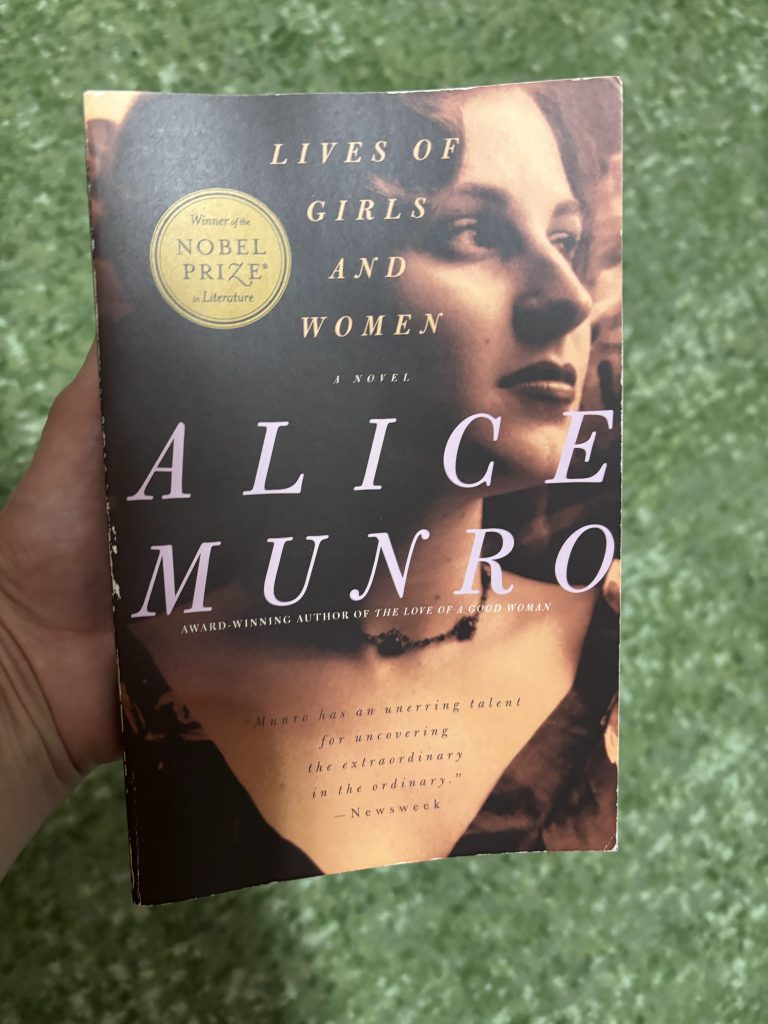
Lives of Girls and Women by Alice Munro– This book follows Dell, a young girl coming of age in Jubilee, Ontario. The novel seems aimless and plotless for much of it until you realize that the narrator is going through a litany of different women’s lives in her Canadian hometown. I felt like we needed to know more about the protagonist, including her age, earlier in the story. She felt inaccessible.
Ironically, the “lives of girls and women” is something that Alice Munro has found herself on the wrong side of in recent years. The now-deceased Nobel Laureate apparently did nothing while her husband sexually-abused her daughter, making her complicit in the abuse through her silence. There still is much that we can learn from Munroe’s writing, particularly the clarity that she brings to each sentence, yet it sullies her reputation and hovers over this book about childhood turning into adult exploration of sexuality.
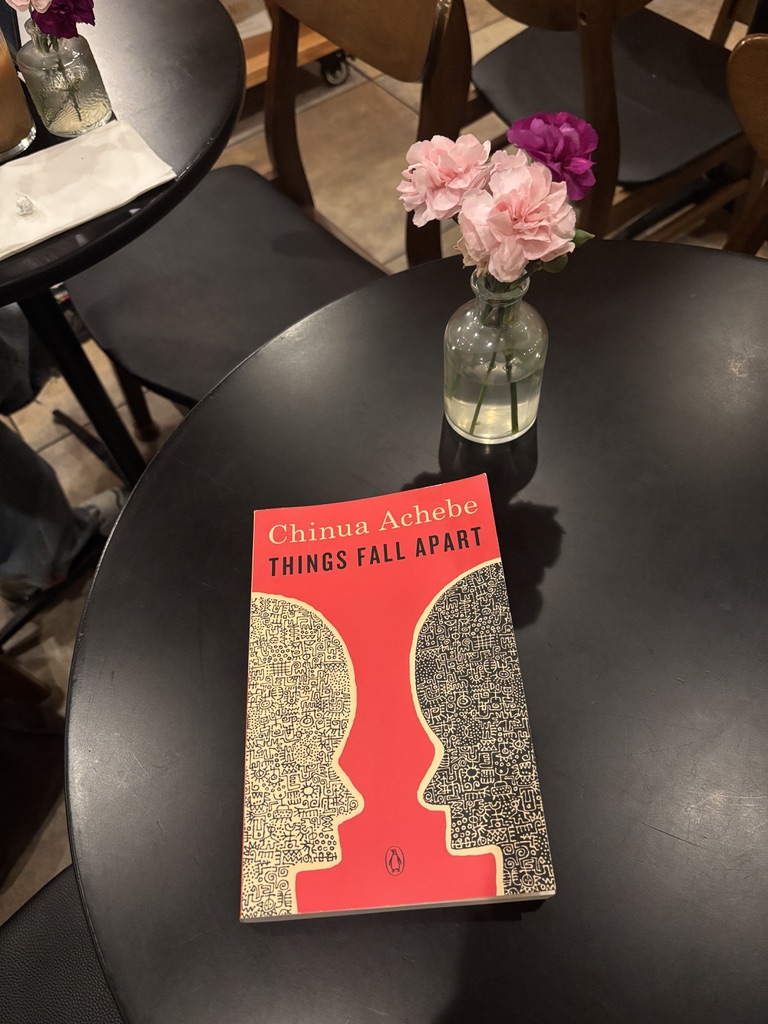
Things Fall Apart by Chinua Achebe– This is a tiny but mighty novel about the final days in Nigeria before the presence of colonial power on the inland part of the African continent. It depicts life and culture before the appearance of British influence and with it, Christianity. This modern classic follows Okonkwo, a leader of his Igbo clan, as he is banished and then re-accepted into his community. Okonkwo is constantly challenging his society through his feelings about women, traditions, and finally the arrival of foreign, oppressive powers.
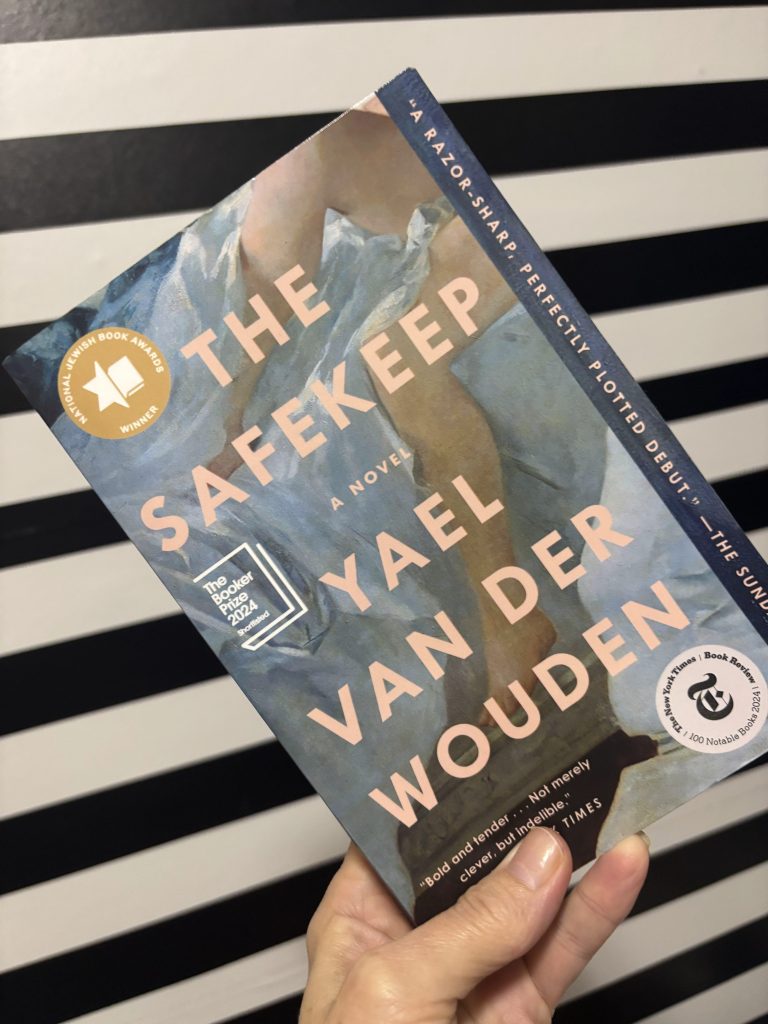
The Safekeep by Yael Van Der Wouden– In the Netherlands in the 1960s, a proper and uptight woman has an affair with her brother’s girlfriend who is staying with her for a few weeks. It explores sexuality, the idea of a home, grieving your mother, and the repercussions of the Holocaust. To say that it grapples with serious topics is an understatement. I am far from being in the minority when it comes to enjoying this book, as it was shortlisted for the Booker Prize, winner of the Jewish Book Award, winner of the Women’s Prize for Fiction, and was selected as A New York Times notable book of 2024. It was a strong look at a life that is so different from my own, featuring characters that are constantly misunderstood.
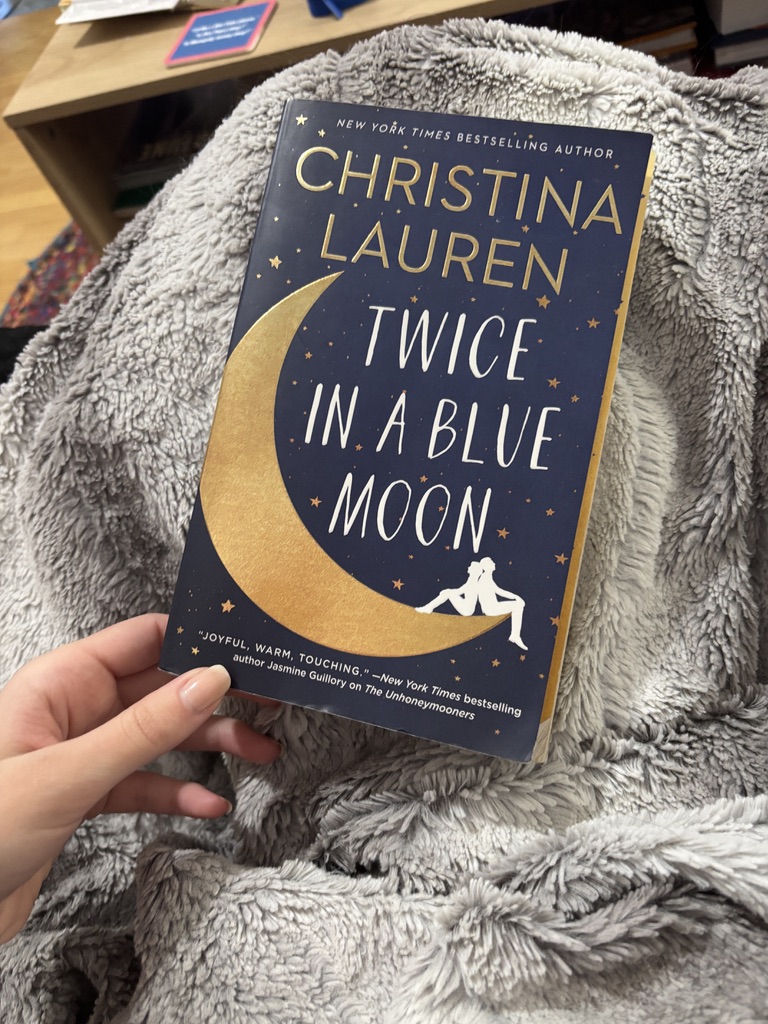
Twice in a Blue Moon by Christina Lauren– I like a nice warm and fuzzy female wish-fullfillment story full of hot men and messy sex for when the news gets too stressful and life gets too tedious. Christina Lauren delivers that. However, I felt like this book wasn’t as good as the other Christina Lauren books I’ve read, which is probably due to it being an early work from the duo. The ending was not very satisfying as there was no comeuppence for the villain of the story, but for those who want a cushy read, you will probably enjoy this book.
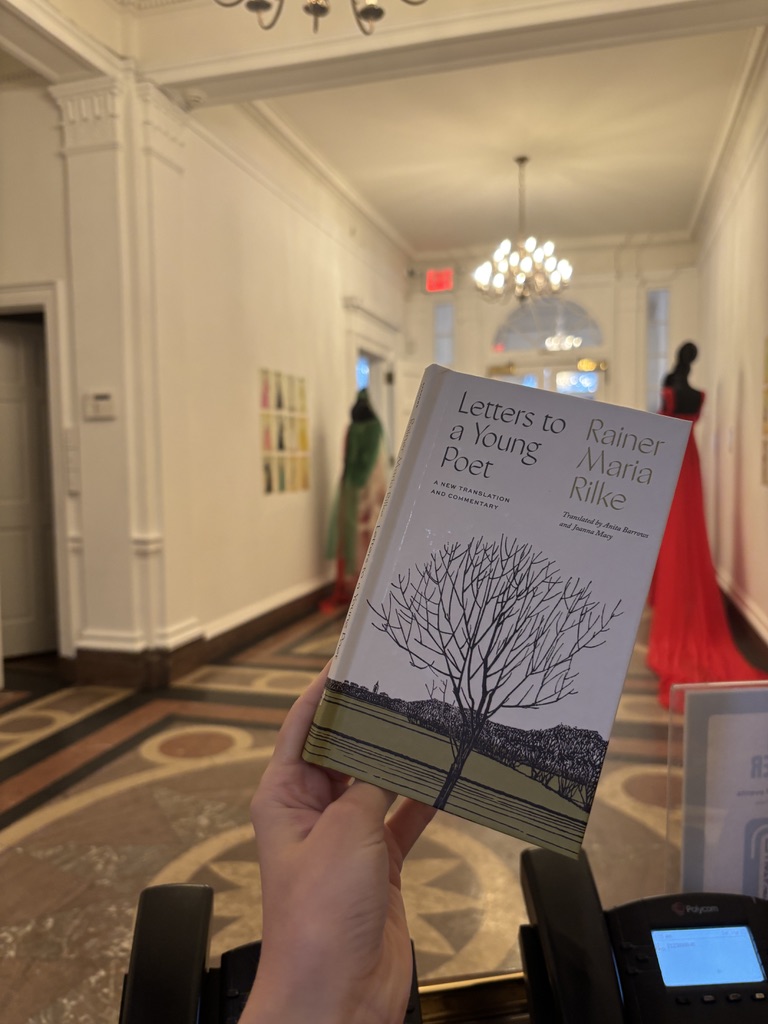
Letters to a Young Poet by Maria Rene Rilke– In the late 1800s, a young poet wrote a letter to the poet Maria Rene Rilke, asking him for advice on how to become a great poet. What he got instead was much better. Rilke wrote back to him about life, sex, gender, god, and religion, all in the space of ten letters. All aspiring writers should read this thin slice of a book as it will validate all of your artistic hopes and desires and make you realize that all of the thoughts that you have struggled with throughout your life have been felt by everyone, the world over, many times. It’ll also remind you that in order to become a great writer, you need to look inward, not seek it out elsewhere in other people.
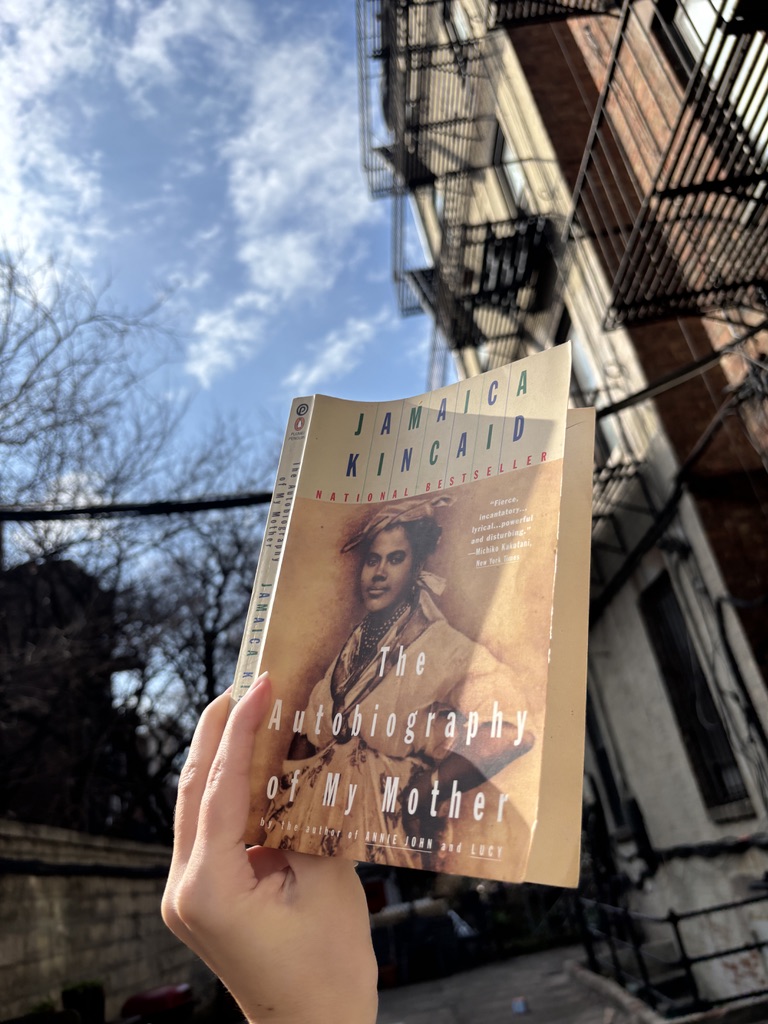
Autobiography of my Mother by Jamaica Kincaid– This is a story about a woman’s life from girlhood to adulthood, focusing on the death of her mother, which took place during her birth. Kinkaid writes beautiful, stylish prose that I have long since fallen in love with. This novel definitely isn’t for everybody, having a niche style, but it falls squarely in the realm of feminist literature and should be read by everyone who seeks to understand the feminine experience.
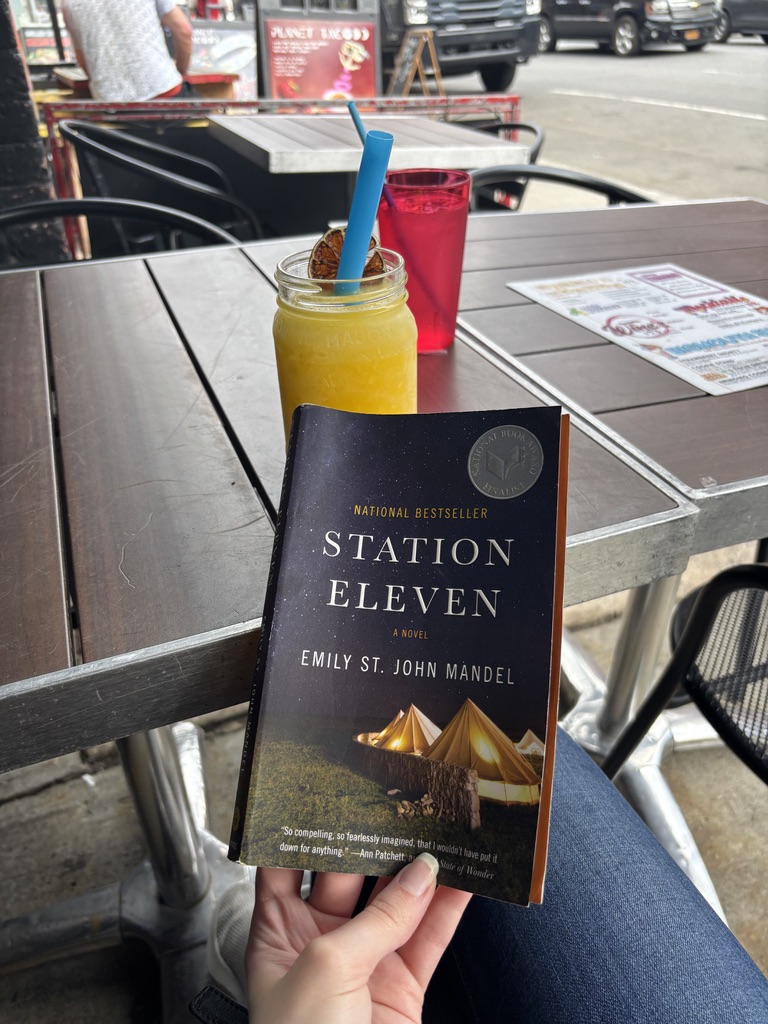
Station Eleven by Emily St. Jon Mandel– After a global pandemic has killed a vast majority of the world’s population, in an event known as “the collapse,” a group of survivors must band together. In this prescient novel that predated the 2020 global pandemic, we follow many characters in the years following a devastating loss of human life that will make you afraid for your own place in the universe. It touches on the need for art even when society has collapsed. It’s such a strong commentary on humanity, focusing on how people react when the world ends. This novel is for fans of The Walking Dead, who want something much less violent, as was the case for me. It was a t once a gripping page-turner as well as a sensitive and intimate story about people that we might feel like we know.
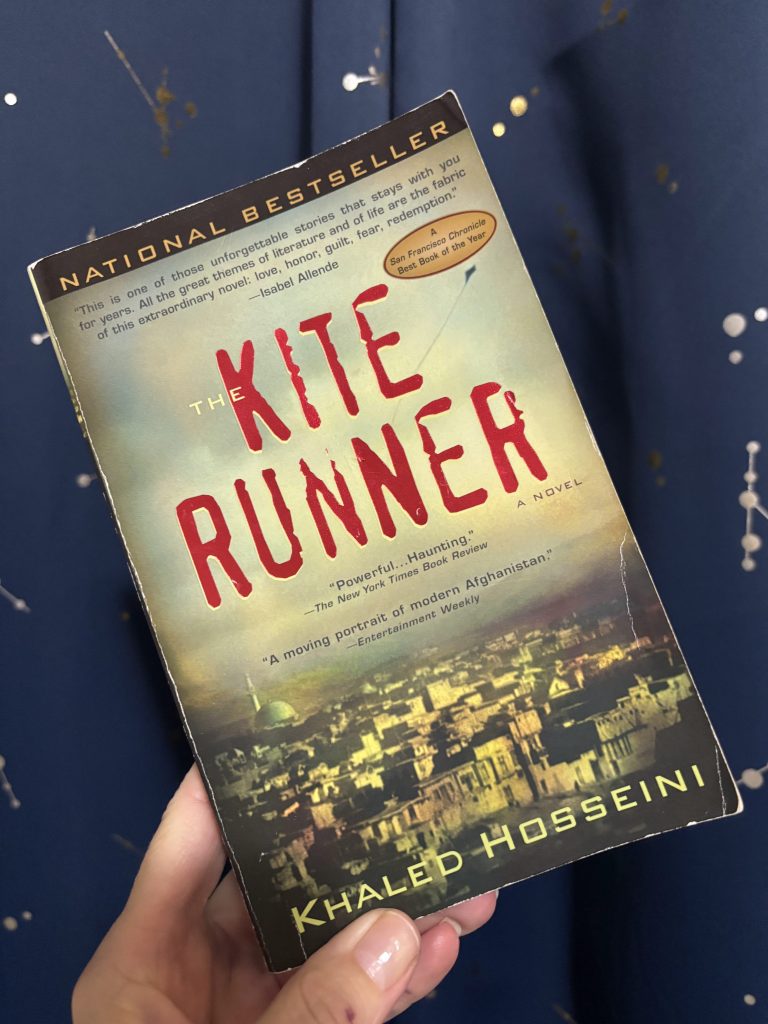
The Kite Runner by Khaled Hosseini– Though it needs no introduction, The Kite Runner depicts a contemporary Afghanistan. It follows the life of a wealthy boy in Afghanistan and his friendship with his family’s servant’s son as they grow together and then grow apart. It’s been a while since I’d read a meaty novel with a flawed protagonist and The Kite Runner delivers just that. The novel careens towards a devastating ending, but has a little bit of a lift at the end.
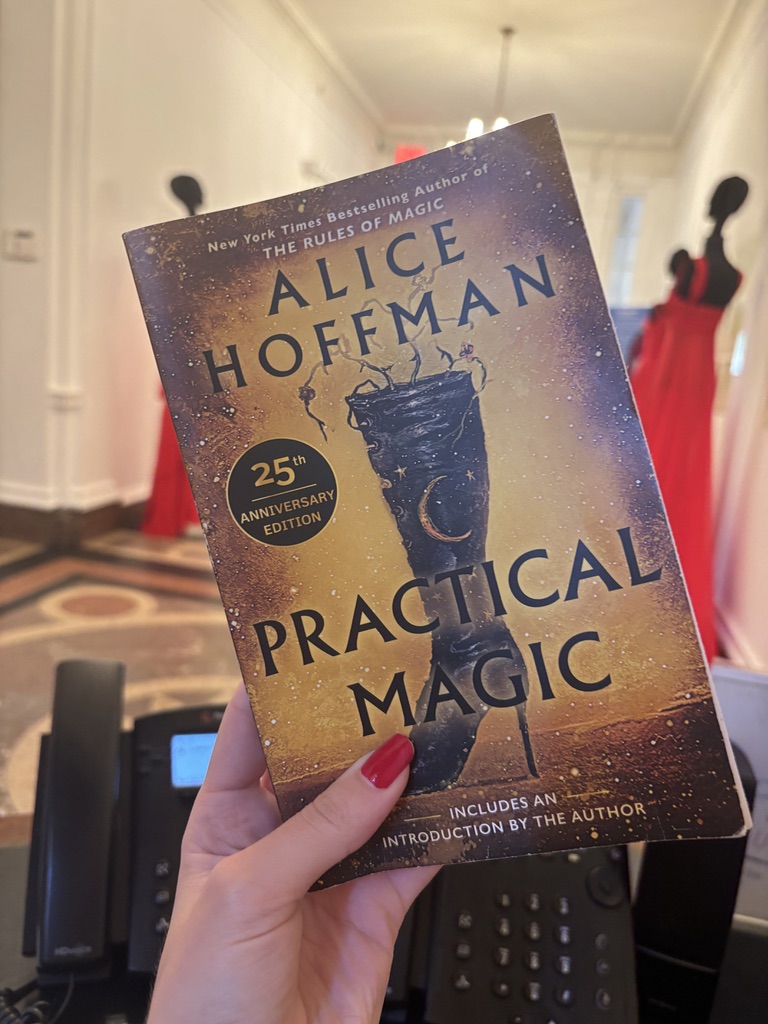
Practical Magic by Alice Hoffman– I felt that this book was darker than the film with Sandra Bullock and Nicole Kidman, minus the attempted resurrection of the dead. It tells the story of a family of women and girls’ lives more intimately. The fact that they are witches is only a part of this slice of life book. It was not even a very plot-heavy book, amorphously showing their magical day-to-day lives, but it is still fun to read and to imagine yourself as a witchy woman.
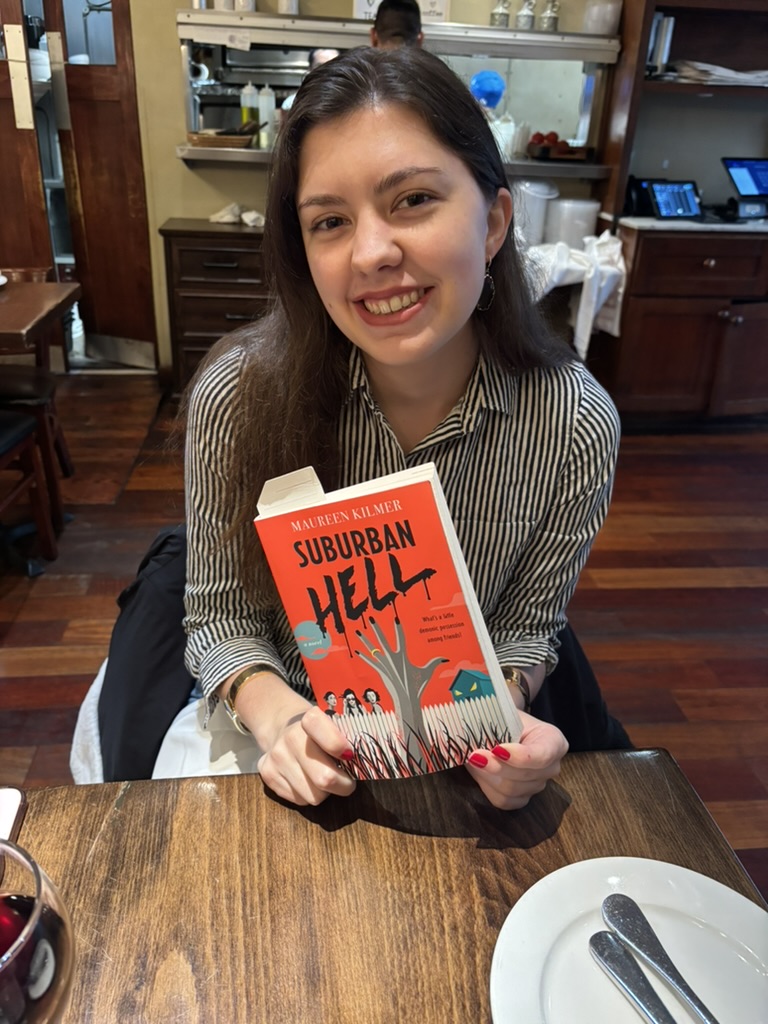
Suburban Hell by Maureen Kilmer– A group of suburban moms find their lives upended when one of their friends and neighbor, Liz, gets possessed by a demon. The women must band together to fight off the evil forces and free their friend before she is gone forever. For me, this novel lacked stakes. A demon possesses their friend and wreaks havoc on their lives, but it doesn’t make much of a difference to their mild suburban existence. The attacks from the demon all feel random and yet I feel that this novel would have worked had it just been a satire. At times it seemed like it was leaning that way with a roomba getting possessed by an evil spirit and a box of rosé almost being the thing that performs the exorcism, but this novel is decidedly not satire. It takes itself very seriously and is therefore not particularly good.
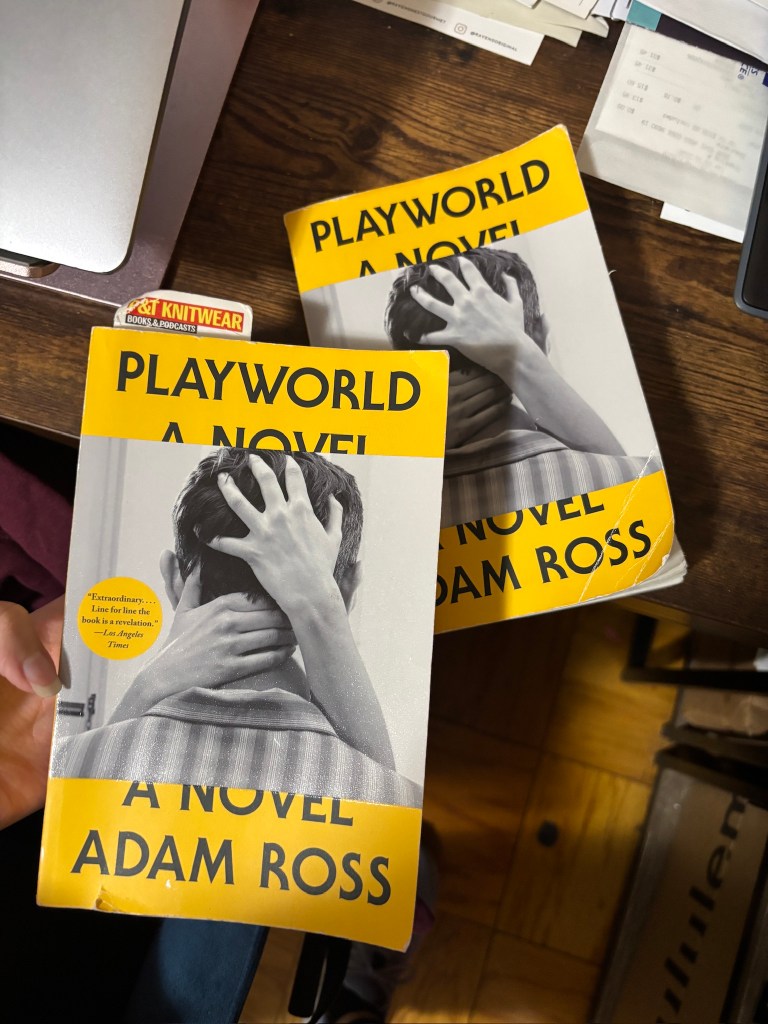
Playworld by Adam Ross– This novel is dense, weighing in at 502 pages. It follows Griffin Hurt, a child TV star in the 80s, over the span of a single year as he has a “relationship” with a much older family friend. It is incredibly uncomfortable, making you squirm at the thought of a fourteen year old with this older, married woman. There were so many juicy descriptions that were oftentimes funny and vivid. I believe that this novel would have been more popular had the author trimmed about one hundred pages.
(Oren was my favorite character; he was a down-ass bitch)
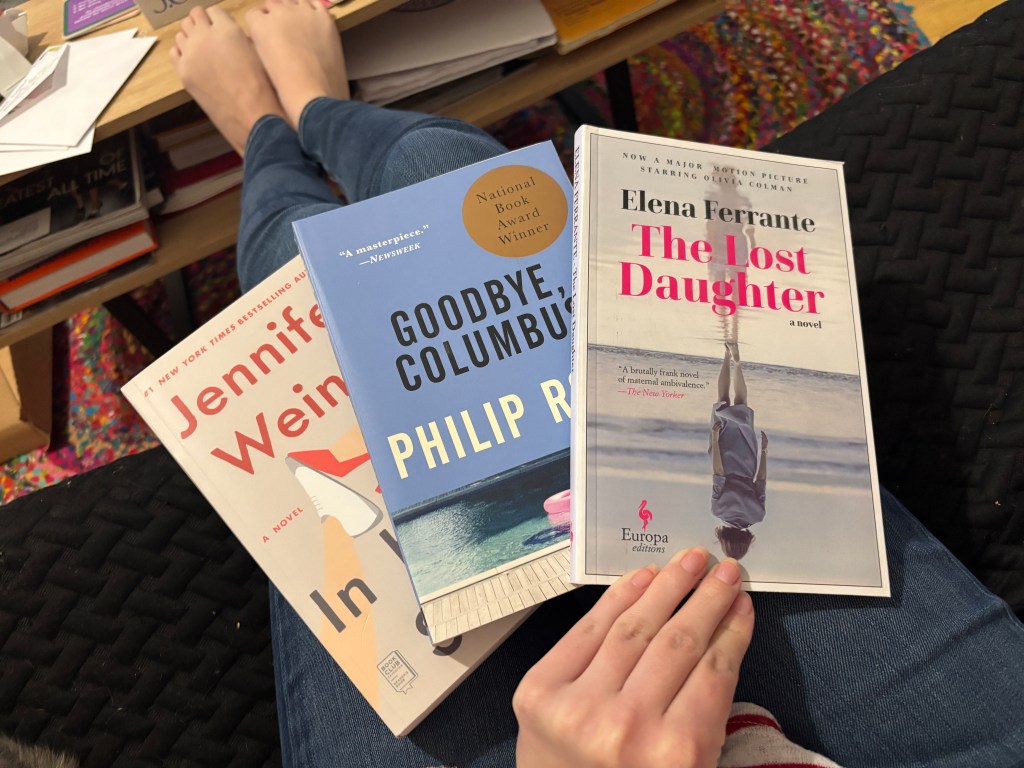
Goodbye, Columbus by Philip Roth– I read Roth’s debut, a national book award winning collection of short stories that he published at 26. (Eat your heart out). In some ways, I felt like his stories did not hold up to a modern audience, lacking the much-needed drama of contemporary works. These stories were quieter, sometimes to the point of feeling slightly empty, but there were also some good moments that explore class differences, identity crises, and other facets of human life.
Favorite short story: The Conversion of the Jews
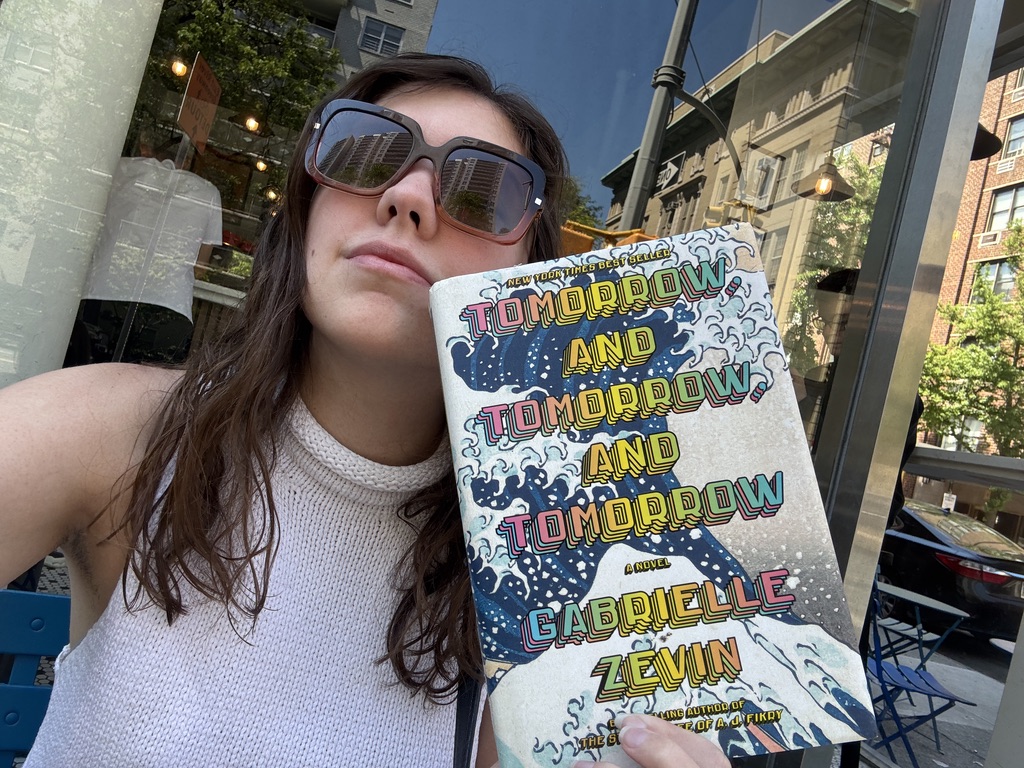
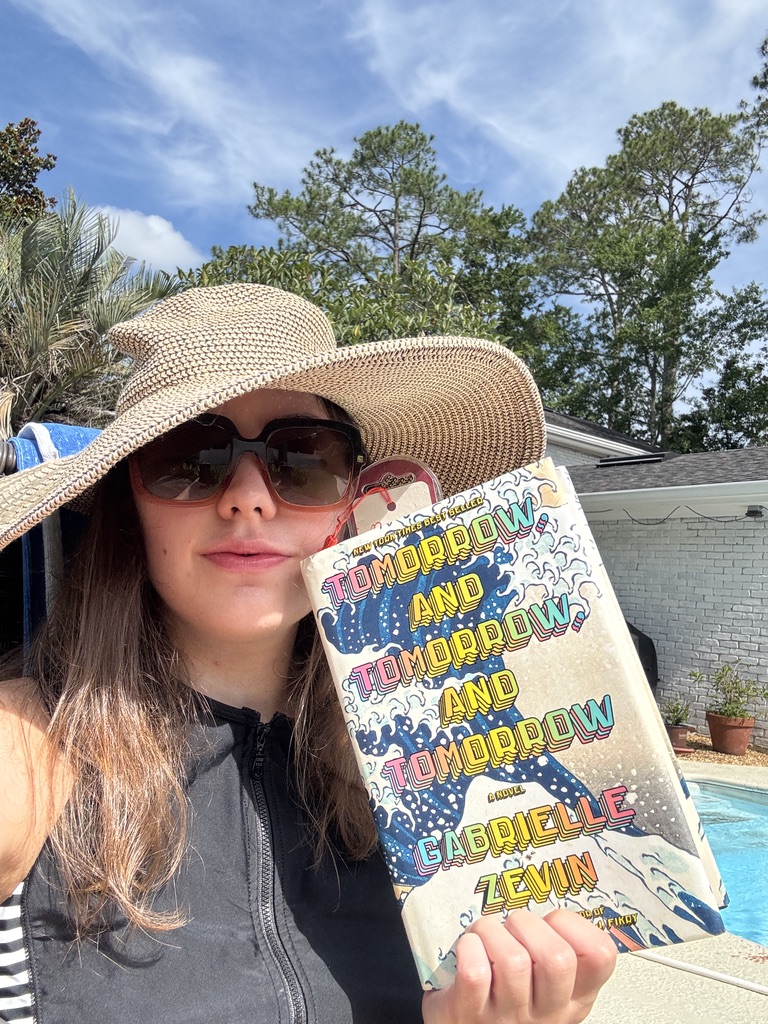
Tomorrow and Tomorrow and Tomorrow by Gabrielle Zevin– I never thought that I would care about a story about people making a video game, much less be moved to tears, yet there I was, crying on an airplane. This book follows the oft-tragic lives of Sadie and Sam, two computer game designers who have known each other since childhood. The novel spans several years, showing us their day-to-day lives, living up to its title. It was written in a way that makes you care about the characters even if you don’t care at all about video games, because it focuses on the creation of art, the endless effort and the sleepless nights, and specifically, collaboration.
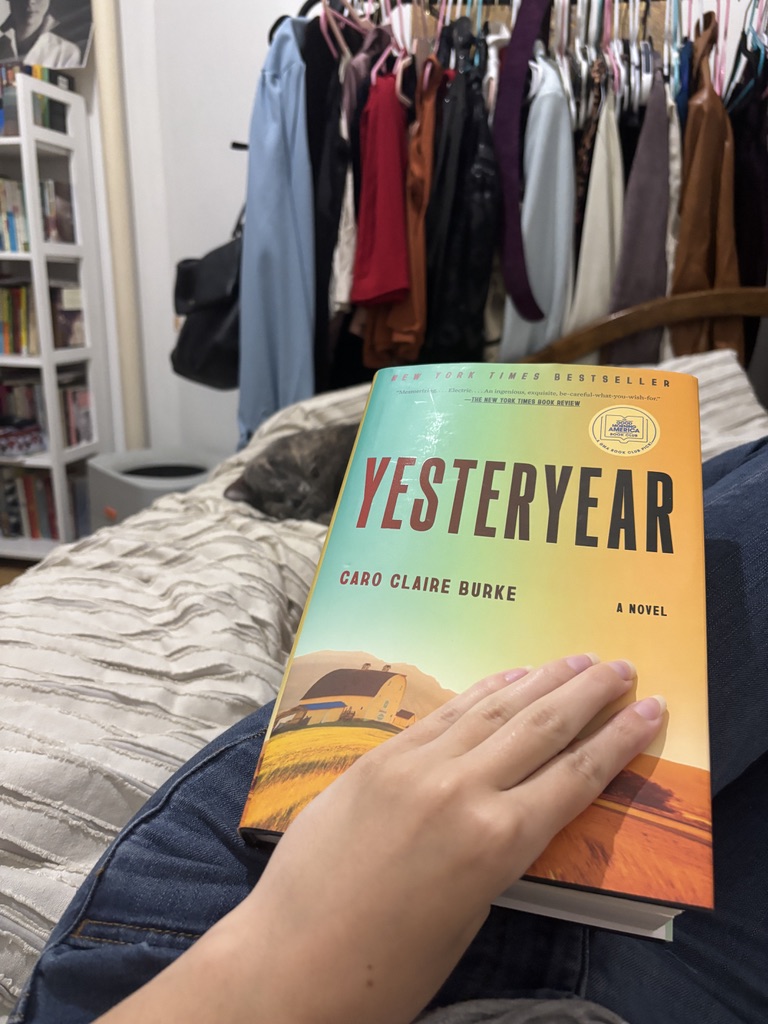
Yesteryear by Caro Claire Burke– Everyone knows about Yesteryear, the novel of the summer. Nathalie is a tradwife influencer performatively hawking a lifestyle of homemade sourdough bread and butter, while hiding her modern kitchen and full-time staff, only to wake up in the 1850s and experience the life that she has been promoting in all its rawness. The narrative voice feels like what I imagine a real tradwife would be, as she suppresses her irritation towards her uber-Christian, manchild husband and her own internal hypocrisy. I have rarely read such a timely novel but this story sweeps through topics from pro-natalism, the role of the internet in the rise of far-right extremism in America, and the devil’s bargain of internet fame.
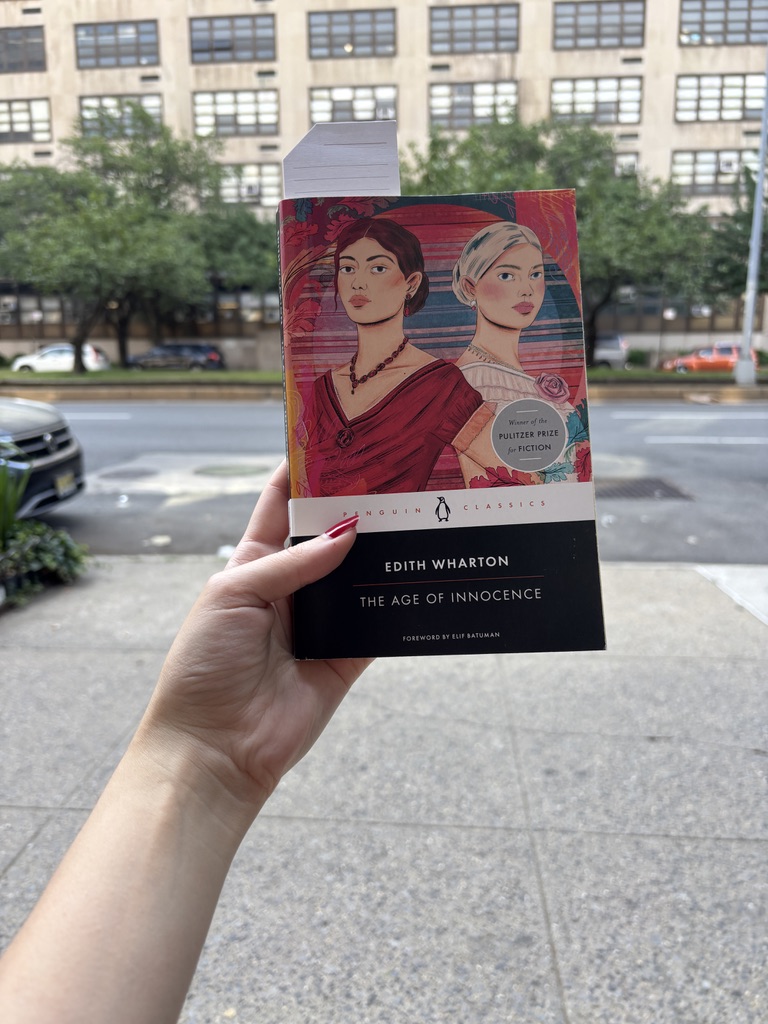
The Age of Innocence by Edith Wharton– I finally got around to reading this Pulitzer-Prize winning classic about a steamy affair, set against the backdrop of a bygone New York City. To my surprise, this novel held up fairly well, despite being over a century old. It candidly dealt with the concept of divorce, showing sympathy for a woman who is scandalously contemplating divorce, having felt trapped in her marriage. This novel felt very modern in its sensibilities.
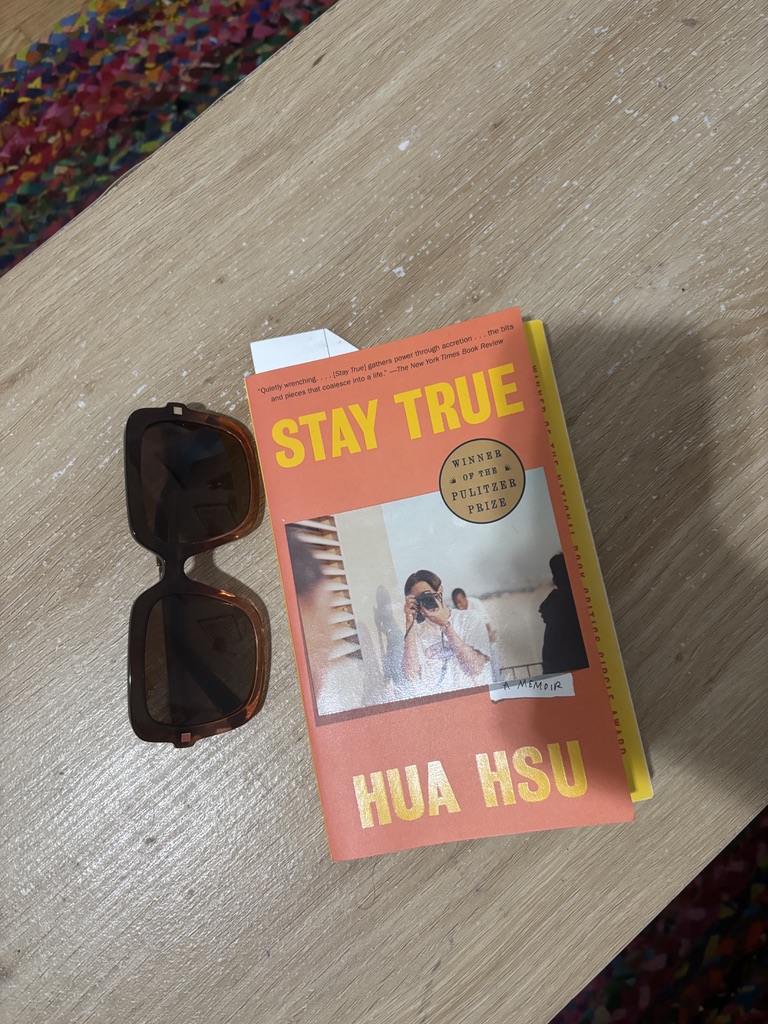
Stay True by Hua Hsu– I read Hua Hsu’s Pulitzer-Prize winning memoir about his young adult life and friendship with his college best friend who tragically dies at a young age, early into their friendship. This was a short book that I felt could have been longer by telling us about the first sexual experience he ever had (which took place while his friend was dying) and by telling us more about how he felt after his best friend died. The prose was easy and accessible, making it understandable that it would be so highly praised. Throughout this narrative, Hsu works out his identity.
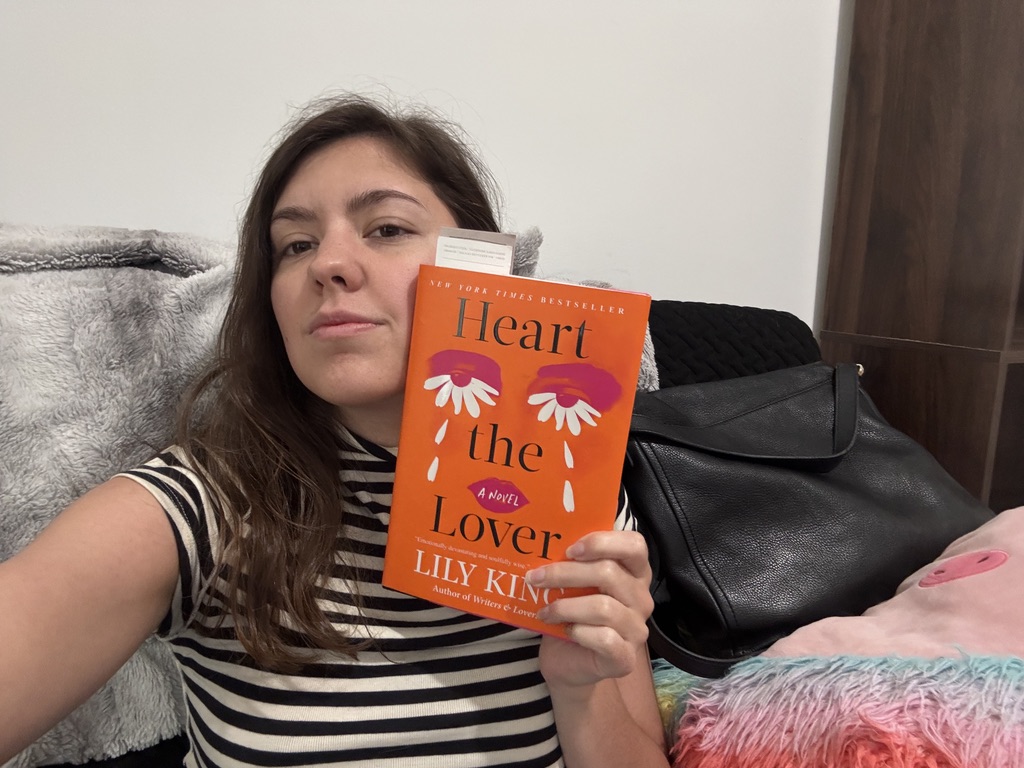
Heart the Lover by Lily King– This novel is the complicated love story of two people who meet in college, fall in love, and then fall out, only to reconnect years later. Overall, I just wanted more from the story: more back story, more details, more interiority. It felt like we were only being given half of a story rather than the full thing. In the novel, the protagonist gets pushed around by the men that she dates, sometimes literally, and yet she stays with them. I always struggle to read these kinds of stories. The protagonist is a writer (which I also hate to read about).
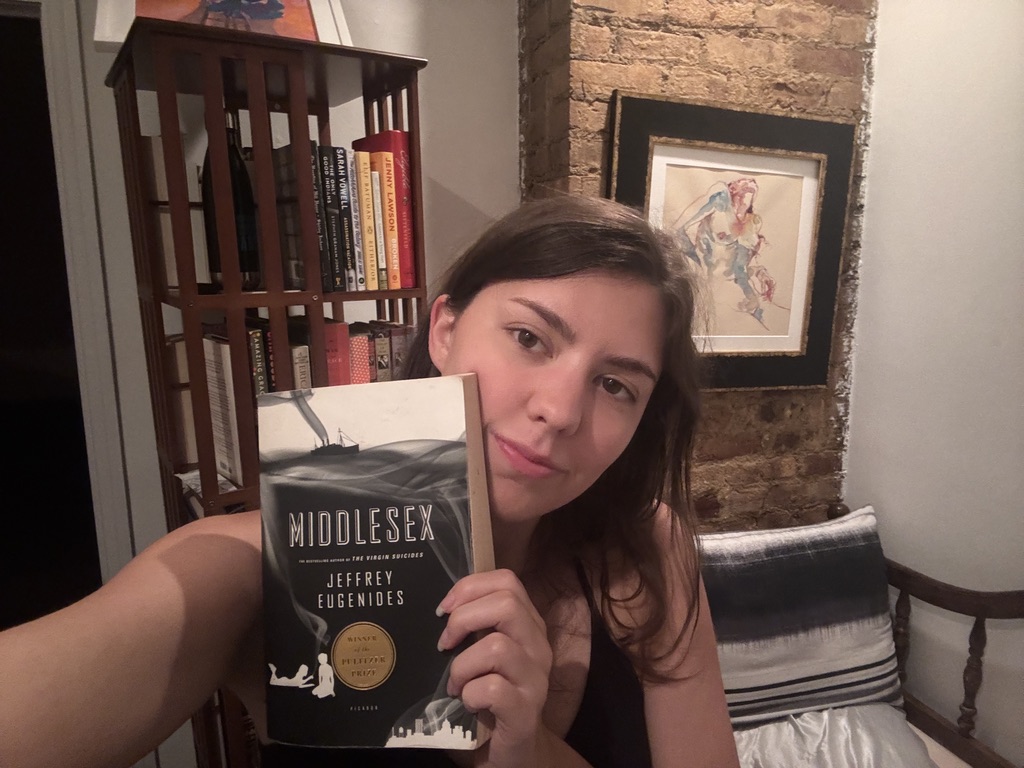
Middlesex by Jeffery Eugenides– Another buddy read with my mother (sort of). Having enjoyed The Virgin Suicides, I decided to read this book. Eugenides is a master of writing clear, lengthy descriptions that go into depth on the psyche of each character in just a few lines. That said, I thought that this novel was needlessly long. He could have cut at least one hundred pages (and I could have told him which hundred to cut) and the novel would not have lost anything. The protagonist knew many things that they did not witness (if you want to tell a story from like ten different perspectives, then just tell a third person story, not a first person one). Nowadays we would have our debates about a cisgender male author writing about the trans and intersex experience, but it remains a well-written and thoughtful look into the complicated life of a person in search of identity.
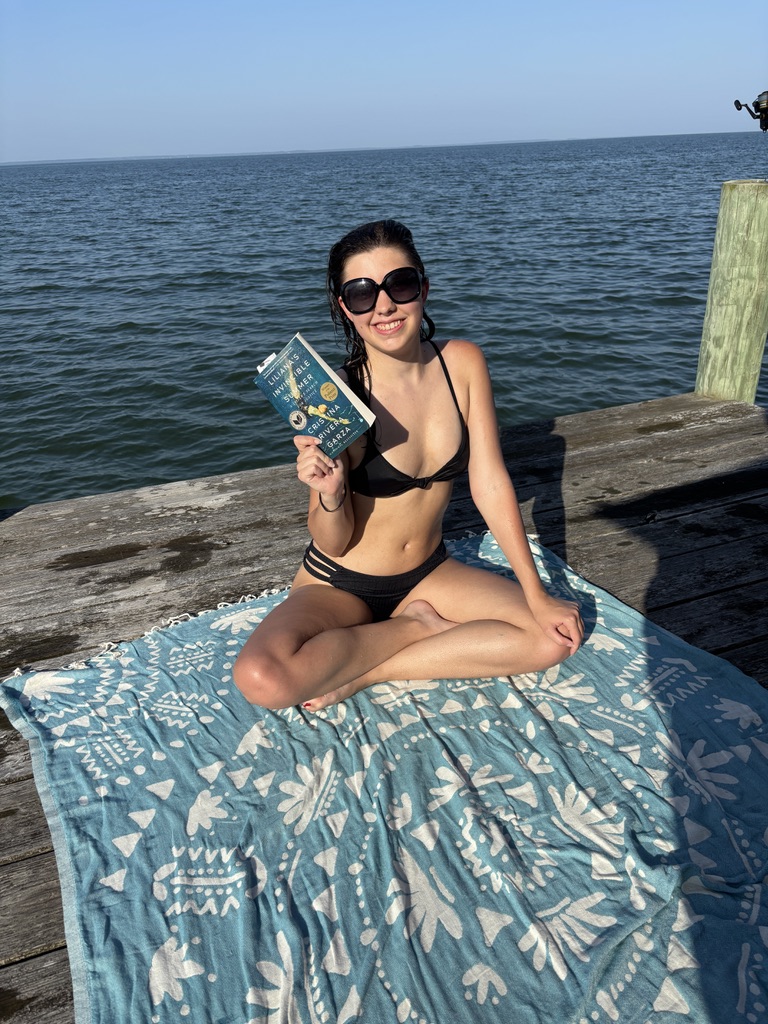
Liliana’s Invincible Summer by Cristina Rivera Garza– In this memoir, Garza seeks justice for her late sister who was murdered by her boyfriend 20 years earlier, when she was just 20 years old. It is part true crime story, part social commentary, and part elegiac portrait of a young woman whose brief life held so much joy and promise. This book looks at femicide and intimate partner violence, drawing on statistics, but also taking personal accounts of those who knew her sister, LIliana, best. It makes you feel sad and enraged, but also strangely determined to make the world a better place.
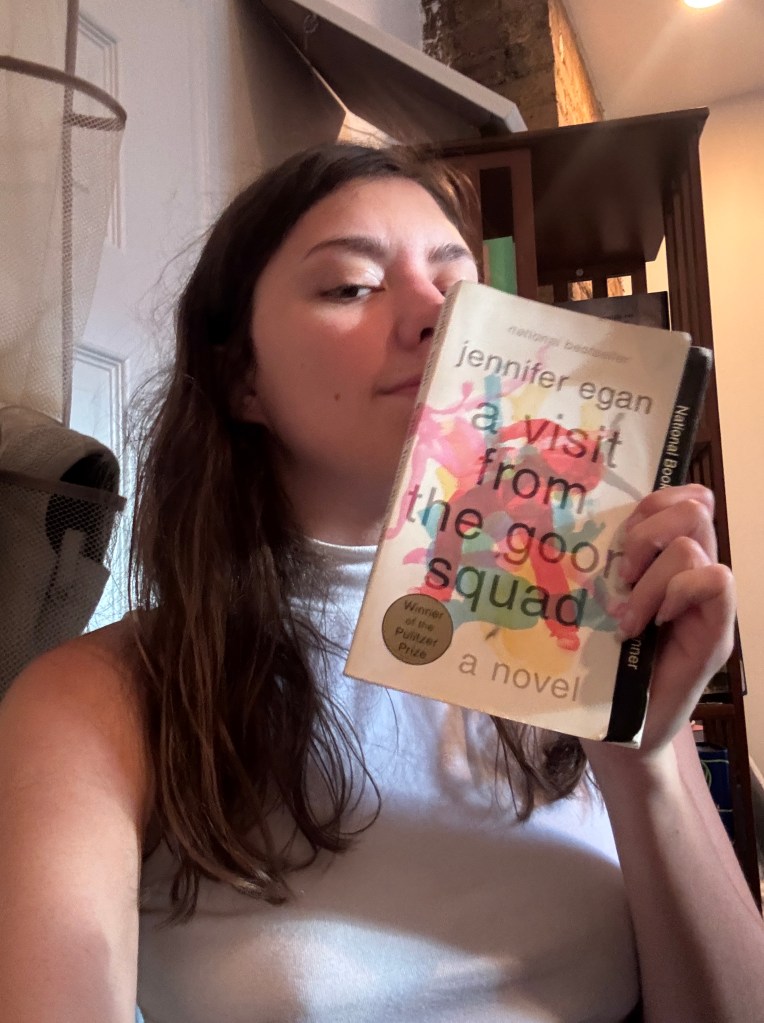
A Visit From the Goon Squad by Jennifer Egan– Last but not least, I decided to read A Visit From the Goon Squad, a Pulitzer-prize winning novel centered around the music industry. It’s a story of people whose lives are tangled together, making it more like a short story collection in which the same characters are mentioned. Sometimes it comes in the form of a stray comment about one character appearing in another character’s chapter. Other times, the characters’ worlds revolve around each other. This novel plays around with form, in a way that always seems to entice the Pulitzer-Prize committee. One chapter is written in first person; another is written in second. Egan sometimes uses quotation marks; sometimes she doesn’t. It has well-written, absorbing prose, which I think, aside from the plot, is the most important part.
In Summation
There were common threads throughout these novels: adults in predatory relationships with teenagers, adults in predatory relations with each other, explorations of sex and gender, and what it means to be an artist.
If you couldn’t tell, I found so many of these novels too long and a few of them were too short. I’m like Goldilocks, looking for the one that is just right.
Having spent the past few years working on a novel, I understand how hard all of this is. I spend my time agonizing over a single sentence, looking at things in a macro-sense and a micro-sense, and editing my work until I can’t see straight and still realize that all of this work does not necessarily mean that I have written something good.
Book Recs
It was tough coming up with my list of favorite books from this crop of novels, to the point where it was like I was splitting hairs. (Does Hamnet go above Yesteryear? Where does Station Eleven go?) But I managed to narrow them down.
My top three recommendations are:
Station Eleven
Tomorrow and Tomorrow and Tomorrow
Hamnet
Honorable mentions:
Yesteryear
The Kite Runner
The Safekeep
Recommendations:
The Secret Life of Bees
The Lost Daughter
Middlesex
Playworld
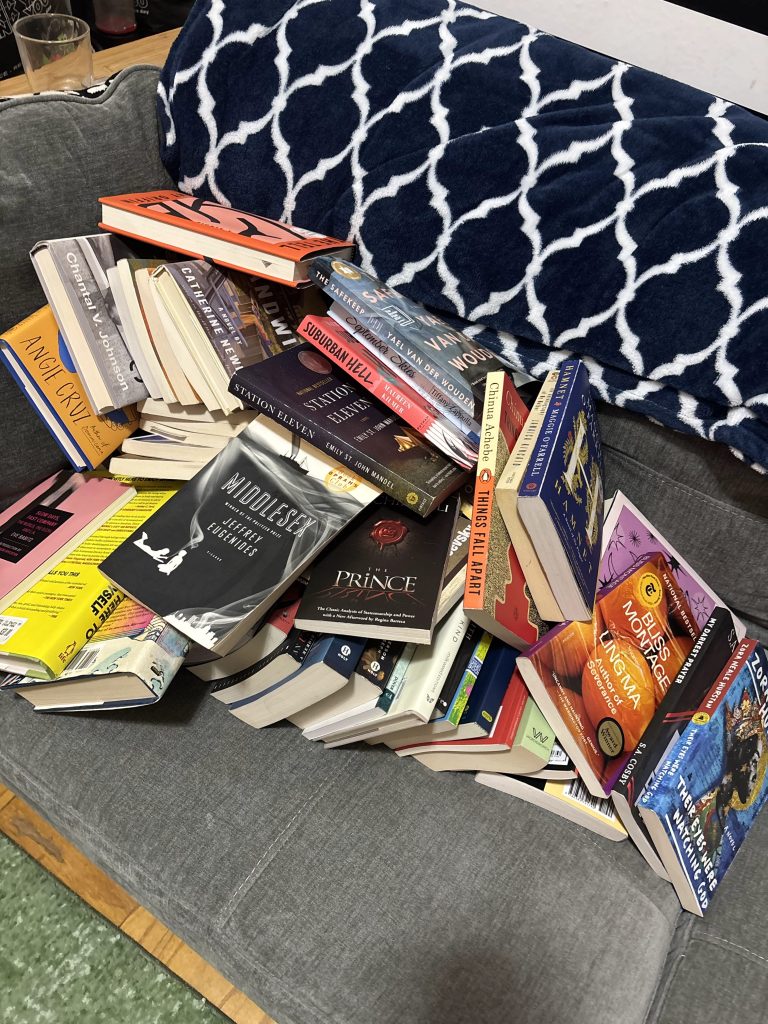
Those are all of the books that I have read so far this year. Wish me luck in hitting my reading goal and finishing my own great American novel!
A book lover,
Raquel
P.S.: Check out my previous blog post of all of the books I read in the second half of 2025


One thought on “This Book, That Book: All of the Books I Read in 2026 (the first half)”