
“Listen to them. The children of the night. What music they make.”
–Dracula, Bela Lugosi
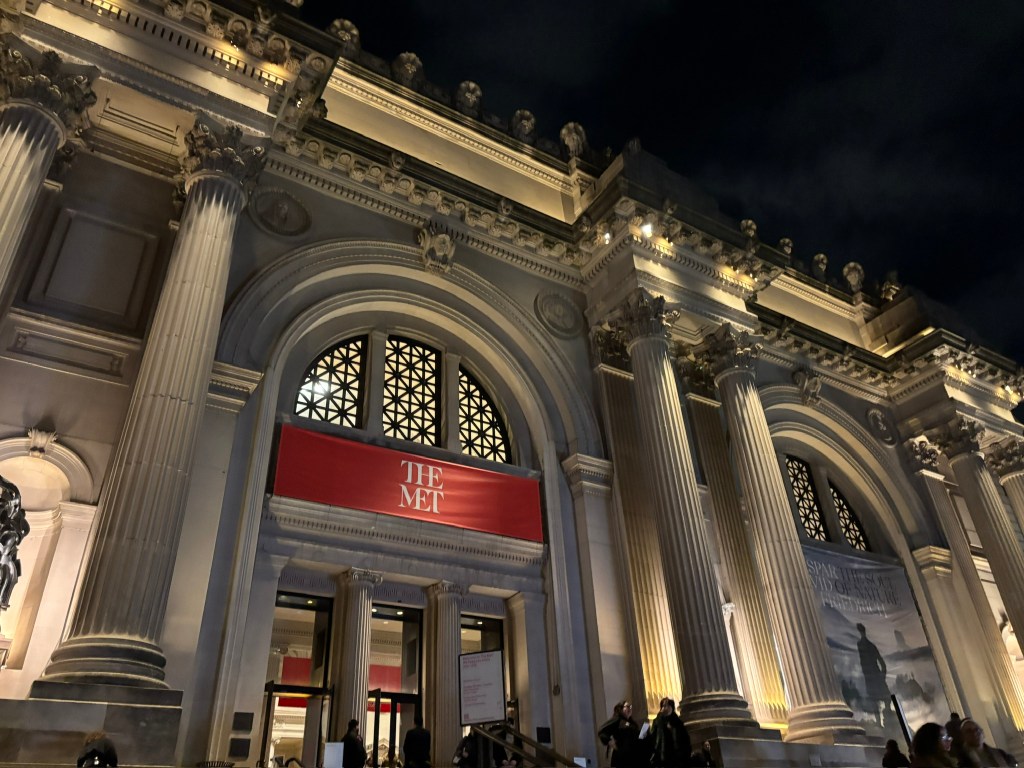
Every few weeks The Metropolitan Museum of Art puts on a film series called “Long Films for Long Nights,” taking place in the auditorium in the Egyptian Wing.
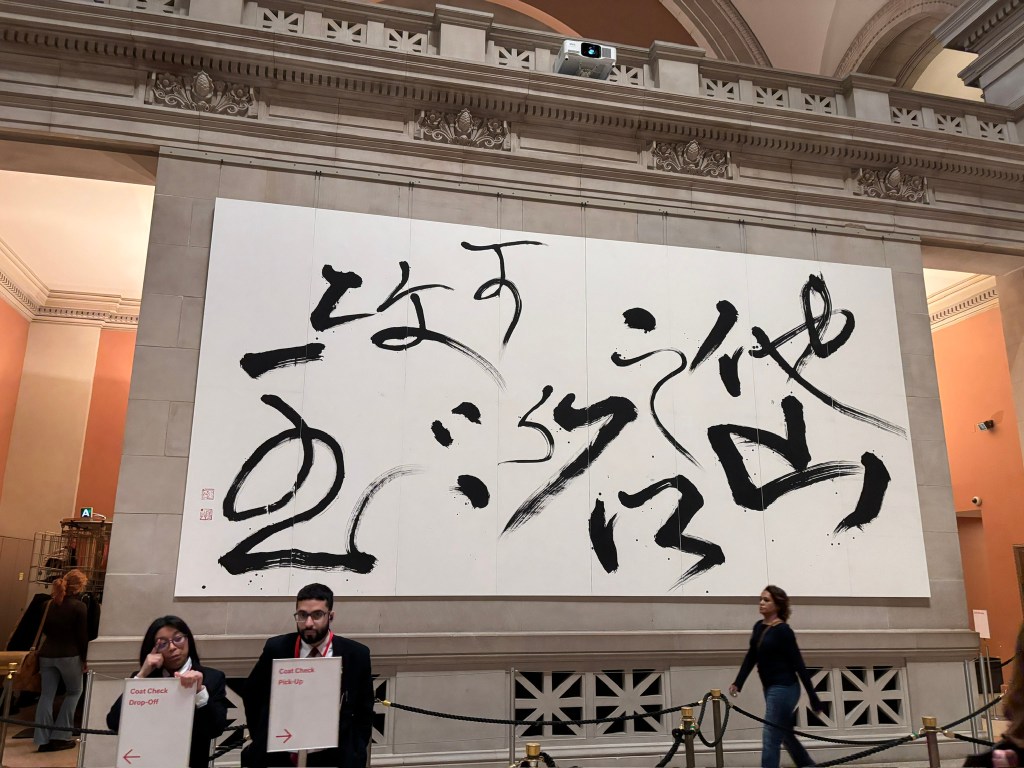
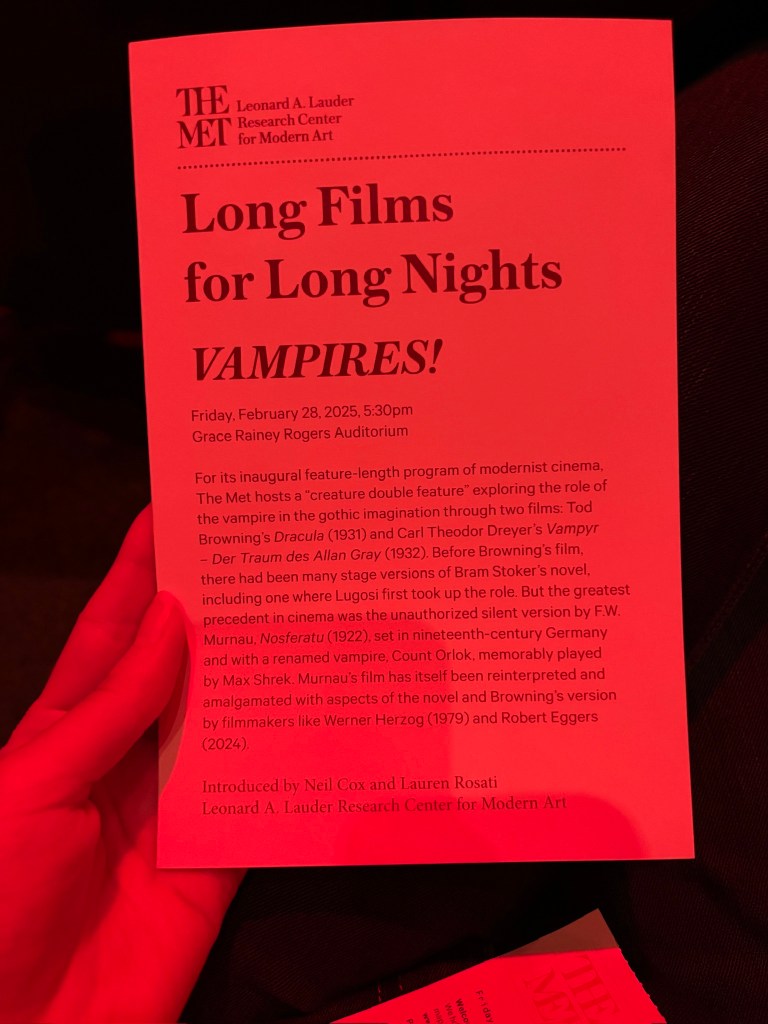
A couple of weeks ago the theme was “Vampires,” starting with the 1931 Dracula, starring Bela Lugosi. Before the film began there was a slideshow of gothic artwork from different cultures that The Met had on display in order to emphasize the universality of the occult and themes of darkness that exist across cultures.

Dracula has special effects that seem comically bad to us today, but definitely blew the minds of everyone who watched it at the time. A panel of film experts then discussed the different elements of the film, including how they tried to mask the film’s “homoeroticism” by trying to make Dracula be more animalistic instead of incarnate, so that it didn’t seem gay when it was implied that he put his lips on another man’s neck. Being a depression-era film, Dracula was popular in America. It showed Europeans, whom Americans blamed for the Great Depression, being bad, and harbored resentments for “the foreigner.” It also therefore spawned an interest in genre-films for the first time ever. We have this film to thank for all other horror movies.

The next film was Vamypr, a French-German expressionist film that depicted vampires as a metaphor for psychological distress and experimented with cinematography for the first time in the 30s. The film barely had sound yet did some incredibly ambitious camera work. I probably would have chosen to go for more of a film score and color instead of hazy camera work that was supposed to convey grief, but to each his own.
Nothing says “I go to art school” quite like saying that you spent an evening at The Metropolitan Museum of Art looking at a slideshow of gothic paintings of the occult across various cultures, before watching a black and white film from the 1930s, and then listening to a panel discuss the themes of homoeroticism and the Great Depression before watching another black and white, subtitled, French, German-expressionist film from the 1930s that made groundbreaking strides in cinematography and depicted vampires as a metaphor for psychological distress.
You have moments where you do something like that and then think to yourself, wow I used to be normal.
Either way, it was a fun and interesting way to spend an evening and a very different way for me to spend time in The Met. I hope that all of you get to experience the erotically-charged, depression-era film that is Dracula, as well as the experimental, German-expressionist masterpiece that is Vampyr at least once in your life.
The Tragic Queen,
Raquel

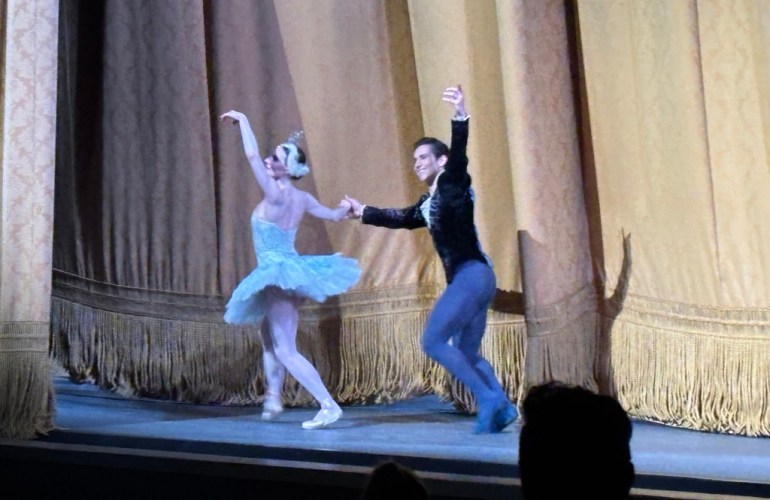
P.S.: Check out my previous blog post about Swan Lake




 The Tragic Queen