
FCC: psst! As an Amazon Affiliate I earn money off each qualifying purchase. Embedded in the book titles are links to a place where you can purchase a book and I will get a commission. Buy yourself something pretty.
I love a good sequel.
Welcome to part 2 of This Book, That Book: All of the Books I’ve Read in 2024. I’m closing out the year with a review of all of the craziness I’ve read this year: the good, the bad, the tawdry, and the award winning.
This year, my goal was to read 50 books, nearly one for each week of the year. Instead, I blew that out of the water with a whomping 62 books.
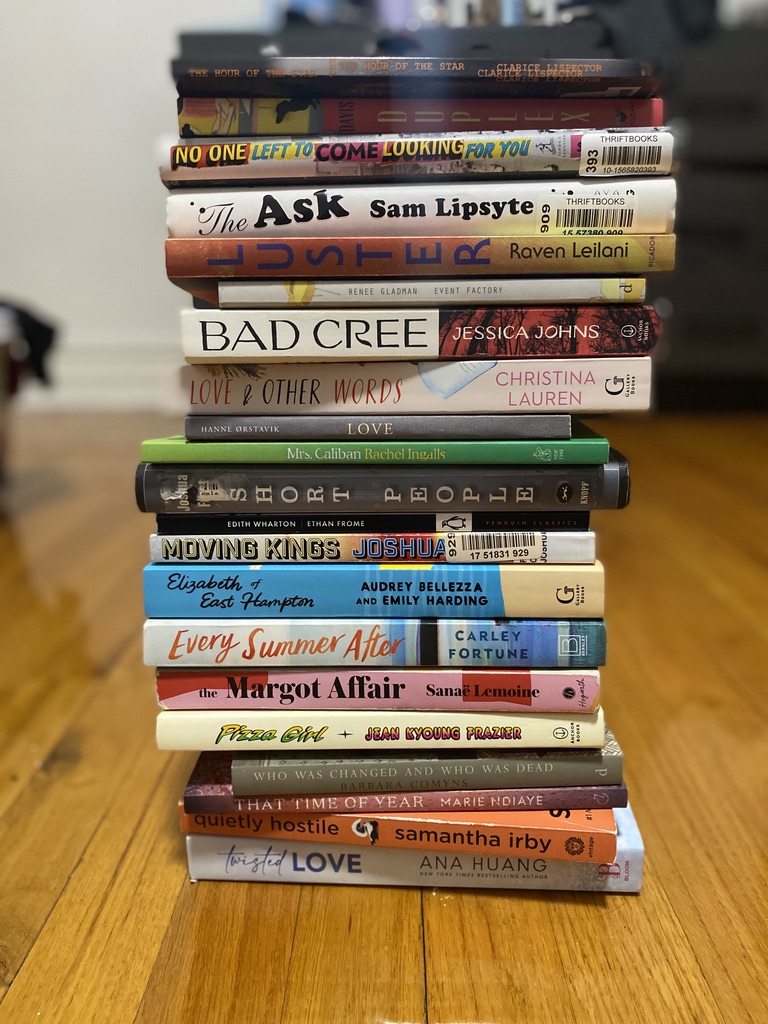
This list is an amalgamation of what I had to read for school, New York Times Bestsellers, and whatever I purchase off the guy who sells books on the street near my apartment.
Hopefully, I won’t ruin any of your favorite novels while recommending you your new favorite one.
You kids enjoy…
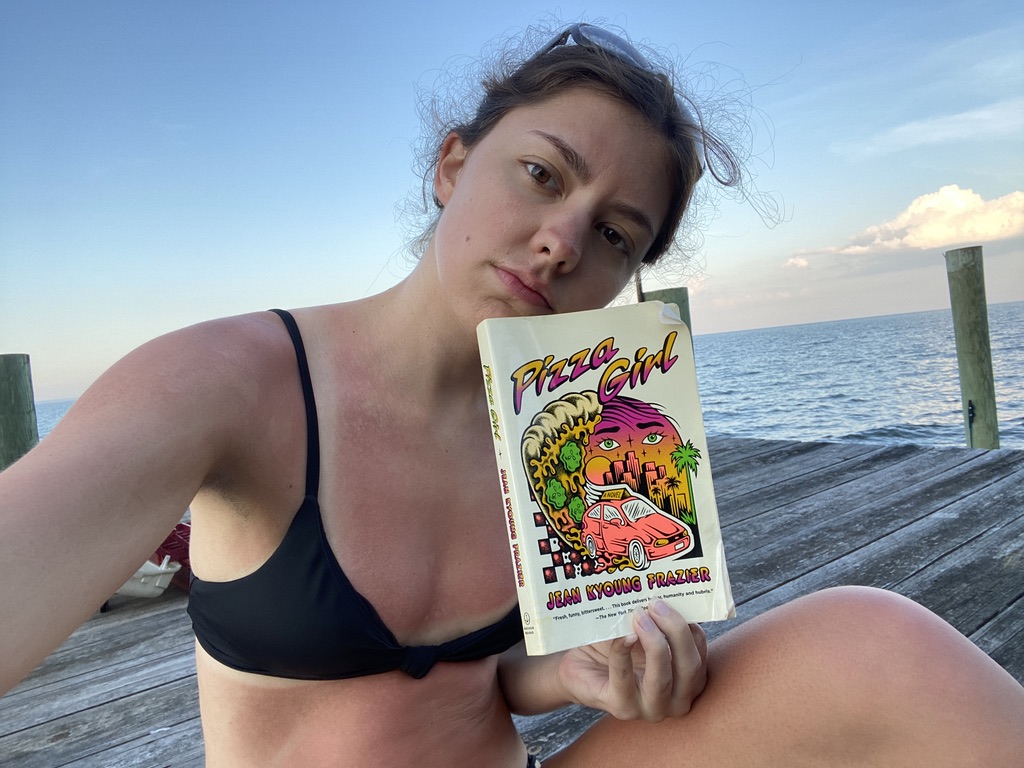
Pizza Girl by Jean Kyoung Frazier– This book is awesome. A pregnant 18 year old pizza delivery girl becomes fascinated by an eccentric mother who buys the same pickle-covered pizza for her son every week. It is at times melancholic, making you feel for the desperate people who were struggling in very real ways as the novel careens toward its inevitable ending.
Twisted Love by Anna Huang– Y’all need therapy. The male love interest belongs on a watch list and I would have had a restraining order against him by page 40. He spends the entire novel policing the main female character’s sexuality under the guise that he has to “look out for her because she can’t look out for herself.” He protects her from an abusive stalker by being an abusive stalker himself. He belongs in prison and that’s where he would be if he wasn’t rich or white. The female character is an absolute doormat and allows this to go on without sticking up for herself and I’m so disappointed that this depiction of women persists in so many examples of contemporary women’s narrative fiction. This novel also brings all of the melodrama. From a crafts perspective, it is poorly-written and meets the skill level of a YA novel, reading like a first draft, but no one is reading this novel “for the craft.” That would be like reading Playboy for the articles. Oh and one of the main character’s best friends is a princess.

Coco at the Ritz by Gioia Diliberto– this is an itsy-bitsy, teeny-weeny novel about Coco Chanel’s Nazi ties. It is a fictionalized dramatization about what Coco Chanel may have been up to during the Nazi occupation of France, which has been the subject of much speculation over the years. Meticulously researched, this novel does not stray away from investigating her sordid relationship with a known Nazi, slotting in nicely with our modern-day discussions about complicated legacies. It recognizes Coco Chanel as the creative genius who popularized the Little Black Dress, costume jewelry, sun tans, female suits, and not wearing evening gloves, all of which have changed my day-to-day life, but characterizes her Nazism far too gently in my opinion. You can enjoy it as the rompy and entertaining book that it is, or you can question the ethics of taking the spectacle of a person and relitigating history through them. It depicts Chanel as a complicated woman, but this posthumous defense is nullified by the fact that Coco Chanel was an anti-semite before, after, and during this time in her life, calling into question how much it even matters if you clear her name of Nazi-sympathies. You decide for yourself whether or not it matters.

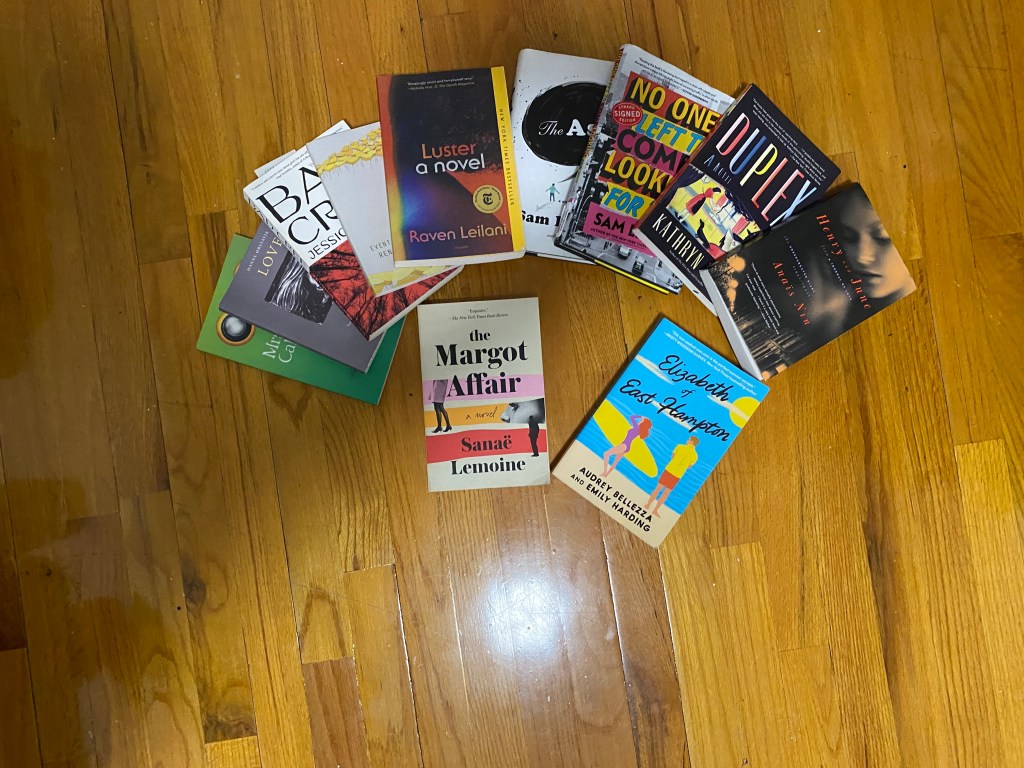
The Margot Affair by Sanae Lemoine– I nearly closed the book on the third page when I encountered the first line of dialogue that didn’t have quotation marks. But I was the one who paid for the book, so I kept reading. I understood at times why she omitted the quotation marks, although I still disapproved. The characters kept talking, passing the narrative baton to whatever character was speaking, thereby transforming the novel briefly into an omniscient narrative that dips into everyone’s perspective. This blurs the line between a character speaking and experiencing the story that the character is describing, as the characters speak in a way that no one ever talks; every person you encounter is not going to describe a beautiful, lush scene in vivid detail, using the same linguistic style and tone of voice. I think that this is just Lemoine playing around with form and I will be forgiving, because as I have learned, this is really, really hard.

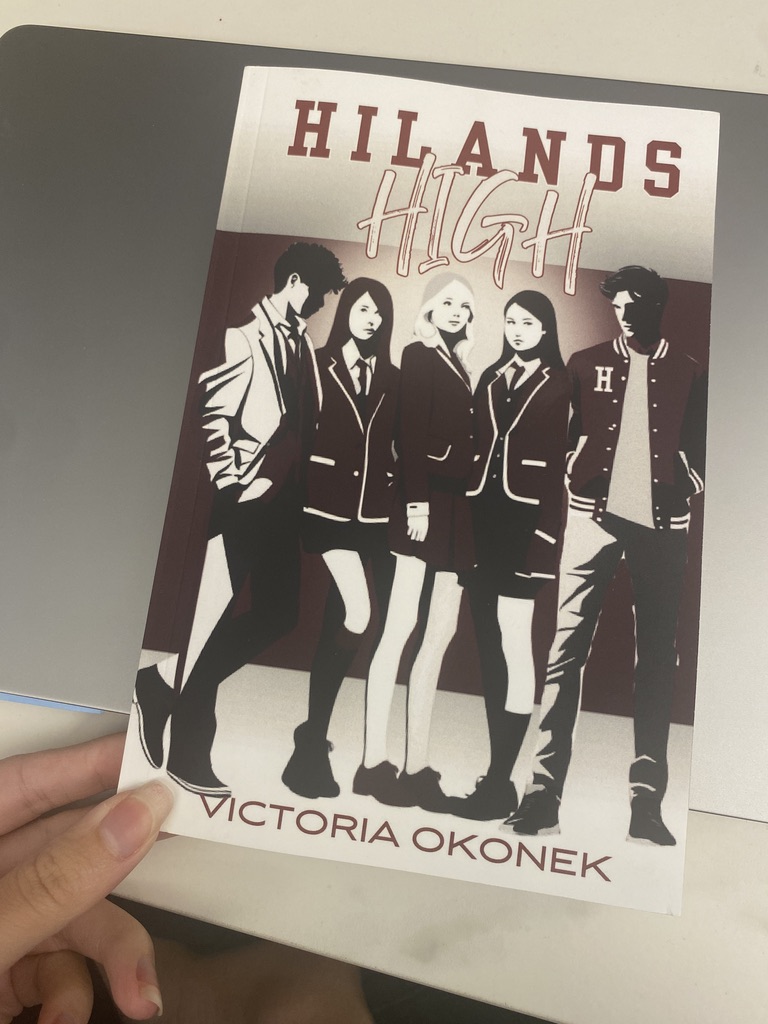
Highlands High by Victoria Okonek– My coworker self-published a YA book that she asked me to read. It is a proper teen angst book, like if Jay Asher and Laurie Halse Anderson had a love child. It was a quick read, making it a great choice for what to buy your teenage reader.
Summer Sisters by Judy Blume– If you have any strong, negative feelings about Judy Blume, keep them to yourself. This bitch helped raise me. Are You There God? It’s Me Margaret was a rite of passage for me and so many other girlies over the decades. Tiger Eyes traumatized and educated me in equal measure (I learned the word rape from this book at age ten). Tales of a Fourth Grade Nothing made me feel an unnecessary amount of hurt and then there were all of the other Fudge and Sheila Tubman books, which dominated my bookshelf when I was ten. So, when I learned that a few years ago, she’d published another book that hit number one on the New York Times Bestseller’s List, I snatched it up in a heartbeat. The main character Vix experiences the biggest twist in fate when she befriends Caitlin, the most popular girl at school, setting into motion a series of events that promises to change the course of both of their lives forever. Years later, their friendship has fizzled, but they come together for a reunion. With this novel, Judy Blume did what she does best: writing a coming-of-age-novel about young girls who are waiting with bated breath for their breasts and sex lives to begin. It’s Are You There God? It’s Me, Margaret but with teeth, as she takes a look at privilege, the different directions life can take, and the choices that befall women and girls.

No One Left to Come Looking for You by Sam Lipsyte– This falls into that genre of white suburban kid that wasn’t hugged enough as a child and no that’s not a criticism. It depicts what I imagine was a big part of life in the 90s and 2000s. I swear sometimes, all of my professors had the exact same adolescence: one where dabbling in the world of punk rock and the pseudo-politics it spouts was the height of cool.

The Ask by Sam Lipsyte– Is a novel about that time in your life when you have accepted that you will never be a great artist, despite it being what you worked toward in college and believed with every fiber of your being. Somewhat of a have and have-not story that takes a look at a crumbling marriage and the disappointments of life.

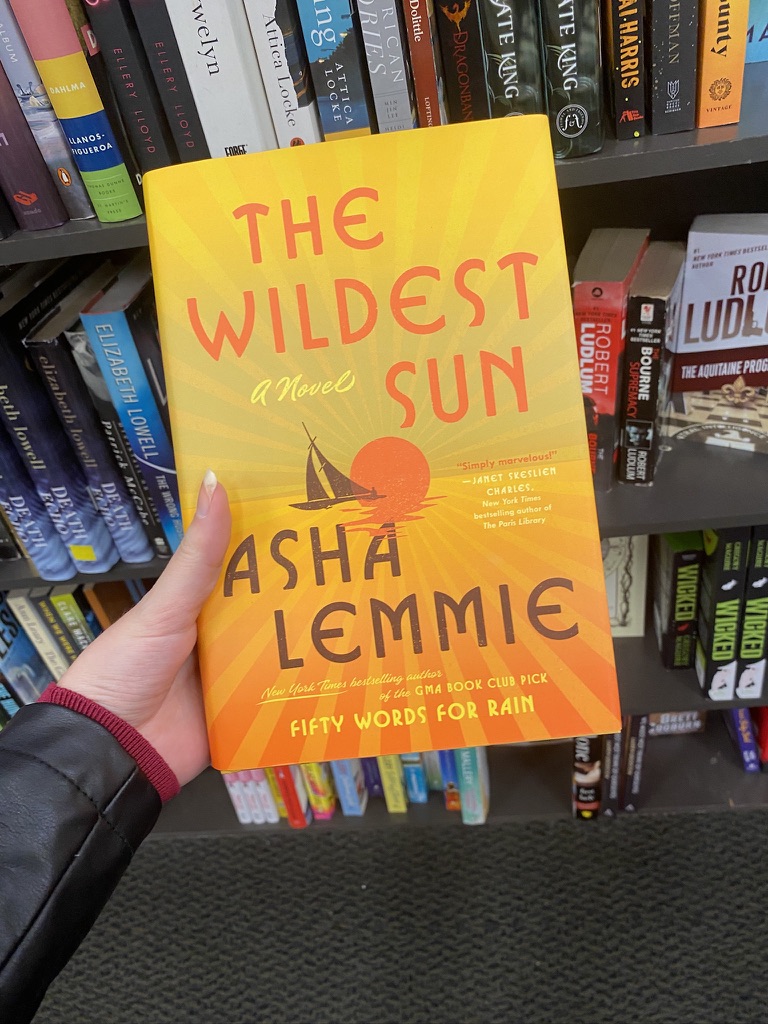
The Wildest Sun by Asha Lemmie– As you all should know, Asha is my friend from Columbia, making me super biased in my review of her sophomore novel. This book made me want to read Hemingway. It also made me want to travel to Cuba. And Paris. Anyone who reads this book will know what I’m talking about, as it is a love letter to all of the above. It is a story about a woman plotting her own course through life and has a satisfying, rewarding ending for the protagonist in which she gets her cake and eats it too.
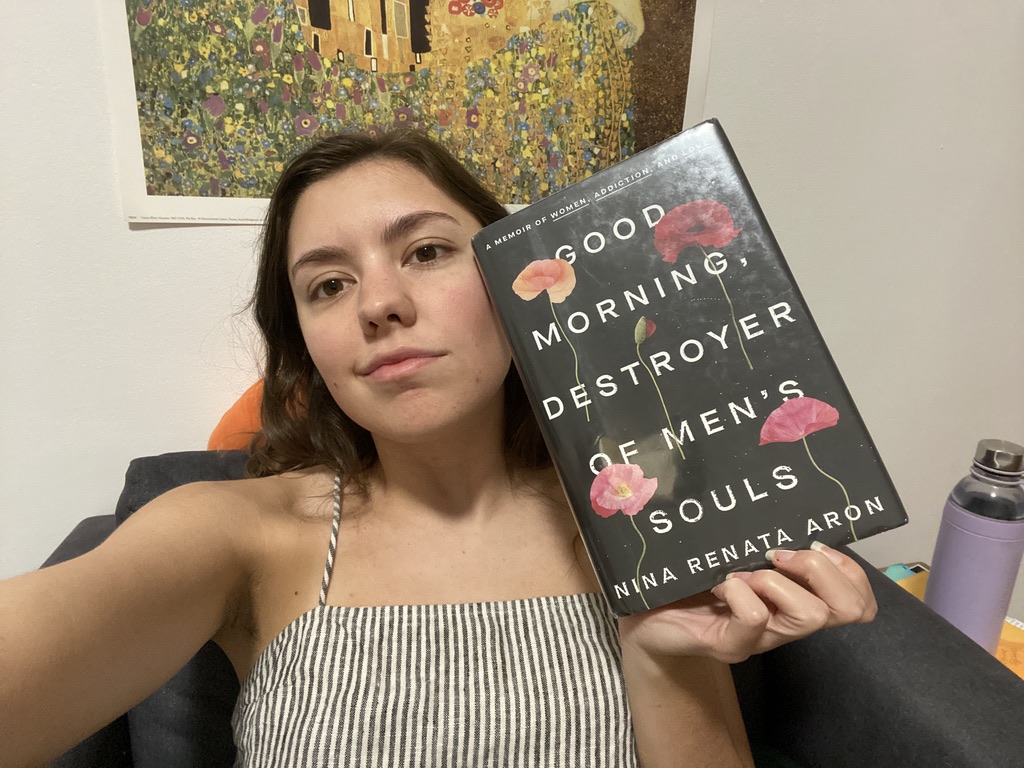
Good Morning, Destroyer of Men’s Souls by Nina Renata Aron– This book, with its slightly clickbaity name, is actually a memoir about “women, addiction, and love” by its own description. It looks at what it means to have a partner and a family member who is an addict, the angle of which is the gendered expectation of women and girls as caregivers, priming them to be codependent. By comparing her devotion to her drug addict partner, she highlights the intersection of codependency and addiction, as she struggles to stop enabling her boyfriend’s behavior.
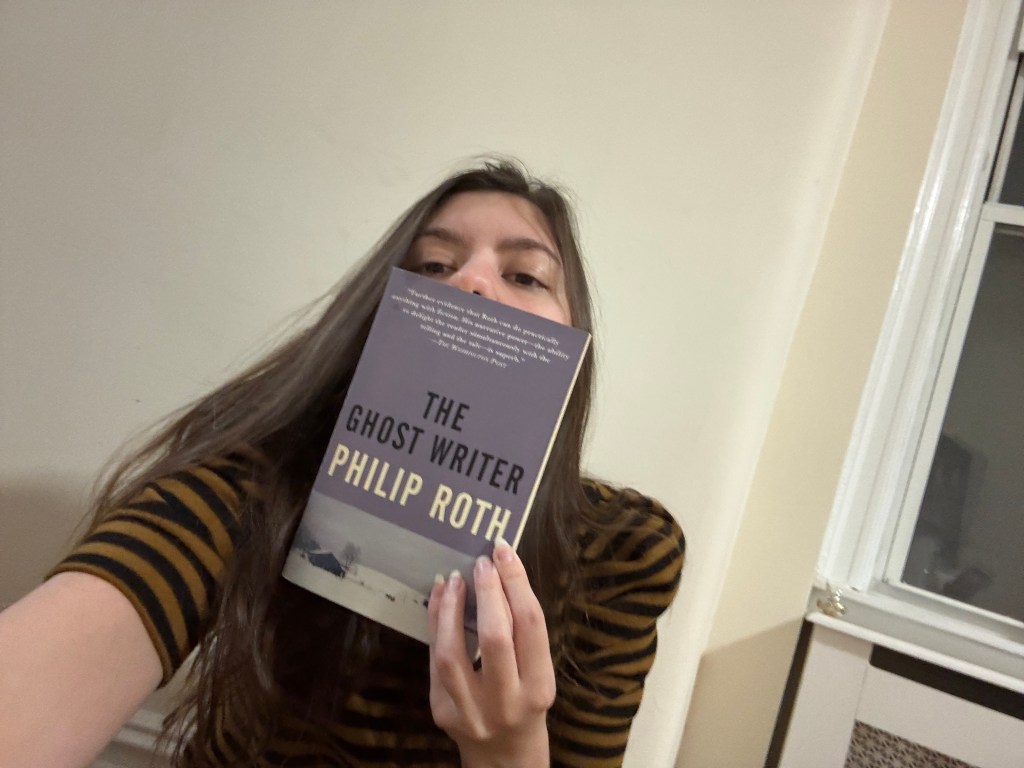
The Ghost Writer by Philip Roth– I don’t mind work that is deeply offensive when it is in the service of making a broader point. This novel, in which a man fantasizes that the hot woman working in the house that he is staying in is actually Anne Frank after she faked her own death, falls into the category of offensive-but-for-the-sake-of-a-good-story. It isn’t just there to make people squirm. What is the point he’s trying to make, you ask? Read it and decide for yourself.
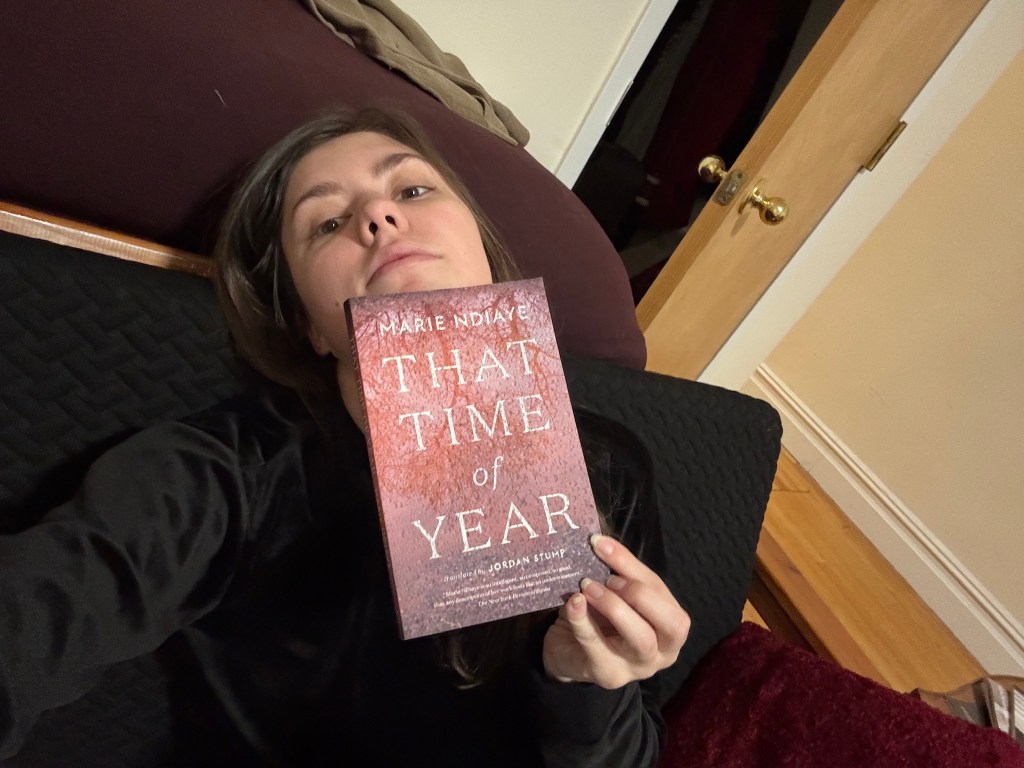
That Time of Year by Marie N’Diaye– similar to The Castle by Kafka in the way that the story’s meandering flow makes you realize that the protagonist isn’t going to get where they need to go and neither are you, as the reader.
Who Was Changed and Who Was Dead by Barbara Comyns– This novel was read for my “Elastic Realities” class, in which I had to read about the vastly different worlds we all live in. This book was no exception. Please read and let me know what you think happened to the grandmother. I have my theory.

The Ravickians by Renee Gladman– all about language and architecture and society. This book doesn’t just do world building; it is world building.

Event Factory by Renee Gladman– This sequel to The Ravickians. We live in a society.

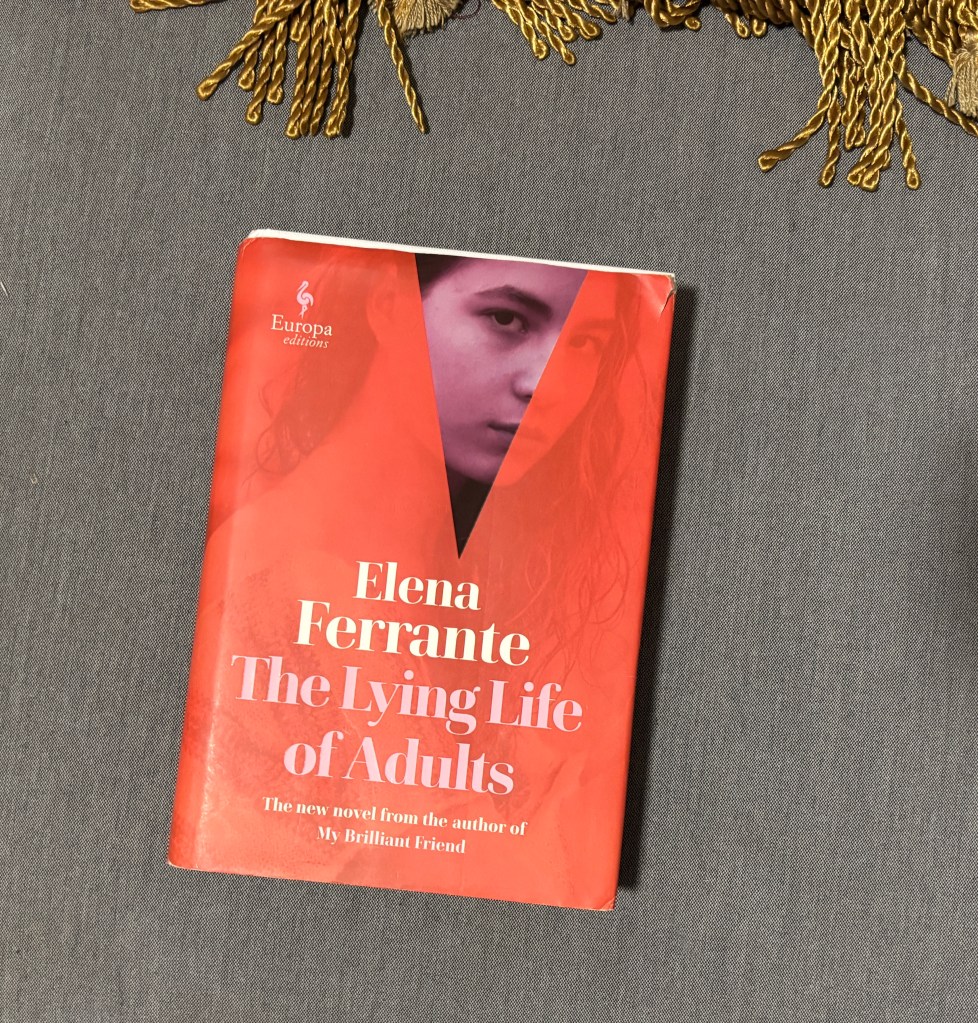
The Lying Life of Adults by Elena Ferrante– I need friends who have read this book so that I can discuss the ending with them. What was up with the ending? (not that I dislike it)
Bad Cree by Jessica Johns– If you don’t enjoy dream sequences in novels then don’t read this book. It is chock full of them. A young Cree woman wakes up with the severed head of a bird in her hand after waking up from a terrifying dream. Her dreams continue and in order to make them stop, she needs to confront her past family trauma.

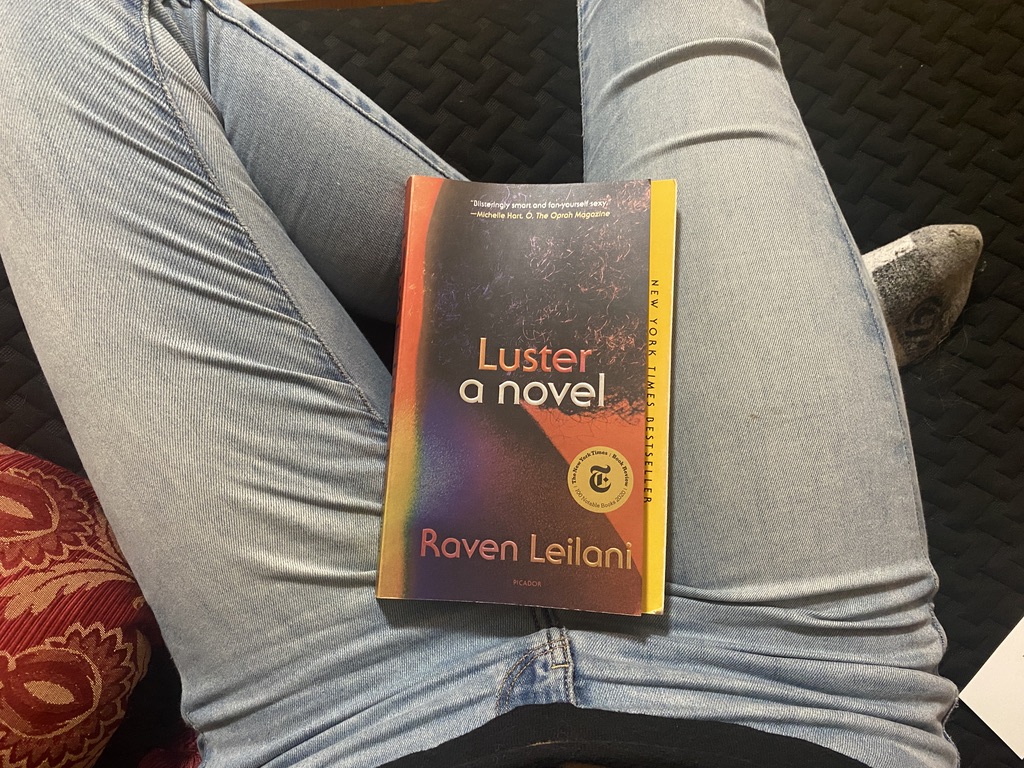
Luster by Raven Leilani– I love a good messy woman story. Edi, a self-proclaimed “office slut,” embarks on an affair with her coworker in an open marriage and finds herself in the unique position to help raise his adoptive daughter who has no other Black influences in her life.
Duplex by Kathryn Davis– When reading this novel, it’s hard to find your footing. There’s an elusive narrator, an amorphous plot, and the fact that the novel never feels the need to explain itself. The novel’s robots, centaurs, fairies, and sorcerers are all treated with a “nothing to see here” attitude. On top of all of this, the novel has a strong American lilt, emphasizing the suburban setting, which lends itself to the title. This is not a skimmable book. If you zone out while reading and miss the wrong sentence, you will be lost at sea.

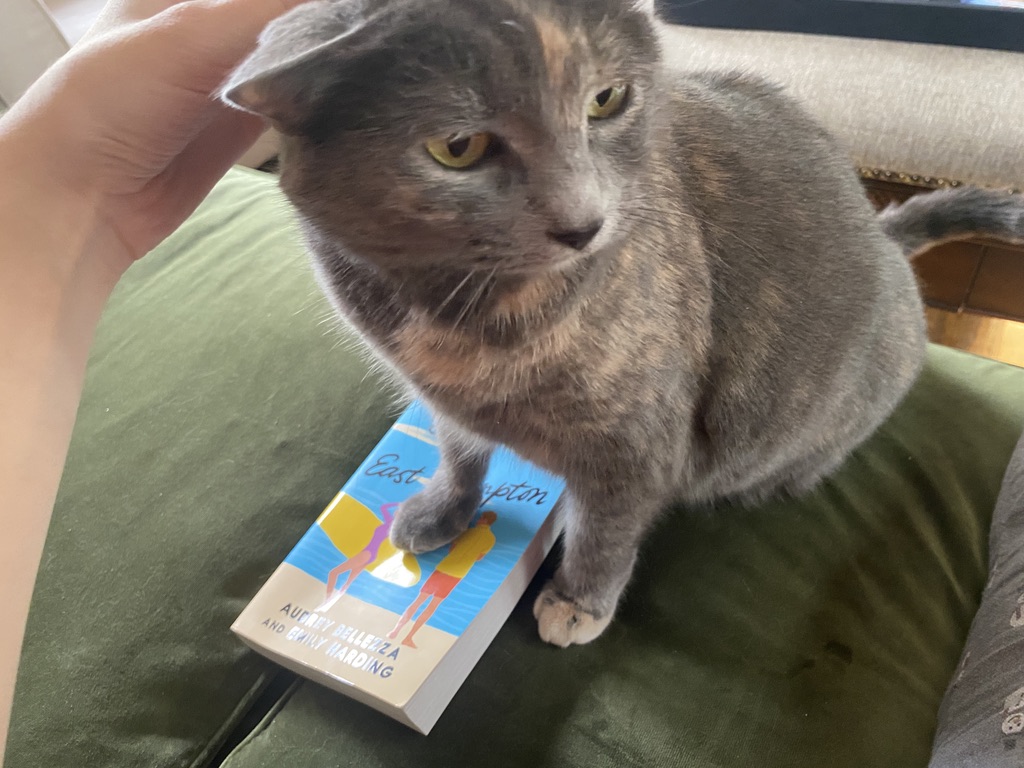
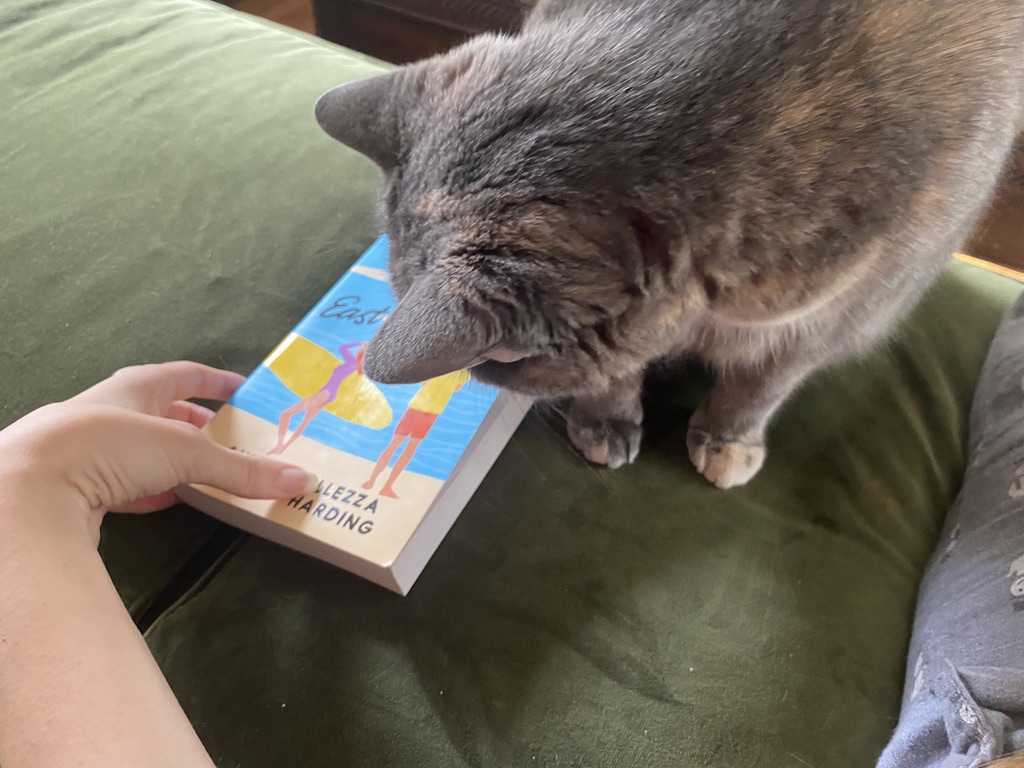
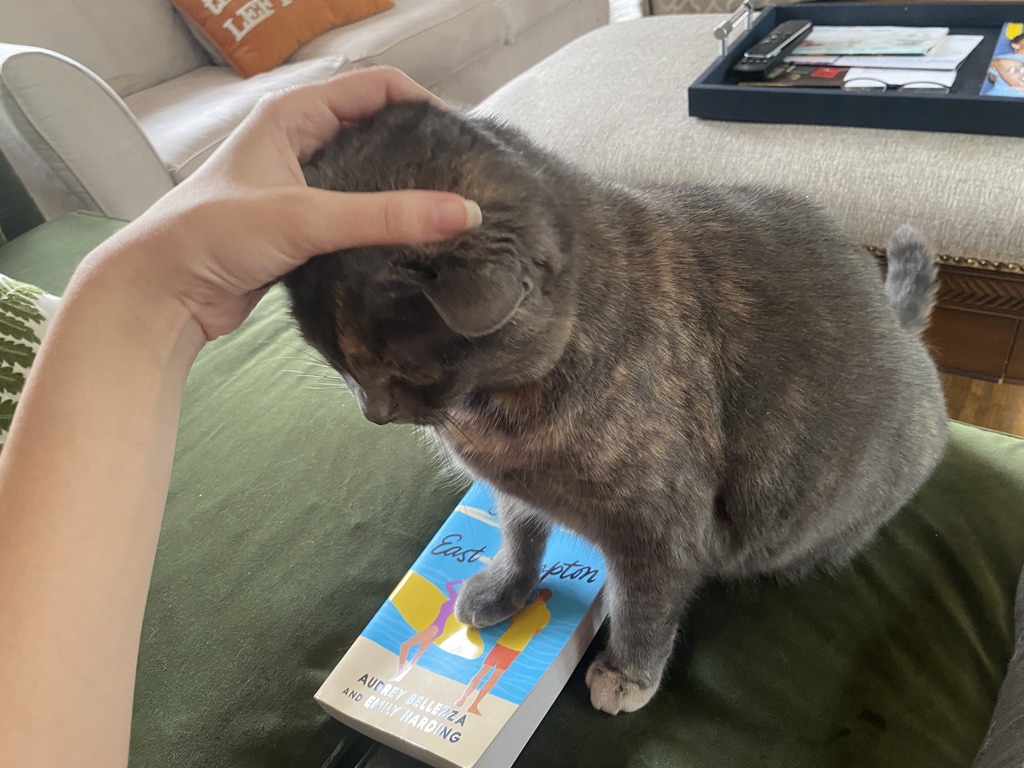
Elizabeth of East Hampton by Audrey Bellezza and Emily Harding– A modern day Pride & Prejudice. With sex. Lots of sex. It gets a lot of things right: the embarrassing family, Elizabeth Bennett’s confidence, Mary’s sanctimoniousness. The Pride. The Prejudice. It is extremely clever, taking place in the Hamptons.
Quietly Hostile by Samantha Irby– In this essay collection, Irby dissects the intricacies of porn, gives forensic detail analysis to the show Sex and the City, discusses the trials and tribulations of being a dog mom to an unruly dog, exposes the lack of bladder control as you approach middle age, and takes a look at overly-elaborate lingerie, all with a no-holds barred attitude. She is unyielding in her frankness.
This is the first book I have ever read that made me have to pee. Do with that what you will.

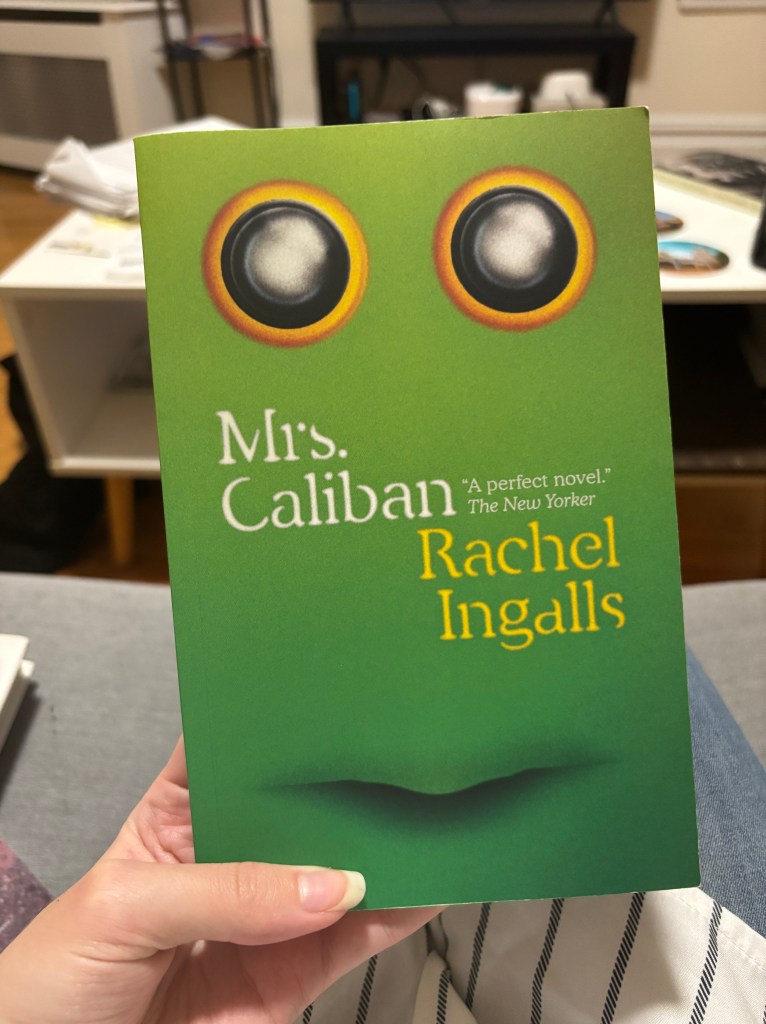
Mrs. Caliban by Rachel Ingalls– A story about profound loneliness. A woman falls in love with a sea monster in what was clearly the basis for the film The Shape of Water. Oddly, this novel reminded me of Mrs. Bridge by Evan S. Connell, in the way that it shows the unfulfilling life of a housewife, albeit in the most interesting way possible.
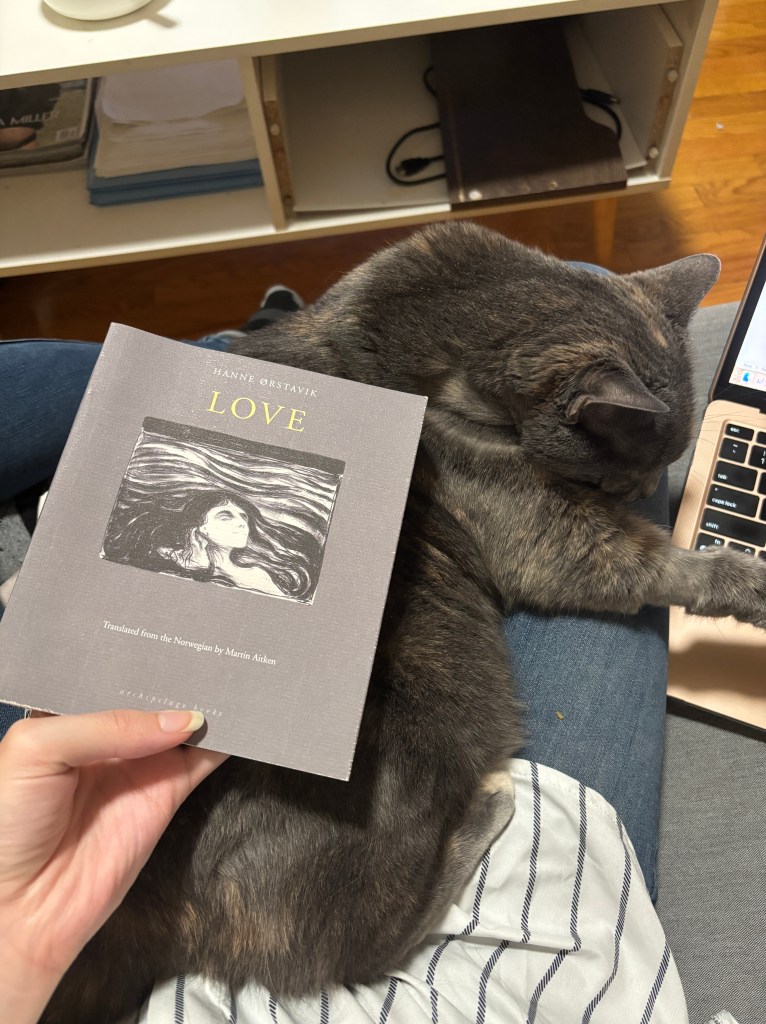
Love by Hanne Ørstavik– This book, with its extremely ambitious title, is a Norwegian novel about a mother-son duo. It will make you feel cold in 90 degree weather as the author describes the Norwegian winter. This novel was depressing.
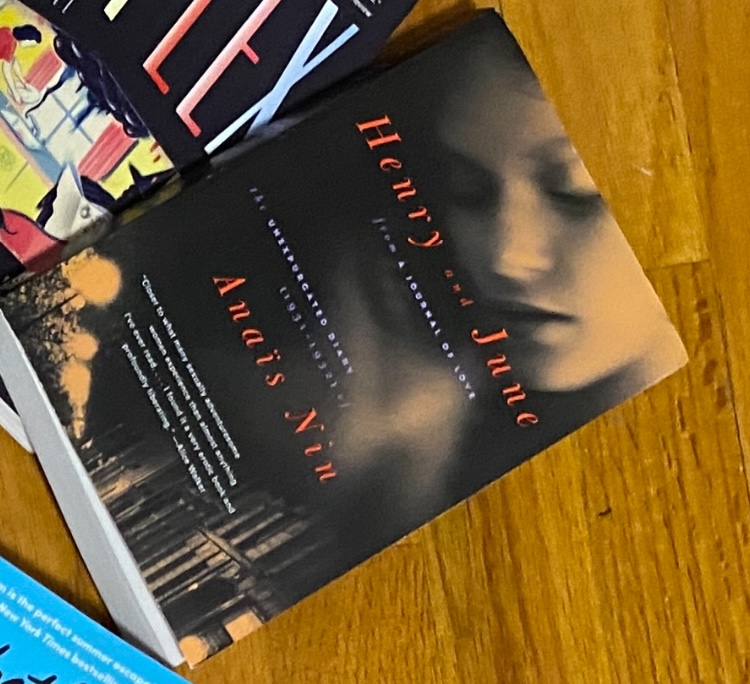
Henry and June by Anais Nin– “A desire for orgies.” This comes up frequently in this memoir, which is a diary of the year that author Anais Nin spent having an affair with Henry Miller and his wife June. There is much about being a writer, being a woman, and exploring your sexuality.
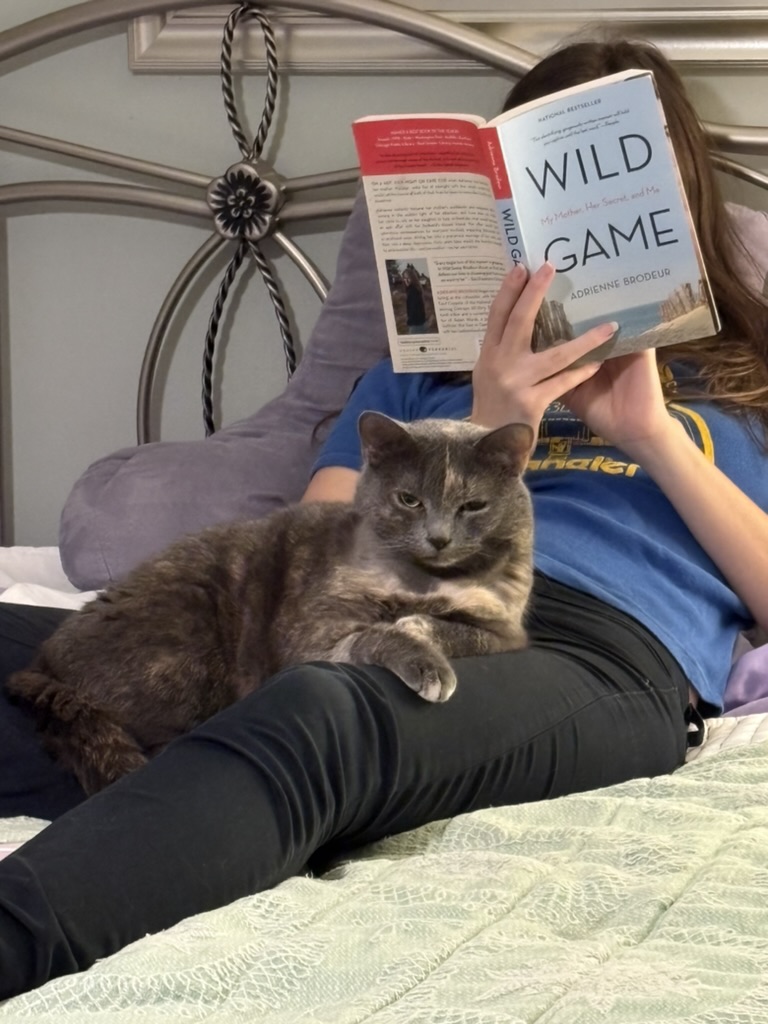
Wild Game: My Mother, Her Lover, and Me by Adrienne Brodeur– Having finished this book on December 30th, I was able to get it in under the wire as my final book of 2024. Brodeur was right about one thing; her relationship with her mother was “wild.” It is hard to conceive of a mother as self-absorbed as the narrator’s, as she unwittingly drags her 14 year old daughter into her extramarital affair with her husband’s best friend, making her daughter a co-conspirator in all of her life’s problems.
My three favorite novels for this half of the year are:
Pizza Girl by Jean Kyoung Frazier
The Lying Life of Adults by Elena Ferrante
Summer Sisters by Judy Blume
A few honorable mentions include:
The Ghost Writer by Philip Roth
Wild Game: My Mother, Her Lover, and Me by Adrienne Brodeur
Luster by Raven Leilani
My three favorite novels of the entire year were:
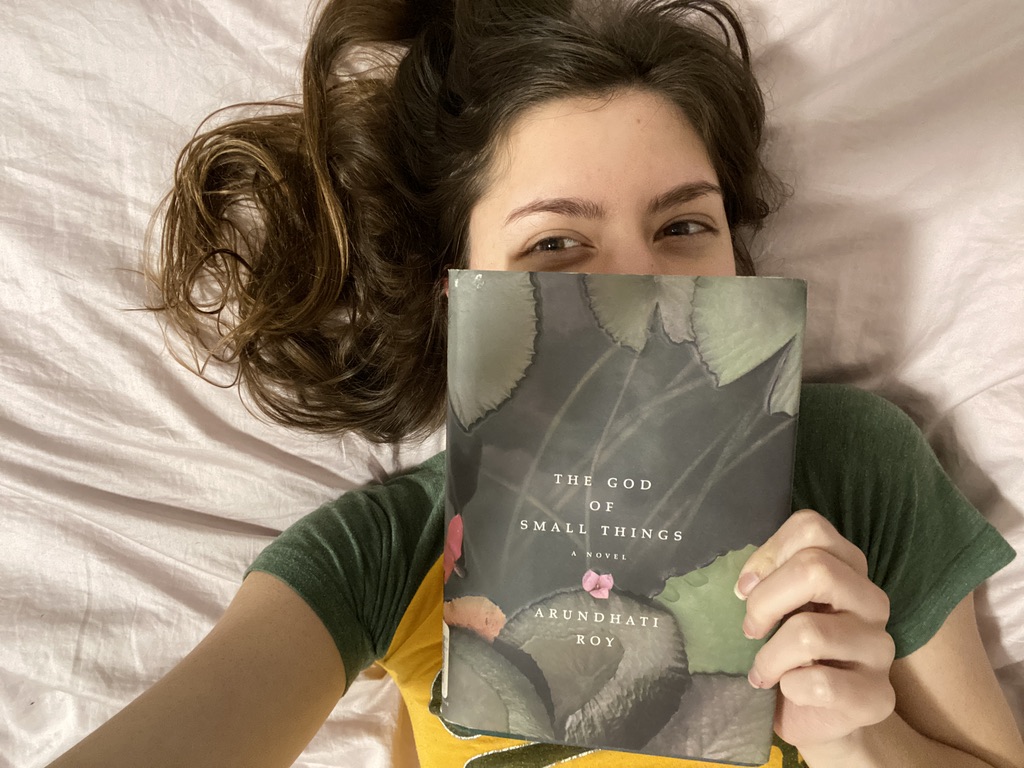
The God of Small Things by Arundhati Roy
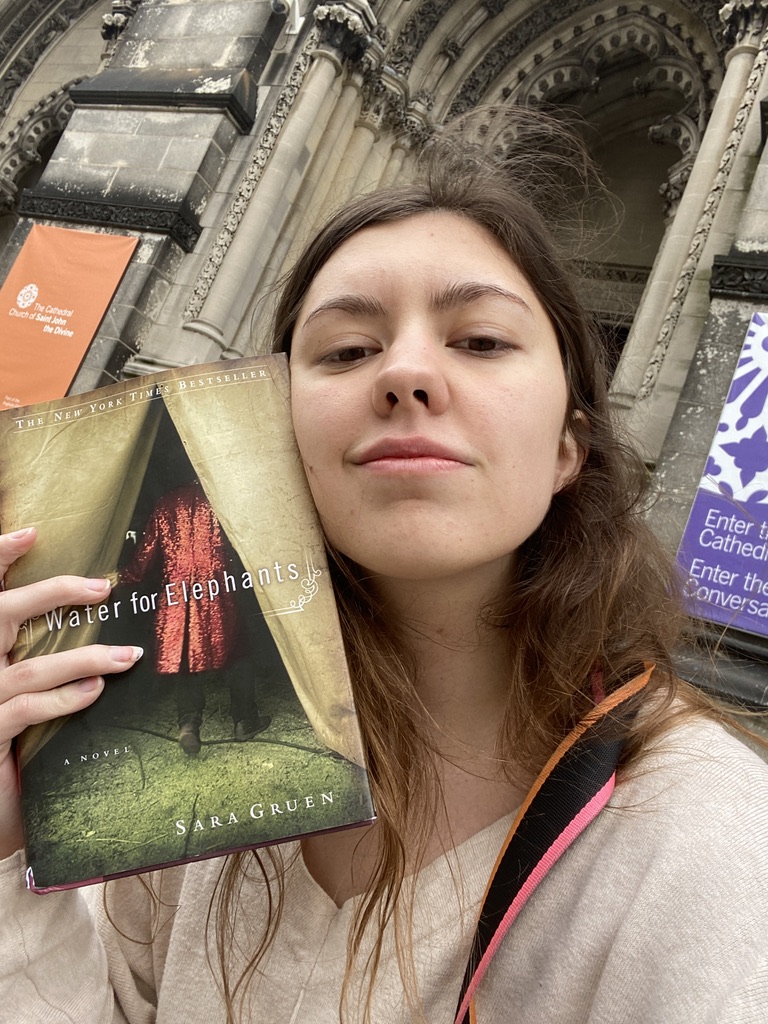
Water for Elephants by Sara Gruen
Pizza Girl by Jean Kyoung Frazier
It was a year of reading about opium, incest, and mermaid sex. The whole of humanity was on display.
Have you read any of these books? Let me know in the comments.
Happy reading!
BTS: (ft. a beautiful cat)






The Tragic Queen,
Raquel
P.S.: Check out my previous post on how I spent the holidays So This is Christmas…

















 The Tragic Queen