Hello my darlings! My name is Raquel. I am a moody writer navigating the awkward world of books. Come here to watch me crack a few jokes at my own expense and otherwise fuel my compulsive need to write everyday.
I can officially say that I’ve been to the one place in town where the audience can chant “Chug! Chug! Chug!” while watching a Shakespeare play.
Technically, I suppose, that you could chant that at any Shakespeare play, but it’d be frowned upon and you’d probably be asked to leave.
At Drunk Shakespeare, however, it is mandatory.
You’re greeted with a double shot of a fruity cocktail and then get to sit down and order more alcohol, while you wait to watch some professional actors *sort of* do Shakespeare. As they would say, “we are professional actors, with a Shakespeare problem.”
Drunk Shakespeare goes as follows: a company of actors perform a Shakespeare play completely sober, except for one of the actors who takes on a principal role while super drunk.
The rest of the actors are bullshitting their way through it while the one actor is fighting for their life.
An actress took four tequila shots back to back and instead of being on the floor, as I would be, she proceeded to play Lady Macbeth. A bachelorette took a shot along with her in order to prove that she was in fact doing hard liquor.
From there, madness ensued.
A black actor who was wearing a white sheet as one of the ghosts, pulled up the white sheet to form a hood and declared “look, I’m Clarence Thomas.”
One actor was told to deliver his lines through the medium of various different impressions, including, Jim Carey, Jack Nicholson, Hannibal Lecter, the woman from the porno, every MTA worker ever, and my personal favorite, John Mulaney.
In case you were wondering what the “woman from the porno” and “every MTA worker ever” sounded like, just know that the actor did the first one by moaning in a high pitched voice, before flinging water in the air, and did the second one by delivering his lines directly into a drawer so that they were completely muffled and incoherent.
At times they had to dip into the audience for their props, which created the iconic line, “Is this an inhaler I see before me?” followed by the actor mumbling to himself, “you did four years at Carnegie Mellon, you can do this,”
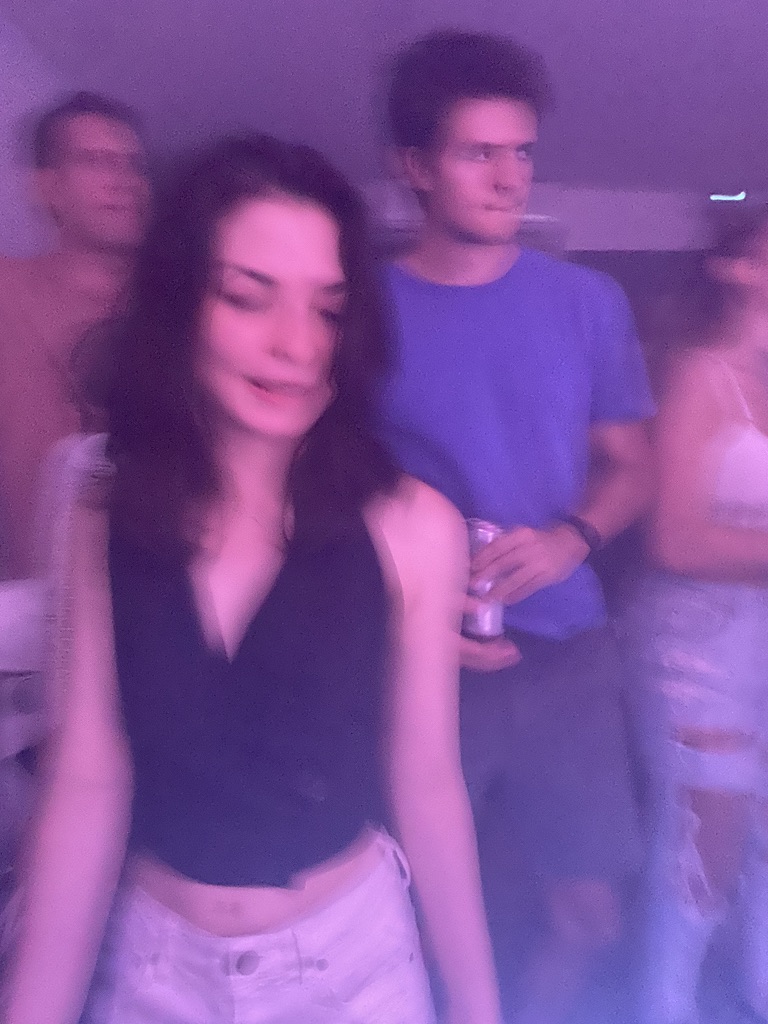
Some not at all blurry pictures from someone not at all drunk
Likewise, Macbeth broke character again to address the audience by asking a woman to please stop clapping by hitting her ring against her wine glass, because, and I quote, “this is not a wedding in Vermont.”
Lady Macbeth, on the other hand, did at one point take an audience member’s head in her hands and press it against her chest while delivering the line “come to my woman’s breast, and take my milk for gall,” or whatever she thought the line was in her inebriated state.
Drunk chic on the left
Jokes aside, one of the most impressive things about this is seeing how much work these professionals actually put into their craft. It shows how much work actually goes into putting on a performance like this, because it was apparent that they all knew the play backwards and forwards.
The actress playing Lady Macbeth, who was mild to moderately wasted, still managed to pull it together enough to deliver a perfect monologue from Julius Caesar, and then later another one from Hamlet.
Anytime the audience chanted “chug, chug, chug,” she had to imbibe some more. Again, I would have needed the emergency room.
Subjecting yourself to a pretty nasty hangover, which would possibly involve rushing to a toilet as soon as you wake up, to entertain a room full of people, shows some kind of crazy level of dedication. I hope she earns a fat check for regularly doing this.
I had loads of fun watching a sloppy drunken Shakespeare play, as the bard intended, and I think you should all do the same.
Pssst! FTC Disclosure: Embedded in each book title is an affiliate link and if you click on it (and purchase a book) I will receive a teeny-tiny commission.
Feel free to do that…
Everybody’s a critic.
I’m not sure about everybody, but I most certainly am.
It’s that time of year again, where I do “This Book, That Book,” where I divulge whether or not you should read this book or that book.
Or if you should read none of the above.
I decided that 2023 will be the year of nonstop reading. Despite not meeting my reading goal of 25 books last year, I set a higher goal this year of 30 books and blew that out of the water with a whopping 43.
I am overly-proud of myself for this and would now like to tell you all what I thought of each and everyone of them.
Let’s get started…
The Girls by Emma Cline– is the most original coming of age story that I’ve ever encountered seeing as it is about a teenage girl who joins a cult. The novel speaks to the universality of teen angst since, at its core, it is a story about a teenage girl dealing with her parents’ respective partners in the wake of their divorce, the disillusionment of a friendship with a former best friend, and her impending move to boarding school at the end of the summer. The main character gets indoctrinated into a cult when she gets positive attention and a reprieve from her teenage feelings of inadequacy. I’d heard that the book does a beautiful job of describing the bodies of the young girls and it truly does. The book describes the pubescent bodies of the girls and how they interact with them, devoid of any of the nauseating men-writing-women lines that we’ve all come to recognize and make fun of on the internet (her breasts, which often stood proudly, were now withdrawn and sullen blah, blah, blah). Told from a distinctly female point of view, the story wraps in ideas of girlhood, female puberty, female sexuality, and the self-doubt that comes with being a girl. There is the author’s love affair with sentence fragments and one-sentence-long metaphors, making it at times overwritten, but with inventive verbs and adjectives to describe everyday sensations.
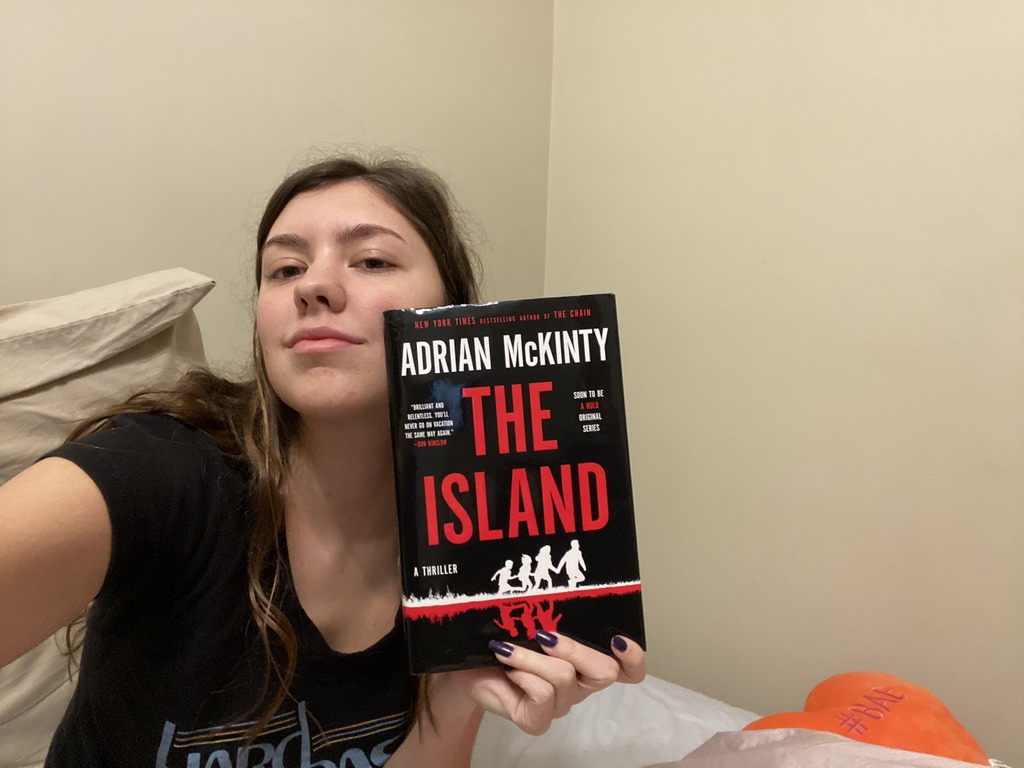
The Island by Adrian McKinty– was the definition of a page-turner, brutally keeping you guessing and on the edge of your seat in every scene. It was a less experiential book than I would have liked; they’re stuck on an island off the coast of Australia in a kill-or-be-killed scenario. I wanted to read about the salty sweat dripping off them, stinging the scratches on their bodies, or their sizzling sunburns that are boring into their shoulder blades (those are not examples of lines from the book. Those are examples of the type of lines that I wish were in the book). If you like The Hunger Games or The Most Dangerous Game then this is the type of novel for you.
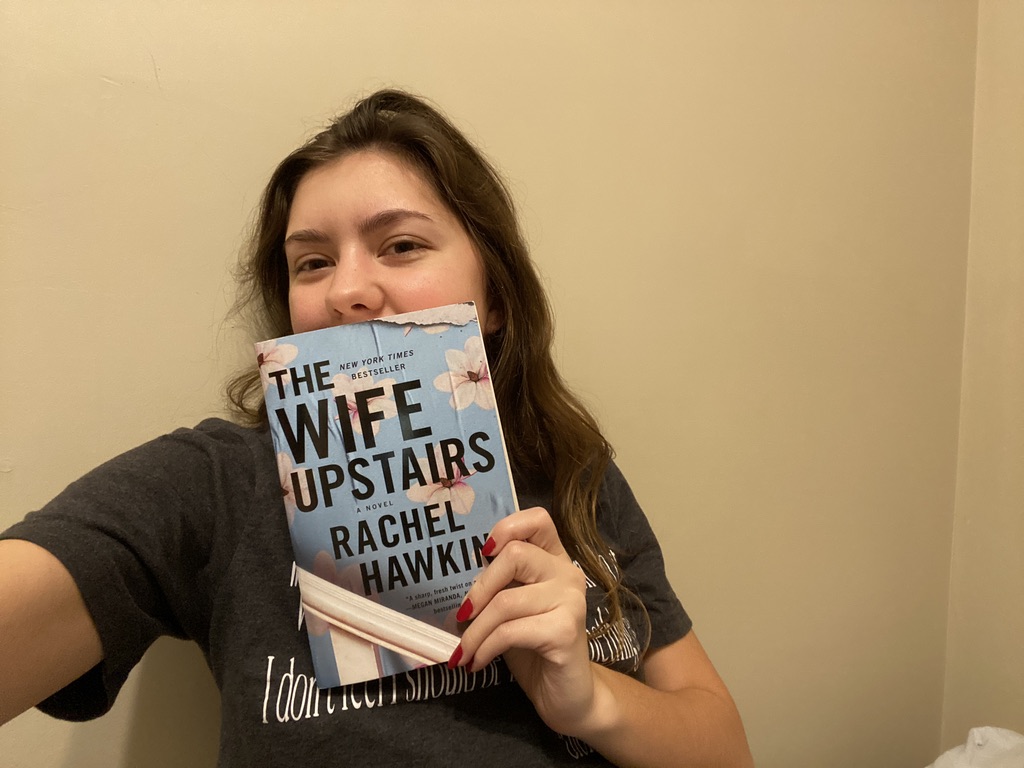
The Wife Upstairs by Rachel Hawkins–is a modern-day retelling of Jane Eyre and, I am not going to lie, I did not see the plot twist coming. I spent much of the novel confused as to why the author was revealing the information that she was, only to be blindsided when the story went in a completely different direction. Hawkins pulls it off extremely well, making the reader think something entirely different has taken place. She also captures modern-day southern living so well that it might as well have taken place in my hometown.
The Silent Patient by Alex Michaelides– is a psychological thriller told from the perspective of a psychologist as he works with a patient who shot her husband and stopped speaking for several years. The pacing at the beginning of the novel is significantly slow, forcing the reader to get 60 pages into the story before your interest is truly piqued. The ending, however, will take you completely by surprise, scrambling your brain, and forcing you to either hate the book or love it. For my part, I’ve decided that I love it. The novel plays with perspectives and timelines, making for a juicy plot twist that shouldn’t work but somehow does. With the way that people were obsessing over this novel, I was expecting smooth, lyrical writing, but found that the language was regular and accessible, and that is not wholly a bad thing. Between the allusions to Greek mythology, focus on art, and central theme of human psychology, The Silent Patient seems like the type of novel that you’d read when you want to look smart, yet surprisingly it manages to avoid being obnoxious and pretentious, with all of these elements working together.
McGlue by Ottessa Moshfegh– Is intentionally very confusing. It’s written from the perspective of a blackout drunk with a massive head injury as he awaits trial for the murder of his best friend in 1851. The writing sobers up with the character, going from choppy writing to more articulate, and yet the story is a mass confusion from start to finish. Given the time period of the story, the novella is very liberal with its use of slurs. Nearly the entire story takes place on a ship as the narrator is forced to travel around. It is definitely a very different type of novel and you should absolutely read it if you’re in want of a change of pace.
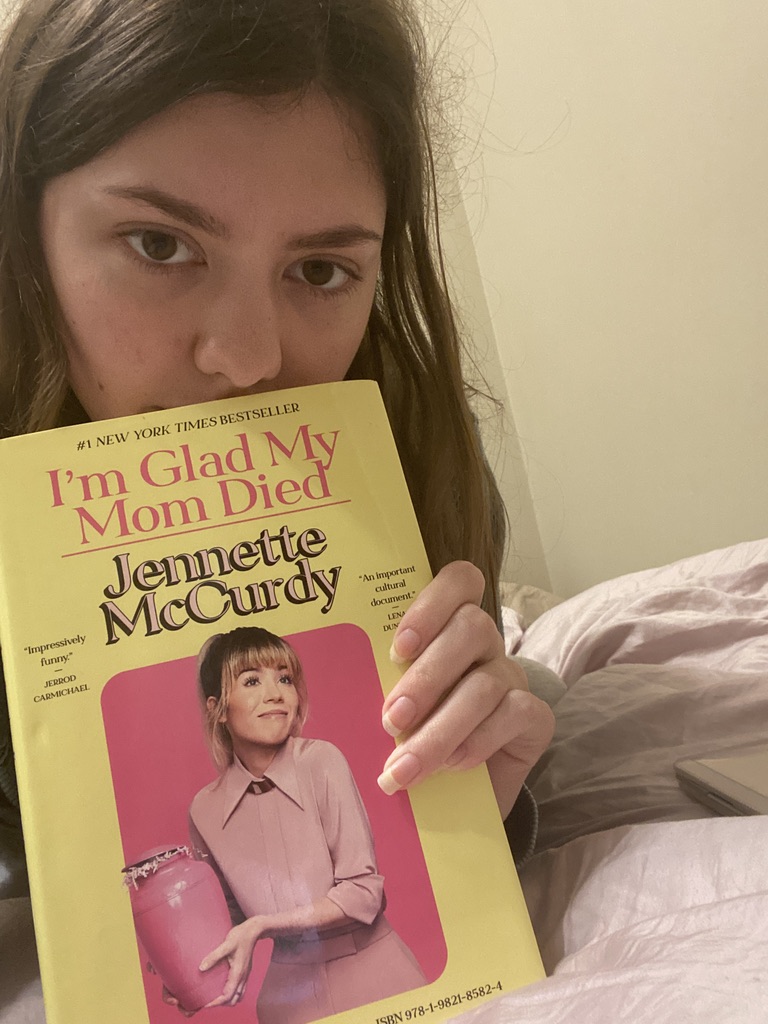
I’m Glad My Mom Died by Jennette McCurdy–(TW: eating disorders and sexual abuse) I read I’m Glad My Mom Died by Jennette McCurdy and I too am glad that her mom died. After forcing Jennette into child-acting at the age of six, her mothers also forces her into calorie-restriction, while abusing her into adulthood. This was a serious bloodletting from Jennette, making it no surprise that she managed to gain the respect of so many. At times it was hard to read, given its subject matter, but she writes in such a compelling way that it is equally hard not to continue. This narrative vastly improved my understanding of eating disorders, dispelling all kinds of misconceptions I’d previously had. Overall, it is a harrowing survivor’s story. Many have stated that this memoir is nothing short of culturally important because it not only tells her story, but the story of what happens to talented young girls in the industry, almost as a rule, and I do not dare to disagree. One thing is for sure: Jennette McCurdy was and remains goated for this book.
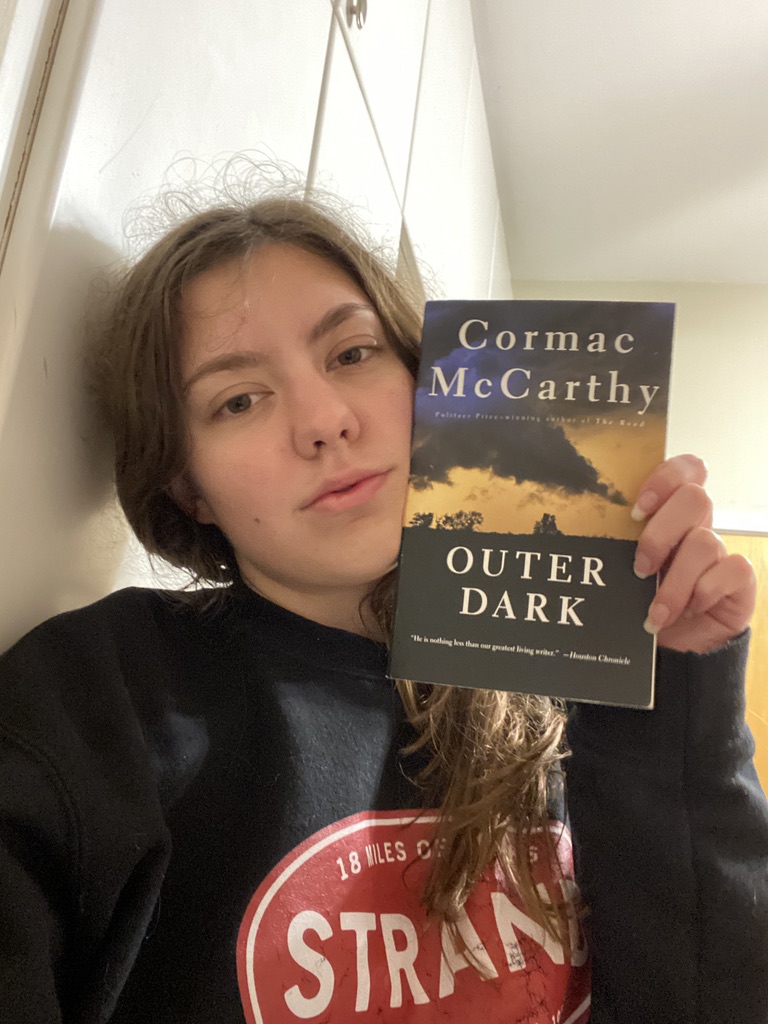
Outer Dark by Cormac McCarthy–This was a book read for class. It was grotesque, distasteful, and, yes, very dark. Initially, it committed all of my literary turnoffs: no quotation marks, intentionally-ambiguous opening pages, and distractingly folksy dialogue. In order: the lack of quotation marks means you get mid-sentence before realizing that what you’re reading is dialogue, forcing you to reread and reconceptualize the line that you already read. Side note: you are not quirky or moody if you as a writer exclude quotation marks from your work. You’re just pretentious. The ambiguity in the beginning is clearly there for dramatic effect but resulted in my immense confusion. Finally, the Appalachian jargon that is laden throughout, which has been hailed as being dead-on-balls accurate for the region and era, just annoys me, (my knee jerk reaction is to say that unless your name is Flannery O’Connor or Zora Neale Hurston, please don’t bother) but I can live with this last one. I therefore wanted to come on here and completely roast this novel, but McCarthy had an incredible ability to describe a scene and how things appear. He won me over, unfortunately. *Also super liberal with its slurs given its time period. (And RIP Cormac McCarthy).
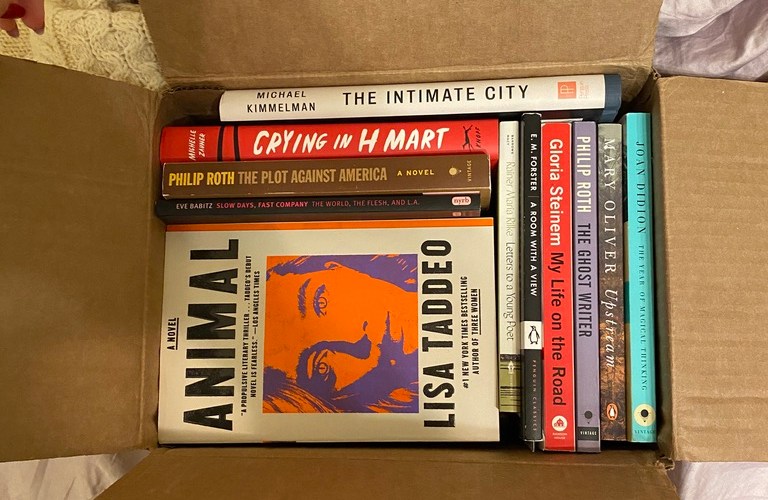
Crying in H Mart by Michelle Zauner– is the first book that made me both emotional and hungry at the same time. In a truly unique portrait of grief, Michelle Zauner, the lead singer of Japanese Breakfast, relives her relationship with her dying mother through food. In doing so, she describes her Korean upbringing in the Midwest, her biracial identity, the ugliness of her relationship with her father, and the strained one she had with her mother. The descriptions of food will make your mouth water. I was expecting to give my compliments to the person who ghosted it, but upon discovering that Michelle Zauner majored in creative writing, I knew that the fluid descriptions and smooth flow of the piece came directly from her. I promise I did not do this on purpose, but I read this book during a time in which there seemed to be a lot of death going around. I started reading this book around the time of my grandfather’s funeral, at the end of which, I went home with my parents and was with them when a close family friend died. When I returned to school a week later, someone else I know lost their mother and an in-law within days of each other. This book, therefore, was a comfort, mirroring all of the thoughts that were occupying my brain waves at the time, as I sent and received sad emails explaining what we’ve been going through with the recent deaths in our lives. I am now ready to drop the needle on some Japanese Breakfast.
The Vegetarian by Han Kang–I’ve often told my vegetarian friends that while I love them and respect them, I love red meat so much that I would probably be a cannibal before I was a vegetarian. This book seemingly confirmed that feeling for me. After giving up meat because of a dream she had, Yeong-hye starts to spiral, to the bafflement of those around her, and loses a significant amount of weight. There is honestly so much to say about this novel about the theme of resistance from the protagonist, the violence that she experiences, and what it means to be truly free. I love the female perspective from Han Kang about how the main character is sexualized by the men in her life. It can be pretty heartbreaking at times. Also, and this is neither here nor there, but Yeong-hye is not a vegetarian; she is a vegan.
Detransition, Baby by Torrey Peters– Is about a group comprised of a transgender woman, a cisgender woman, and a detransitioned man, who aim to have a baby together. It takes the story a while to warm up but once it does, it is so, so good. The story is third person omniscient, dipping into the perspective of every character it encounters, and inconceivably manages to tell flashbacks inside of flashbacks. It works well because Peters writes in such a fluid, confident way that makes you feel as though you understand the breadth and width of such nuanced complexities even when you are otherwise in the tall grass. In many ways, there are not very many plot points that take place. It is a real “no plot, just vibes” type of story, but one that keeps you entertained and engrossed throughout. The story itself can be a bit agonizing to read at times, sucking you into the lives of these characters, only to break your heart along and along, but I am convinced that everyone should read this book.
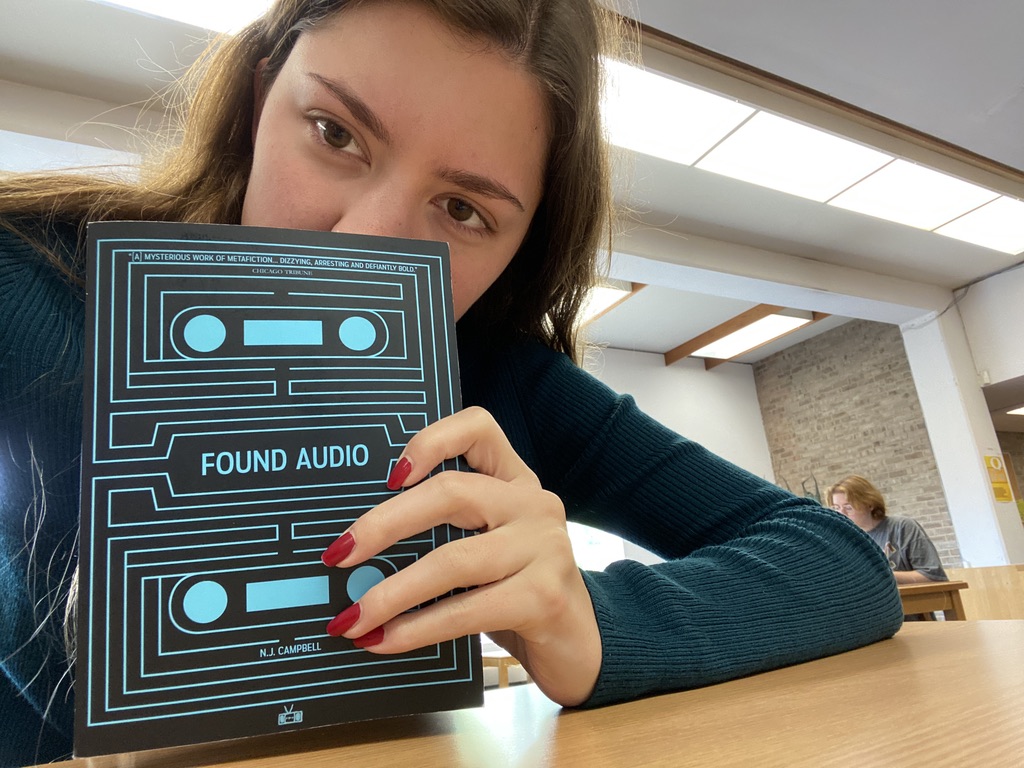
Found Audio by N.J. Campbell– A very strange, mind-bending novella that makes you question what is reality and what is merely but a dream. Found Audio is perhaps the best example of metafiction I have ever encountered, being a story within a story, relayed by someone who is telling a story. Needless to say, there are layers here and you find yourself asking what the motivations of the characters are, as well as, of course, what is going on. If you ever want to read something a little off the beaten path, this might be the perfect book for you.
Sam by Allegra Goodman– I devoured this book in a few hours, not just because it has simple writing that you can easily parse, (short sentences in passive voice that border on fragments) but because it is so compelling. Sam is a regular girl, devoid of any precocity aside from her ability to climb well. From there, she goes on to be a competitive climber as the singular thread throughout her adolescence and girlhood. Sam is a regular girl with a regular name and a regular life; her relatability speaks for itself. The story begins when Sam is 7 and ends when she is 19, achieved through the surprisingly steady pace that Goodman maintains throughout. Goodman does not go into detail. You spend the entire novel unsure of what any of the characters look like with only minor glimpses into their motivations. After breaking your heart little by little, forcing you to shout “get up!” to your copy of the book as the protagonist fails to move on with her life at times, the book circles for a landing at a good spot, ends on a high note, and fills you up with hope.
My Last Innocent Year by Daisy Alpert Florin– Despite its tawdry-sounding title, the novel is about a young woman who experiences numerous violations to her person throughout the span of a year. Set against the backdrop of the Bill Clinton-Monica Lewinksy scandal, the novel draws parallels between the main character’s affair with a married superior at age 21 and Lewinksy’s. There are sneaky references to The Age of Innocence and other nods to the novel’s theme of ending youth. The story felt true to my life, as it takes place during the female protagonist’s final semester at a small, elite, liberal arts college in the Northeast where she studies creative writing. As she apartment hunts, worries about rent, applies to numerous writing gigs, and attends her graduation, this novel told the story of what I was going through at the time (minus the trauma).
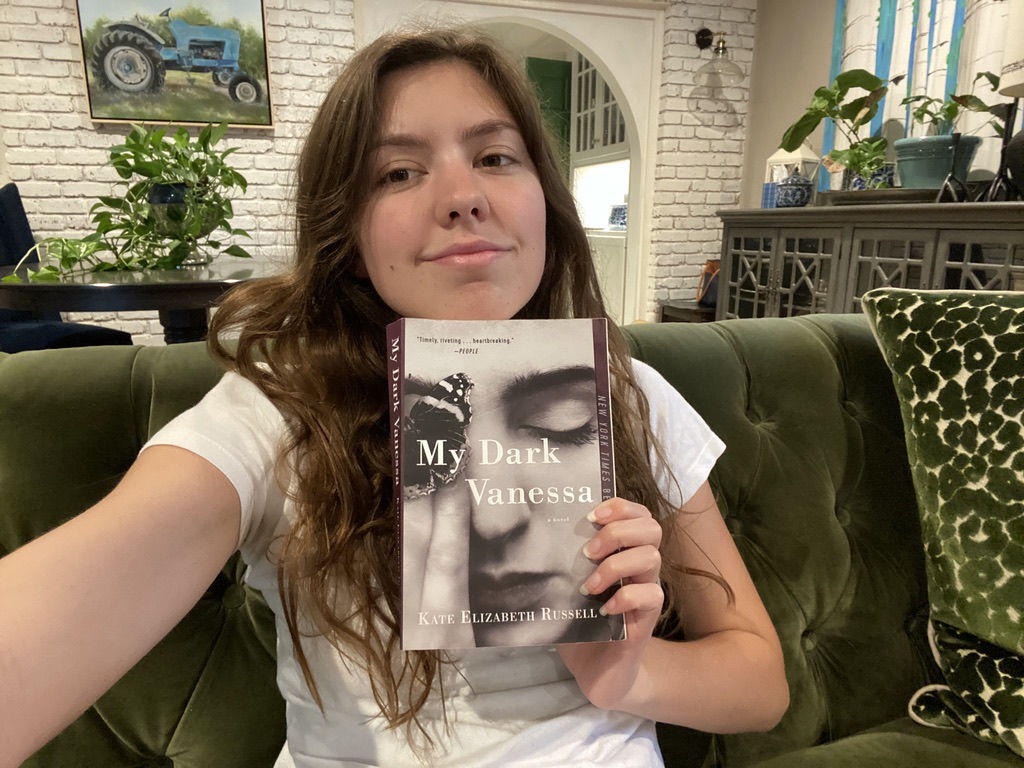
My Dark Vanessa by Kate Elizabeth Russell– I’m a few years late to the My Dark Vanessa discord. This was a brutal read, but, oh, so worth it. It will leave you grossed out and sad, in sympathy with the main character as she justifies and compartmentalizes her experiences with a predator. It is sharply written, plumbing the depths of the behavior of a survivor with a satisfying enough of an ending that puts a sad smile on your face. Beyond its commentary on the Me Too Movement, the book does so many things well by giving us a complicated female protagonist who needs, receives, and benefits from therapy. I hate to refer to a book as being important and of-the-moment, since it makes it sound like a gimmicky cash grab on the part of the writer when in reality this book not only captures the anxiety and the hysteria of the moment, but also points out what ironically, and horrifyingly, gets lost when discussing survivors’ stories: the story of the survivor themself.
The Poet X by Elizabeth Acevedo– Should be required YA reading for everyone. I blazed through this book. Each page is a blank verse poem, so it is an incredibly quick read. She covers her character’s relationship towards religion, a tricky relationship with her mother, her relationship with her maturing body, and her burgeoning love of poetry. Due to my personal preference for prose over poetry, I would have preferred to have read this story as a regular novel and not a novel in verse, but I still enjoyed the story and was impressed by her ability to write a novel in verse.
Dykette by Jenny Fran Davis– I read a review of this book that said “this book would kill a straight person.” It’s hard not to see why. There is much about pronouns, a competition amongst white Americans over who has the bigger connection to Europe, and an obsession with Chloe Sevigny. Given the cover image of a naked woman spooning a seemingly dead cardinal, I had high hopes for this book. It falls into that subgenre of literary fiction where the novel is about a relationship, but isn’t at all romantic. Two people are in a relationship going back and forth, arguing pretty often, being passive aggressive, noticing things about the other person, arguing some more about it, and then apologizing to one another as they continue their relationship and I’m just sitting here thinking to myself, “wow, these two people shouldn’t be dating.” If you like Sally Rooney’s writing then you will like this.
My Body by Emily Ratajkowski– Is a great memoir about the commodification of women’s bodies and the politics behind a woman using her body to achieve fame. When is she degrading herself and when is she empowering herself? When is it okay to complain about the way that others view your body when you’re the one showing it off? Ratajkowski discusses her career as a model, taking us through the Blurred Lines music video for which she became famous, her early memories of her body and beauty, her own experiences with her sexuality before it was used by others, and her experience delivering her baby. This series of essays explores ideas of ownership, what it means to be a muse, and what it means when your image is owned by others. This is not a sleazy book about the body of a sports illustrated model. You have to bring your mind to Ratajkowski’s body. Ratajkowski writes with such clarity, but I felt that there were a few missed opportunities. Given that the memoir is all about her body, she could have opened with a description of it, giving insight into how she views it. Likewise, she does not go into the changes her body undergoes when she gets pregnant, but overall, I believe that this book achieves exactly what it sets out to do. Everyone should read this book in order to understand the feelings of growing up as a girl and the importance of feeling empowered in your own body.
The Last Wolf by Lazlo Krasznahorkai– I have no idea what to say about The Last Wolf, except that it was a 70-page one sentence long work in translation about a man pretending to be something that he is not while relaying the story to a bartender. This is not the type of story that I would read for my own enjoyment (this was yet another book for class) but that is not to say that it is a bad book or that it is poorly written. It is, however, incredibly strange, and not for the fiction-reading-faint of heart. I recommend taking an edible and then conquering this book.
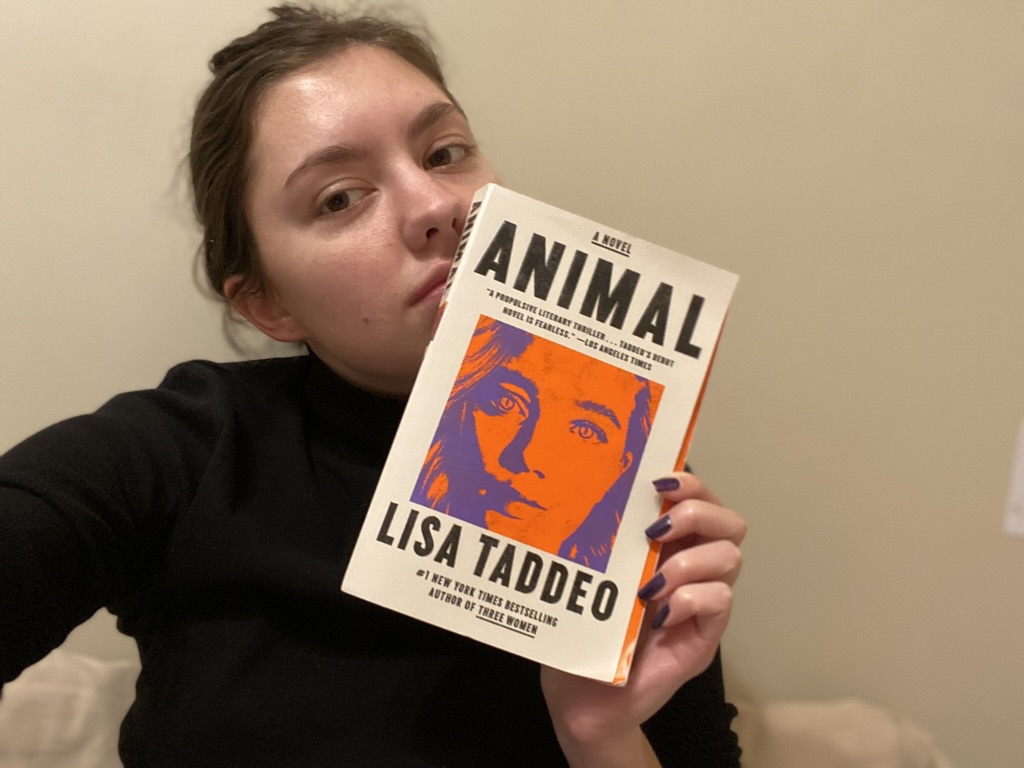
Animal by Lisa Taddeo–This is a fantastic book, albeit a little predictable. It was obvious to me who she was addressing the story to, the identity of one of the characters, and her backstory. And yet, despite its occasionally predictable moments the book was still great. The novel is about women’s relationships with men who inflict pain and she explores this theme in a myriad of ways. Every character that is introduced is an extension of this theme. Masterfully done, she shows what women go through on a daily basis. Her style of writing is so specific and surprisingly well-maintained in a 321-page book. She actually uses the word solipsism in a sentence, which is never done, so good for her.
Small Town Sins by Ken Jaworowski– Set in a small town on the brink of decay, Small Town Sins tells the unforgettable story of a forgotten American town. Locksburg, Pennsylvania, and the inhabitants therein, have seen better days. This isn’t the type of story that I would normally read, so I wasn’t that interested in it when I first started reading it, but I became interested in it in the way that thrillers suck you in. I genuinely felt for the characters as they lived their small lives and tried to make them bigger. The story is told from multiple perspectives, which has become somewhat of a gimmick in modern literature. The voices are not different enough for me and none of the stories converge in anything other than superficial ways (it’s a small town so occasionally there are cheeky references to run-ins with other characters). I wrung my hands as the characters made major life choices and sometimes were rewarded for them.
Where You End by Abbott Kahler– I don’t often read thrillers and yet when I do, I usually have a good time. Kahler has a lot of balls in the air in this story, with mirror twins, amnesia, and cults, and she juggles them beautifully. This is an ambitious story, especially given that it is her debut novel, but I was successfully hooked from start to finish. I recommend reading, especially if you, like all rational people, hate cults.
Everybody’s Favorite: Tales From the World’s Worst Perfectionist by Lillian Stone– Stone’s story is inspirational in the sense that she struggled to find herself for so long and ended up not only finding herself, but getting to a place where she could write about it for the whole world to see. I appreciate how she embraces every cringey part of her adolescence, never shying away from the aggressively private, without being obnoxiously self-deprecating.
Hysterical by Elissa Bassist– is a book with a title that was made for me. Bassist tells the story of hysterical women everywhere, as she struggles profoundly with health struggles that doctors can’t put a name to, an all too familiar experience for many women. She covers her various nightmare-relationships and her quest for higher self-esteem, another all-too-familiar experience for women. In doing so she demonstrates the very real ways a woman can be made to feel “hysterical,” in this day and age.
Chaos Theory by Nic Stone– Is a teen angst, coming-of-age story that actually has some very real teen angst. Stone’s characters struggle with actually serious real world issues, such as bipolar disorder, self harm, and alcoholism. It is far less me-centered than most coming of age novels, with appropriate mental health commentary throughout. This is the type of book that every teenager should read, and yet, like most of Nic Stone’s works, it’ll probably be banned across America as well. That’s your cue to read it anyway.
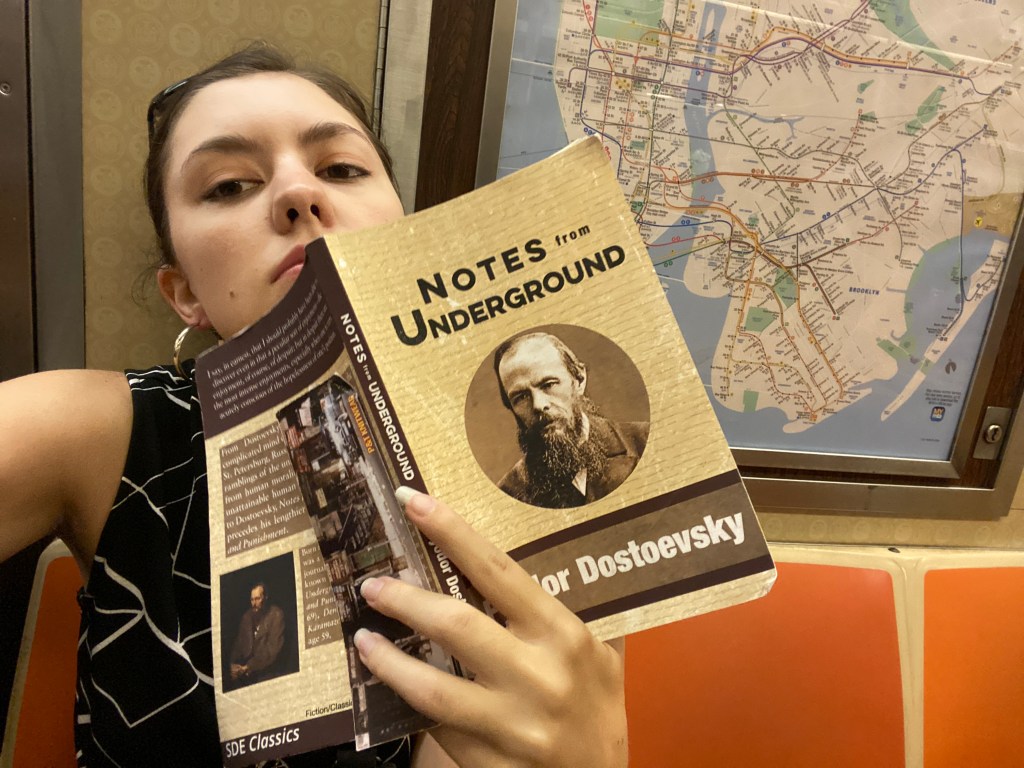
Notes from Underground by Fyodor Dostoevsky– This is a character who suffers not just from a physical loneliness but, he believes at least, an emotional and intellectual loneliness as well. At times he feels superior to everybody else, while at other times, he wishes he could be more like everybody else. This story is the ramblings of a man in decline.
Cassandra at the Wedding by Dorothy Baker– I am at a loss for what to say about this one. She shows up to a wedding in a wedding dress, though, in her mind, not to stick it to the bride, her sister, and I’d have loved to have been a fly on the wall at this fictitious wedding.
A Personal Matter by Kenzaburo Oe– Is a dark story about a man whose baby is born with a disability, causing him to hope that the baby will die shortly thereafter. The story is the man waiting, hoping, and at times taking measures to bring about the death of his baby. Needless to say, this is not a warm and fuzzy book, but it has a positive ending. Skip if you’re squeamish.
The Passion According to G.H. by Clarice Lispector– If you are a no-plot-just-vibes girly then I cannot recommend this book to you enough. A woman stops to ponder the universe after seeing a cockroach roaming around the floor of her house. The addressee is a moving target and she describes crushing a cockroach and then having a paste come out of it like it’s Bavarian Cream.
Wuthering Heights by Emily Bronte– It’s hard to find something new to say about Wuthering Heights, but it is a moody, twisty novel that’s too classic not to read. Yes, it bored me to tears at times, since I am a twenty two year old woman in her prime and being holed up in my room reading books like Wuthering Heights can drain from that, but it was still worth the read.
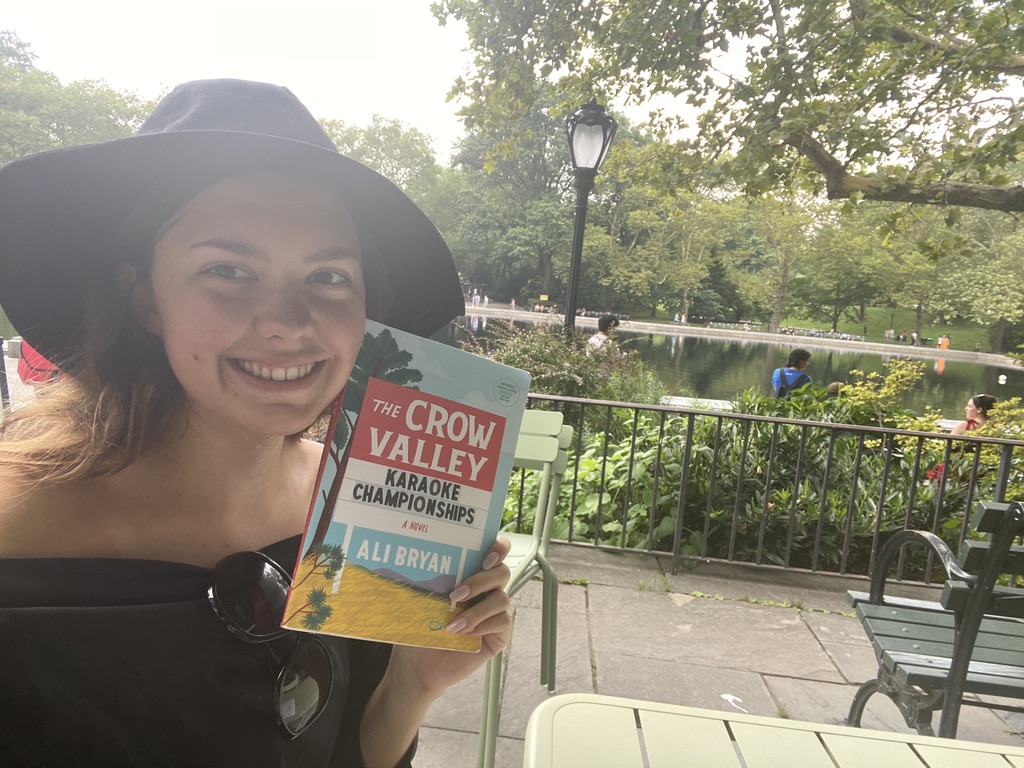
The Crow Valley Karaoke Championships by Ali Bryan– This book was fun and if you’ve ever lived in a small town or a close-knit community then you’ll definitely find it fun as well. In Crow Valley, a town struck by recent tragedy, petty rivalries and gossip mills are a thing of legend. A man escapes from prison and a town convenes for an annual karaoke championship. Madness ensues.
Through the Groves by Anne Hull– A memoir about being gay and a woman in the south in the 60s. Pulitzer-prize winning journalist, Anne Hull, recalls what it was like to grow up on her father’s orange groves in Central Florida while the area was being cleared out for Disney World.
Ride A Cockhorse by Raymond Kennedy– Believe it or not, this book, with this name, is a metaphor for tyranny, told through the lens of a woman rising through the ranks at her local bank in the 1980s. Kennedy pulls out all of the stops when depicting a despot: control of the media, promoting inconsequential people to positions of power, gaining loyalty from workers, and discrediting and removing opponents from power. Mrs. Fitzgibbons, lean and hungry in her quest for power, works her way up through the chain of command at her local bank, being as machiavellian as they come. It is, however, a very lackluster commentary on abuse of power, barely clearing the very low bar that is Sally Rooney’s, “Capitalism is bad, let’s have sex” model of critiquing capitalism. The fact that it is satire only minimally softens the blow. Just read Animal Farm instead.
Lost Illusions by Honore De Balzac– Is a story about a city treating a young aspiring writer poorly. I have never read a book that was so boring and interesting at the same time. I did in fact have to read about the history of France through the history of the printing press, as well as about ten other ways to tell the history of France, but meanwhile people were dying so it’s cool. It’s 700 pages, so decide how cool you’d find that before trying to conquer it like I did.
The Days of Abandonment by Elena Ferrante– A man leaves his wife for a younger woman and now she has to raise the kids and the dog on her own. It is a tale as old as time, told in a way that is completely fresh. The reader gets to enjoy the ways in which the shit hits the fan within just a few days.
The Loser by Thomas Bernhard– is rambling and meandering in a way that feels like a vanity project for the author. The narrator’s circular thinking is a perfect example of how to write a mentally ill character that almost permanently resides in their own head space.
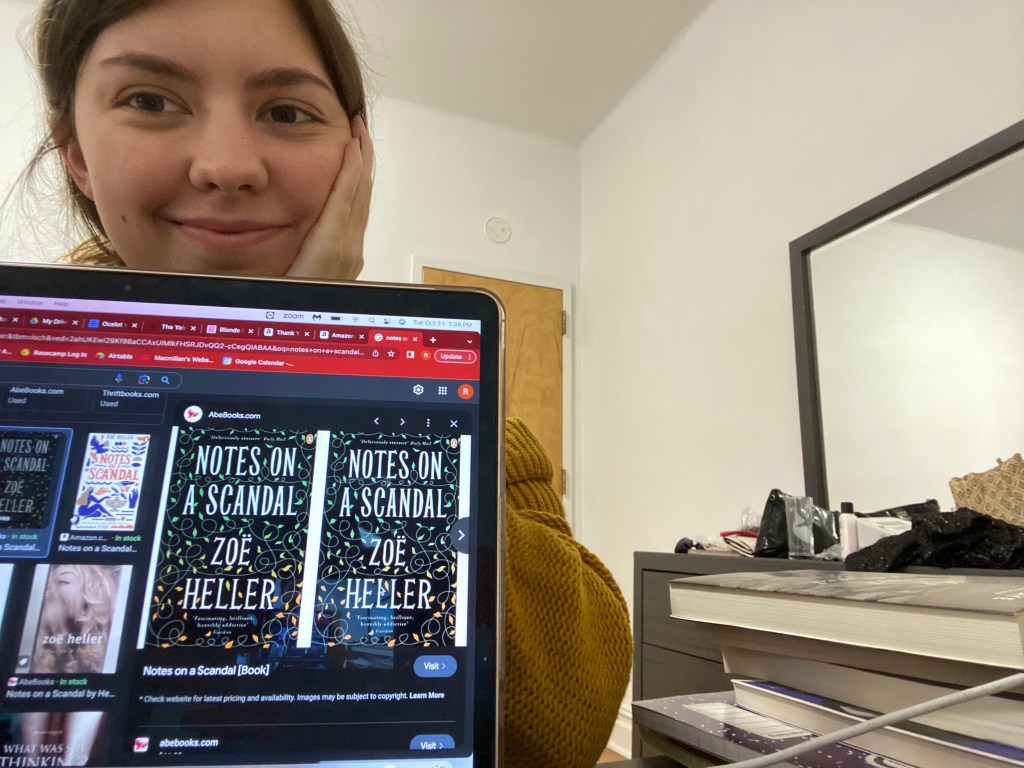
What Was She Thinking? Notes on a Scandal by Zoe Heller– A modern-day classic and well-deserved. I devoured this book within a few hours, unable to put it down. The novel, now famous, tells the story of a high school teacher having an affair with one of her students, culminating in a massive media scandal and the destruction of her marriage. What was she thinking, indeed?
Read online, hence the pic
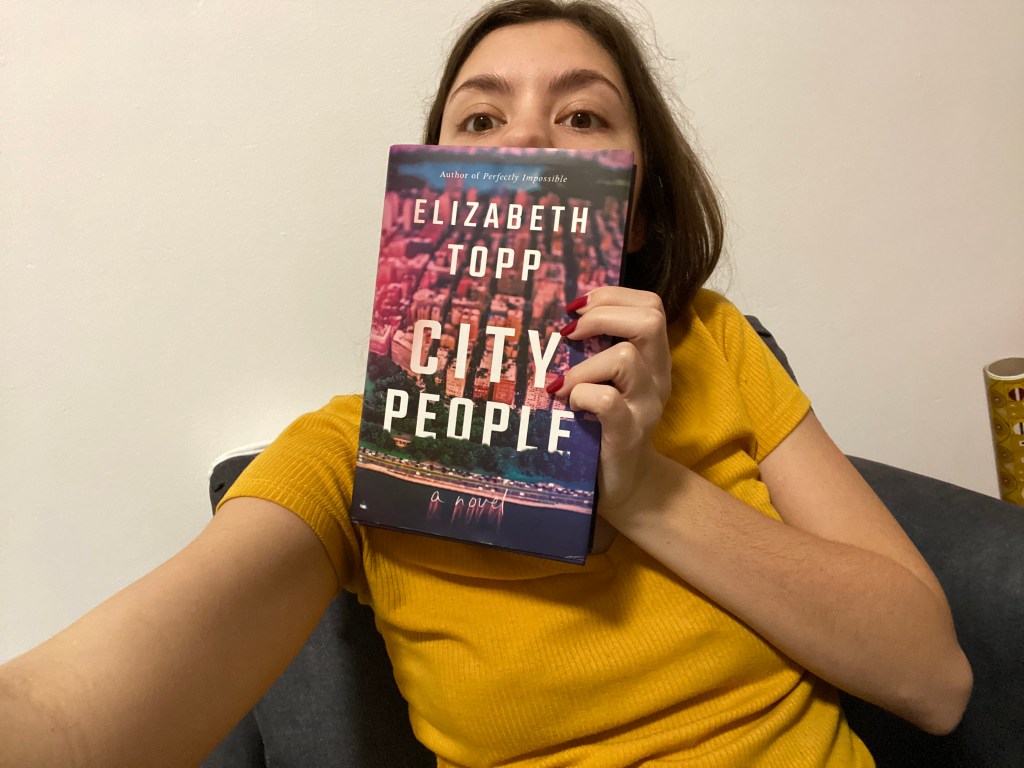
City People by Elizabeth Topp– Elizabeth Topp takes New York life from idyllic to cut-throat in a New York minute in her latest novel, City People. The time and place is modern-day New York City. The setting is the cut-throat, best-foot-forward application process of an exclusive, overpriced private school for Kindergarteners. City People is the story of a Klonopin-addled, Moncler-clad group of moms, all vying for their children to be accepted into Kent, an elite private school. Taking place in the days following their friend’s death, each woman copes in their own way, all the while lean and hungry in their pursuit of a spot for their child at the highly-coveted Kent school. Like a fever-dream of the rich and connected, Kent is the pipeline for whatever life their kids want and every mother knows it. A born-and-bred New Yorker, Topp gives us pitch-perfect New York City commentary, showing us the New York City of our collective dreams and simultaneous nightmares. She captures a raw image of what it takes to be elite, through lives dictated by real estate decisions, brag-worthy job promotions, designer brands, and promising school prospects. City People makes a spectacle of the types of people we all know, told in true New York City fashion, against the backdrop of a transit strike.
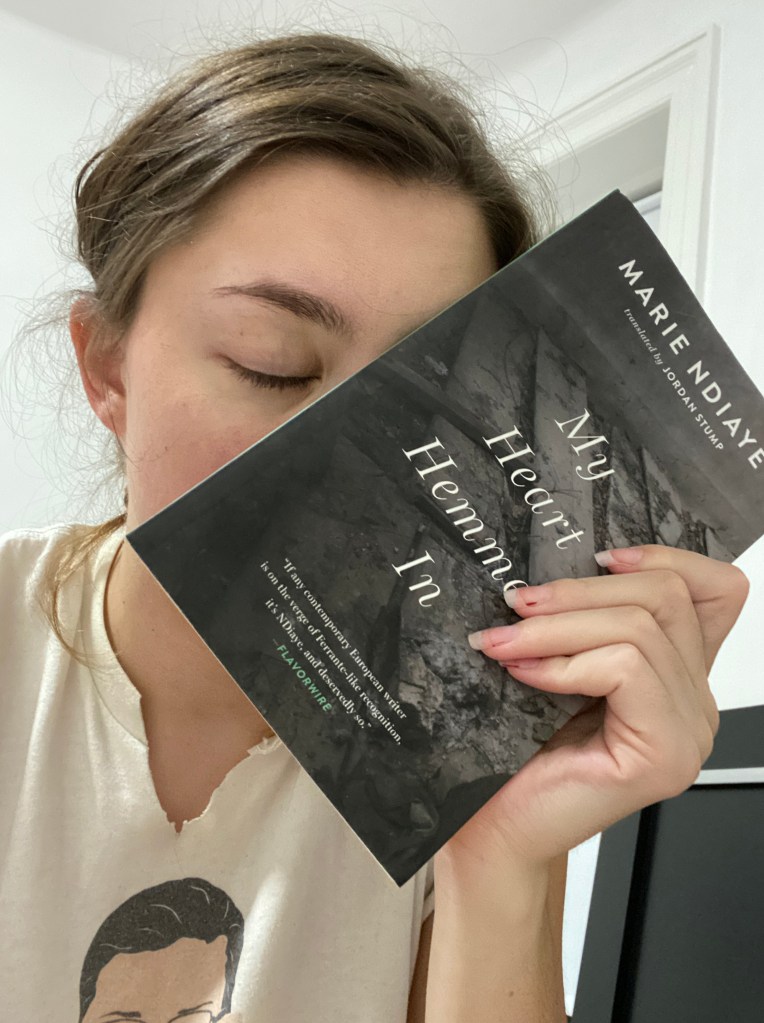
My Heart Hemmed In by Marie NDiaye– I read this book for my “Unhinged Narrators” class and there’s something about reading a book about an unhinged person at four am in the morning that’ll make them sound pretty hinged. When the human woman gave birth to an animal, all I could think was, “who among us hasn’t felt the urge to do that?” This book, with its frenzied ending and strange antics didn’t faze me much in the middle of the night, though I still was able to get caught up in the strangeness of this woman’s place in French society.
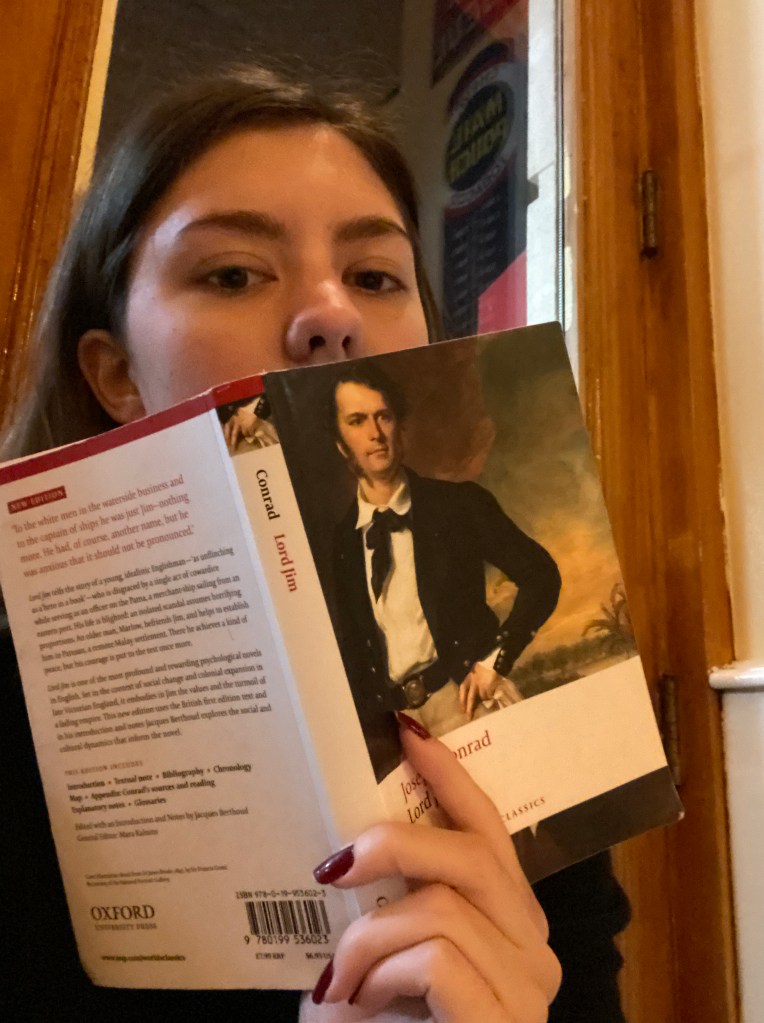
Lord Jim by Joseph Conrad–This book is all about ambiguity, which makes me feel better since I didn’t follow it very well as I was reading it. I did however always love his beautiful descriptions of the “shimmering water” on the horizon.
Assembly by Natasha Brown–In many ways, Natasha Brown writes the way that I would like to write: with clarity and trimmed of its fat. There is drama in every line. In this novel, she emphasizes the dehumanization of assimilation as a black British woman and her relationship with her privileged boyfriend. It is a quick read at about 102 pages.
Other People’s Clothes by Calla Henkel–While studying abroad in Berlin, two American girls feel that they are being spied on by the author they rented their apartment from and decide to throw elaborate parties to mess with her, predictably getting out of hand. The novel makes frequent references to Amanda Knox, the clear inspiration for this story about an American girl who studies abroad in Europe and winds up with a dead roommate. Nearly every sentence contained two complete sentences, conjoined with a comma, not a semicolon or a conjunction, making me feel school-marmish every time I tutted my disapproval at the improper sentence structure. I loved the plot twist at the end of the story, but felt that it took the novel too long to fulfill its promise of drugs and sex parties and Berlin nightlife. Do with that what you will.
Magma by Thora Hjorleifsdottir–(TW: Self-harm, suicidal ideation, and sexual assault) You might need to read a nice rom com after this one. I felt the urge to curl up in the fetal position and swear off men– a reasonable reaction to those who’ve read it. This book is quick– easily read in about two hours– which is good since you find yourself not wanting to stay long with the narrator’s misery.
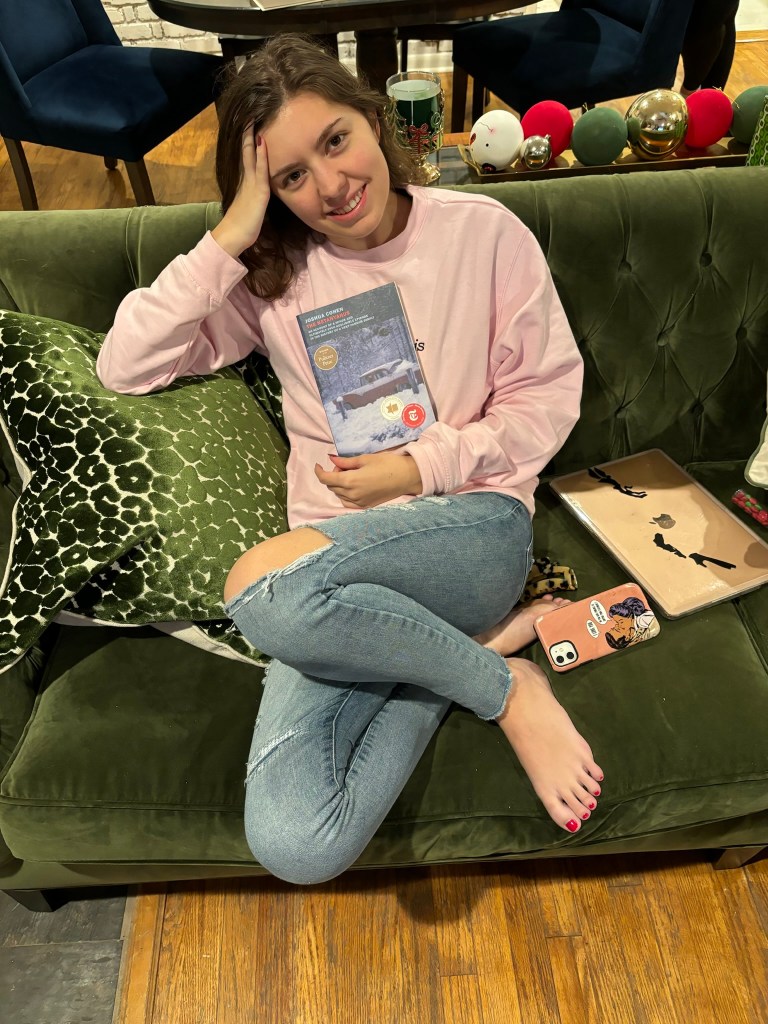
The Netanyahus: An Account of a Minor and Ultimately Even Negligible Episode in the History of a Very Famous Family by Joshua Cohen– Here I will offer the disclaimer that I am extremely biased towards this book because my professor won a Pulitzer for it in 2022. The Netanyahus is historical fiction, taking place in the 1950s, about the only Jewish American professor at a fictitious university who is therefore expected to host the Netanyahu family at his house while the patriarch, Benzion Netanyahu, interviews for a position at the university.A prepubescent Benjamin Netenyahu appears in the story, making it mild-to-moderately apropos. As I told my professor, “Judy was my favorite character, but that might just be because she was the teenage girl character and therefore is always the one I relate to. Throughout the book, I was hoping that there would be a happy ending that was, in part, about how his wife would start having sex with him again, because I was getting sad each time he was rejected. I was rooting for him. I know that I am not the target audience for this book, but your writing is very fluid and your lexicon is stupidly impressive.”
In summary and in summation:
Looking back, I see that there were a few common themes tying these books together. Women and their bodies played a significant role in the stories that I consumed. Books like My Body, The Girls,The Vegetarian, Detransition, Baby!, and The Poet X gave crystal-clear insights into how women perceive their own bodies and what they mean in the broader context of the world.
Other books focus on young girls in predatory situations, such as My Dark Vanessa and My Last Innocent Year.
Some were portraits in grief, specifically the deaths of mothers, like in I’m Glad My Mom Died and Crying in H Mart.
I’ve read more memoirs this year than I ever have in my life. Memoirs are, generally speaking, not my thing. I have always had a love affair with fiction, but this year I read My Body, Crying in H Mart, I’m Glad My Mom Died, Through the Groves, Hysterical, and Everybody’s Favorite: Tales From the World’s Worst Perfectionist, every one of them a female-centric memoir.
Freud would have a field day with my reading list of dead mothers, female bodies, and loss of female innocence, but Freud didn’t understand women so who cares.
One of my favorite things about living in New York City is not just the way in which various different types of restaurants can coexist here, but the way a restaurant needs a hook in order to stay alive.
You can create whatever seemingly mismatched fusion restaurant, whatever astrology-themed bar, or animal-themed cafe you want, so long as the food and drink earns its keep.
A generic restaurant is more likely to be put out of business than an eccentric one– basic restaurants need not apply.
This occurred to me a few weeks ago at Senza Gluten, the gluten-free Italian restaurant I went to for my cousin Olivia’s birthday. My knowledge of Italian came in clutch as I informed the table that “senza” means “without” in Italian, which is about all I can do with my limited knowledge of Italian: impress people by reading off the menu at an Italian restaurant and enhance the viewing experience of season 2 of The White Lotus.
Our gluten-free meals were excellent, unlike most gluten-free which runs the risk of tasting like carpeting. We had our gluten-free meals, toasted the woman of the hour with all of the alcohol we’d just purchased, and then had some gluten-free bagels the next morning at a gluten-free bagel place.
Only in New York City could so much lack of gluten thrive.
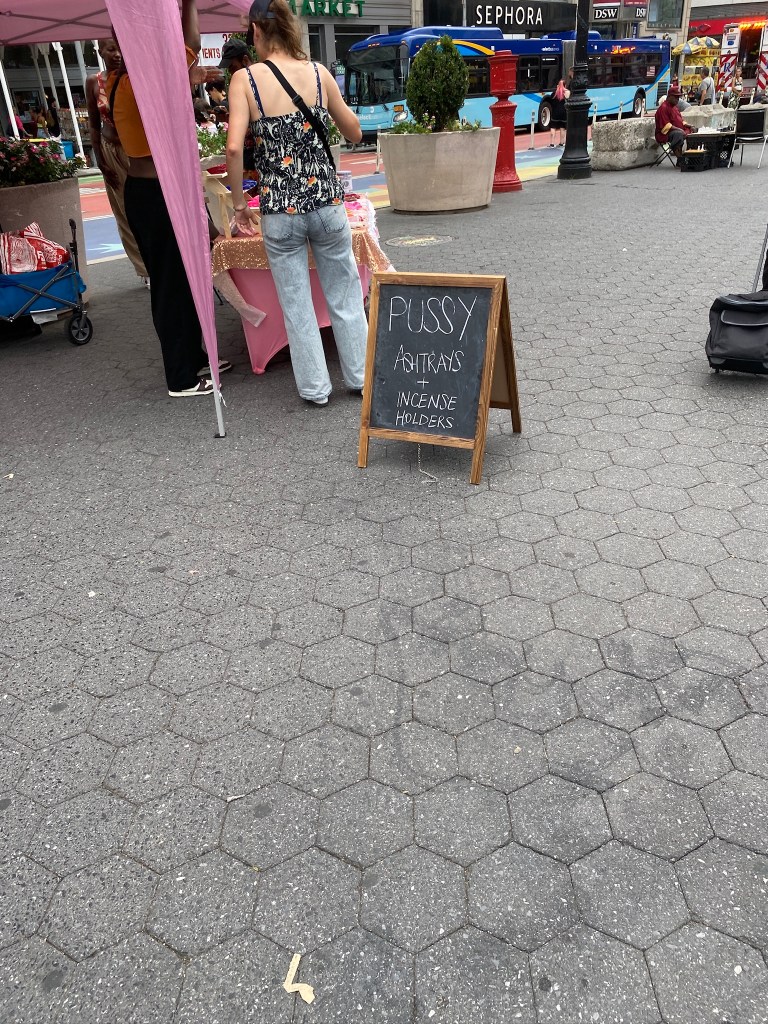
For her birthday, I bought Olivia a “pussy astray/incense holder.” The women selling them in Union Square Park clapped them together to demonstrate that they were “indestructible, just like the real thing.”
Olivia is one of the few people I know who would appreciate such a product.
Olivia, appreciating such a gift
I’d spent the weekend eating gluten-free around town, on purpose, and witnessing a woman standing in Union Square park unironically clap together vagina-shaped drug paraphernalia, like they were chalkboard erasers, and yet, the thing that I was most struck by was all of the things that I could only get in New York City.
Between the unique food and the unique gifts, New York City is the place to spend your birthday.
In New York City, I’ve often seen a guy lay out a collection of knock-off handbags on a blanket on the sidewalk.
He sets his merchandise on a blanket so that when he sees the cops coming, he can scoop up all of his belongings and set up shop on another street corner.
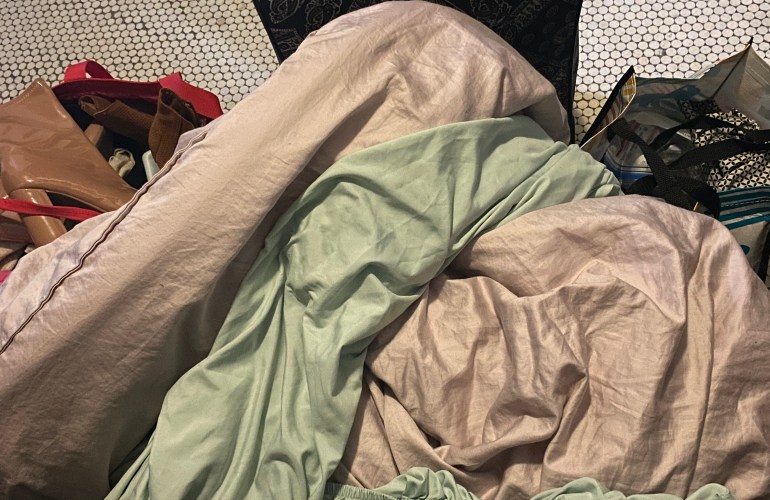
I attempted to do that with all of my belongings throughout the month of September as I hopped from apartment to apartment.
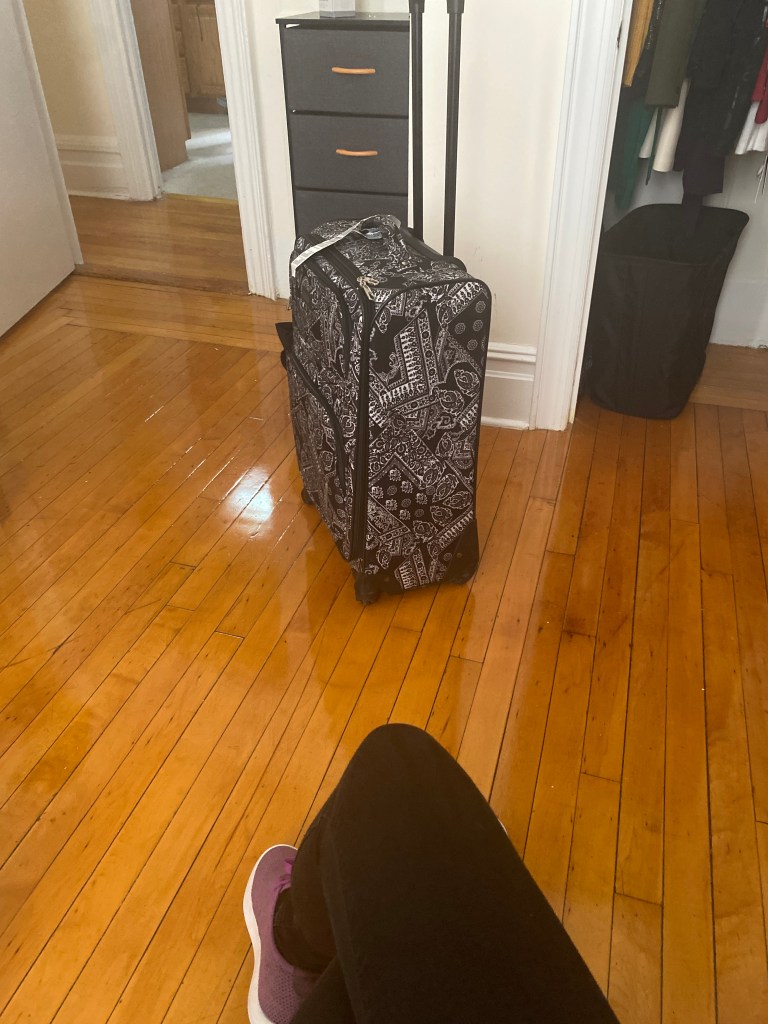
All of my belongings
My Columbia housing move-in was delayed which meant that I had to matriculate without a set address, so I spent two weeks with a few other Columbia students in Harlem in what was a don’t-get-too-comfortable setup.
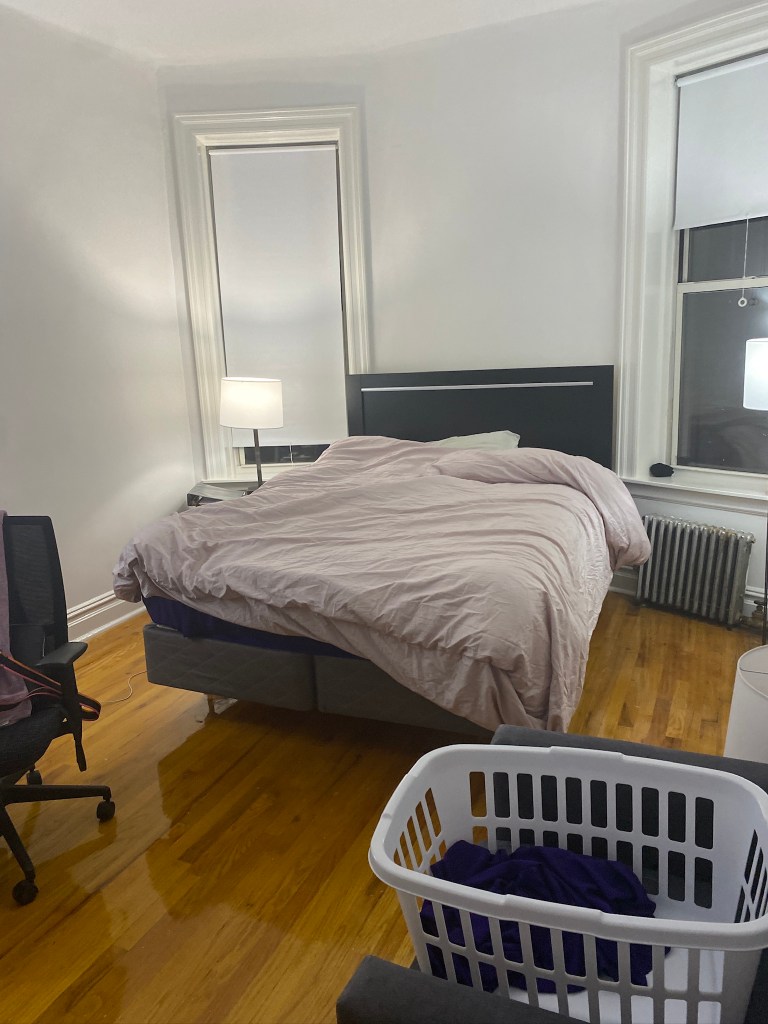
I have yet to master the art of traveling light, a necessity in New York City. Instead I loaded up everything I owned into my two suitcases and my laundry basket in the hopes that every Uber driver I rode with would take pity on me– a fool proof plan.
The stress of moving led to some questionable behavior from me: buying those horrendous soft sugar cookies that cause juvenile diabetes and adult acne in an attempt to take the edge off (there probably isn’t a single ingredient in these cookies that occurs naturally and isn’t therefore manufactured in a factory), sobbing since all of the dryers in my building were taken by people whose laundry had been done for over an hour, then going upstairs to take the edge off with chocolate covered peanuts and Fleabag, and finally, me writing a story for my writing workshop about a girl who has to move apartments with no help from anyone.
Stuff like that.
The place I stayed in in Harlem was great: a room with exposed brick that was right near the train station. 10/10 would stay there again.
The 125th Street Station
It’s all part of the adventure.
I am now settled in a great situation, thanks to Columbia, where I can focus so much better on my school work: the next thing to conquer.
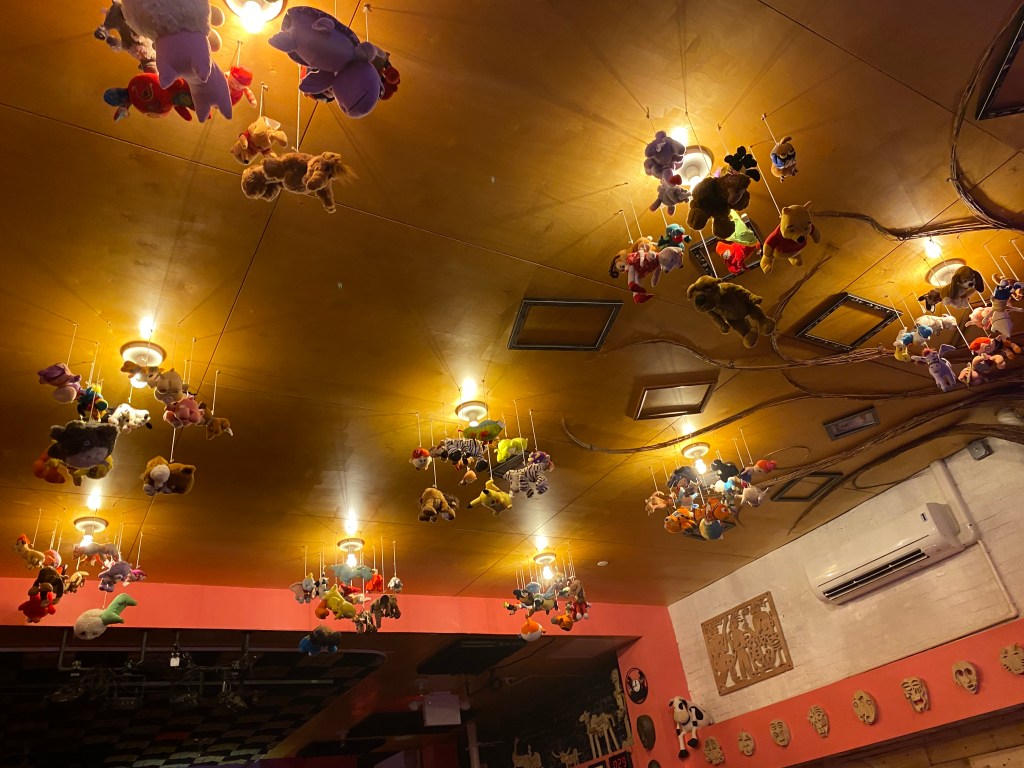
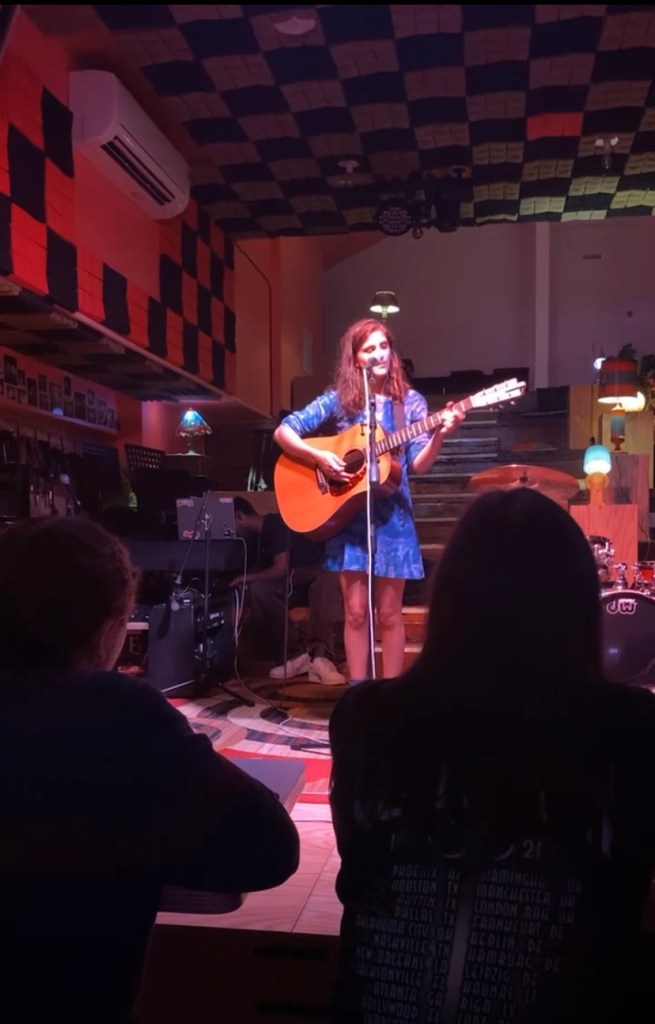
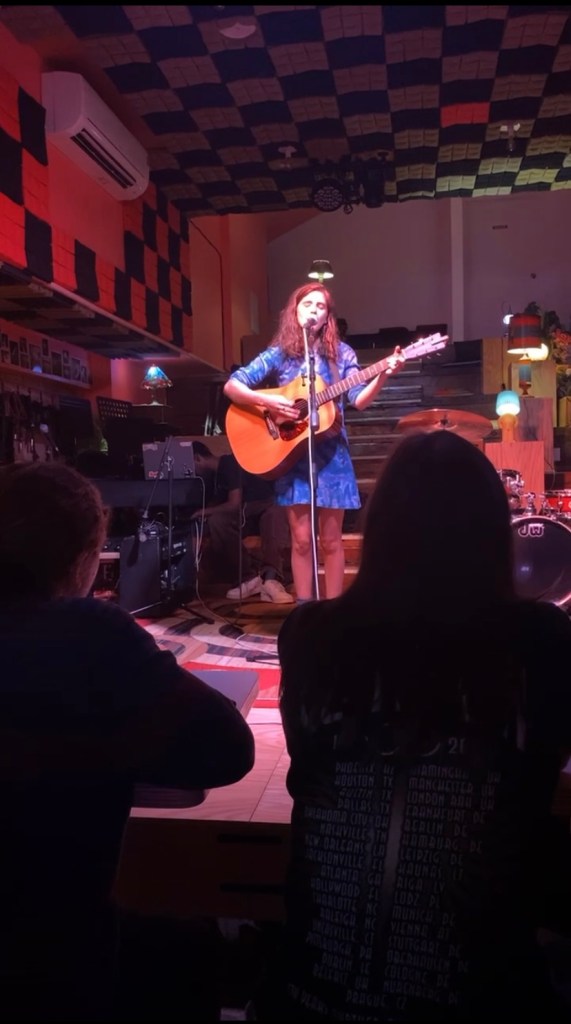
One weekend, not too long ago, I took a trip to Brooklyn to see my friend Alyssa Sage perform her new album at Pink Frog Cafe, a place that boasts “Live Events Daily.” The Train, available on Spotify on April 11th, has a lot to do with pursuing one’s dreams and was being performed for the first time as part of her promotion.
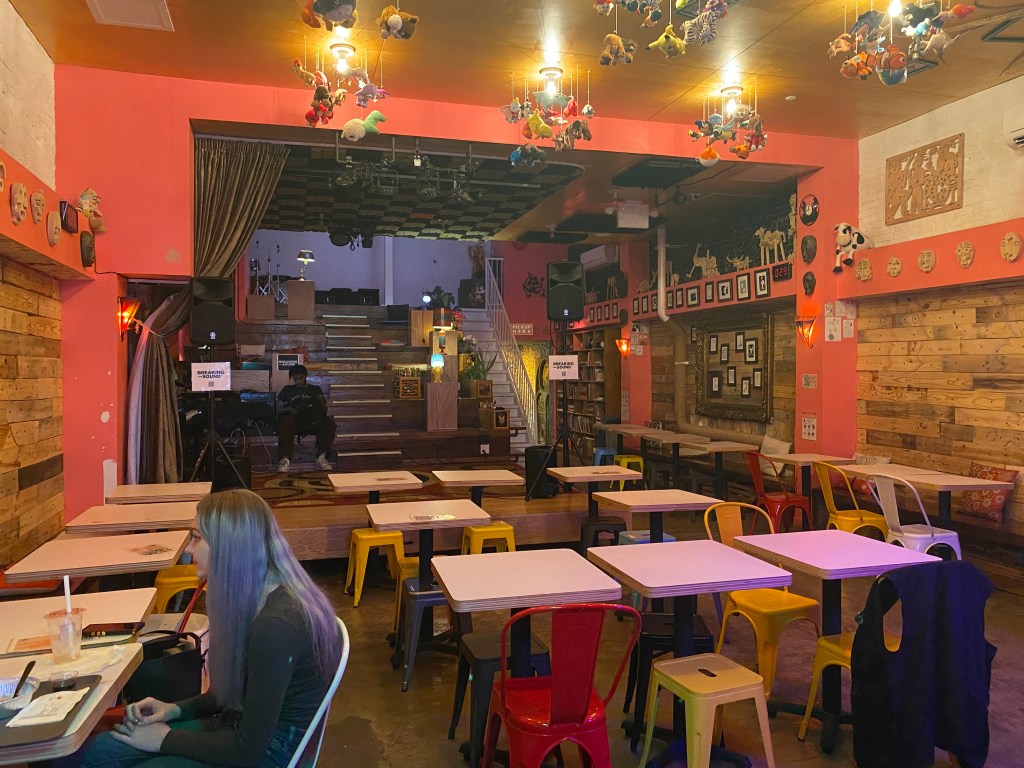
Pink Frog Cafe is the place to go if you want to enjoy a live performance, while imbibing a two drink minimum, ensconced in the interesting artistic choice of stuffed animals hanging from the ceiling as chandeliers, a slightly phallic lamp, and the mural of progressively larger fish eating one another.
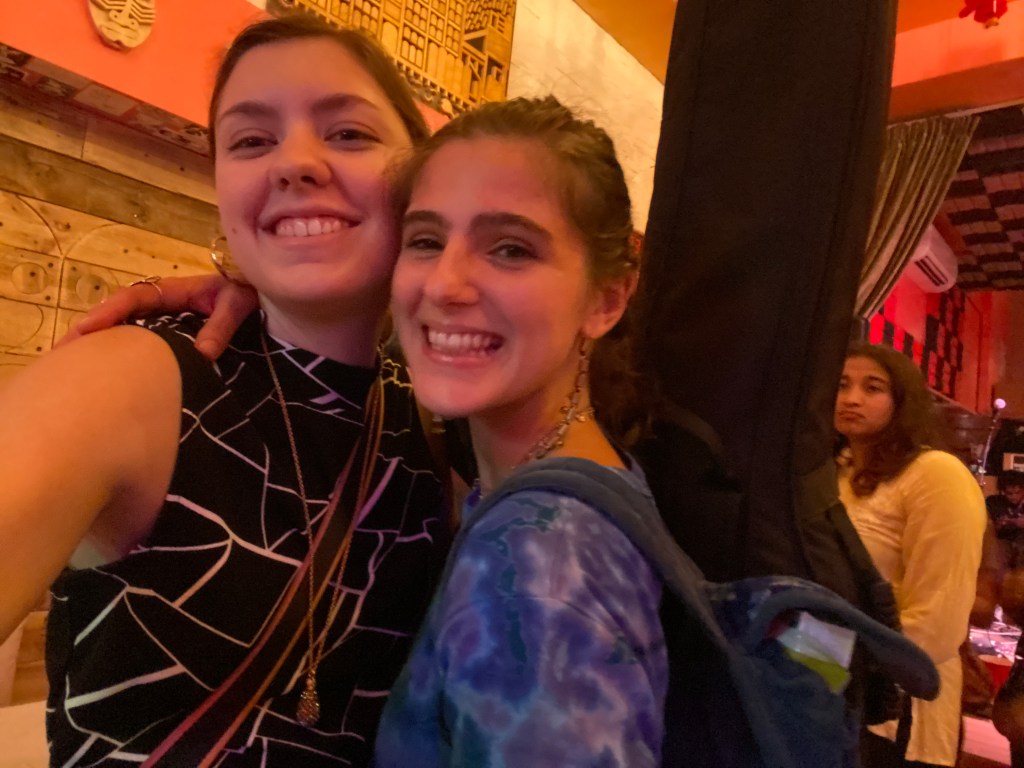
It was at this event that I ran into some Sarah Lawrence people, which made me realize that my Sarah Lawrence days were just a couple of months ago, not 5 years ago like they felt. I should, therefore, not think of it as “back in the day, when I went to Sarah Lawrence…”
After catching up with everyone, Alyssa took to the stage as the first performer of the night. Alyssa has such a dulcet, melodic voice that makes for smooth, relaxing listening. Her lyrics and playing are also lovely in that she always sings from a place of positivity.
The best part about it was seeing people unfamiliar with my friend or her music, fall in love with it, and start dancing to it.
The other performances were fantastic as well. One was Wallet, pronounced Wall-ete, followed by Georgia Marshall, and the final performer, Aarik Duncan, who Alyssa will be opening for at Bowery Electric on the Lower East Side at 7:00 PM on January 3rd.
And if you’re interested in listening to more music by Alyssa Sage, starting with The Train, check her out on Spotify or SoundCloud.
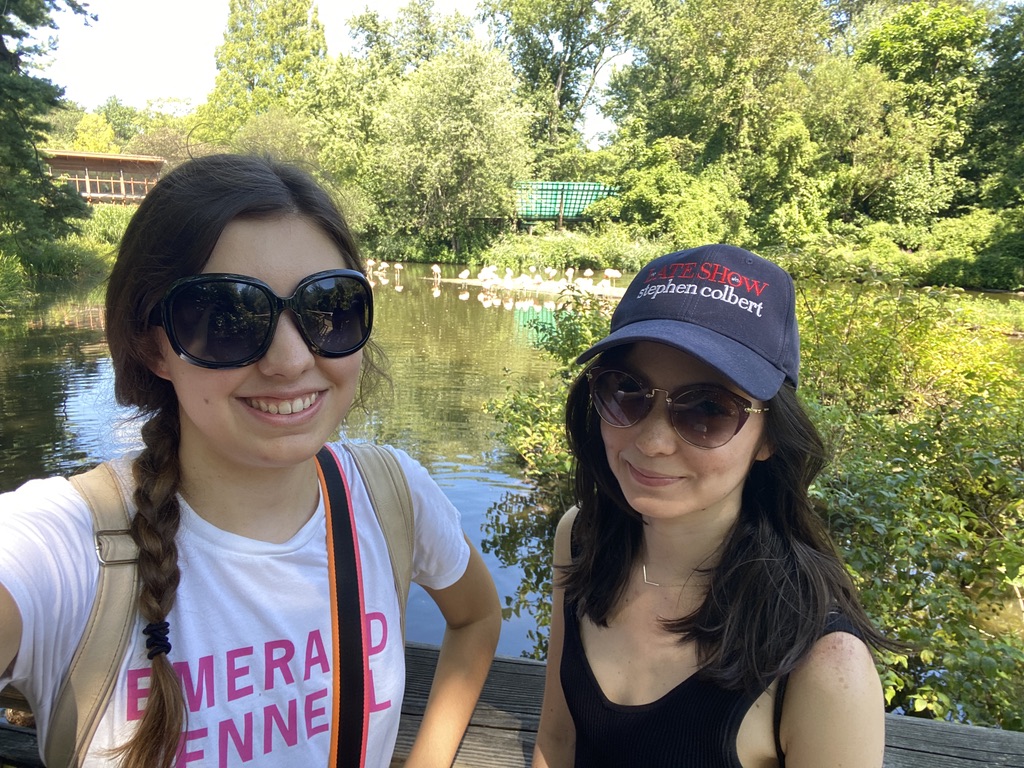
At the end of the summer, Valentina and I went to the Bronx Zoo for a last hurrah.
Hot take: zoos are not strictly for children, as animals are universal.
And yet there were children everywhere.
Valentina and I made our way through the crowds of strollers in scorching hot weather, feeling very superior to the toddler who kicked its shoes into the gazelle pen, and losing our minds over the beautiful elephants, same as any sane person would.
This led to many great discussions, such as “what animal would you want to be reincarnated as?” and “do you want kids?”
The Bronx Zoo claims that all of the animals they have in captivity are the result of being rescued from the wild and rehabilitated, which was justification enough for Valentina and me to enjoy ourselves.
I pspspsped the giraffes and they did the same thing that my cat does when I do it to her: not come towards me.
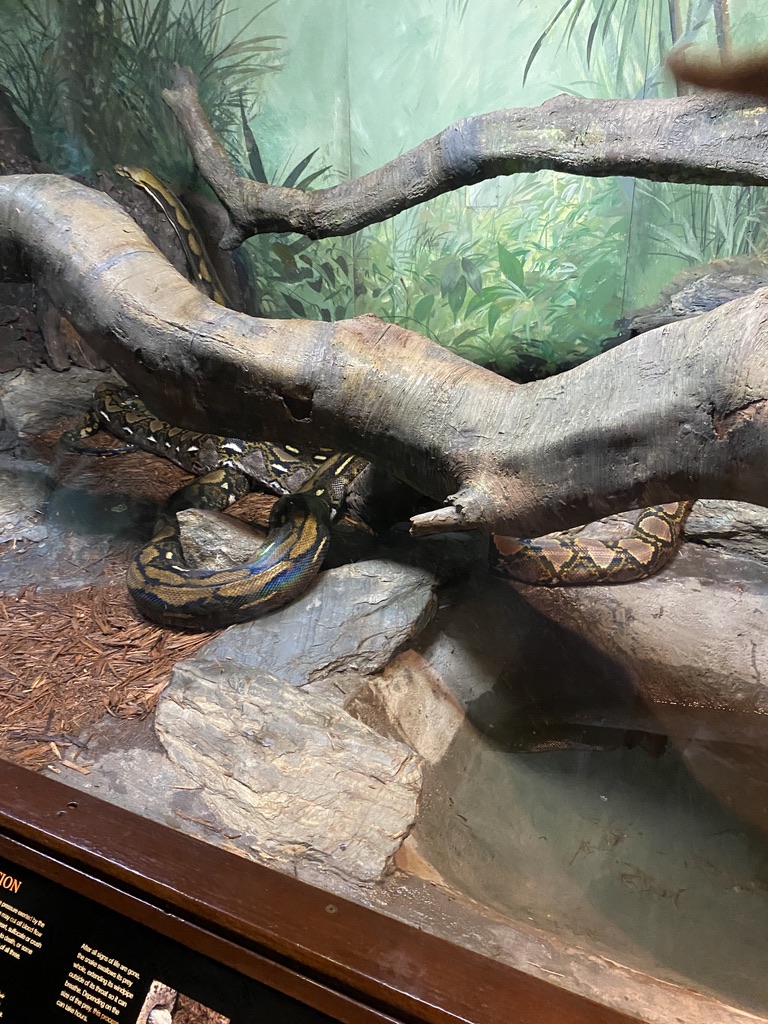
I kept my Harry Potter references to a minimum when in the reptile room, staring at the boa constrictors behind glass.
I used the limited amount of animal knowledge that I could recall from childhood to keep the conversation going.
How many bones do giraffes have in their neck?
7, the same as humans. They’re just longer.
Are zebras white with black stripes or black with white stripes?
It depends on the zebra. You can shave them and have your answer.
What animal rules the animal kingdom?
My house cat thinks it’s her.
Valentina and I spent the afternoon reclaiming zoos for adults. We did not see any Capybaras or Ocelots, the respective favorite animals of Valentina and myself. We missed the penguins, which were the main reason that we went, but we can always take another trip to the zoo in the coming year.
We were able to see lions, elephants, giraffes, and every other majestic type of animal from the Animal Kingdom. I desperately want to go on a safari but due to my on-going fear that I will accidentally cause my own death one day, I’m thinking about maybe sitting that one out.
My recommendation would be for everyone to go to the Bronx Zoo and experience it for themselves, so that you might stare at the penguins and succeed where Valentina and I failed.
Not long ago, I made it my mission to attend my first ever book launch party– not to be confused with the time I attended the first ever book event for Chaos Theory by Nic Stone earlier this year.
This time, the event was for Everybody’s Favorite by Lillian Stone, a comedian publishing her collection of essays. Since the collection was an homage to early 2000s cringe, a prize was being awarded to the most Y2k outfit. I wanted to look chic and fabulous for my first ever book launch party, but decided to embrace the theme.
My low-waisted, boot cut jeans are in storage and probably haven’t fit me since the seventh grade. Also, my ruffled skirt from Justice that I would have worn over my flared, boot-cut jeans wouldn’t have fit either. It’s moments like this that I wish I had a pair of crocs and a juicy couture track suit, two things that I’ve never wished for before. My knowledge that there is photographic evidence of me wearing these styles is one of the few things keeping me humble.
Full disclosure, I was busy being born in the early 2000s and only have very vague memories of the fashion from that decade, but much of it spilled into my middle school days in the early teens. These vague memories include, but are not limited to, headbands tight enough to give headaches, barrettes aggressively holding down my side part, my CD player playing nothing but Kidz Bop, my iPod nano playing nothing but Katy Perry, and my PEZ dispenser keychain on my backpack maintaining my popularity in elementary school.
There were a lot of options for what I could wear: apple bottom jeans with the boots with the fur, lips gloss that’s cool, lip gloss that’s poppin’, and whatever it is that a Hollaback Girl would wear (I’ll be here all week folks).
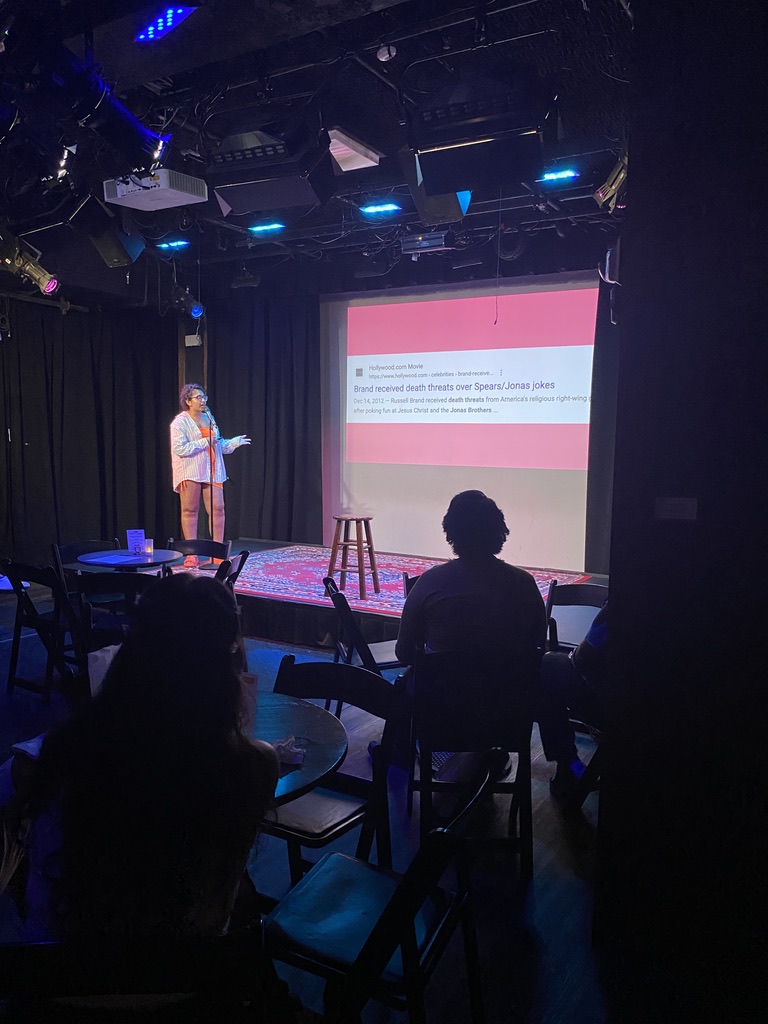
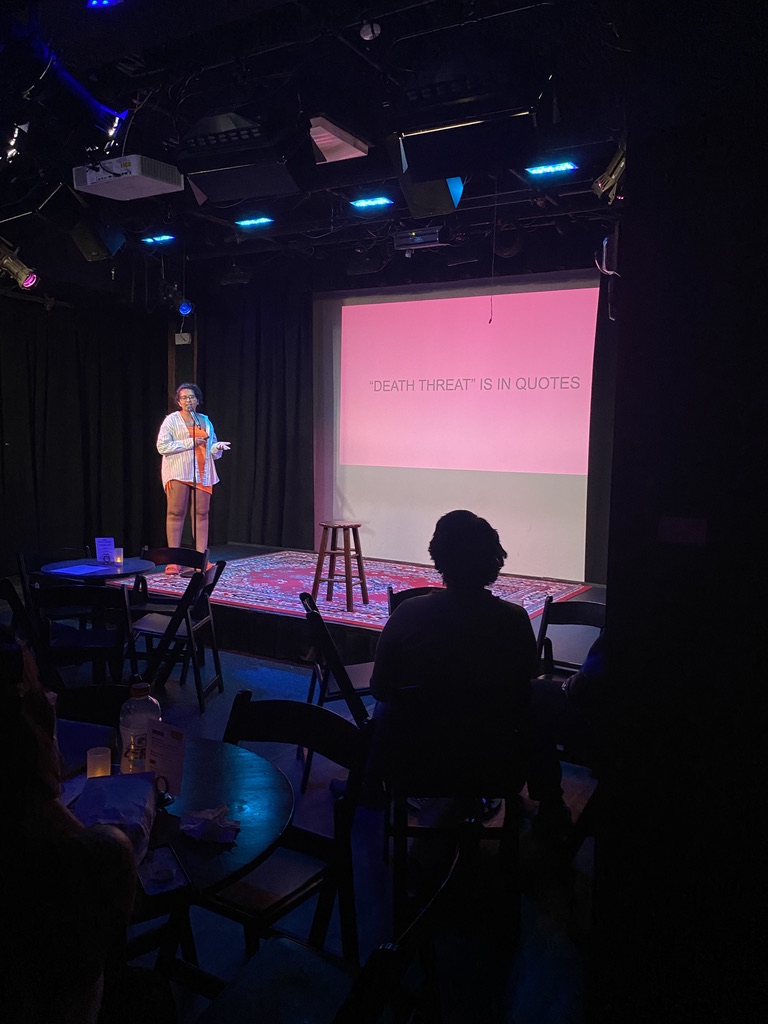
When the time came, I parted my hair down very far to the side, slathered on some lip gloss and frosted eye shadow, and hit the town, arriving garishly dressed downtown. Since the book launch was for a collection of essays written by a comedian, the event was a series of comedians performing their routines and other humorists that were doing readings of materials that were on theme. They covered topics such as: traveling to other countries, female orgasms, the sexual repression of the early 2000s, what it means to be an American (also in the early 2000s), and so much more.
I refuse to give the context to any of these
One piece, entitled “Hot Topic, from the perspective of my mom,” was particularly hilarious, as she referenced the satanic, but simultaneously atheist ouvre of Hot Topic, designed to terrify all mothers of teenage girls. Another referenced the fact that while in England, he got his money reimbursed when the train was late and noted that if New York City had that policy, the MTA would owe him $30,000. After the week I had, I could have purchased a new apartment.
Each time I introduced myself to someone, they informed me that they liked my name. One even told me that I had the name of “a 1960s French mermaid,” a compliment I will never forget.
Two women told me that they understood what I was going for with my early 2000s outfit. I was pleased, since I was dressed like one of the Bratz dolls I was still playing with during the actual early 2000s.
Elissa Bassist
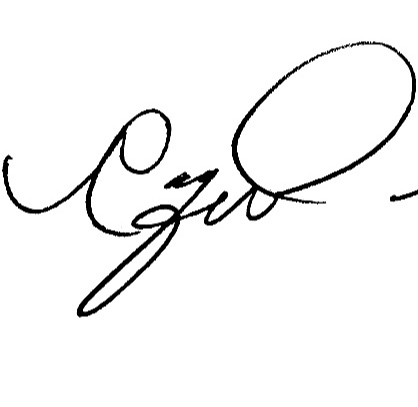
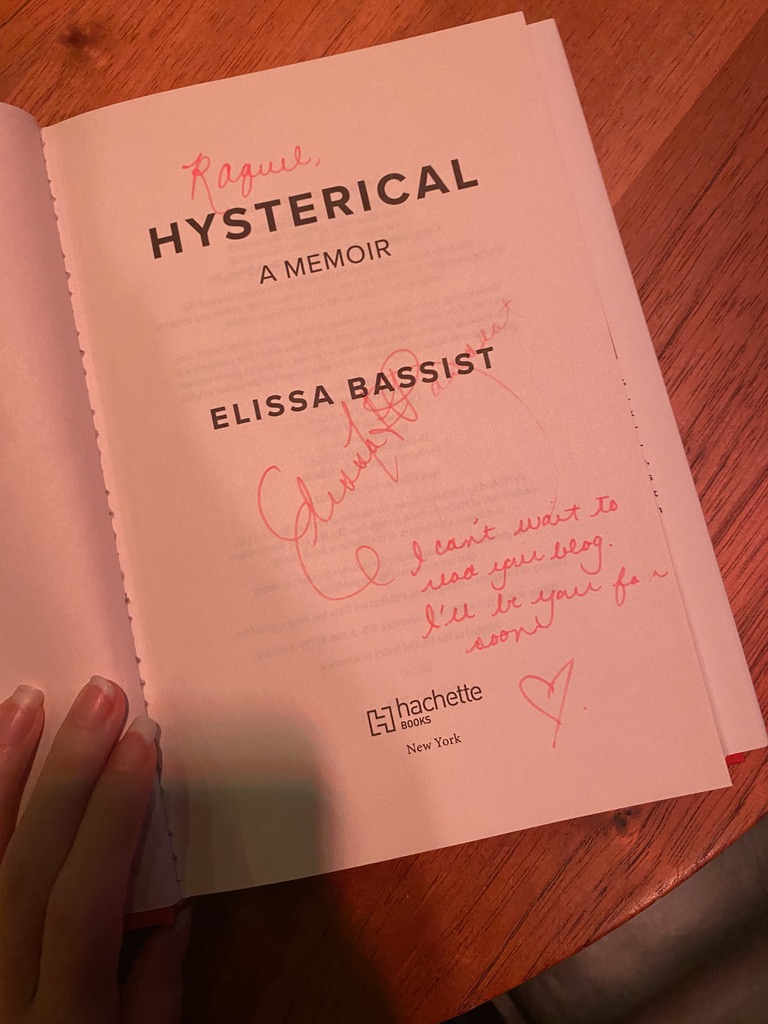
I bought a signed copy of Hysterical from Elissa Bassist, who read aloud one of her pieces as well (she was the one with the female orgasms). I have since read her book and am declaring it the must-read book for hysterical women everywhere. When she signed my copy, she said that she couldn’t wait to be a fan of mine as well, by reading my blog posts (Elissa, I hope you’re reading this).
I also bought a signed copy of Everybody’s Favorite by Lillian Stone herself and have since read it as well. Her commentary on the early 2000s is pitch-perfect with many astute observations about growing up as a girl and the insecurities that you might face during her childhood as a result.
I arrived home around midnight, mentally-preparing to drag myself out of bed for work the next morning, while I scrubbed off my Y2k makeup.
My father once told me that the most democratizing experience in the world was riding the New York City subway system. There, the guy in the $3,000 suit is sitting beside the homeless guy, the guy in the yarmulke is sitting beside the guy in the turban, and, at some point, on both sides of you, there will be two different people speaking two different languages, both of which you swear you’ve never heard before. The whole of humanity is on display, which is why I’m happy that I now finally comprehend the New York City subway system and can drink it all in for myself. This was particularly useful a few weeks ago when I took the subway for over an hour to get to my destination, reading my book and a two week old copy of the Sunday New York Times.
After wetting my appetite for some Southeast Asian food at the Queen’s Night Market, I decided to learn how to cook some for myself. That’s why I signed up for a Northern Indian Street Cooking Class in Queens two weeks later.
I never show up late to anything unless I get lost. This is because I am extremely punctual but have no sense of direction. I ended up late to this event because I got lost and when I get lost I cry, which is how I eventually ended up late and crying but ready to make some Northern Indian street food.
I bought some Thai tea
The service was being provided by a group called “Did You Khado?”, which, according to them, means, “did you eat yet?”, an expression from one of their grandmothers. The class was being taught by a husband and wife, Raina and Gautam, who run a catering company of the same name. If I feel so inclined, I can learn how to hand roll sushi, stuff pork dumplings, make dosas and chutney, and make chocolate, but on this particular day I learned how to make Puri.
I fried up these wafers until they turned into puff balls which I cracked open and filled with various sauces and pomegranates. It was very simple but tasted incredible. This required me to tear up a pomegranate and only some of the pomegranate seeds ended up on the floor.
The only thing I successfully make without fail in the kitchen is a mess. I kept it all together as best I could, in observance of the fact that I was in somebody else’s kitchen.
I learned many things about cooking that day.
Apparently, if you avoid cutting the bottom of the onion, it won’t make you cry.
I did not avoid cutting the bottom of the onion.
Between my getting lost and cutting the onion wrong, my tear ducts were getting the workout of their life.
Despite my amateur cooking skills, all of the food was delicious. Everything was sweet but also savory and had just the right amount of spiciness to it. Clearly, I had good teachers.
I now know how to make Puri and someone in the future can be brave enough to try my first attempt at making it.
And if you do want to learn how to make any of these types of foods, be sure to check out Did You Khado? at their apartment building.
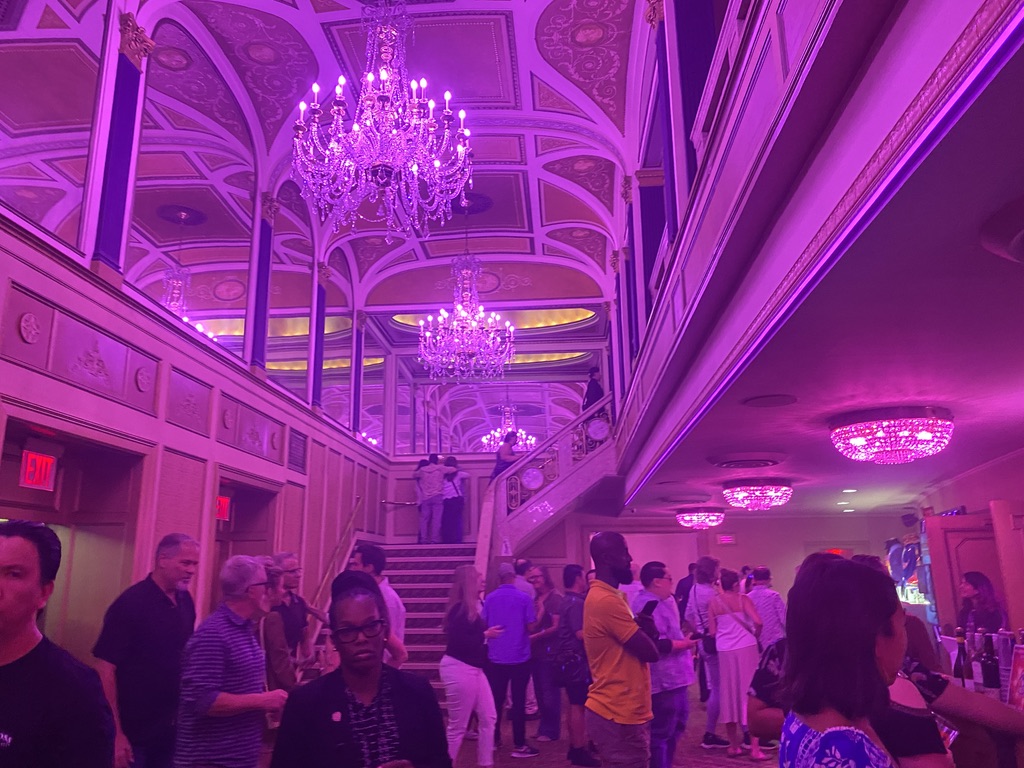
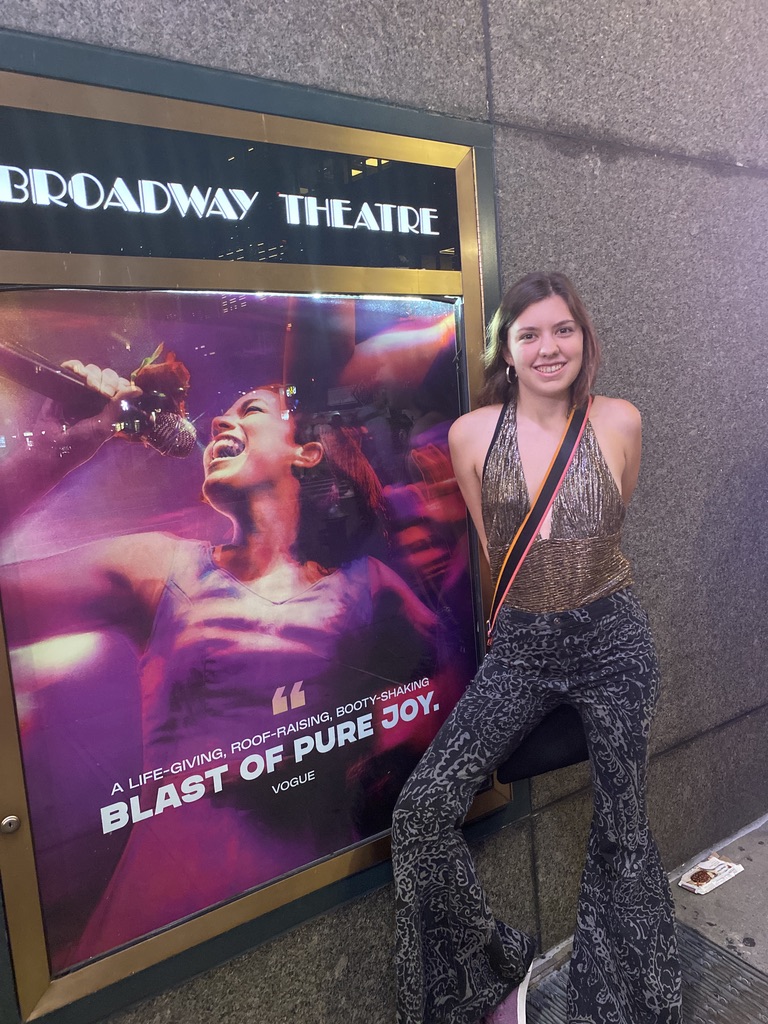
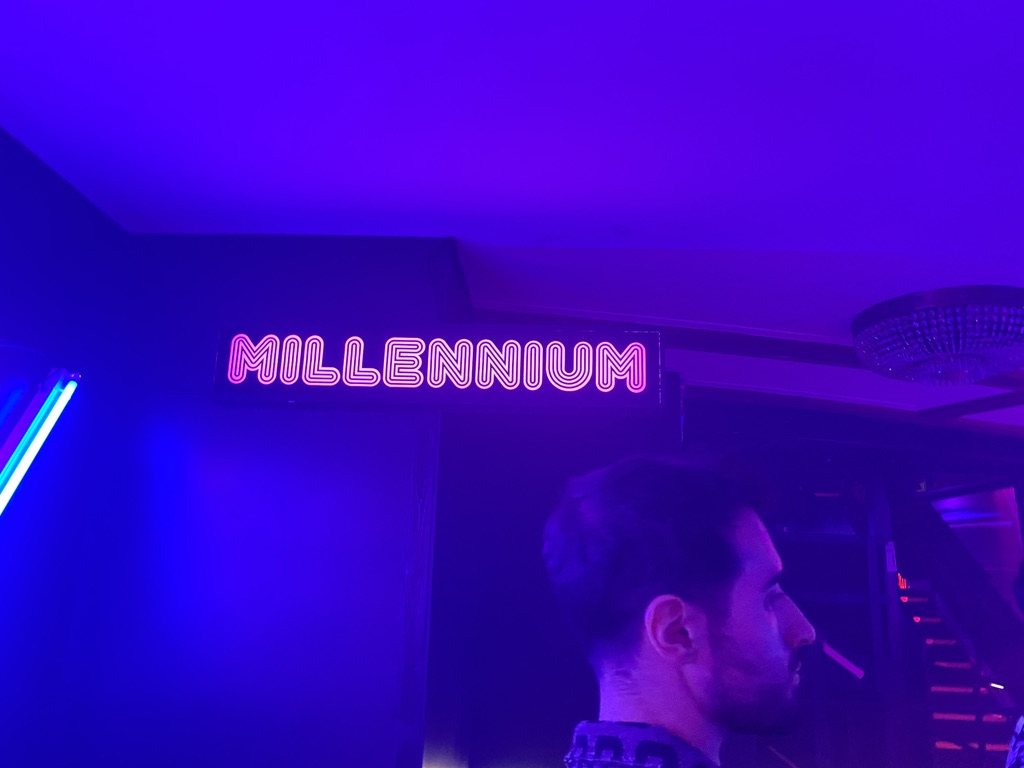
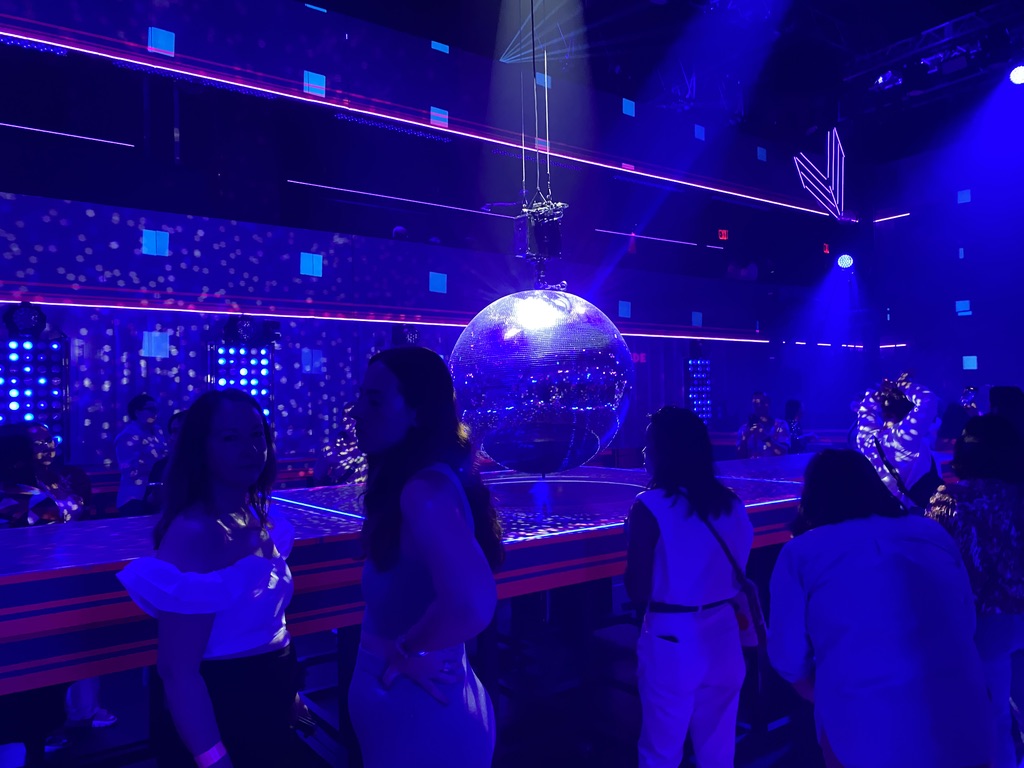
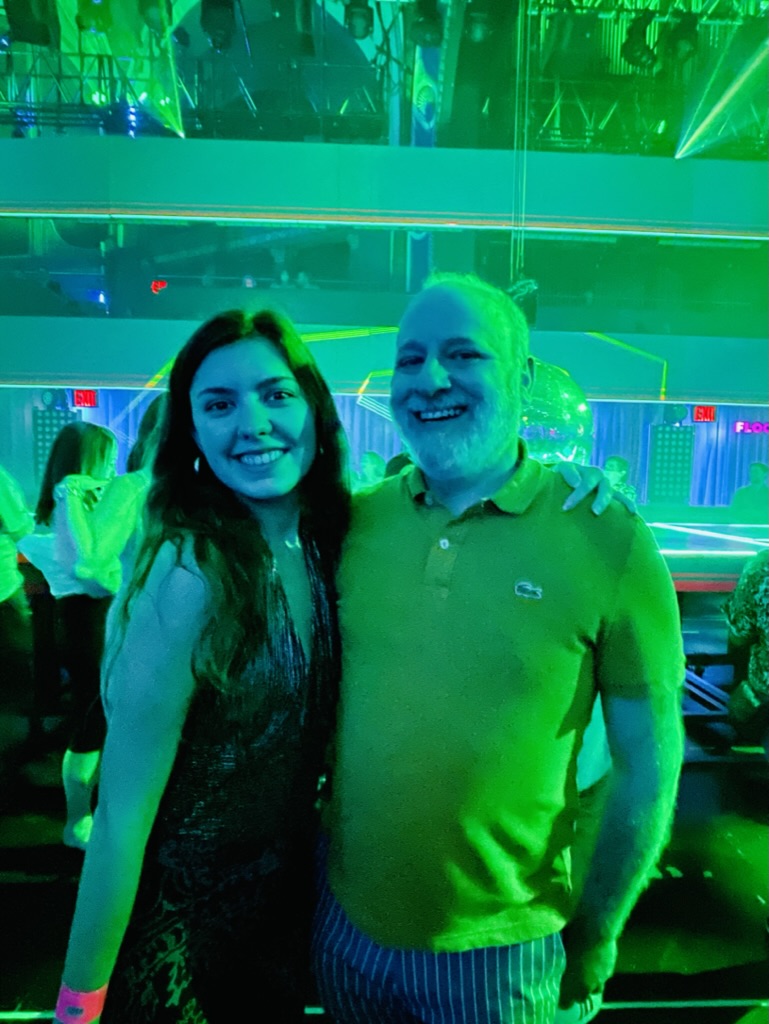
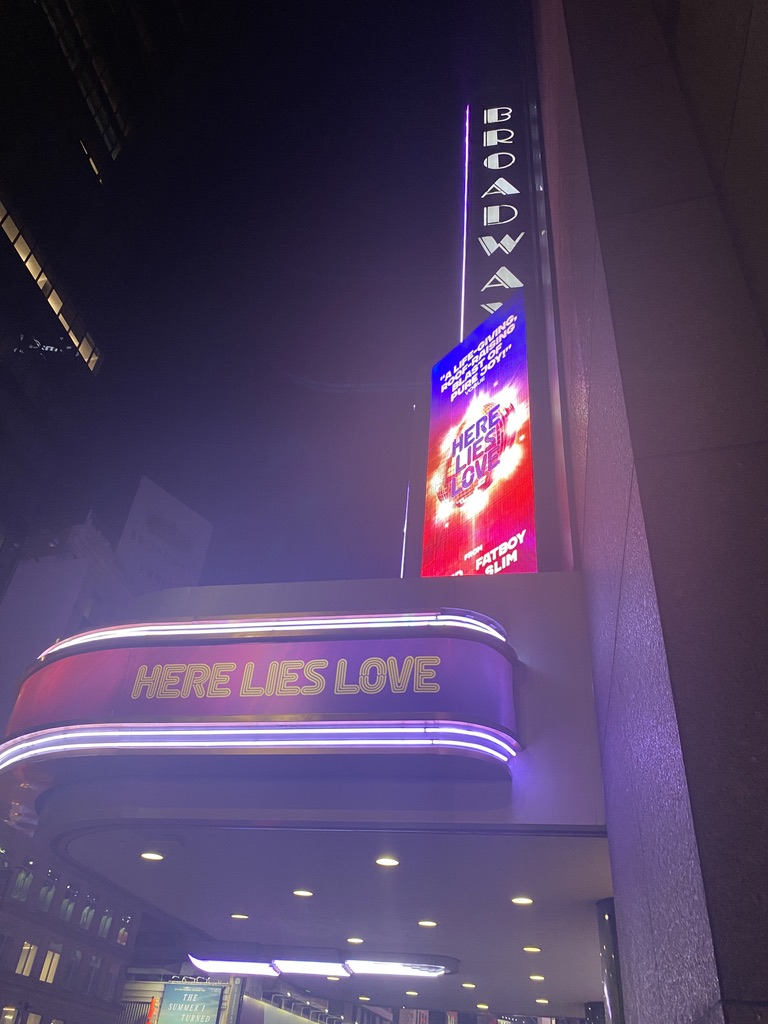
Here Lies Love is the Karaoke-themed Broadway Musical about Imelda Marcos. The show has garnered praise for, among other things, being the first ever Broadway show with an all Filipino cast. The whole experience was a graduation gift from my good friend David Gerson, a regular on this blog.
The man, the myth, the legend
However, given the subject matter, the musical has been the subject of much controversy since its beginning, begging the question of whether or not it is appropriate to sing and dance along to a story about the strife that the Philippines faced, America’s infliction, and the legacy of Imelda Marcos. Others have cited this as the point of the story: we are dancing through the political unrest, making ourselves complicit, the way that many others were at the time. Marcos herself had a notoriously large shoe collection and spent much of her time at Studio 54, a topic that comes up throughout the story. Regardless of where you fall in the commentary, believing it to fall flat or to have hit the nail on the head, the show has been a big deal on Broadway.
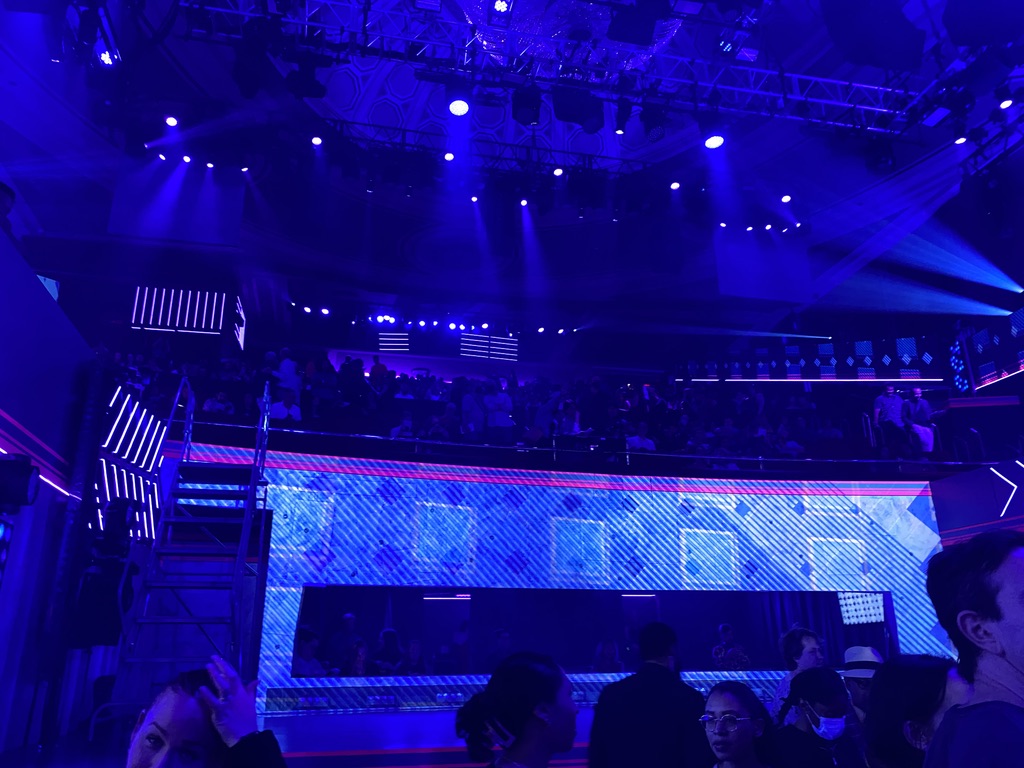
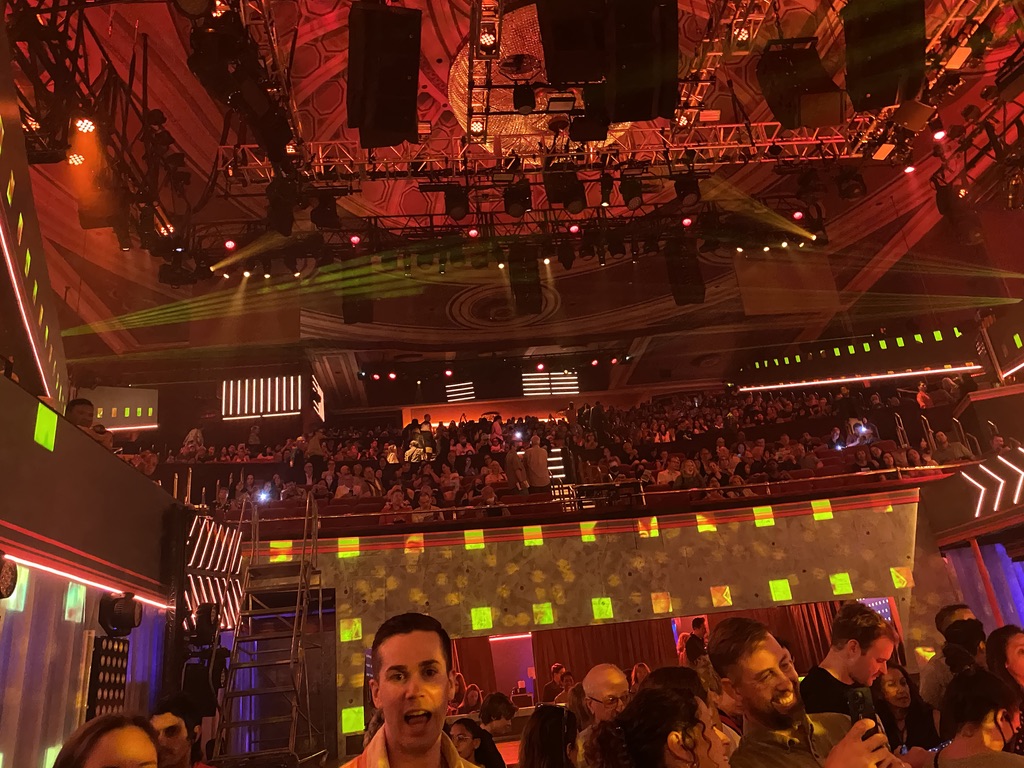
Some audience members were up on the mezzanine, but we were down at the floor seats, which, for this show, meant that we were standing and dancing the whole time. The stage had been removed and we stood on the floor amongst the cast members as they performed. The crew, standing among us, moved the stage and we were expected to walk with them as they moved it.
There was a fleeting moment when I was worried about getting run over by the stage as they moved it, since they were shuffling along, moving the stage, and we were told to keep moving, but the people in front of me weren’t moving, so I had no choice but to stand there for a brief second, nearly getting run over by the stage.
I regretted not getting my glasses out of my purse before I checked it since there were times where I couldn’t make out the actors’ faces. Other times, I was so close that Imelda Marcos’s dress nearly hit my face. On more than one occasion, the actors had to walk right past me in order to make their cues.
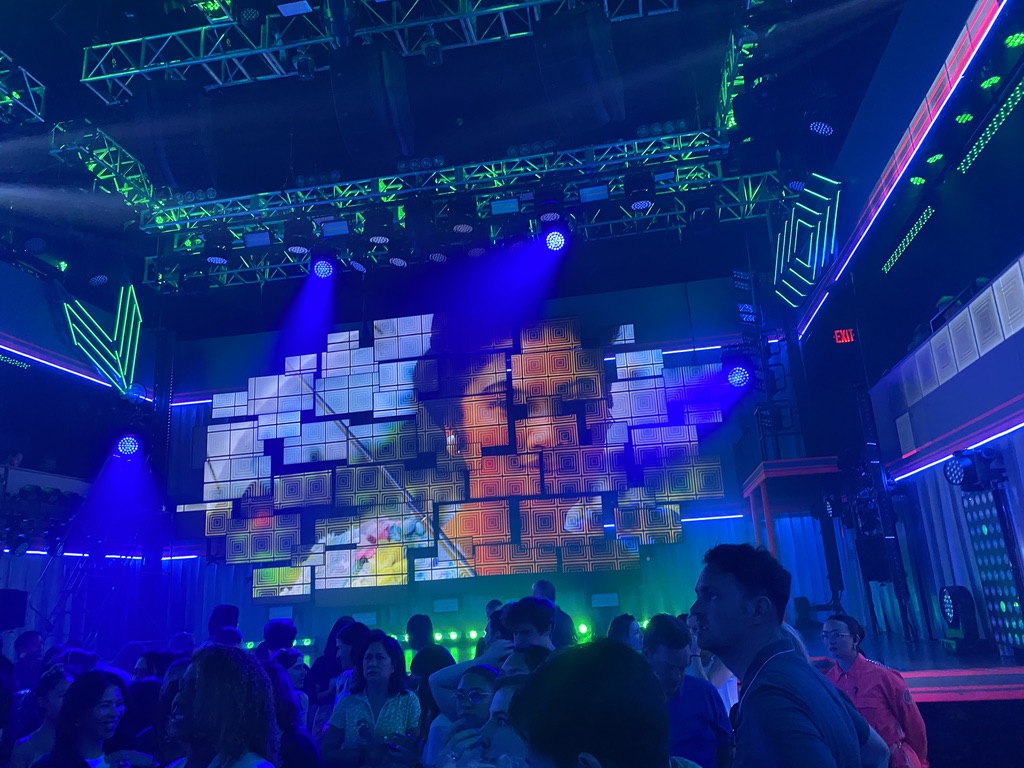
The actor who played Imelda Marcos’s husband, the President of the Philippines, came into the audience, looking to have women appear with him on screen, as the crew walked around with a camera, projecting everything on the walls of the theater.
First I got pushed by David. Then I got shoved by one of the crew members. I was practically passed right into the arms of the male lead and was suddenly projected all over the theater, getting serenaded by him. He sang right to me. I flirted with him right back. The crowd laughed. He raised an eyebrow at me. David told me that I’d just made my Broadway debut.
The rest of the show played on with less flirting, but still some more fabulous dancing. It was without a doubt, the most fun I’ve ever had at a Broadway show.
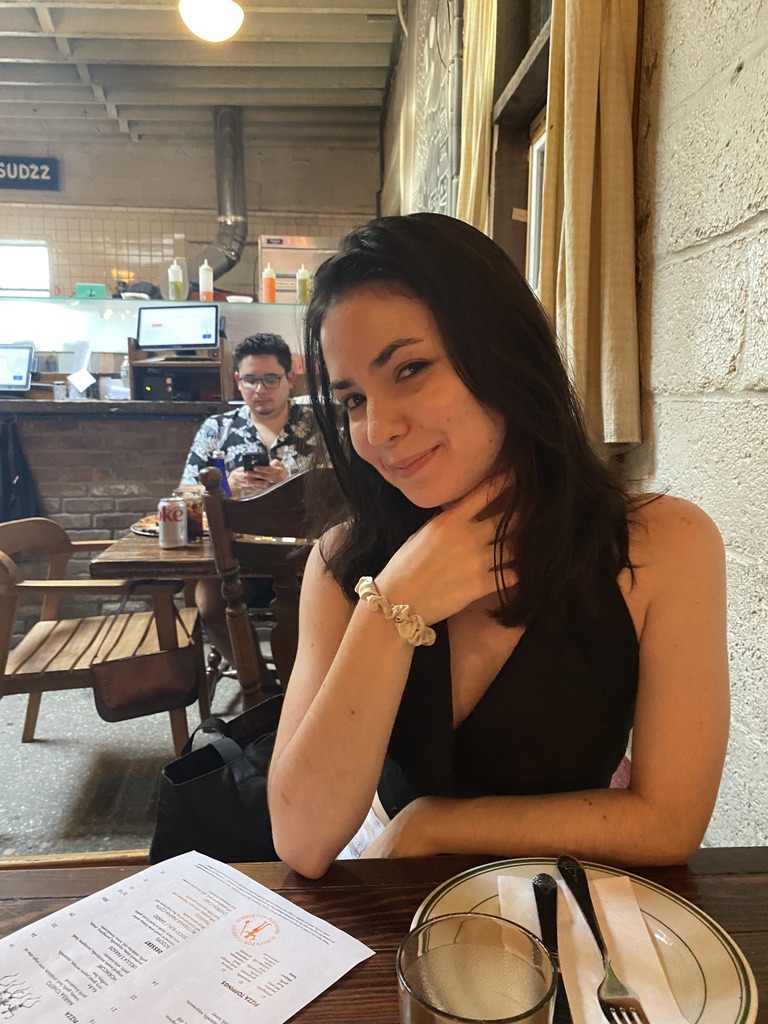
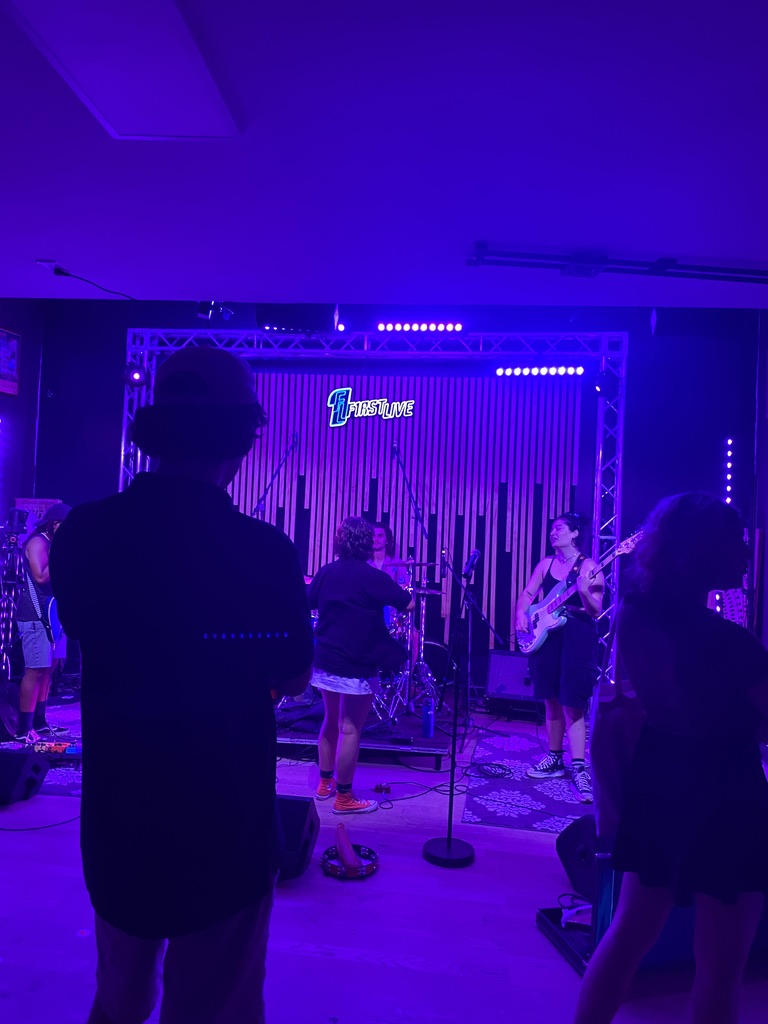
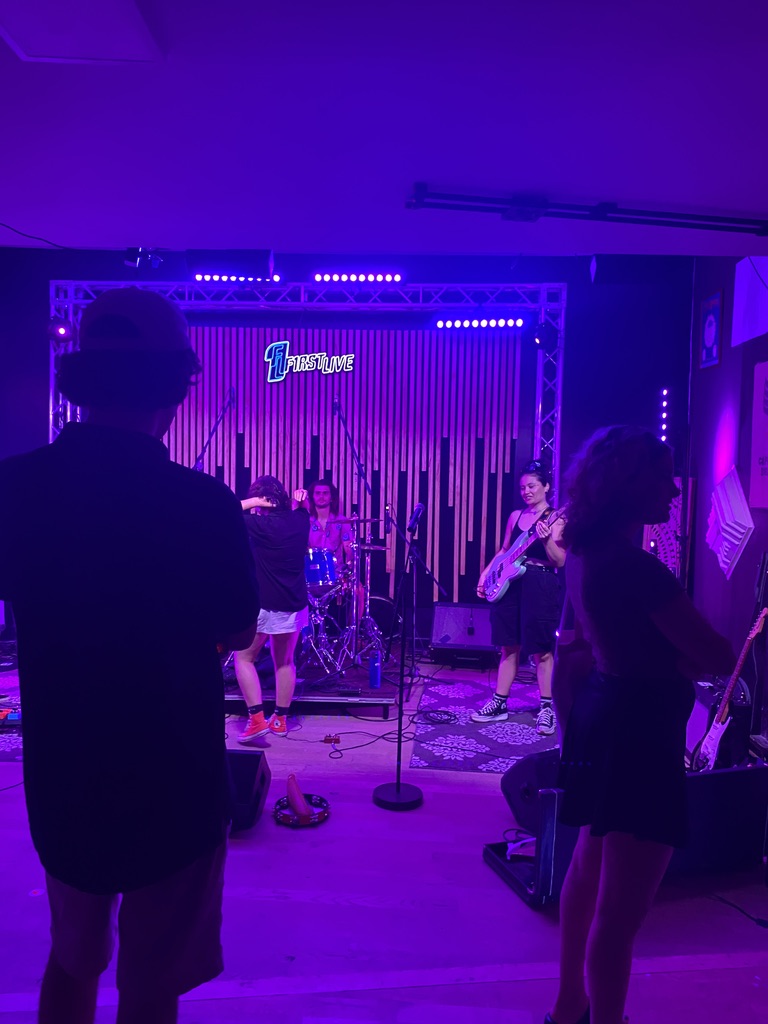
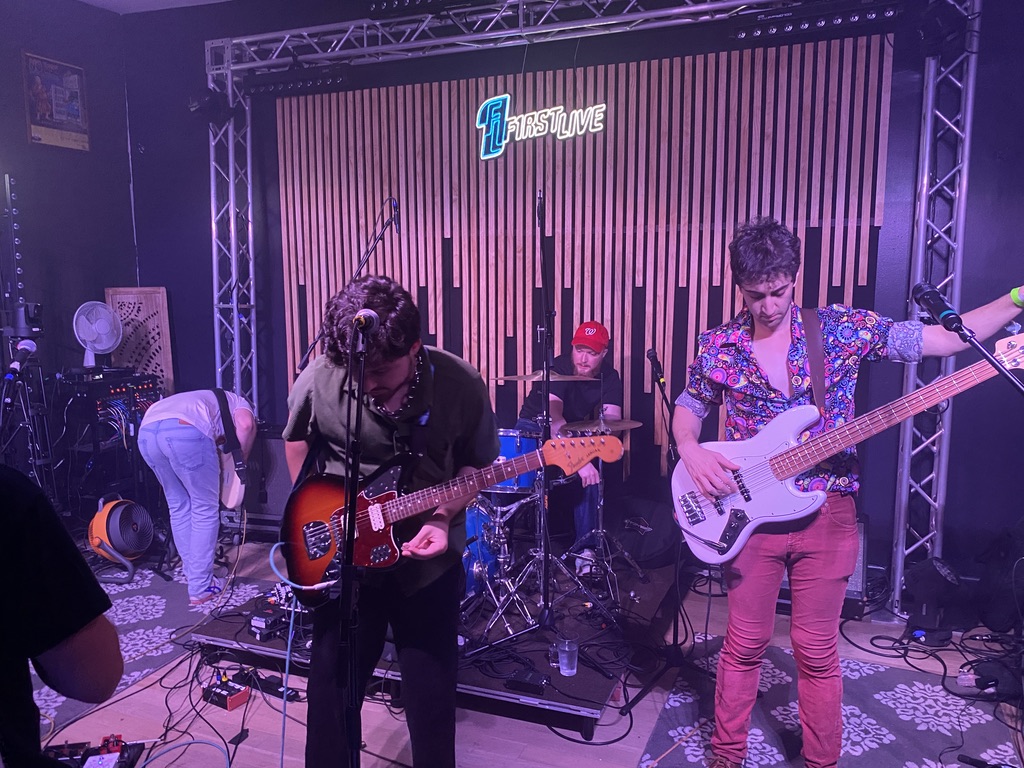
The best pizza in the world, aside from that made in Italy, comes from New York City, and the best pizza in New York City supposedly comes from Roberta’s in Brooklyn. That’s the boldest of claims, so Valentina and I went to check it out for ourselves on our way to “First Live.”
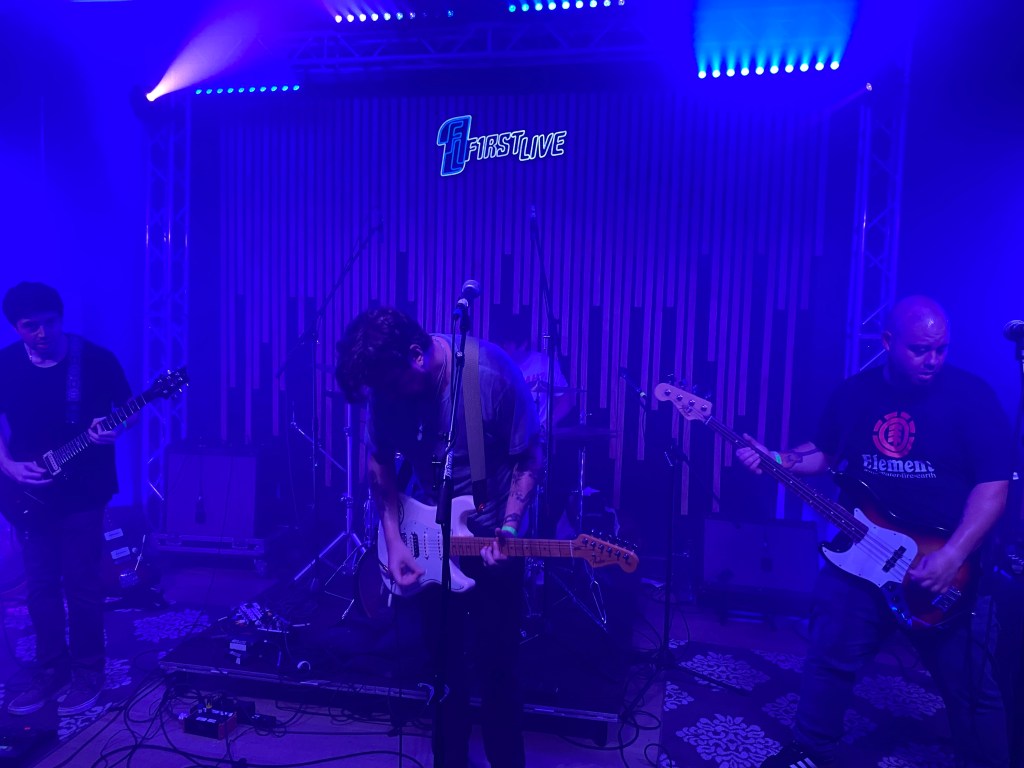
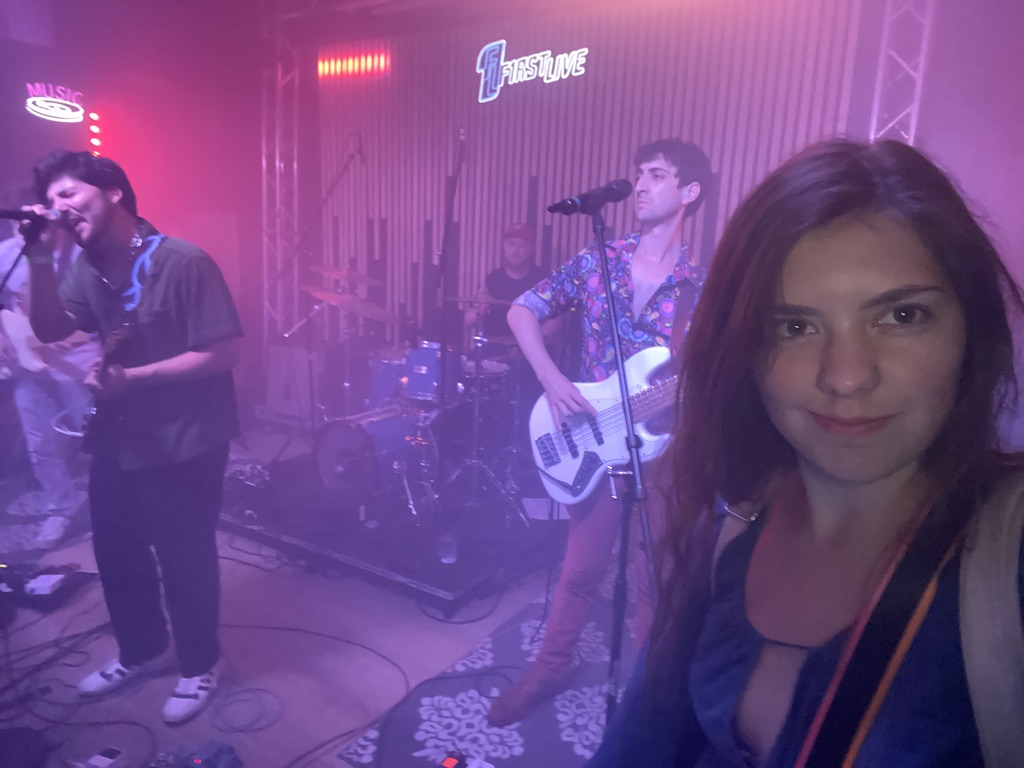
First Live was the name of a music event at a bar that featured one of Valentina’s friends and since her friend was on his way to Japan for a year, this was the band’s last hurrah, at least for a while.
We got dinner at Roberta’s first, discovered that it more than lived up to the hype, and then arrived at the bar. Other bands, including Valentine’s Day, a band for angry girl music (said affectionately), performed first. It was a while before we got to see our band perform.
I was faced with a question: to socialize or not to socialize?
I hate to force conversation so I went with not to socialize. Not socializing was great, as I did not end up getting hit on, unlike Valentina.
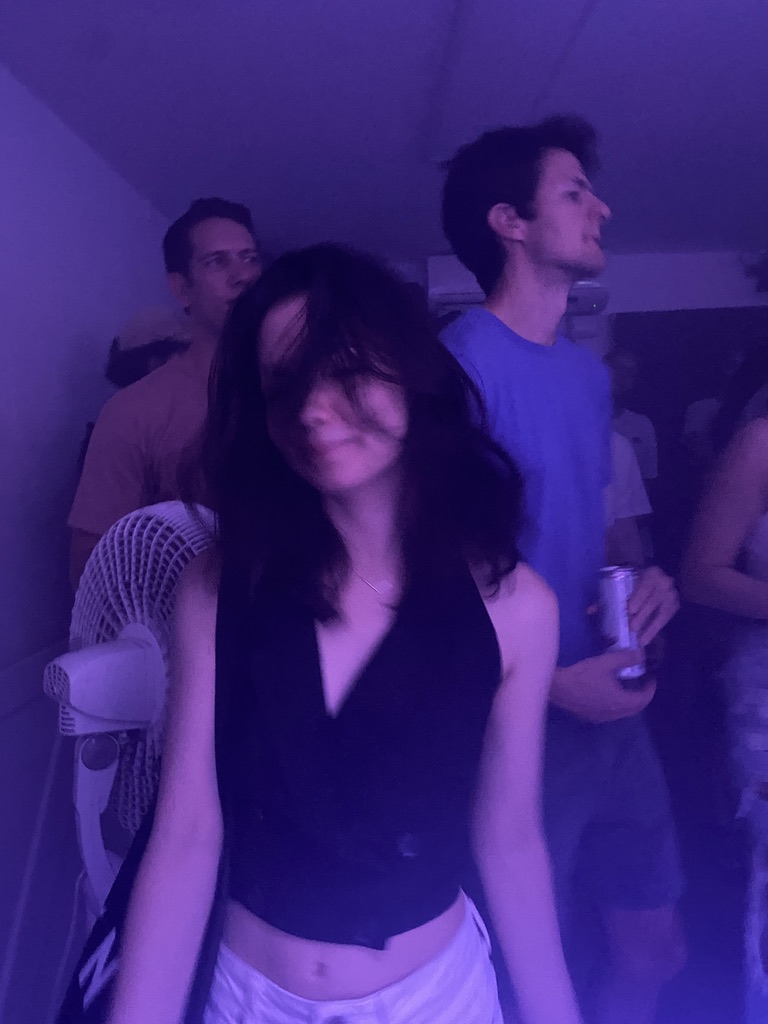
When it came time to listen to the friend perform, we were given ear plugs to protect ourselves from the music and Valentina had to encourage me to dance around more. I’d been standing there, swaying a bit, but not smiling, as I often do not, and according to Valentina “I was bringing down the vibe.” I therefore had to do less of a Wednesday Addams impression in order to stop bringing down the mood, and, apparently, also the band.
Being in the front row might not be for me. The music was great. Everything was very high energy (except for me apparently) with the singer moving through the crowd and me getting to stand directly in front of the guitarist. Since there was no stage and a modest audience, the singer moved through the crowd and we could stand up beside the band, which was how my underwhelmed expression didn’t go unnoticed.
Once the music was done, we called it a night. It was a tale of not being the life of the party, but we listened to some good music and had some really great pizza, as part of a classic college student night.


























































 The Tragic Queen